الآندلس البربرية :
عندما حكم الامازيغ الاندلس حكما مباشرة اي اصبحت ولاية امازيغية تحكمها القبائل الامازيغية من مركزية مغربية .
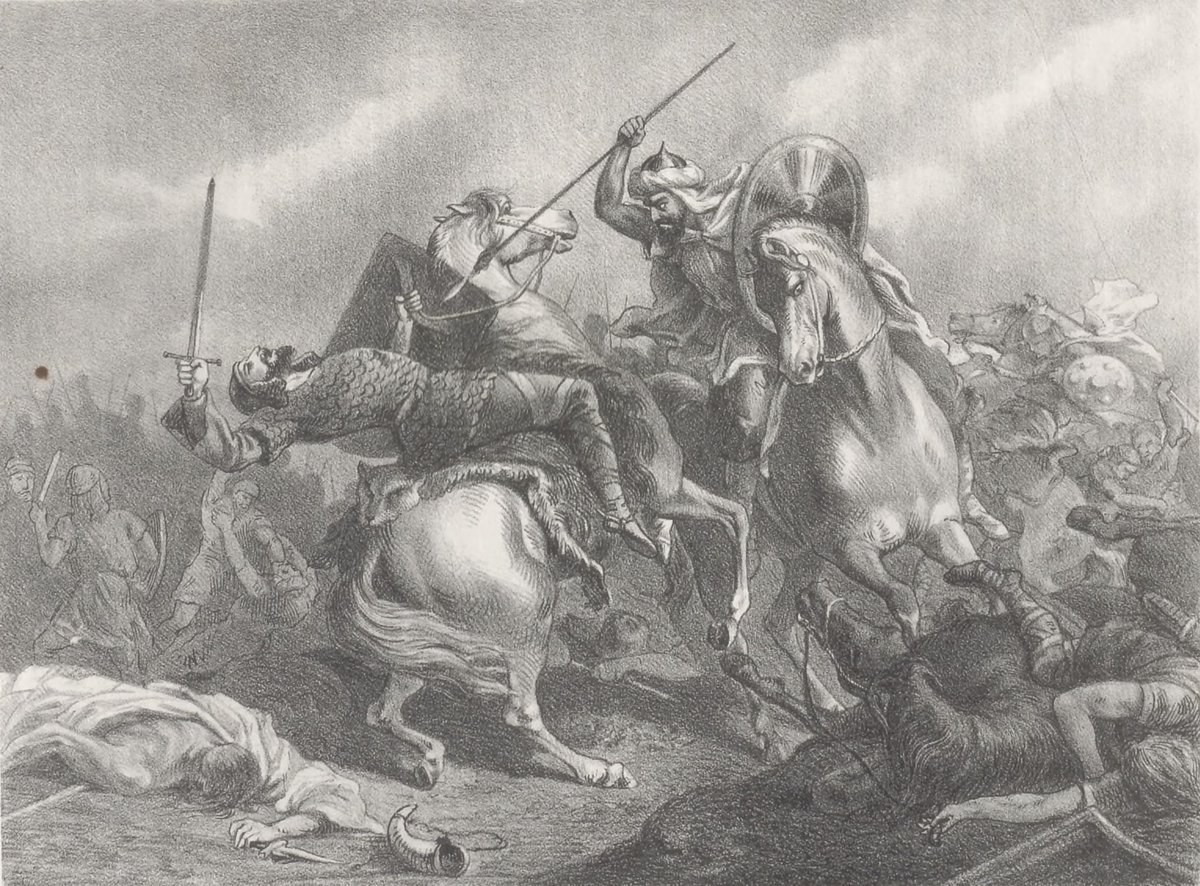
قاموا بالحد من حرية المسيحيين التي كانوا يستمتعون بها في عصر الامويين .
فمنعوا عنهم قرع النواقس التي كانوا يقرعونها بعصر الامويين .
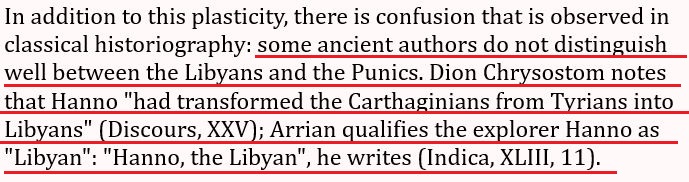
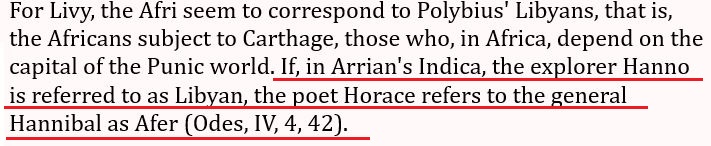
Additionally, these authors do not clearly distinguish between the two groups. For example, Arrian refers to the explorer Hanno as a "Libyan", Horace describes Hannibal as "Afer", and Dio Chrysostom writes that "Hanno had transformed the Carthaginians from Tyrians into Libyans."
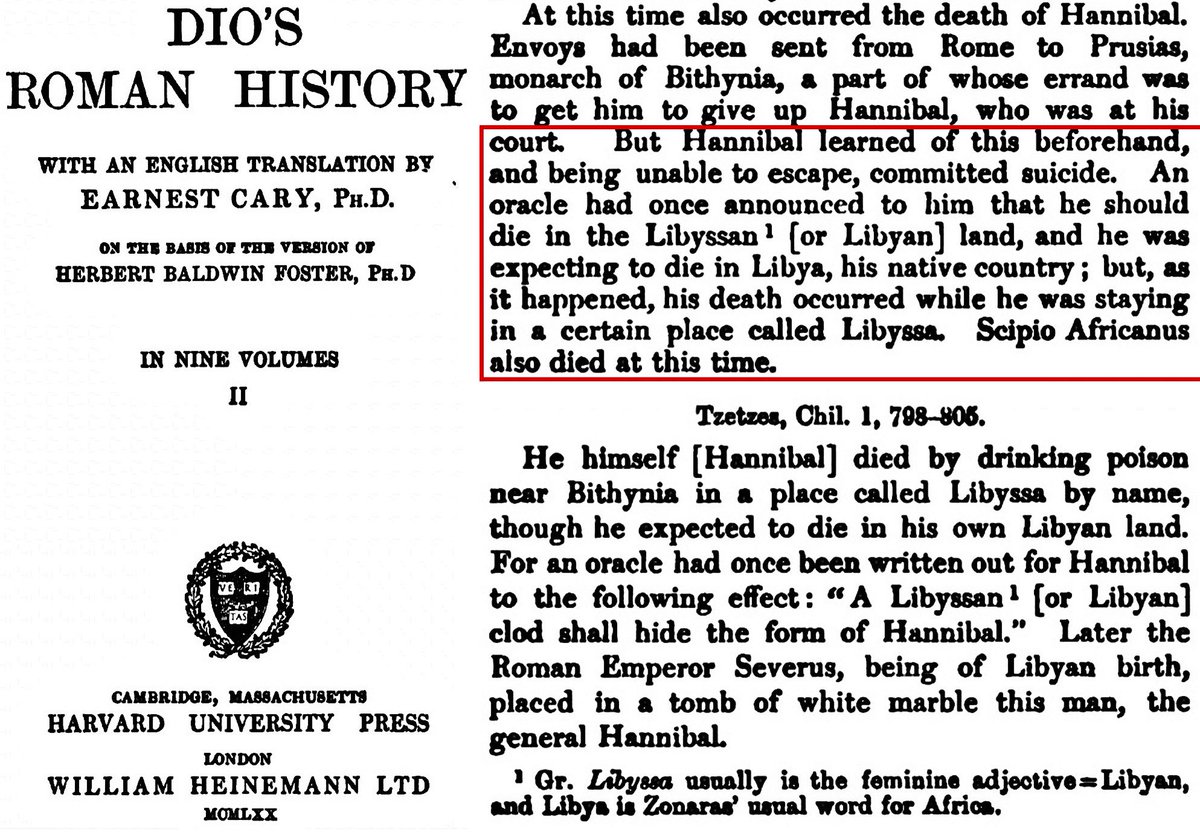
"In an encounter between Hannibal and oracles, it was prophesied that he would meet his end in his homeland and native country "Libya". when the great berber Carthaginian general realized his demise was imminent, he committed suicide by consuming poison,".
Cassius Dio ✍🏻
Hannibal spoke Amazigh.
Setting aside Hannibal’s ancestry, who back to berber Afri tribe this great African commander also spoke amazigh, as Polybius indicates in his book where he mentions several times Hannibal addressing his Numidian soldiers or giving them orders.
New available data from 13 individuals from an Islamic cemetery in Ibiza dated to 950-1150 CE.
Among them:
- 1 is E-M81
- 4 under E-M81 subclade (E-Z5011, E-MZ150, E-A429, E-PF6789)
- 1 under E-M78 subclade (E-SK872, via E-V12 ->E-CTS693)
The period during which the Hafsid dynasty assumed the caliphate represents the third time that the Berbers held the caliphate
the first was during the Fatimid era, and the second during the Almohad era And the last time was during the reign of Sultan Yusuf al-Marini.
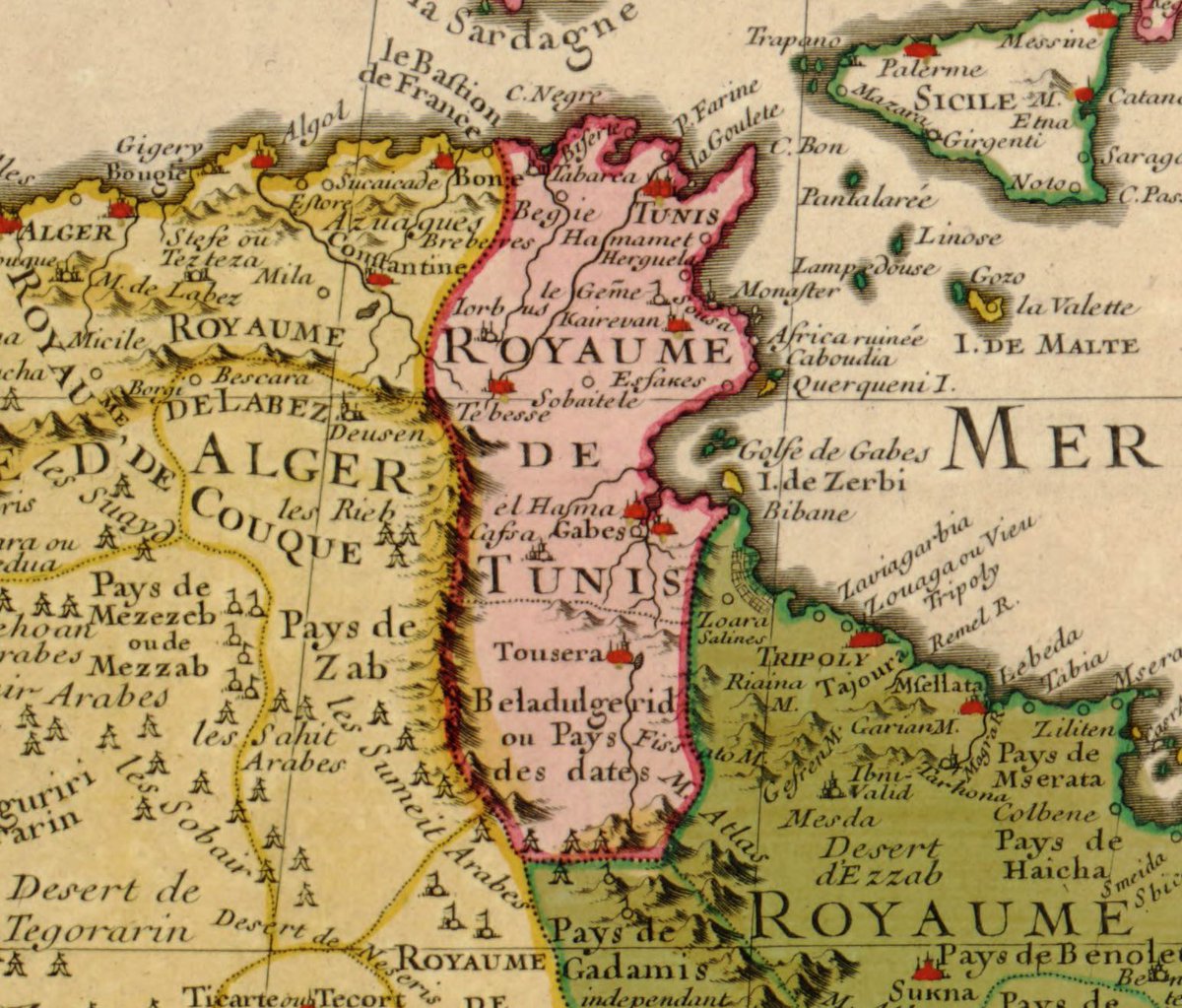
🇹🇳📜| Du XIIIème au XVIème siècle, Tunis a fait partie des rares villes musulmanes à rayonner en tant que capitale califale.
Reconnu dans l’Occident Musulman, le Califat Hafside fut même reconnu en Orient pendant un temps, notamment par les Mamelouks et les Chérifs de La Mecque.
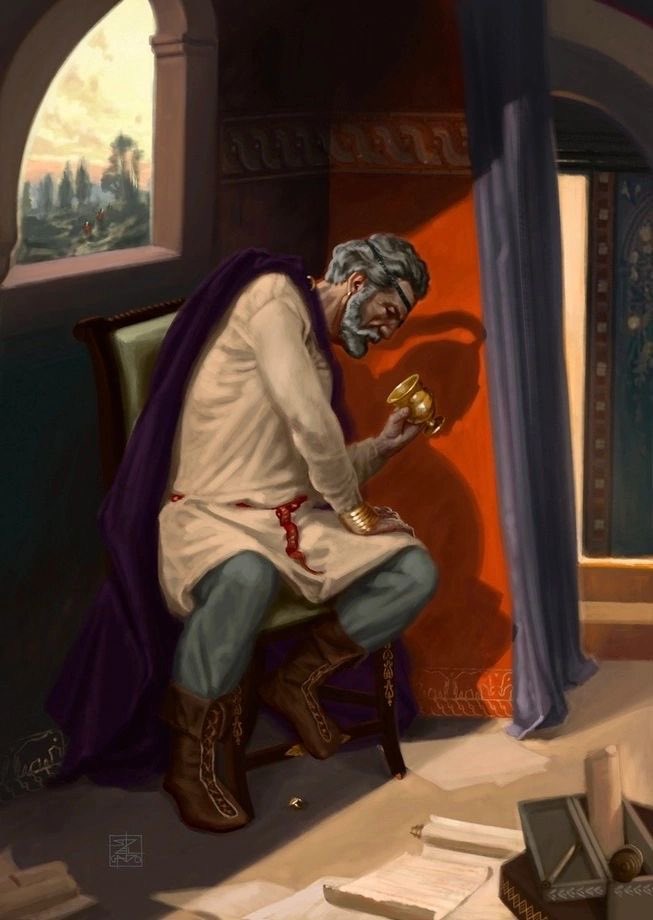
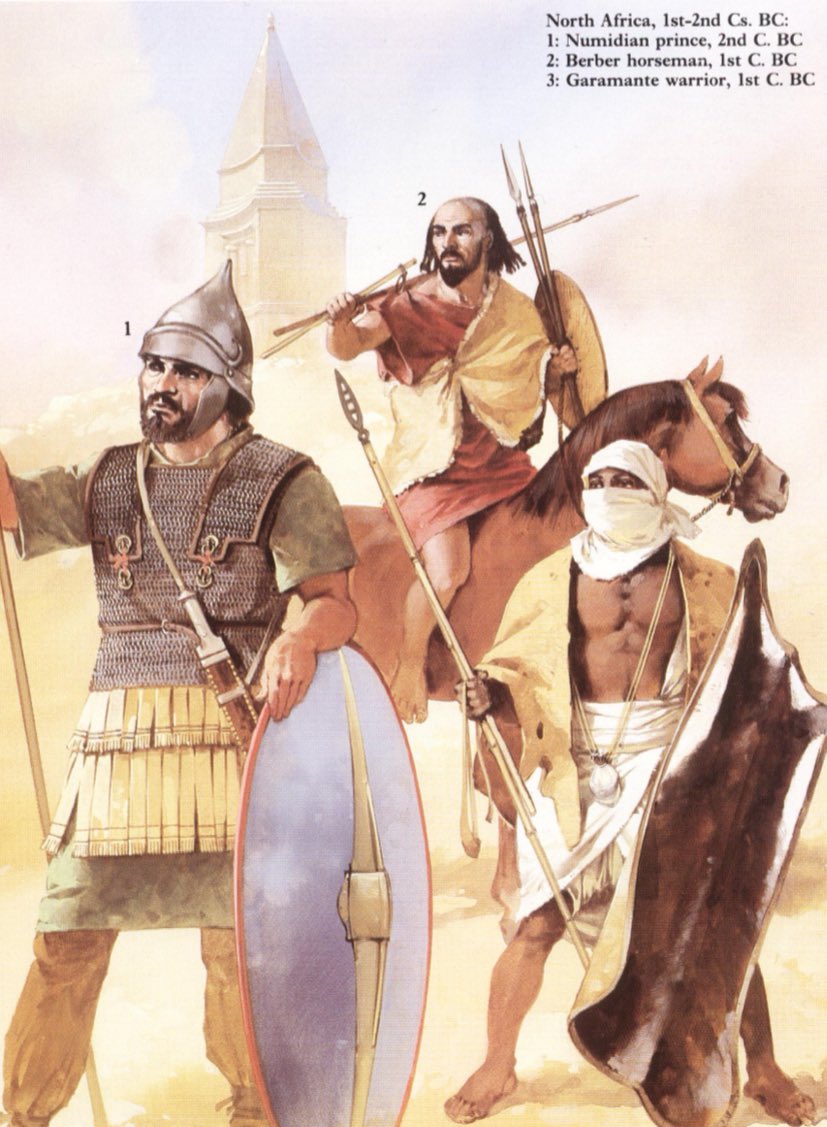
Literally I didn’t understand you. Were you expecting a soldier who lived 2,000 years ago or more to wear armor and a helmet inlaid with gold
Btw this Numidian cavalryman you mocked the Romans considered him the toughest enemy they ever faced.
Imamate of Tripoli
It was founded by Ibadi Berber tribes after the Berber Revolt . Its founder was Abu al-Khattab al-Maghafri who belonged to the Maghafira tribe, itself part of the Hawwara confederation.
Some historians have confused this tribe with the Maʿafir tribe of Yemen
Thread 📚 | Was Egypt’s 25th Dynasty of Amazigh Libyan origin?
George Andrew reisner Jr. was an American archeologist of Ancient Egypt , claim that the twenty-five dynasty who rule egypt from 754 BC–656 BC was of berber origine And he relied on many things .
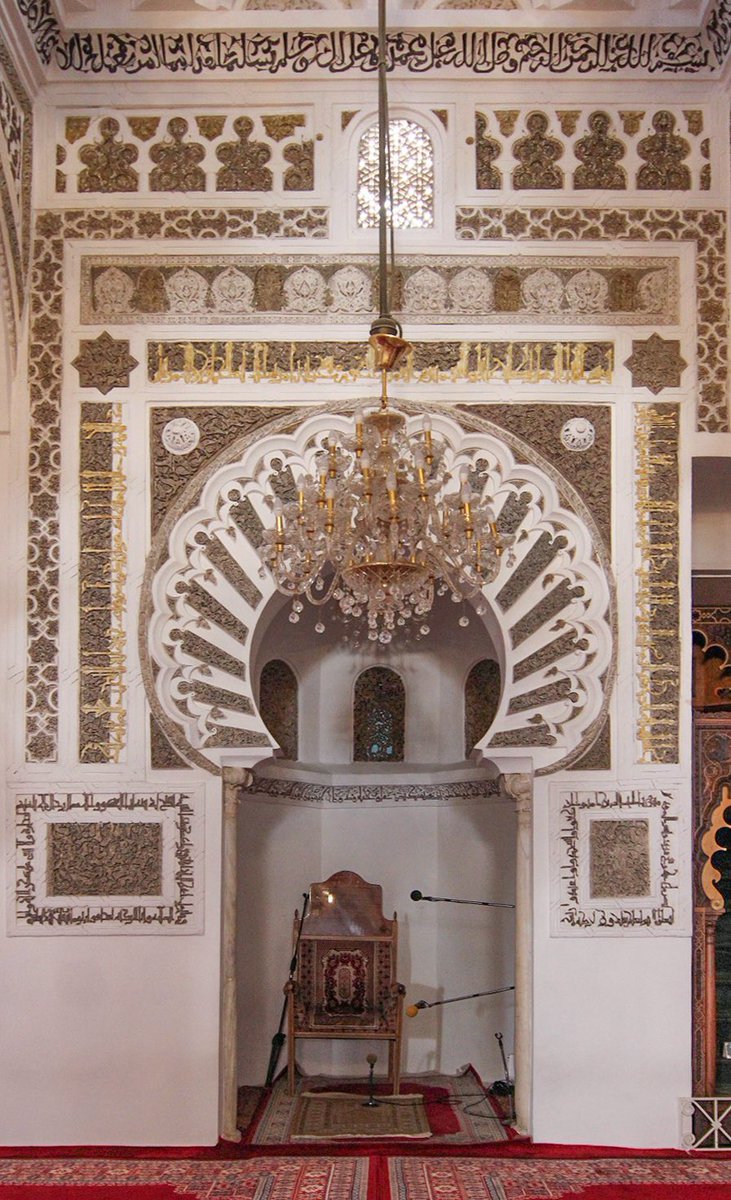
Saviez-vous que la grande mosquée de Tlemcen n’a pas toujours eu cette apparence ? C’est en effet le premier sultan zianide, Yaghmurasen U Zyan, qui l’a agrandie en faisant construire son minaret et sa cour, en y ajoutant un dôme nervuré ornemental, et en décorant son mihrab.
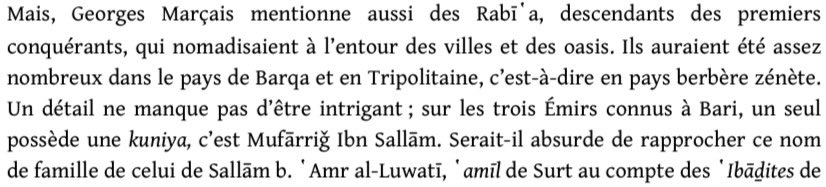
“The rulers of the Emirate of Bari are considered to be of (Berber) origins
Its founder Khalfun was from the Zenata tribe ، which lived in Barqa
The second ruler, Mufarrag ibn Sallam, was from the Lawata tribe.
The third and last ruler, Sawdan al-Mawri, was also Amazigh.”
ᛯ Not only the berber Kalbids and the Fatimids ruled Italy, there was also an berber emirate called Bari 847–871 , whose founders and rulers were of berber origin . " Khalfun ( founder ) - Elmufarraj - Sawdan al-mawri "
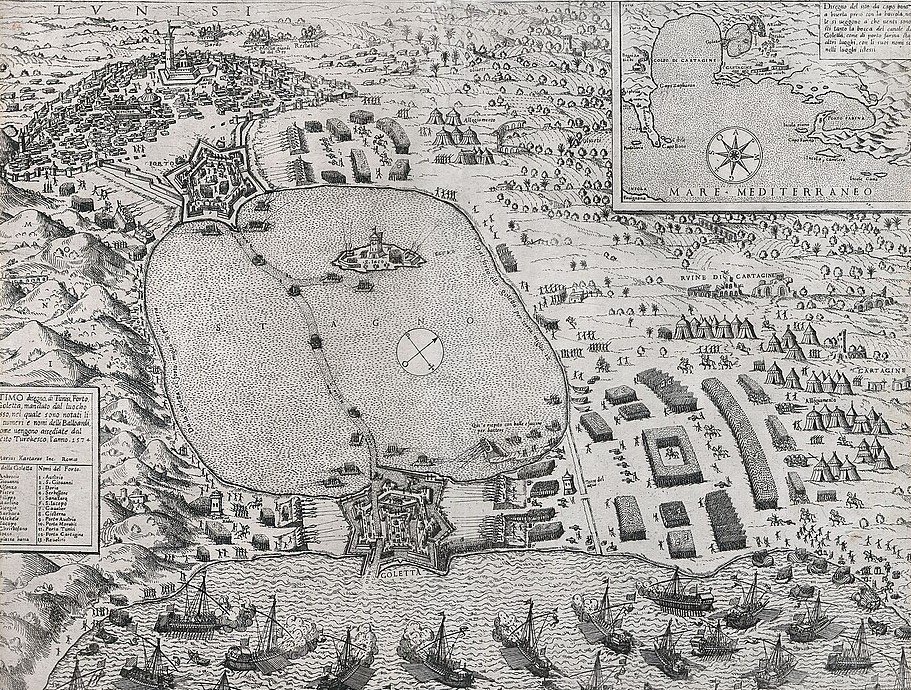
🇹🇳📜| Malgré la conquête de 1574, les Ottomans ne purent s’imposer en Tunisie et casser sa continuité étatique.
L’administration Ottomane fut brisée par le Beylicat : s'inscrivant dans la continuité des Hafsides, voire des Zirides, les Beys rétablirent l'héritage ifrīqiyien. ⬇️
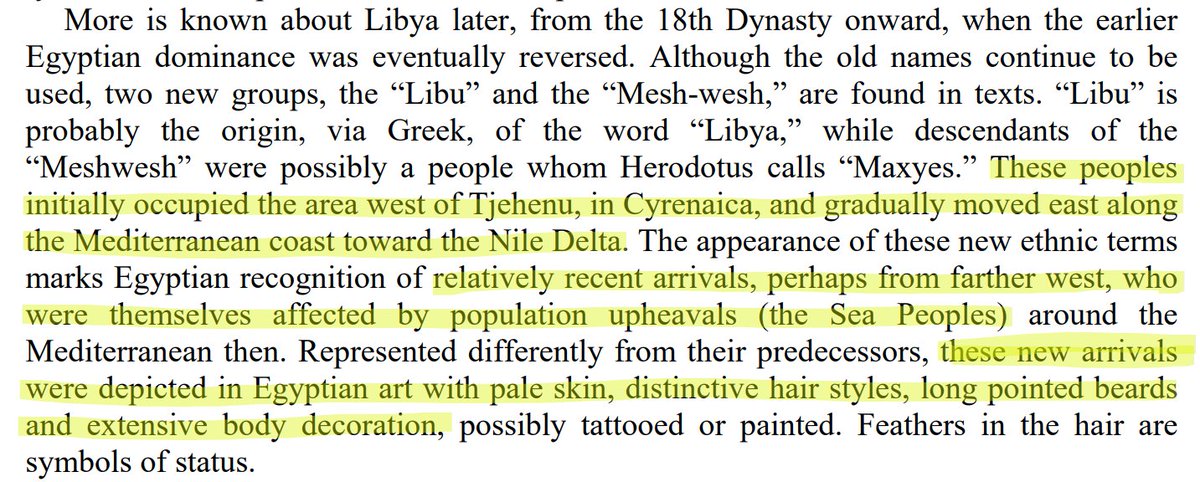
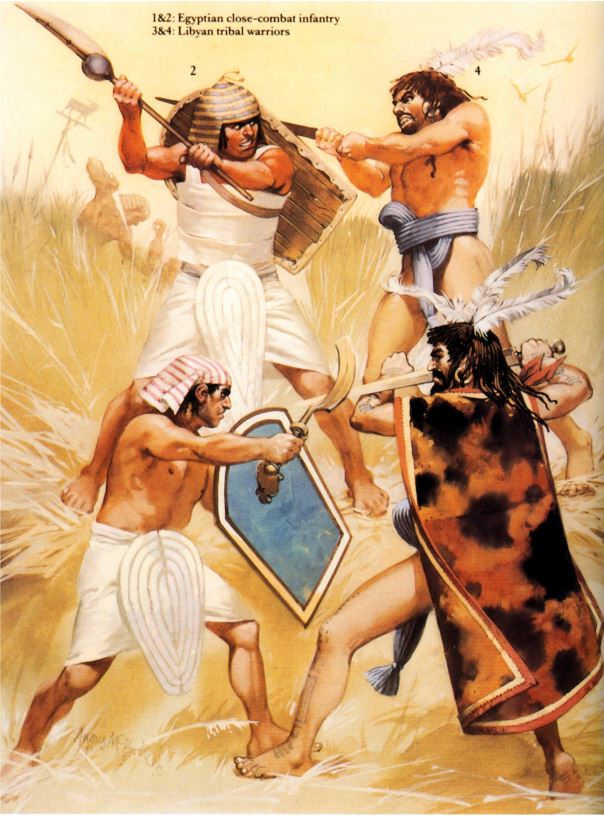
We often hear about the Sea Peoples raiding the eastern Mediterranean, but what about Africa? There is some evidence suggesting that during the Late Bronze Age collapse, waves of southern Europeans moved into NW Africa, forcing many local tribes to migrate eastward toward Egypt. Egyptian reliefs and literary sources record the appearance of new Libyan tribes in Cyrenaica, and their depictions differ noticeably from earlier representations of eastern Libyans. These newcomers are described and portrayed as fair-skinned (sometimes even blue-eyed and blond-haired) with long pointed beards reminiscent of later Numidians. They are also shown wearing tattoos and feathers in their hair, which appear to have served as status symbols.
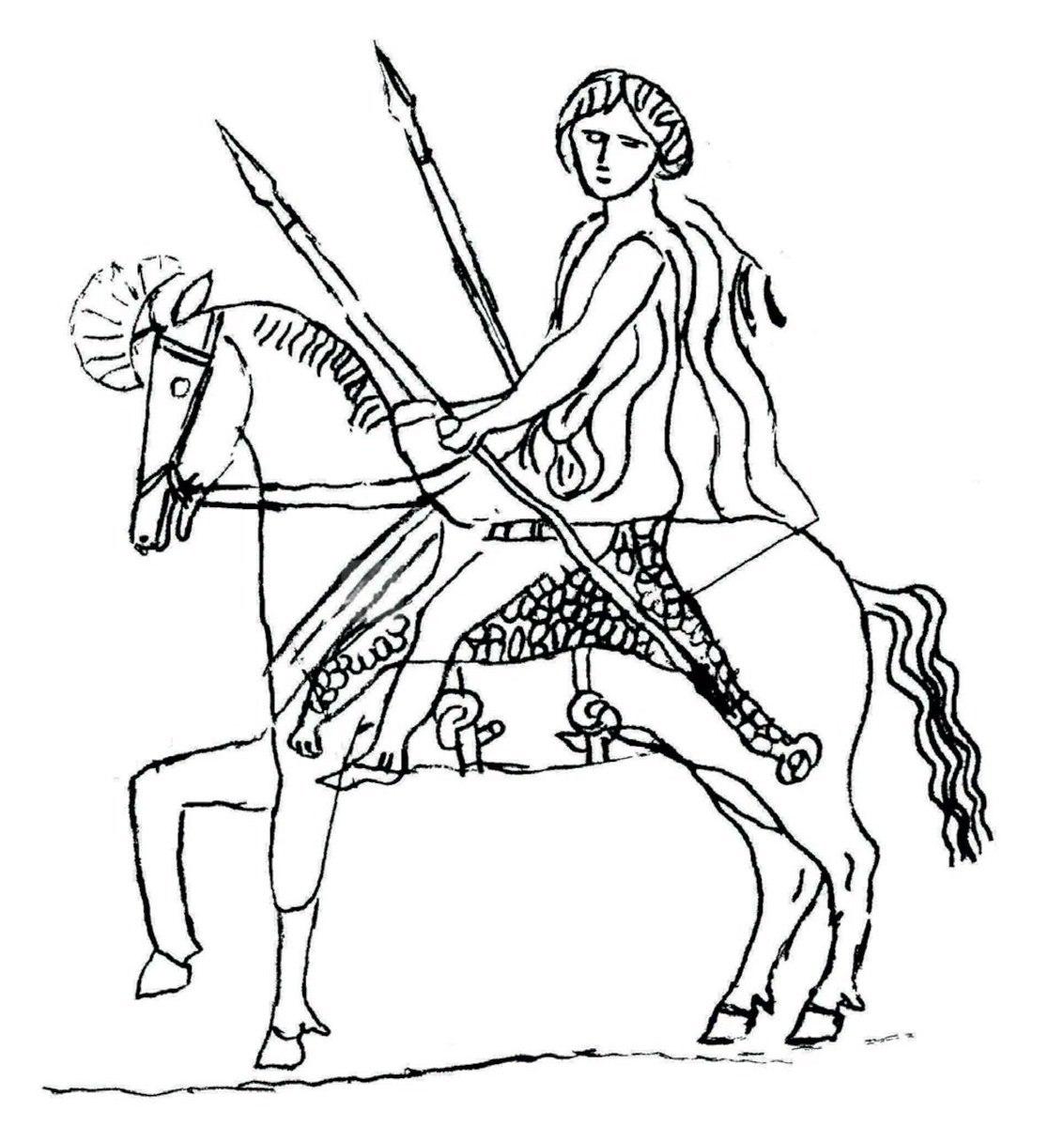
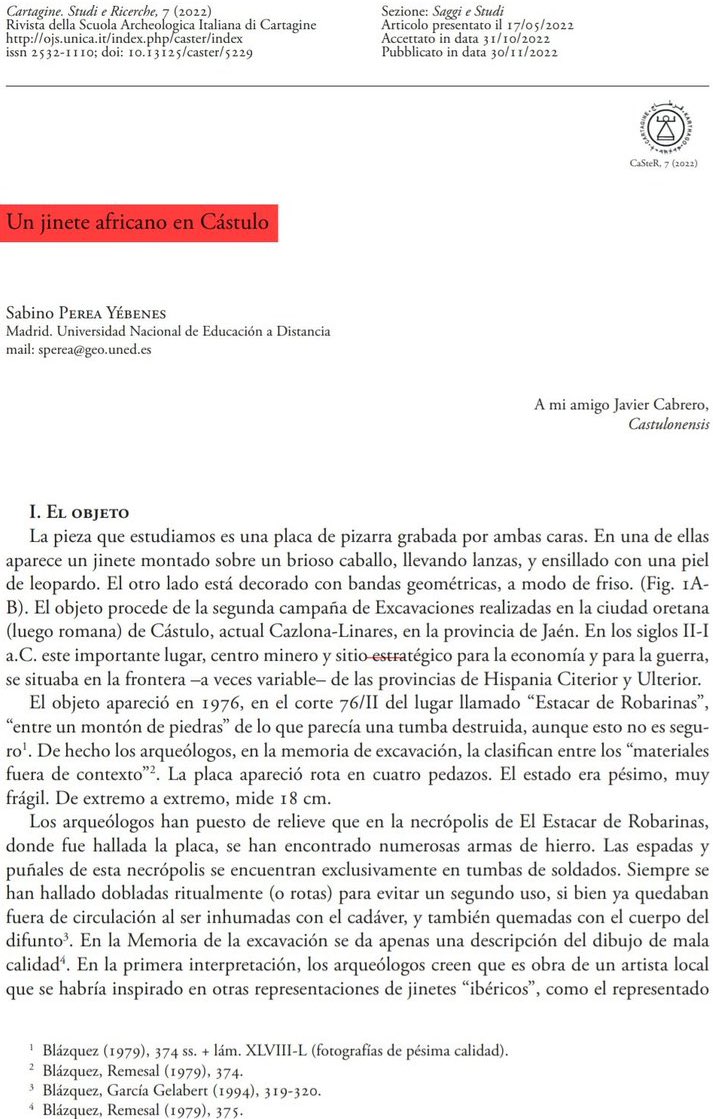
Reviving an berber cavalryman from the Second Punic War, during which the Carthaginian berber forces managed to crush the Roman forces in Spain.
It is considered likely that the cavalryman was Numidian or Moorish, according to a study entitled: “Un jinete africano en Cástulo”.