Lately, I’ve been focused on:
• Designing promotional graphics for real businesses
• Improving my frontend skills
• Building consistently
Here are a few things I’ve worked on 👇
I’ll be sharing:
– Design work & Web dev projects
– My progress as I get better
let's connect.❤️
I recently completed an Inbound Sales certification, and at the heart of everything I learned is the methodology of the inbound Sales and its practical application to real life context.
It was emphasised that every Sales process should be Human, helpful and holistic.
The holistic aspect stood out for me.
It means offering the very same packed value across various leads regardless of their job title.
In simple terms, it means treating everyone equally, you'll never actually see the full picture from a particular end.
The very same lead you underestimate in the Sales context could be an employee delegated to carry out research and report findings so a decision can be made.
Treating those leads lesser, of course automatically means you've lost a potential client.
This single scenario taught me deep things about life.
At the top, at the bottom, treat everyone respectfully.
In 2008, the global financial system was collapsing.
Banks were imploding.
Markets were in free fall.
Panic was everywhere.
Most investors were trying to survive.
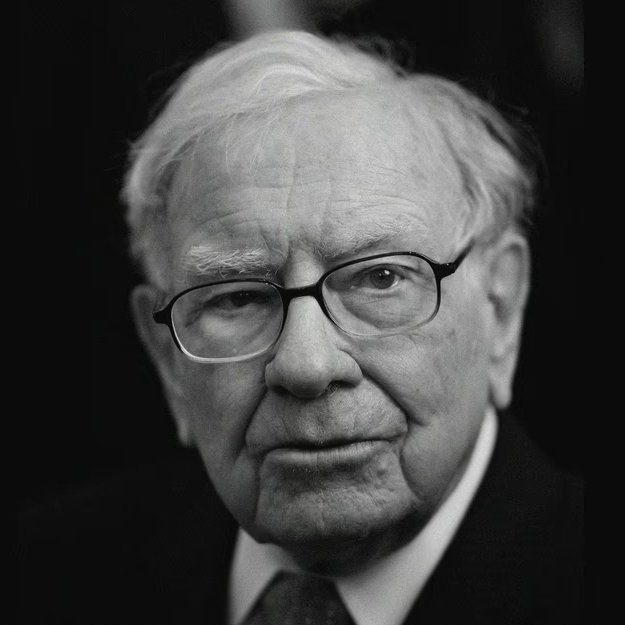
Warren Buffett was buying.
Not because he could predict the future perfectly.
Because he understood something rare:
In moments of mass fear, people stop pricing assets rationally.
Strong companies get treated like dying companies.
Temporary pain gets mistaken for permanent collapse.
While everyone else was desperate for certainty, Buffett was willing to act under uncertainty.
That’s the part people romanticize incorrectly.
Courage does NOT mean feeling calm.
It means functioning while everyone around you is emotionally breaking.
Buffett invested billions into companies like Goldman Sachs when fear was peaking.
At the time, many thought he was insane.
Years later, those deals became legendary.
But here’s the deeper lesson:
Extraordinary opportunities usually arrive looking like terrible ideas.
Because if the opportunity looked obviously safe, everyone would already be doing it and the upside would disappear.
Most people want exceptional returns without exceptional discomfort.
Markets don’t work that way.
The rewards go disproportionately to people who can:
* stay rational during chaos
* think independently
* tolerate temporary pain
* and move while others freeze
That’s why investing is less about finance…
and more about emotional control.
People think Warren Buffett became rich because he picks great stocks.
That’s only half the story.
The real engine was time.
Buffett bought his first stock at 11.
Most people notice the $100+ billion fortune.
Very few notice this:
The vast majority of his wealth came AFTER age 50.
Not because he suddenly became smarter.
Not because he discovered a secret strategy late in life.
Because compounding is brutally slow at first…
then violently exponential.
If you earn 20% once, it’s nice.
If you earn 20% every year for decades, reality starts to bend.
Buffett understood something most people psychologically cannot tolerate:
The first years look unimpressive.
Small gains.
Boring progress.
No status.
No visible transformation.
That’s why most people interrupt compounding before it becomes powerful.
They:
* chase faster wins
* constantly restart
* panic during downturns
* withdraw too early
* switch strategies every 6 months
Buffett stayed in the game long enough for time to do the heavy lifting.
His fortune is less a story about intelligence than endurance.
The uncomfortable truth:
Compounding rewards consistency more than intensity.
And the biggest returns often come in the final stretch after most people already quit.
Bill Gates is often used as proof that “hard work guarantees success.”
But his story also proves something else:
Luck, chance, and risk quietly decide far more than people admit.
As a teenager, Gates attended The Lakeside school
One of the VERY few schools in the world with access to a computer in the late 1960s. That accident of timing alone changed his life.
Then he met Kent Evans.
Kent wasn’t just a friend. He was Gates’ intellectual equal, maybe even more ambitious.
They spent endless nights talking about the future, programming together, and planning the businesses they’d build. Gates later said Kent was the person who pushed him to think bigger.
At 17, Kent died in a random mountaineering accident.
One slip.
One moment.
One life erased.
No Microsoft for Kent.
No billions.
No history books.
After Kent’s death, Gates partnered more deeply with Paul Allen, and the rest became tech history.
That story should humble everyone.
Success is never just talent and discipline.
It’s:
- being born at the right time
- meeting the right people
- surviving random disasters
- getting access others never had
- and avoiding the risks that quietly wipe out equally capable people
For every Bill Gates, there are thousands of Kent Evanses the world never got to see.
Manager: I need you to work this Saturday.
Me: No problem I might be late though, transport's slow on weekends.
Manager: What time will you get here?
Me: On Monday
Lately, I’ve been focused on:
• Designing promotional graphics for real businesses
• Improving my frontend skills
• Building consistently
Here are a few things I’ve worked on 👇
I’ll be sharing:
– Design work & Web dev projects
– My progress as I get better
let's connect.❤️
yesterday while I cooked dinner for my son, he was so mature and said, "one day i’ll help you with bills, groceries, and expenses."
my eyes teared up
he’s a 33 year old crypto trader