For those of you that are also present elsewhere 👇🏻
We intend to remain here on X / Twitter as well, at least whilst there remains interest in arachnids and our posts
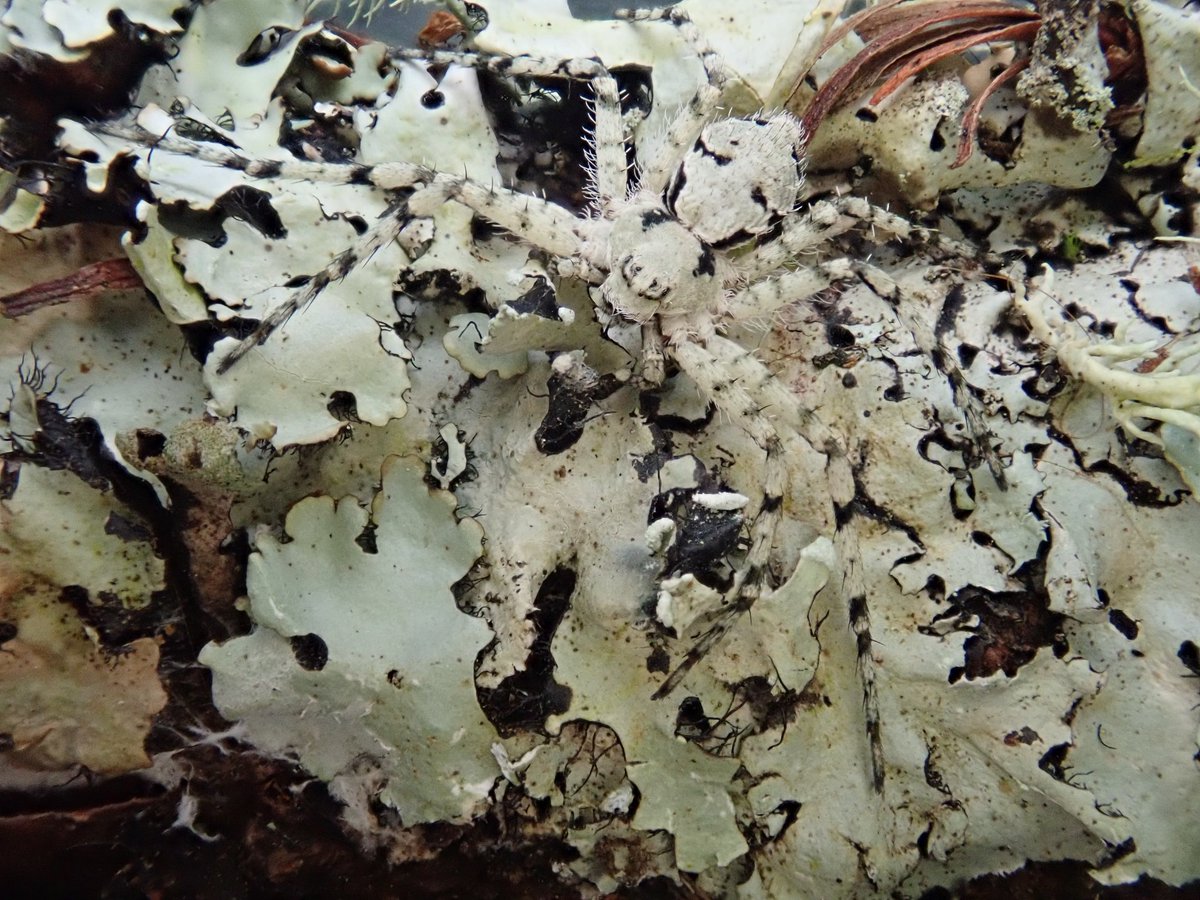
Excellent spiders from @CwallWildlife Cabilla NR - new site and hectad for Philodromus margaritatus and Agyneta innotabilis, new site for Hyptiotes paradoxus, and a 25mile hike west for Trematocephalus cristatus - the 2nd Cornish site for it. @BritishSpiders@cofnod@graemelyons
@Tegwyn777 @BritishSpiders@cofnod I think either would be new to Pembrokeshire, a very good find. There's a lot mote to do in the county, I'm always itching to check the woods around Canaston Bridge. I was in Milford last week, unfortunately had no time to escape to do any spidering!
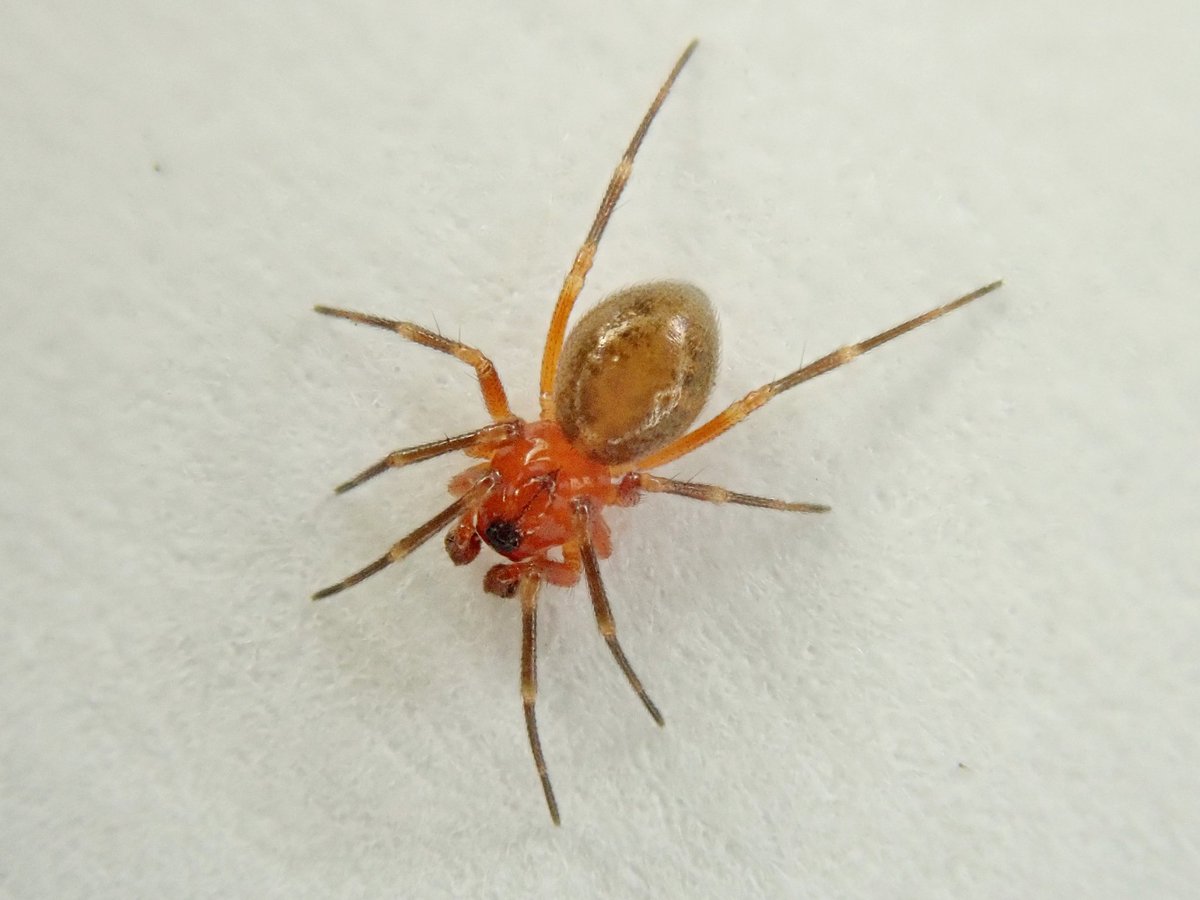
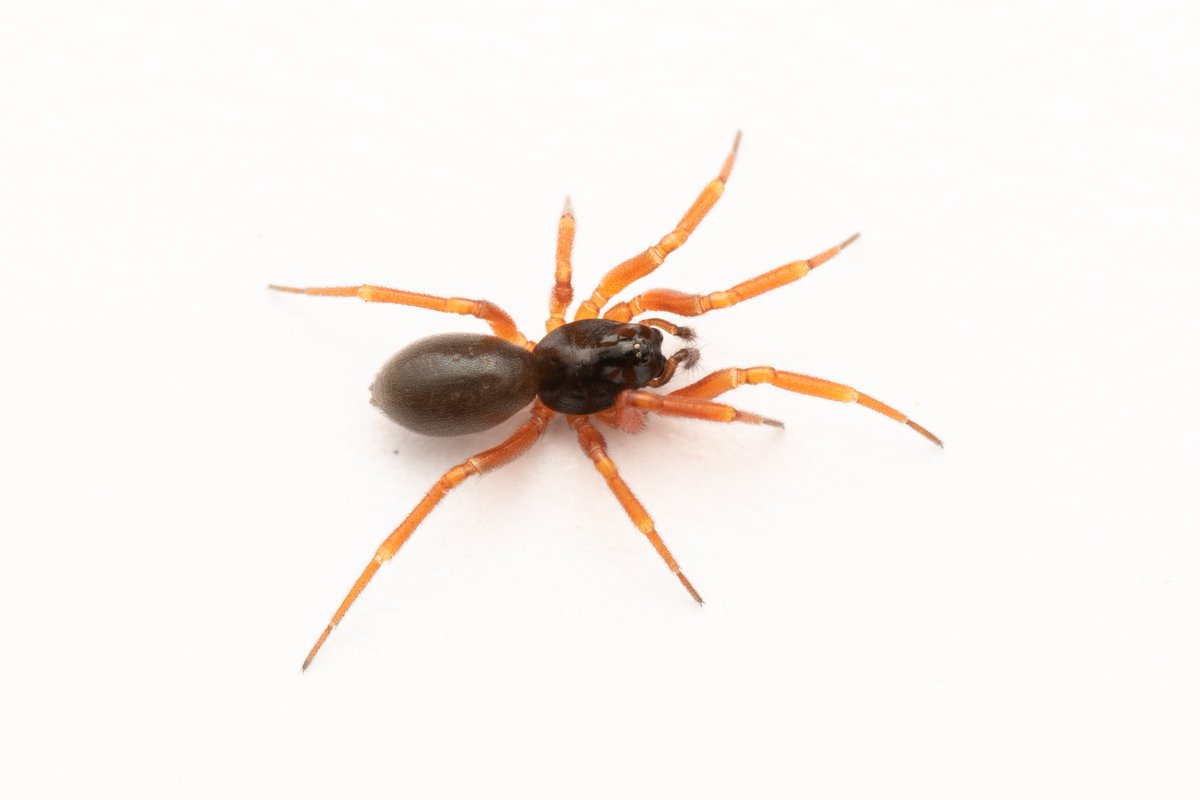
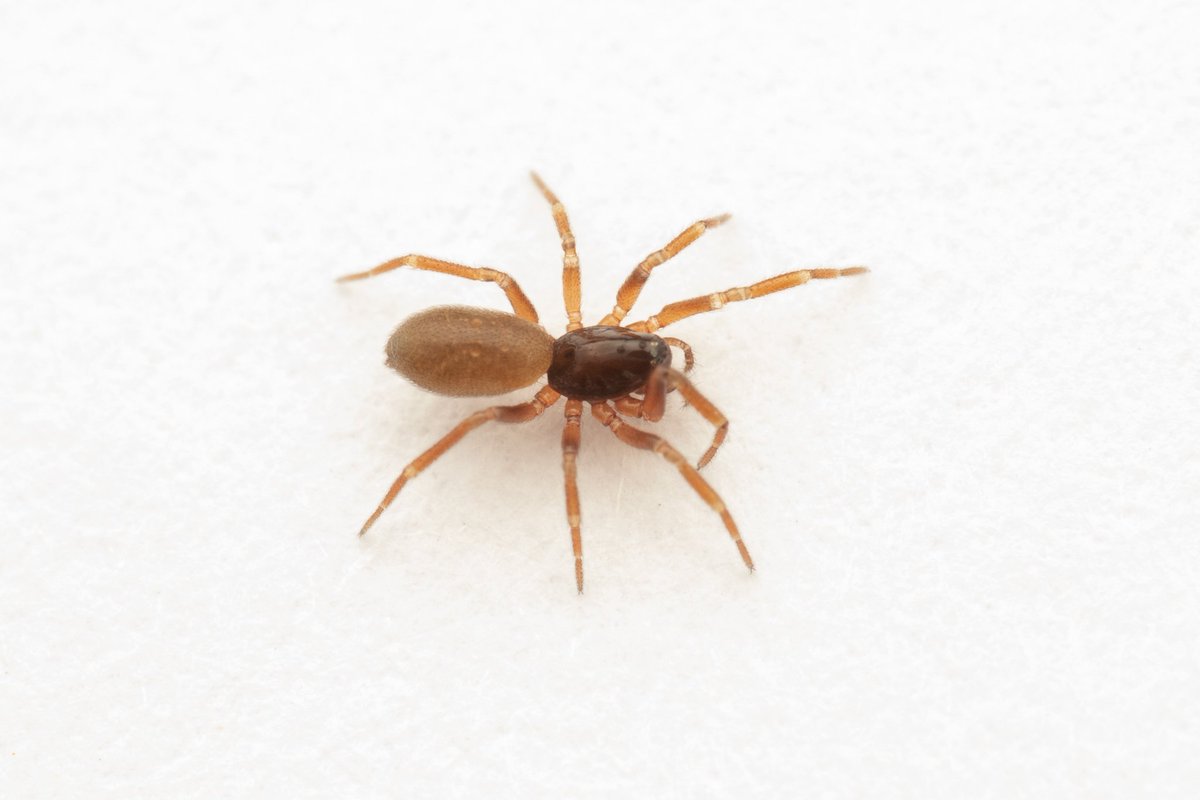
@Tegwyn777 @BritishSpiders@cofnod Looks like every A. sturmi I have ever seen, a darker spider with even darker shoulder marks to the abdomen. Every A. triguttatus I've seen has been quite bright red/orange. Where were the pines?
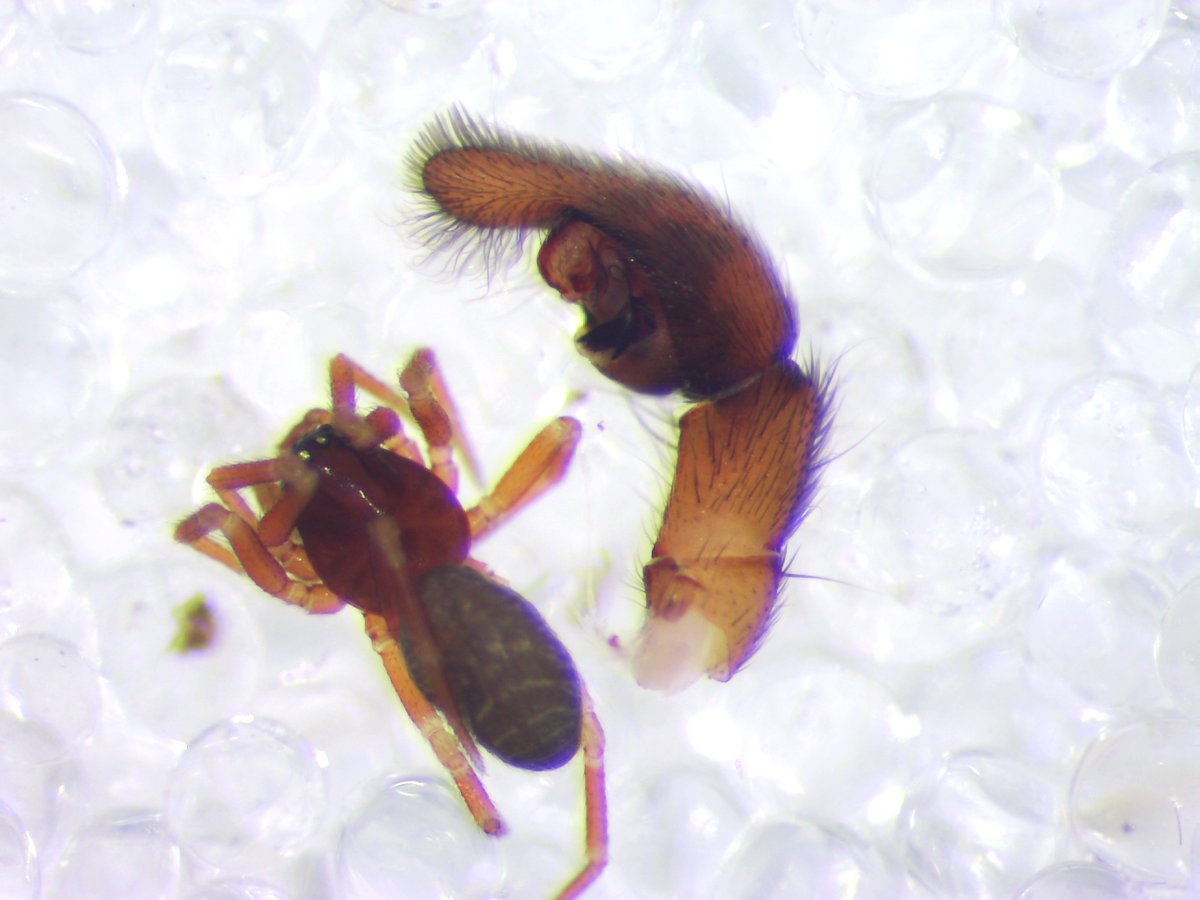
A new species for me Walckenaeria obtusa, I do not see any records for this in west sussex, an old record in east sussex from the late 60's
@BritishSpiders#spiders#arachnid#walckenaeria
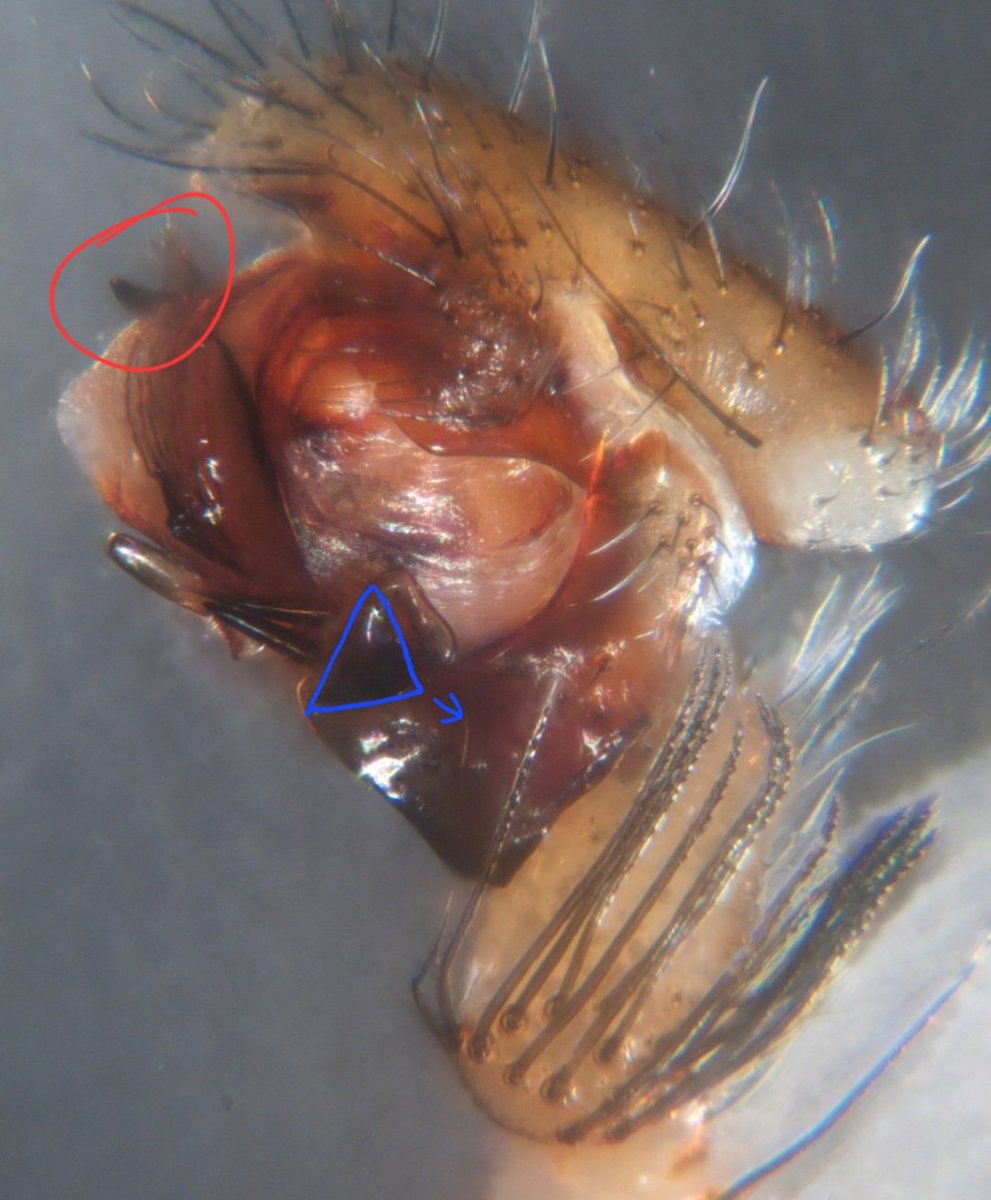
@andydouglas1967 This is C. bicolor for me. The tooth in blue appears as though the end of the paracymbium is folded and pointing back on itself. There's also more going on at the end of the palp in red (scientific term there!!).
@TBeetles @ecology_digest @BritishSpiders Brill, thanks. I saw Z. silvestris amongst a few others that I don't see in the deep southwest when I was there a few years ago.
@andydouglas1967 I'd say C. concinna. C. bicolor has a more pronounced hump at the top of the cymbium (red) and has a tooth on that points backwards on the paracymbium (blue). I see hundreds of C. concinna, but not many bicolor here - in my experience the latter is always a bigger spider.
@arableplants@cofnod@BritishSpiders@NHarnser @chalkspring Very nice indeed. I've seen immatures of this and noted that they appeared more hairy than the G. occidentalis I see here. Yours also seems quite hairy!
This glorious specimen came running over as we knelt in the rain on a shingle spit in May. Confirmed today by @cofnod as Gnaphosa lugbris. A ground spider of epic charisma and proportion! @BritishSpiders@BerryTylan@NHarnser @chalkspring
@arableplants@BritishSpiders@NHarnser Possibly, but I have no idea what might cause it. Maybe diet induced as this can happen when they eat red inverts.