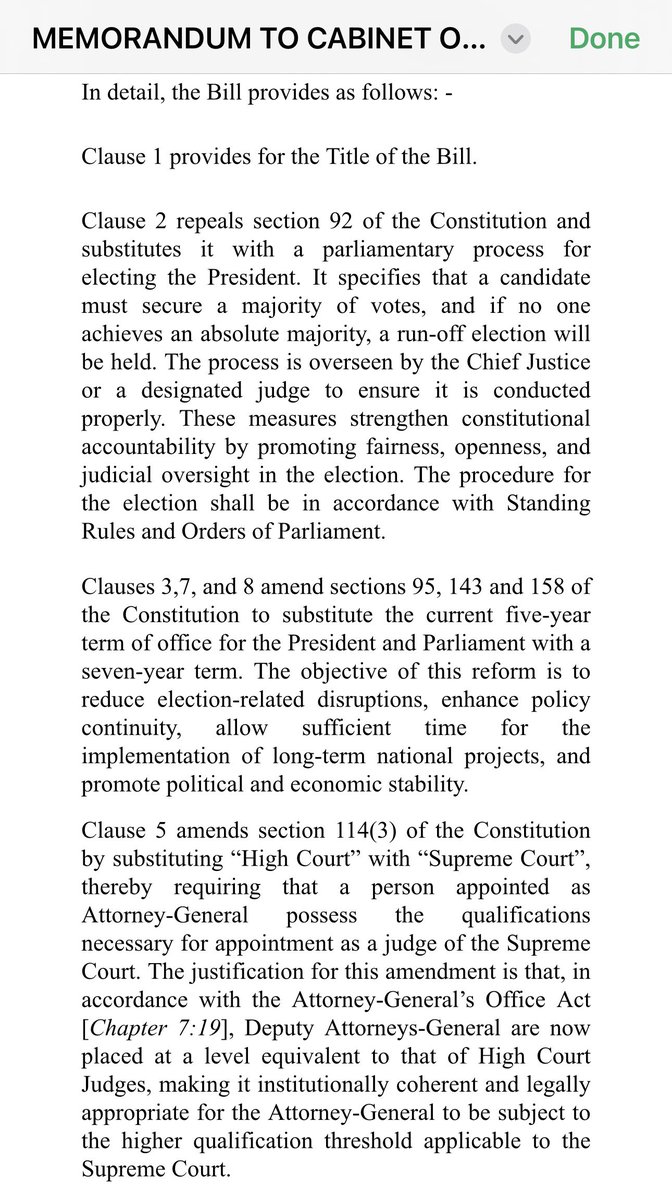
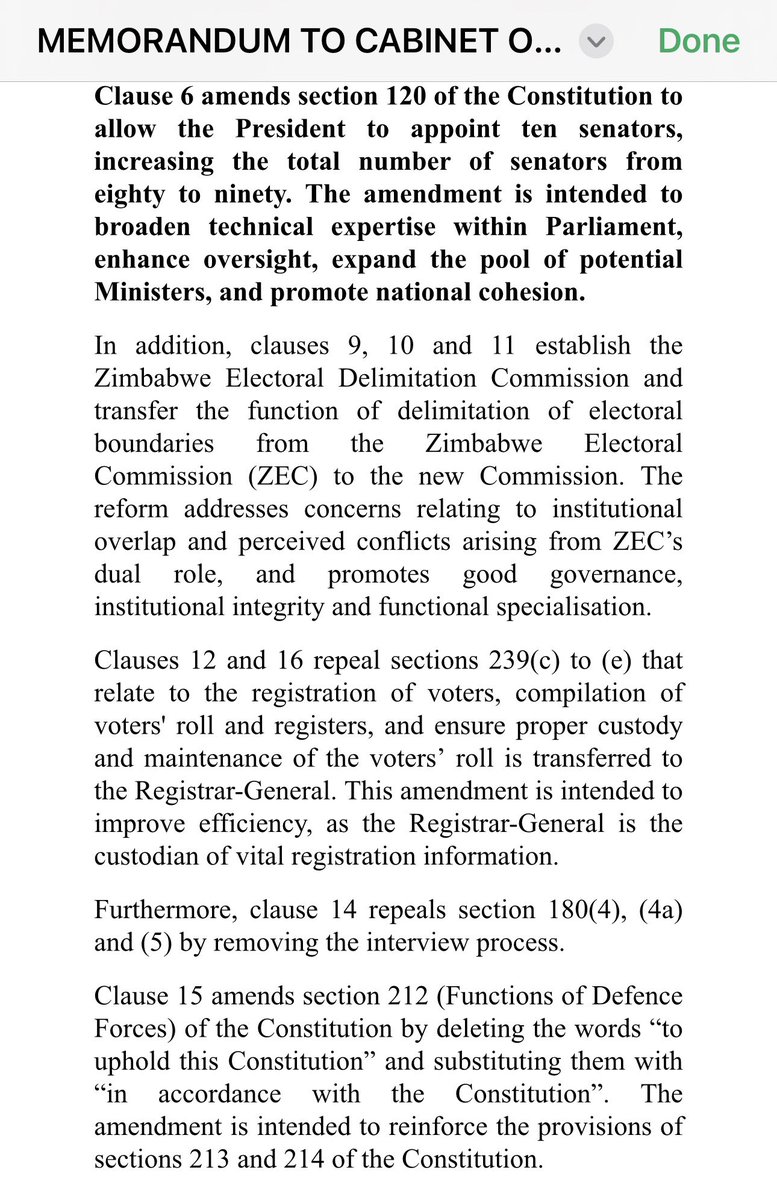
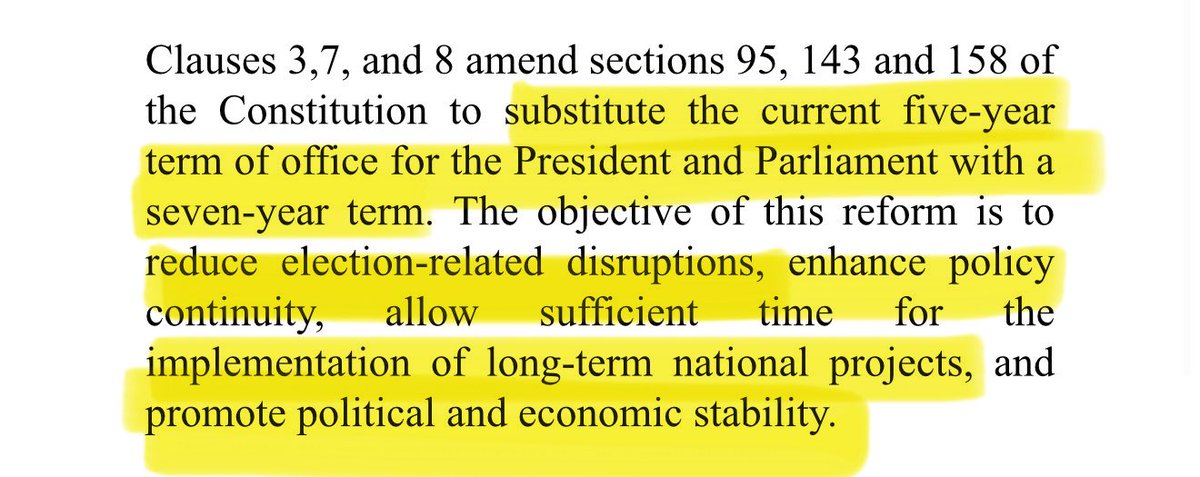
🔸In the proposed Constitutional amendments, Zanu PF wants to extend the term of the President and Parliament from a five-year term to a seven-year term.
⛔️What stops them from extending it further to a ten-year term, then a twenty-year term and then eventually doing away with terms altogether? What stops them from replacing Parliament with a system of Monarchy?
⛔️If they were elected for 5 years by the people, why are the people being left out of the decision to extend this “mandate”?
⛔️Why is the political right to vote viewed as a “disruptive inconvenience”? Is that how they view the public? As an inconvenience that disrupts them?
⛔️Why are they afraid to seek a fresh mandate? If they are doing well, surely they’ll be voted back? How can you take the people out of politics and maintain the pretence of democracy?
⛔️Why are national projects being tied to personalities with unfettered power instead of to strong institutions? Why do they believe the country won’t continue without them? What do they think will happen when they become incapacitated or die?
It’s a mess.
We need new leaders.🇿🇼
#HandsOffOurConstitution
🔸They said they were removing Mugabe because he had stayed in power too long - only for them to now seek to change the Constitution to allow them to stay in power beyond the limits we had in place for Mugabe.
What a mess.
We need new leaders.🇿🇼
#HandsOffOurConstitution
At this critical juncture in our nation’s history, the people of Zimbabwe, represented by the church, civil society, students, labour, the informal sector, academics, young people, women, political parties, among others must convene and chart a way forward for the country. The regime in Harare cannot be allowed to butcher our constitutional democracy while we watch in silence!
President Emmerson Mnangagwa is planning to fundamentally change the Zimbabwean Constitution in a way last seen in 1987 when ZANUPF brought the executive presidency.
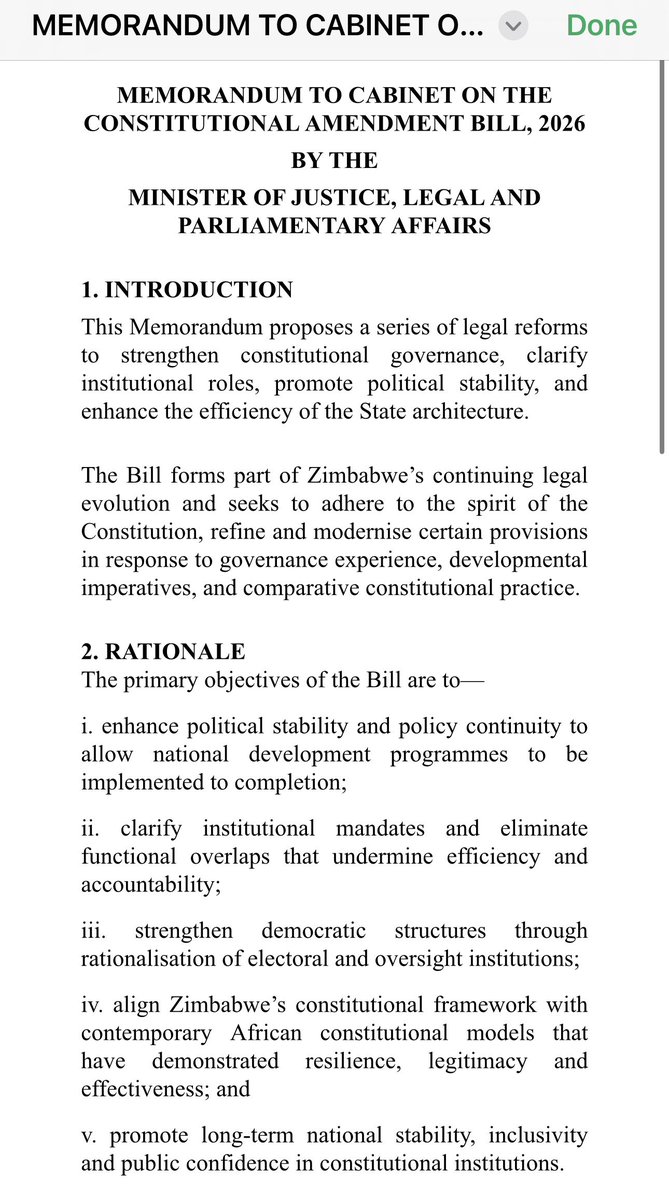
According to documents leaked to the media, a memorandum with these changes is set to be presented to Mnangagwa’s rubber-stamp Cabinet today.
Sweeping constitutional changes are being proposed that fundamentally alter how Zimbabwe is governed, how its President is elected, and how key democratic institutions function.
These proposals signal a far-reaching restructuring of the State that consolidates executive power, weakens electoral accountability, and extends political tenure beyond what is currently provided for in the Constitution.
1. Removal of direct presidential elections.
Shifting the election of the President from a public vote to Parliament removes citizens’ direct say in choosing the Head of State. In a dominant-party system, this effectively guarantees that the ruling party’s parliamentary majority decides the presidency, reducing electoral competitiveness and public legitimacy.
2. Extension of presidential and parliamentary terms.
Moving from five to seven years lengthens the period voters must wait to remove an underperforming government. Longer terms entrench incumbents, reduce accountability cycles, and delay democratic renewal, especially where institutions are already weak.
3. Increased presidential influence in Parliament.
Allowing the President to appoint ten more senators expands executive influence over the legislature. Appointed senators often vote with the appointing authority, weakening parliamentary independence and oversight.
4. Transfer of voters’ roll to the Registrar-General.
Moving custody of the voters’ roll from the electoral commission to the Registrar-General raises credibility concerns. The Registrar-General’s office has historically been viewed as executive-aligned, so this shift will undermine confidence in electoral transparency and independence.
5. Fragmentation of electoral management.
Creating a separate Delimitation Commission removes boundary delimitation from ZEC. While framed as reducing overlap, splitting electoral functions will create coordination problems and open space for political manipulation of constituency boundaries.
6. Weakening judicial appointment transparency.
Removing the public interview process for judicial appointments reduces openness. Public interviews were designed to enhance scrutiny, merit assessment, and public trust in the judiciary. Their removal will now politicise appointments.
7. Security sector constitutional dilution.
Changing the Defence Forces’ duty from “to uphold this Constitution” to acting “in accordance with the Constitution” weakens the strength of their constitutional obligation. The original wording imposed an active guardianship role, while the new wording is more passive.
8. Abolition of the Gender Commission
Scrapping the Zimbabwe Gender.
Commission and merging its functions into the Human Rights Commission risks downgrading gender-specific oversight. Dedicated institutions exist because gender equality requires focused monitoring and enforcement.
Taken together, the amendments centralise authority around the executive, extend tenure, influence Parliament, reshape electoral systems, and dilute independent oversight. The cumulative effect may be institutional weakening rather than strengthening.
🔸Regarding proposals to amend abortion laws, my humble view is that this must never be an elite, rushed decision made by a few politicians and known to a handful of small groups.
As things stand, I can assure you that the majority of Zimbabweans know very little about the current legal position on abortion. Fewer people know what the proposals will mean for girls, women and our society generally. Most are unaware that this critical issue is before Parliament.
I urge a responsible, sensibly-moderated, bipartisan, detailed, national conversation based on data, sentiment and clear objectives be had for any changes are made. Extensive information and education must be shared and debated exhaustively across the cross-section of our society. This is a nuanced area of the law which cannot be legislated on whim, caprice or any other wrong basis.
All facets of each side of the argument must be discussed and thought through before we end up with unintended consequences either way.
If any changes are to be made, they will be hollow if there is no widespread buy-in from the people. So even if reform is to happen, it will benefit from this wide consultation before the law is amended - if that is to be the case.
I so advise.
We need new leaders.🇿🇼
🟡The @AJEnglish#GoldMafia documentary has been translated into Shona. Zimbabwe has become a crime scene where looters raid the nation as the masses suffer in poverty. Please share this link to the Shona translation of the documentary: https://t.co/lXtDJcm3c4
#RETWEET
🔸Dear @BlessedGeza,
Please call for protests weekly cause this is when bonuses are announced. Pamwe mafufu arikupihwa macivil servants anowandirira.
We need new leaders.🇿🇼
@Eliasmdzuri You had been reduced to an empty vessel. We once adored you as a democrat back then. Who don't see corruption? Does it need to be documented to show and tell it is corruption? Nyarai mhani!!!