I don't think FIFA refs are biased against specific countries, only against all that is beautiful, good, and pure that flickers briefly into existence in this fallen world.
Work-from-home uniforms, 18th century. The long coat, known as a banyan, was typically made from silk brocades, damask, or printed cottons, sometimes quilted for warmth or featuring a fashionable cuff. They were commonly worn with an undress cap or a turban.
“Make up a random number of minutes for injury time. Now, ignore the amount of minutes you picked. Lull the team in the lead think it’s over and give the other team a chance to score. Goal, good. Now, go check the VAR booth to extend the drama and we eat more TV time. Overturn the goal and add 7 minutes to the initial random number of minutes you picked. Ok end it.“
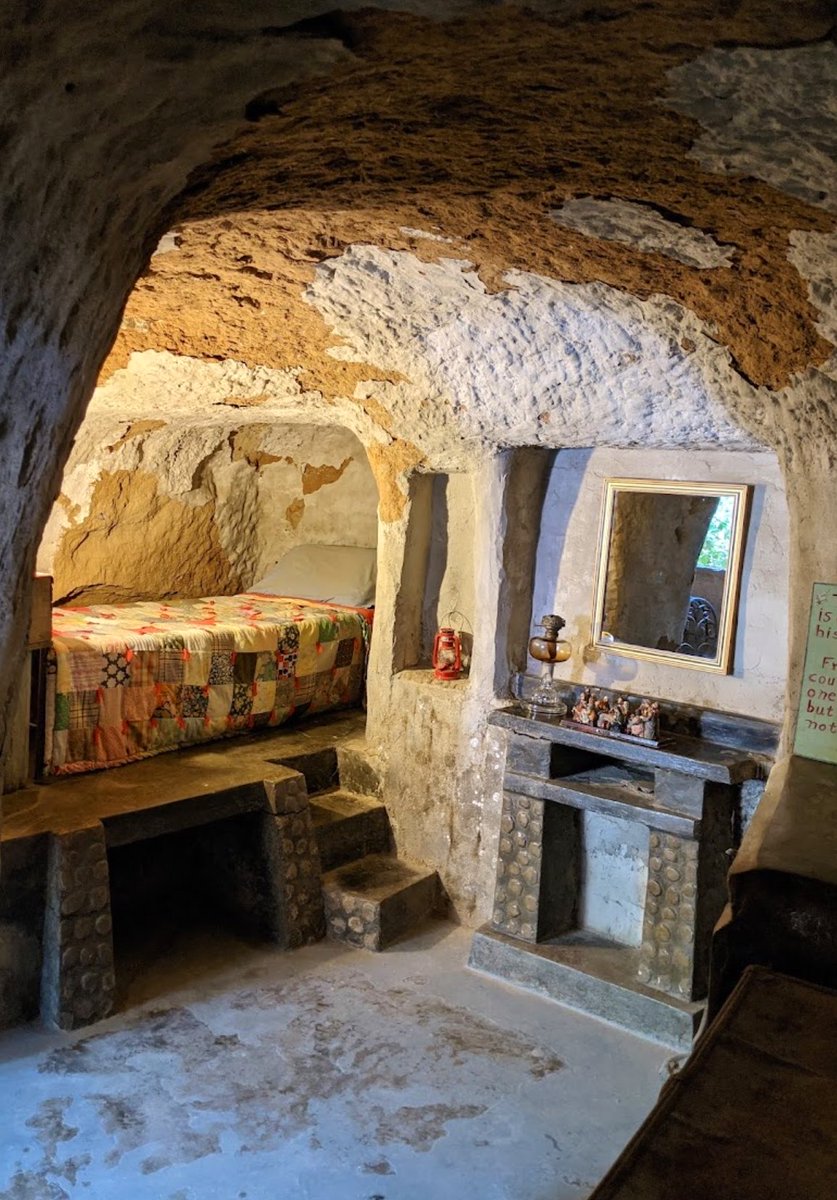
In the early 1900s, a Sicilian immigrant looked at California’s summer heat and decided the answer wasn’t a better house.
Baldassare Forestiere arrived in the San Joaquin Valley expecting to grow citrus. The ground gave him hardpan instead: a dense, cement-like layer under the surface that fought roots, held water, and made a normal orchard almost useless.
So he started digging.
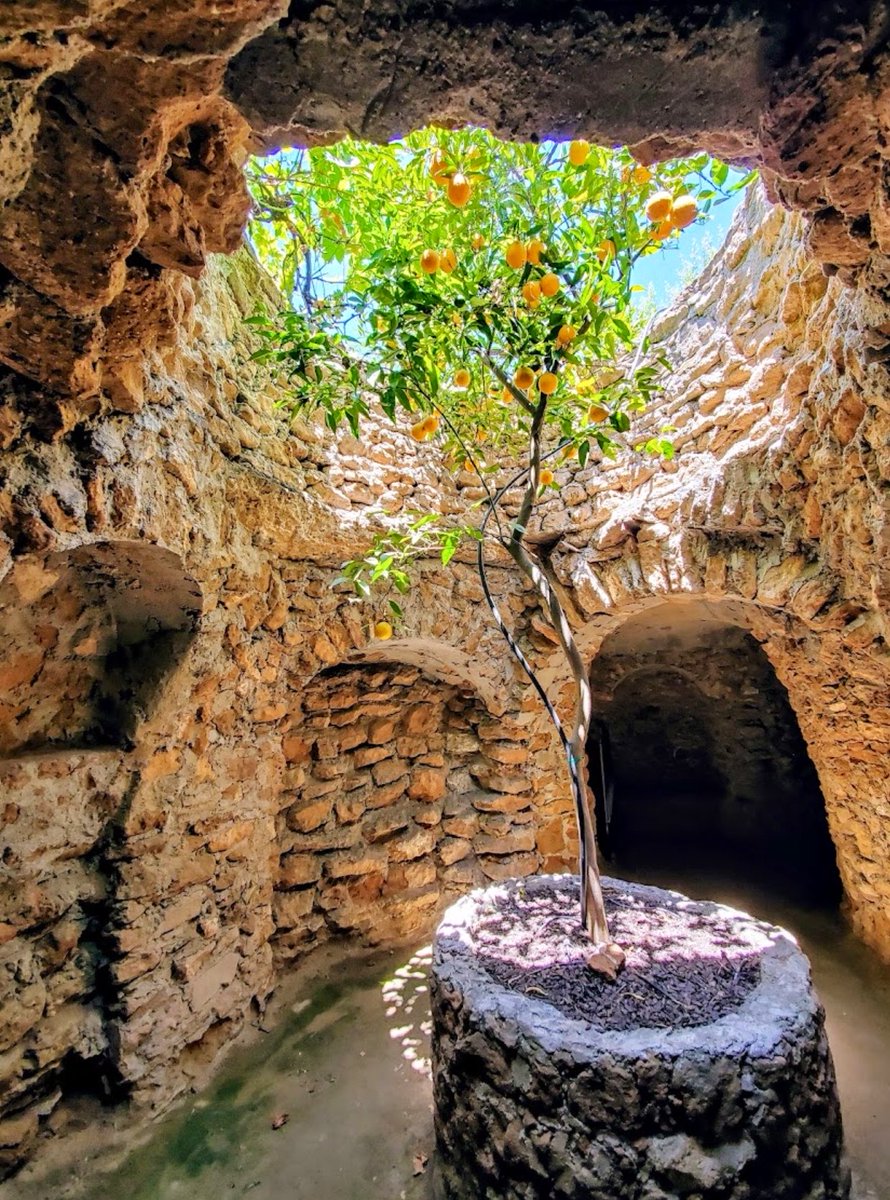
For nearly forty years, mostly by hand, Forestiere cut almost ten acres under Fresno into rooms, tunnels, arches, courtyards, and gardens. Sun came down through openings. Air moved through shafts. Oranges, lemons, grapefruit, grapes, and pomegranates grew from sunken courts, with the worst of the San Joaquin Valley heat left above them.
He had no architecture degree. No engineering firm. No machinery doing the real work. Just hand tools, Sicilian memory, and a problem that kept getting deeper the longer he answered it.
The Forestiere Underground Gardens are usually treated like a roadside oddity. That undersells them. This is immigrant architecture, climate adaptation, stubborn farming, and one of the strangest built landscapes in America all sitting under the same patch of Fresno.
A failed orchard became a buried world.