Greek yogurt only becomes confusing when sugar enters the picture.
Once flavors, syrups, or sweeteners dominate, the product shifts from a protein-focused food to something closer to dessert, even if the protein number still looks impressive.
They need to be repeatable. These Blinkit options work better because they don’t overload sweetness, fats, and flavors into one product.
Instead, they lean on protein, fiber, or whole-food fats to do the job snacks are supposed to do: keep hunger quiet without creating
Affordable snacks can work — but only if you read past the front label.
This list shows how different categories behave once you check sugar sources and processing.
What stands out here:
✅ Yogurt → sugar mostly from milk
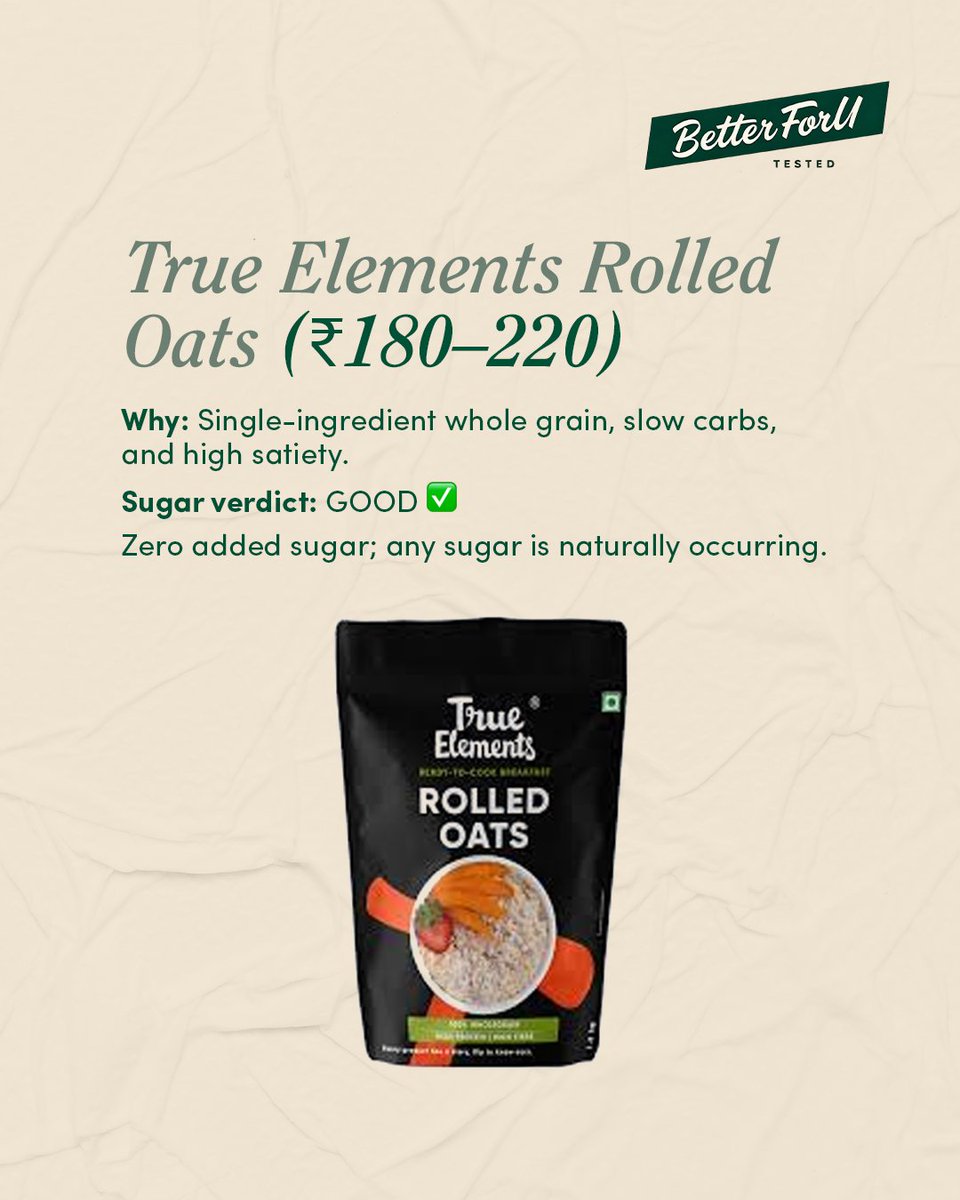
✅ Oats → zero added sugar, high satiety
Quick delivery doesn’t change how food works, it just changes how fast we choose it.
These Blinkit finds stand out because they rely more on recognizable ingredients than on positioning. They’re not pretending to be “clean,” “diet,” or “superfood.”
Plain yogurt doesn’t sell itself, and that’s exactly why it works.
When the ingredient list stays short and sweetness isn’t baked in, yogurt becomes flexible. You decide how it’s eaten, when it’s eaten, and what it’s paired with.
Not all yogurt belongs in your daily routine, even when it’s sold as one.
Most flavored yogurts in the U.S. are built for taste first.
That’s why they score high ratings and feel satisfying in the moment, but often behave more like desserts than staple foods.
High protein doesn’t have to mean expensive or extreme. This Blinkit cart stays under ₹500 by leaning on everyday foods instead of fancy packaging.
How this cart works:
✅ Paneer + milk = protein backbone
✅ Roasted peanuts and makhana for crunch
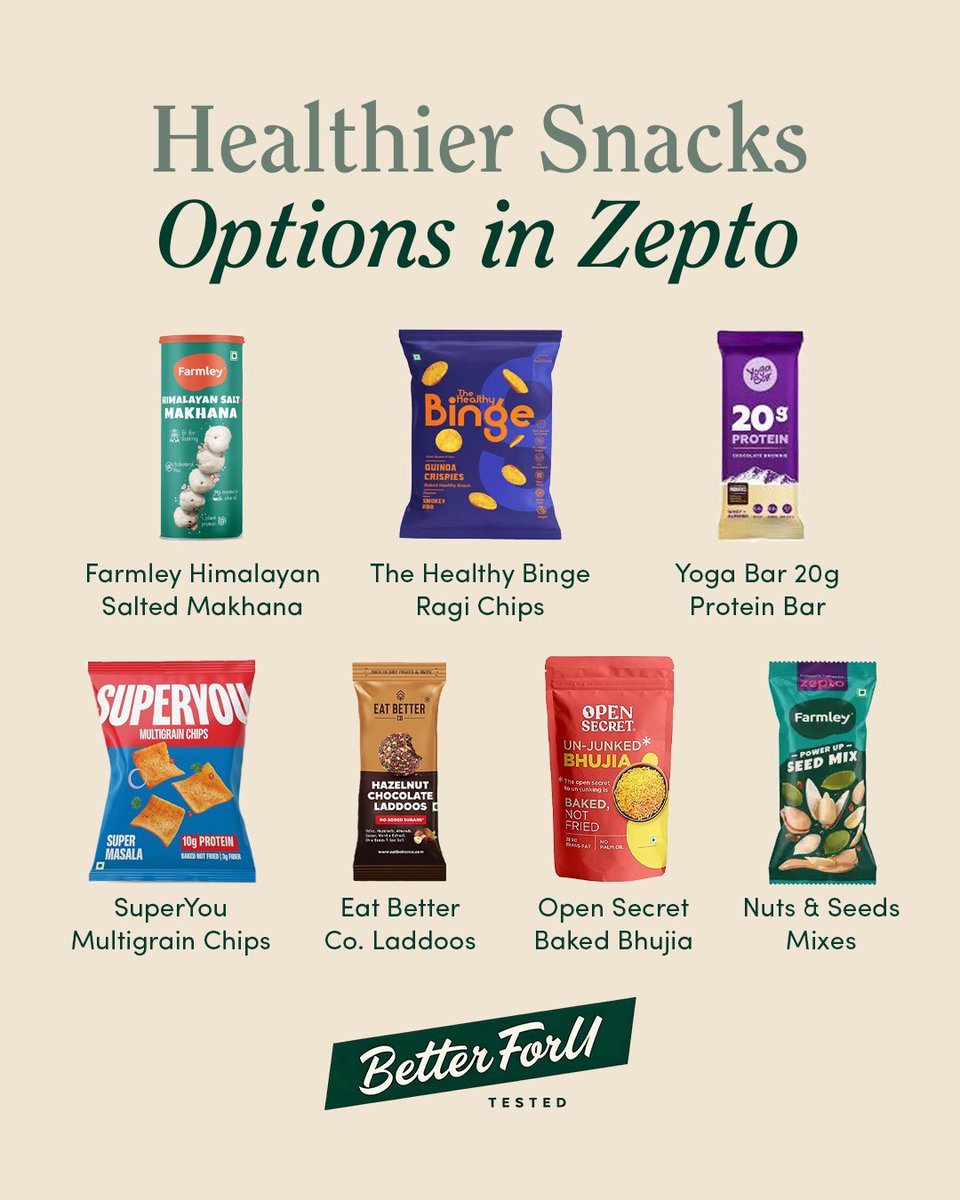
Scrolling Zepto can feel overwhelming, but there are decent finds if you know what to look for.
This mix works because it balances crunch, protein, and simplicity.
Why these picks stand out:
✅ Millet and ragi-based snacks over refined flours.
✅ Greek yogurt with natural
These brands tend to focus more on readable ingredient lists and less on candy-style engineering.
What they do better:
✅ Dates, nuts, or simple sweet sources.
✅ Fewer sugar alcohols.
✅ Less reliance on palm fats.
✅ Labels that read like food.
A lot of protein bars look great on paper… until you read the ingredients. 😬
Across many Indian brands, the same patterns keep repeating.
What shows up often:
❌ Maltitol or sorbitol as main sweeteners
❌ Hydrogenated or palm-based fats
❌ Candy-bar style coatings
Yogurt is one of the easiest places for sugar to sneak in, especially when fruit and flavors get involved. 🥣🇮🇳
Most flavored cups are designed to taste like a treat, not like a daily protein food.
Why we skip some yogurts most days:
👎 Added sugar listed clearly on the label
Peanut butter is one of those foods where the ingredient list tells you almost everything. When you line these jars up, a clear pattern shows up fast.
What all these brands have in common:
✅ Peanuts as the main ingredient
✅ Salt only (or none at all)
✅ No added sugar
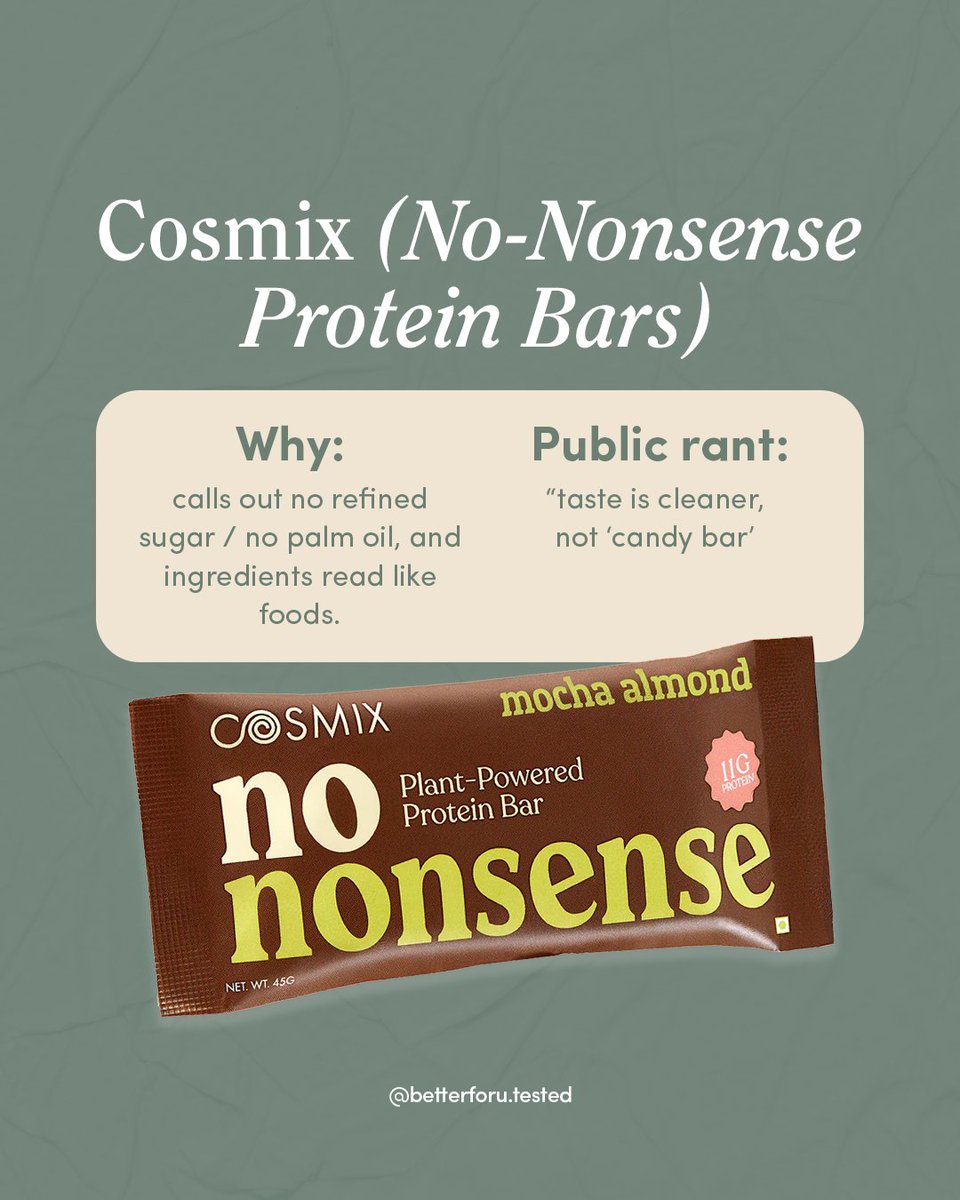
These bars aren’t perfect, but their labels are easier to stand behind.
They focus more on ingredient clarity and less on candy-style engineering.
Why these work better:
✅ Shorter, readable ingredient lists
✅ Clear sweetness sources
✅ Fewer texture tricks
Some protein bars look like gym food… but behave like candy bars.
These bars usually rely on sweeteners and palm oils to recreate dessert textures.
Common patterns we see:
❌ Sugar alcohols high on the list
❌ Palm or palm-kernel oils
❌ “Protein candy bar” mouthfeel
“Healthier” snacks don’t announce themselves loudly. Most of the time, they’re quieter: baked instead of fried, simpler instead of flashy, and built around grains, nuts, or legumes rather than flavor systems.
US peanut butter shelves are loud, bold claims, smooth textures, long ingredient lists. 🥜🇺🇸
Some jars are built for taste and shelf life first. Others stay closer to what peanut butter actually is.
Peanut Butter (India): Skip vs Buy. 🥜🇮🇳
Most peanut butters don’t fail because of calories, they fail because of additions.
Many popular Indian jars use sugar and hydrogenated oils to lock in that smooth, no-stir texture. It tastes familiar.
Building a high-protein cart doesn’t have to feel complicated or expensive.
This Zepto cart stays under ₹500 by mixing daily staples with a few packaged snacks that actually make sense together.
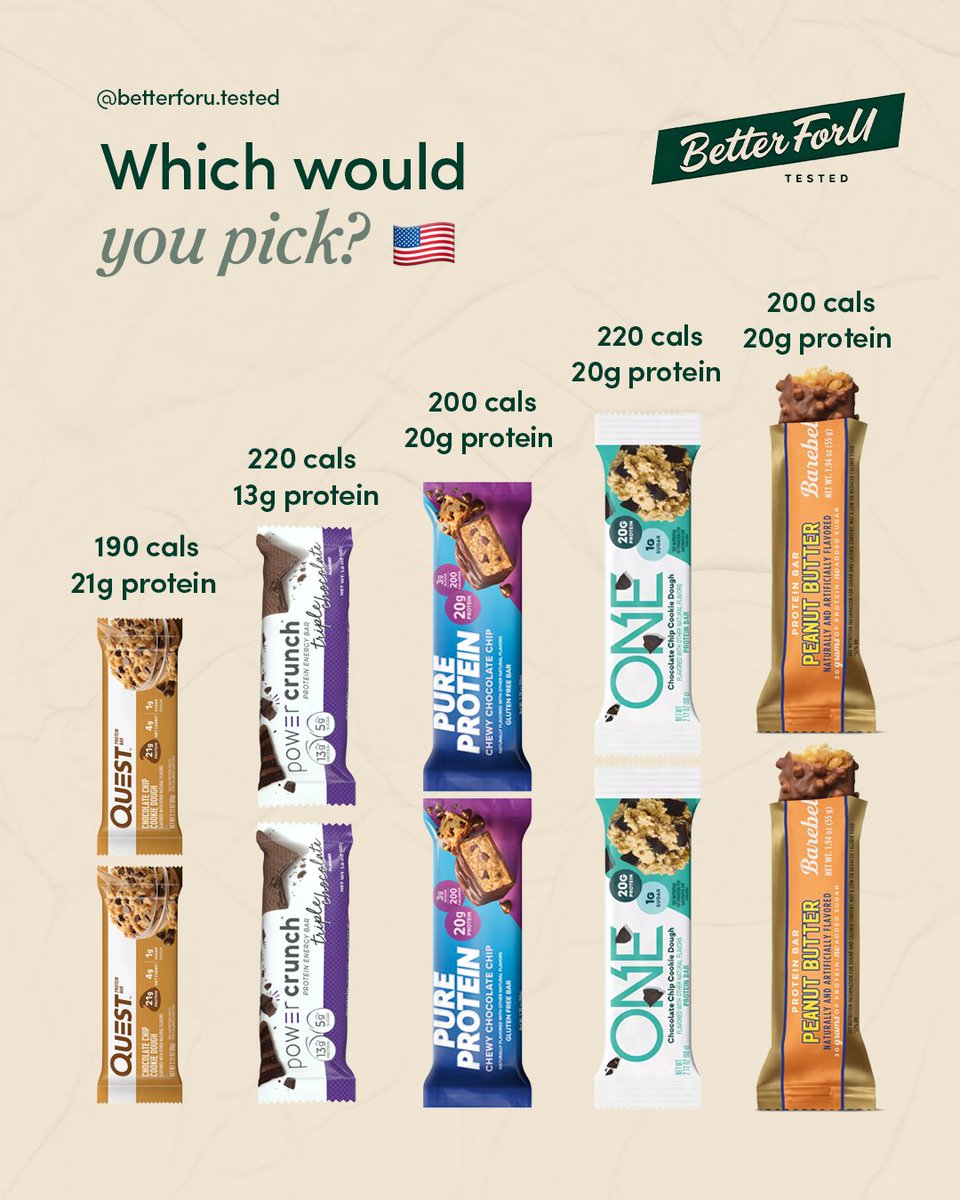
Protein bars and wafers often get grouped together, but they don’t behave the same once you look at the label.
Some bars focus on higher fiber and chewiness, which can help with fullness.
US RTD protein shakes may look similar in the fridge, but their labels tell very different stories.
Some of these shakes are clearly built for maximum protein, even if calories climb along with it.