A charity. Thought leaders on food security matters for ten+ years. Serious stuff. So we do fun things too, like The Game, a food crime musical, et al.
Our friends @BhamFoodCouncil have created another opportunity for leaders to explore future risks to food security later this year. You’ll have the chance to explore this complex issue at an immersive event held in Oct @MillsandReeve in Birmingham.👇
https://t.co/i7NzWOJlwb
🥔 The UK no longer has any small or medium farms growing new potatoes.
🥔 Guy Singh-Watson founder of @Riverford said this is the first year it has been impossible to source British early potatoes for his boxes. He called it part of a wider “tragedy” of smaller UK fruit and vegetable growers quitting in the face of low returns, post-Brexit labour shortages and extreme weather.
🥔 A Riverford survey found that 49% of horticulture companies fear imminently going out of business.
“Indeed, they are going out of business. Around the south and southwest, there were lots of small family farms, who grew 10 to 100 acres of potatoes. They just all got fed up with the returns and the work and they have given up. The last one who grew down on the ‘Golden Mile’ down near Penzance gave up last year and we haven’t been able to find [any],” said Singh-Watson.
A large number of the farmers who brought tractors to a protest in London in March are in the horticulture sector, and fruit and vegetable shortages in supermarkets last year were linked to declines in the sector.
Smaller new potato farmers have tended to be on the coast because they are frost-free and can harvest early. “These early [new] potatoes have traditionally been grown on family farms, originally dragging seaweed off the beach to fertilise the farms. Those are the ones that are particularly suffering. The whole middle of horticulture has been hollowed out,” said Singh-Watson.
Jersey Royal potatoes continue to be produced from the self-governing crown dependency. But in the UK, production appears now to be left to larger growers with thousands of acres in east and central England, Singh-Waton said.
Gerard Croft at the British Potato Trade Association said even bigger players had few new potatoes this year because the ground was so waterlogged in spring after months of rain.
“The southwest has been the worst hit, it’s had a torrid time. A lot of the crop went in very late. Supplies have been very, very hand to mouth: supply is tight,” said Mark Taylor from the industry group GB Potatoes.
But the area of land used for horticulture has shrunk by 6.3 per cent since 2022, to just 2 per cent of all agricultural land in England. Rebecca Laughton, horticulture campaigns co-ordinator at the Landworkers Alliance, said shoppers could help smaller fruit and vegetable growers by avoiding supermarkets and buying direct from farmers and box schemes.
Labour has promised to help growers with procurement rules for hospitals, schools and the public sector to get 50 per cent of their food from local or sustainable sources.
“But it needs to be enshrined into law. Because otherwise who is going to enforce it, who’s going to monitor it? There needs to be budget for it too,” said Will White from the charity Sustain, who was speaking at the Groundswell Agriculture Festival on June 26.
https://t.co/PMIxkb8Q0B
It’s still astonishing that a UK government decided on this own goal. What were they thinking? Not about UK food security that’s for sure https://t.co/knIsN47LyZ
@petticrewmark We're beginning talks re ano musical to follow on the food crime one, Mark.
Yup, VAT! The Musical!
Working title.
(If you'd forgotten about #TheHandThatFeeds, glance through this:
https://t.co/MokB7c7Thh)
@petticrewmark Ditto makers and promoters of confectionery, crisps, soft and fizzy drinks, booze — all the edible products that carry standard rate VAT.
Oh, and fags, vapes et al too of course.
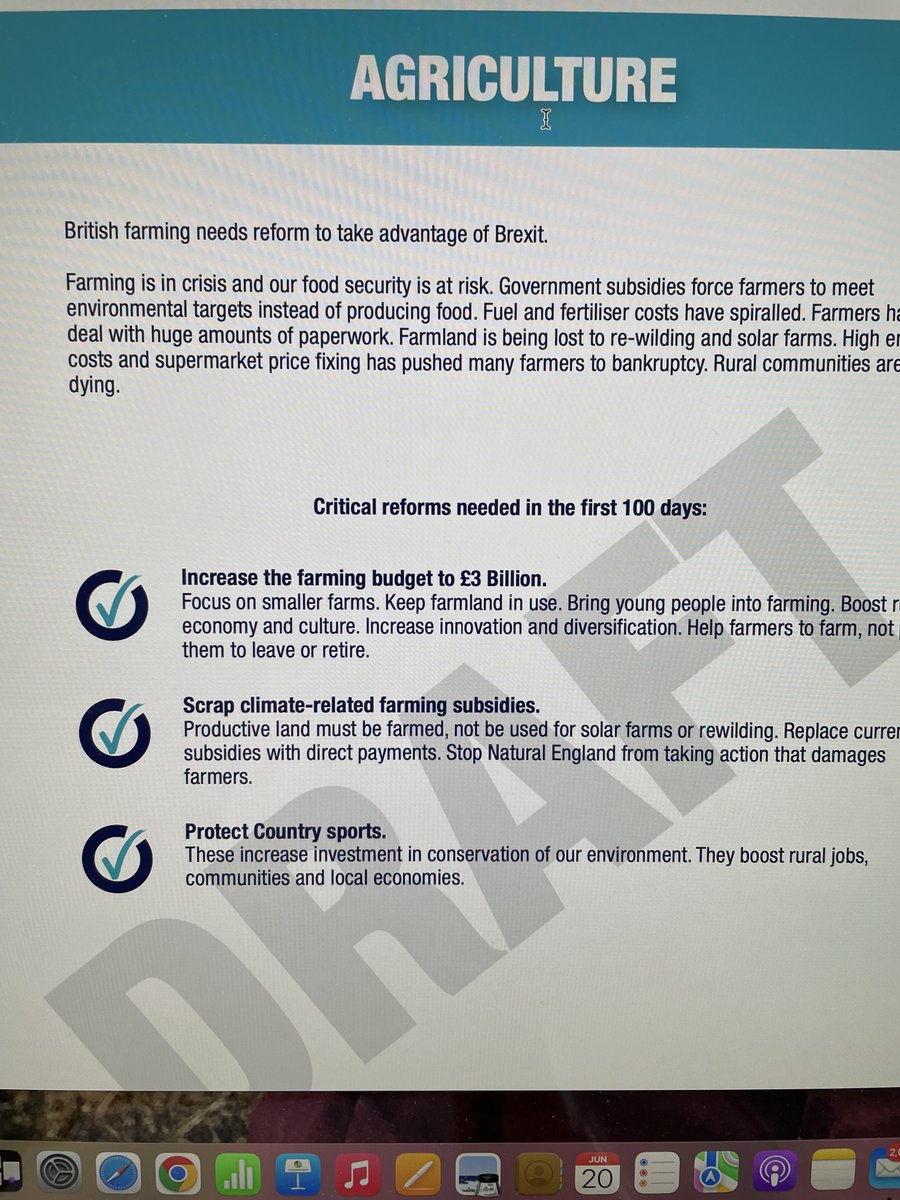
@in_bloke @thehistoryguy We need reform to take advantage of Brexit ‘cos farming is in crisis and our food security is at risk.
That view may change. It is, after all, is only a draft manifesto, sorry, contract.
@chrisgreybrexit “negotiate a veterinary agreement to prevent unnecessary border checks and help tackle the cost of food.”
Why no mention of phytosanitary controls? Who knows?
@chrisgreybrexit “We will reduce food prices by removing barriers to businesses trading.”
And as part of improving UK’s trade and investment relationship with the EU . . .
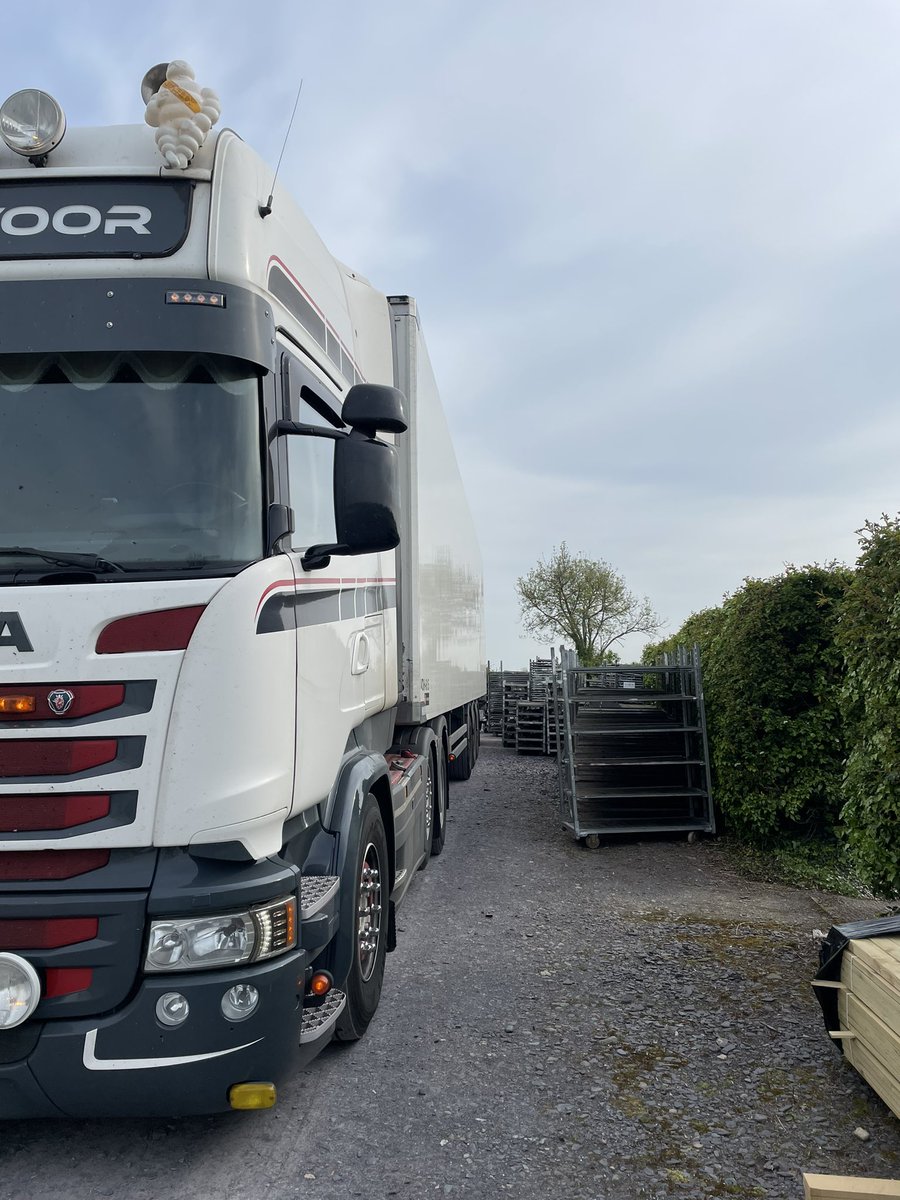
First truck in today, 12 hours delay at port, full cuc, £145, full checks so also full unloading fee of £681.19.all this added to EU phyto costs €270 and increased transport costs……#BrexitDisaster





![LizWebsterSBF's tweet photo. 🥔 The UK no longer has any small or medium farms growing new potatoes.
🥔 Guy Singh-Watson founder of @Riverford said this is the first year it has been impossible to source British early potatoes for his boxes. He called it part of a wider “tragedy” of smaller UK fruit and vegetable growers quitting in the face of low returns, post-Brexit labour shortages and extreme weather.
🥔 A Riverford survey found that 49% of horticulture companies fear imminently going out of business.
“Indeed, they are going out of business. Around the south and southwest, there were lots of small family farms, who grew 10 to 100 acres of potatoes. They just all got fed up with the returns and the work and they have given up. The last one who grew down on the ‘Golden Mile’ down near Penzance gave up last year and we haven’t been able to find [any],” said Singh-Watson.
A large number of the farmers who brought tractors to a protest in London in March are in the horticulture sector, and fruit and vegetable shortages in supermarkets last year were linked to declines in the sector.
Smaller new potato farmers have tended to be on the coast because they are frost-free and can harvest early. “These early [new] potatoes have traditionally been grown on family farms, originally dragging seaweed off the beach to fertilise the farms. Those are the ones that are particularly suffering. The whole middle of horticulture has been hollowed out,” said Singh-Watson.
Jersey Royal potatoes continue to be produced from the self-governing crown dependency. But in the UK, production appears now to be left to larger growers with thousands of acres in east and central England, Singh-Waton said.
Gerard Croft at the British Potato Trade Association said even bigger players had few new potatoes this year because the ground was so waterlogged in spring after months of rain.
“The southwest has been the worst hit, it’s had a torrid time. A lot of the crop went in very late. Supplies have been very, very hand to mouth: supply is tight,” said Mark Taylor from the industry group GB Potatoes.
But the area of land used for horticulture has shrunk by 6.3 per cent since 2022, to just 2 per cent of all agricultural land in England. Rebecca Laughton, horticulture campaigns co-ordinator at the Landworkers Alliance, said shoppers could help smaller fruit and vegetable growers by avoiding supermarkets and buying direct from farmers and box schemes.
Labour has promised to help growers with procurement rules for hospitals, schools and the public sector to get 50 per cent of their food from local or sustainable sources.
“But it needs to be enshrined into law. Because otherwise who is going to enforce it, who’s going to monitor it? There needs to be budget for it too,” said Will White from the charity Sustain, who was speaking at the Groundswell Agriculture Festival on June 26.
https://t.co/PMIxkb8Q0B](https://pbs.twimg.com/media/GRYhZysXoAALGP8.jpg)