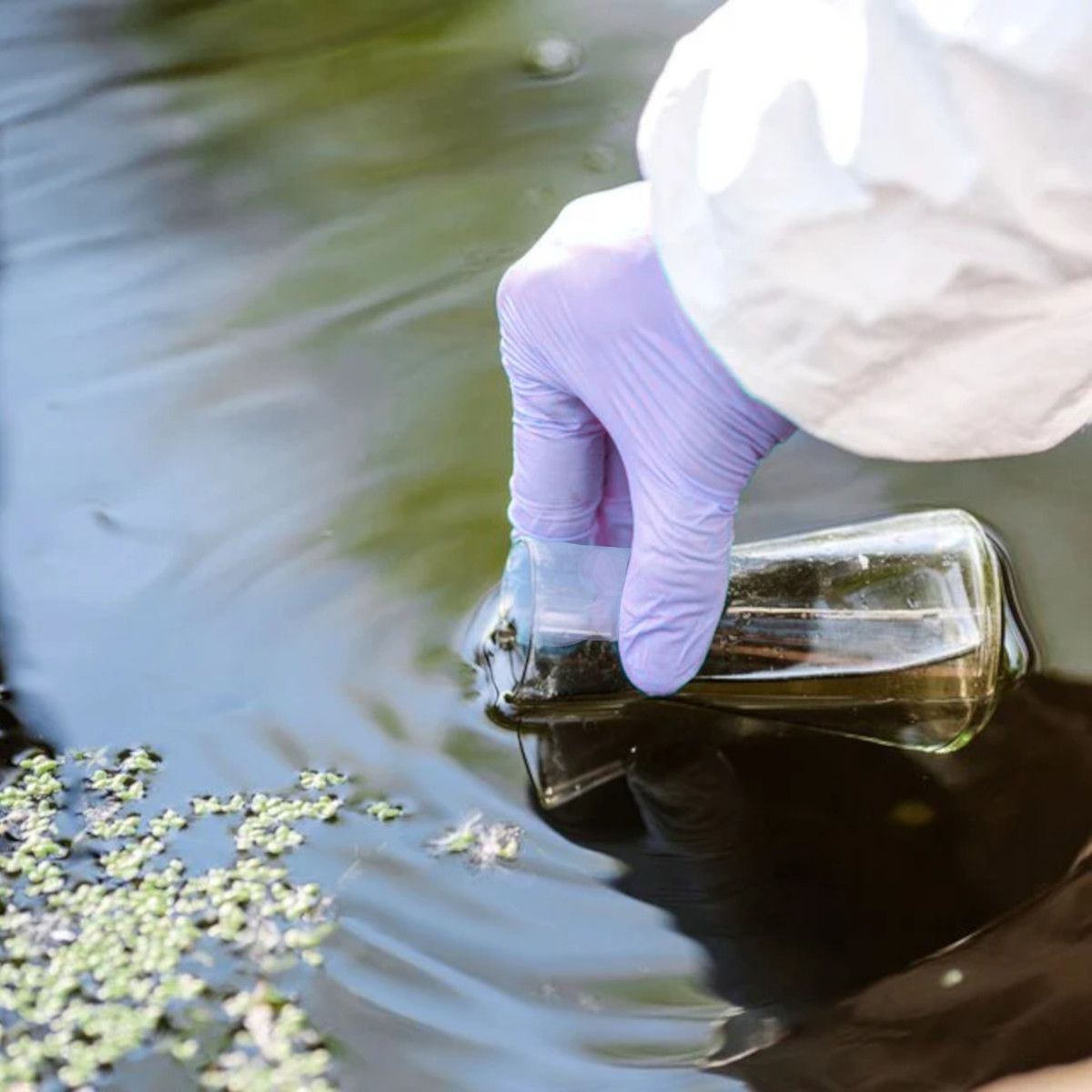
The durability of forever chemicals comes from replacing hydrogen atoms with fluorine atoms in an eight-carbon chain. The strong carbon-fluorine bond does not break down easily. Why that’s a problem for our health on this week’s episode: https://t.co/flZrXYAAyv
Scientists have found forever chemicals everywhere on the planet, including in the blood of nearly every living being. What happens when the federal agency tasked with regulating the chemicals loses its authority and muscle to do so, on this weeks episode: https://t.co/VZdrCj3z4p
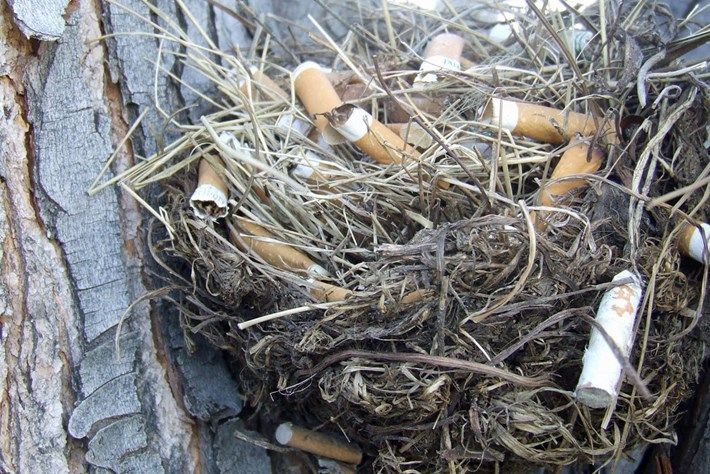
From cigarette collecting sparrows to chimpanzees munching on poisonous plants, to catnip-loving cats and choosy monarch butterflies, we're exploring how animals medicate and heal themselves on this week's episode, "On the Wings of a Butterfly" https://t.co/jBcnvqGITz
After studying how monarch butterflies use milkweed to fend off parasites, biologist Jaap de Roode was curious about other animals who medicate. He joins us to discuss his latest book, "Doctors by Nature: How Ants Apes and Other Animals Heal Themselves" https://t.co/jBcnvqGITz
We know getting sick isn't only a human phenomenon. But as it turns out, neither is seeking medication or treating an ailment. Learn more about the world of animal self-medication on this week's episode: https://t.co/jBcnvqGITz
When biologist Jaap de Roode started studying monarch butterflies, it wasn't because of their unique wing patterns or impressive yearly migration. It was because they were becoming sick. This week, we're "On the Wings of a Butterfly". https://t.co/jBcnvqGITz
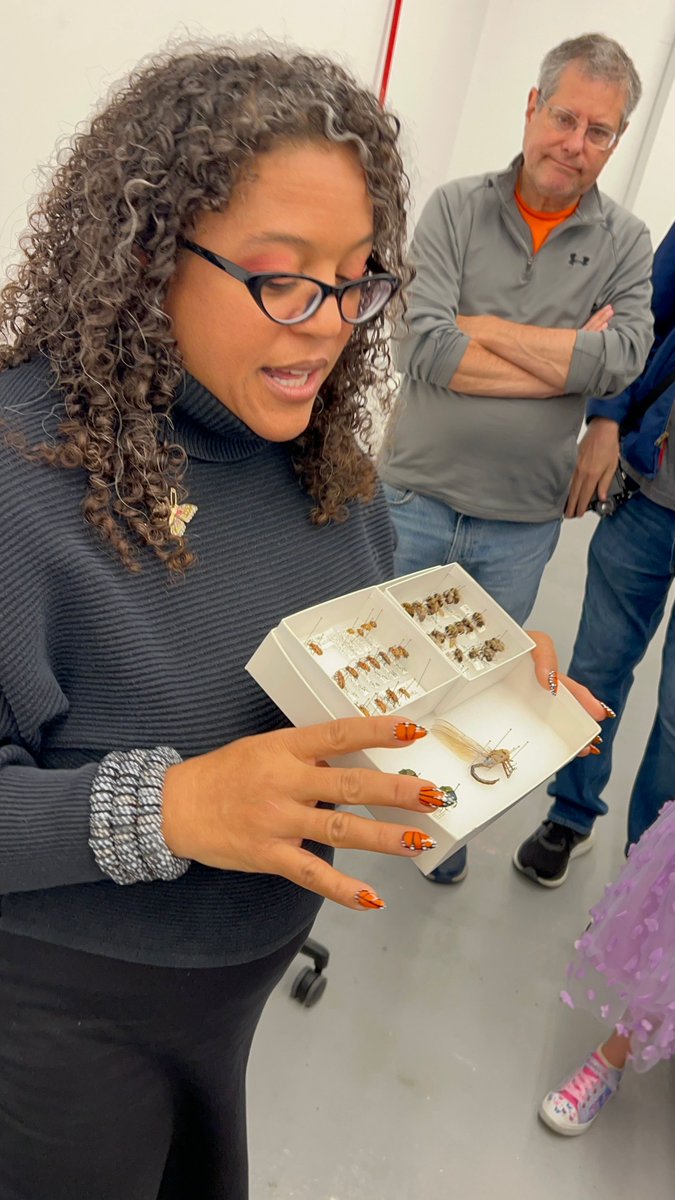
When it comes to the perils that monarch butterflies face, the biggest is humans, explains entomologist and @amnh curator Jessica Ware. Hear how human activity is affecting the lives of insects, including pollinators like the monarch butterfly. https://t.co/jBcnvqGITz
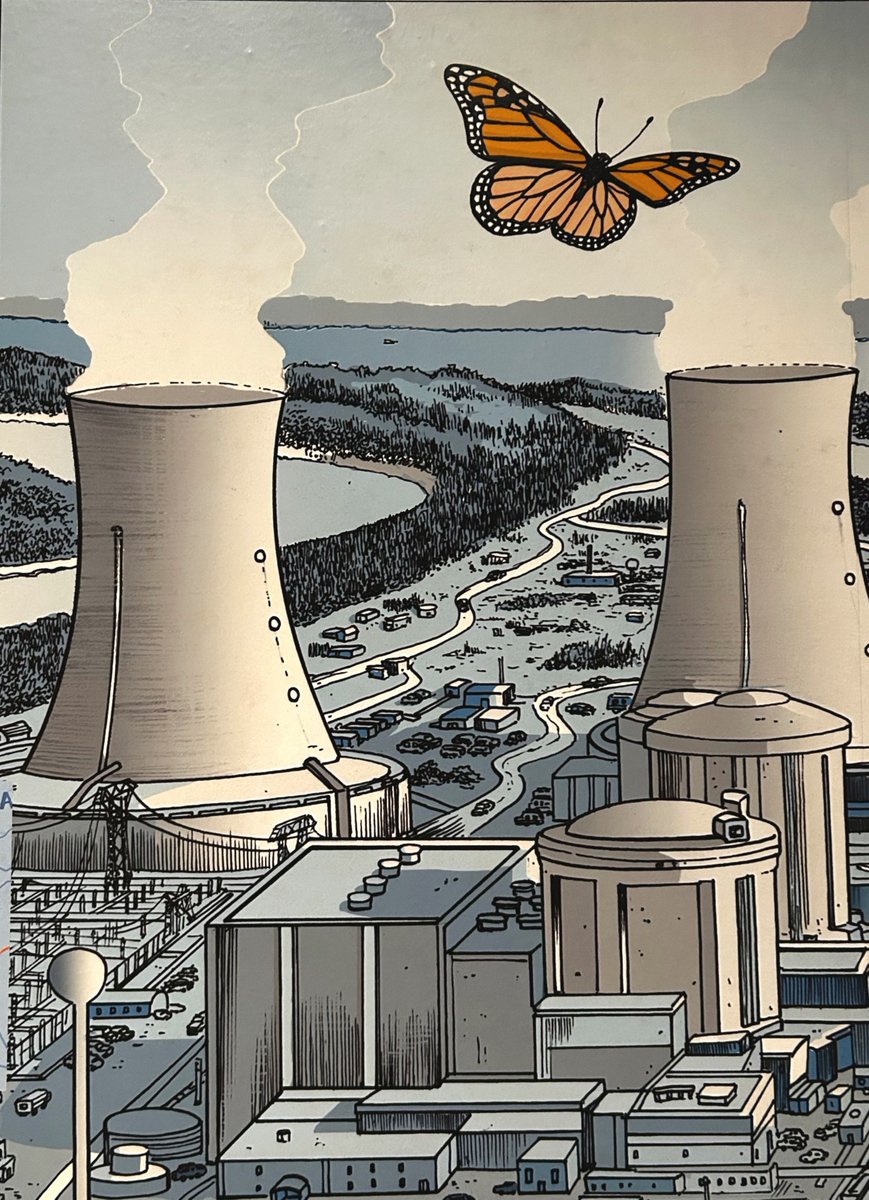
For cartoonist Peter Kuper, making people aware of the threats facing the monarch butterfly also teaches them about other important species. "I'm trying to bring people into the world of insects, and the monarch butterfly is the poster child for insects." https://t.co/jBcnvqGITz
Each year, monarch butterflies undergo a mighty migration. These tiny insects travel thousands of miles from Canada to Mexico, and the journey isn't always a breeze. It's "On the Wings of a Butterfly" https://t.co/jBcnvqGITz
Our exploration of the monarch butterfly begins not in a garden, but in the city - specifically, at @amnh in NYC, where a new exhibit is combining art and science to trace the migratory path of the beloved monarch. https://t.co/vwCvOV3JtT
Monarch butterflies are easily recognized by their black and orange patterns. But their iconic wings are more than just things of beauty. Take a journey "On the Wings of a Butterfly" on this week's episode https://t.co/jBcnvqGITz
Butterflies are more than colorful pollinators. Their plight highlights the threat that habitat loss poses to all insects. Plus, how research into how butterflies protect themselves from disease led one biologist to study self-healing in multiple species. https://t.co/xSawkxWe2Y
Tiny sensors on Monarch butterflies now track the impressive 3,000-mile migrations. A cartoon exhibit at the American Museum of Natural History tracks the challenges they face along the way. This week, we ride On the Wings of a Butterfly: https://t.co/xSawkxWe2Y
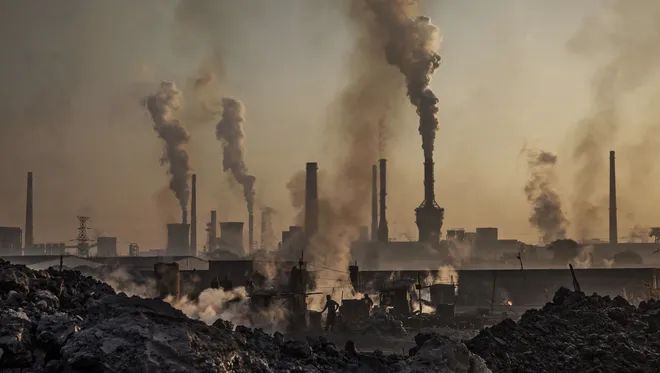
Journalist Peter Brannen describes how the Industrial Revolution ignited a new metabolism upon the Earth, ongoing and potentially catastrophic. Annually, humans release CO2 into the atmosphere at a rate 100 times faster than Earth's volcanoes combined. https://t.co/xVRkgw5VTv
Humans evolved on a relatively cold planet and our civilization was built on the stability of the Holocene. One atmospheric scientist said “the climate system is an angry beast, and we are poking it with sticks” though our relentless CO2 emissions. https://t.co/xVRkgw5VTv
Journalist Peter Brannen describes the lifecycle of a carboniferous tree that captured prehistoric sunlight, died, and was buried underground. It again saw sunlight 315 million years later when excavated as coal and burned to power our modern technology. https://t.co/xVRkgw5VTv
🚀 Could one spacecraft survey resources across the Solar System?
SETI Institute scientist Pablo Sobron is exploring an ambitious concept called Interworld Slingshot: a spacecraft that could identify minerals on the Moon, asteroids, and Mars' moons using lasers, without ever landing.
Get a preview of the idea in this explainer video, then join Pablo and host Simon Steel for SETI Live tomorrow, November 5, at 2:30 p.m. PST, to learn more!
🎥 https://t.co/H5dIXe1WJS
#SETILive #SpaceExploration #PlanetaryScience #NASA
@SpartanMojo35@SETIInstitute You respected us once, but our position hasn't changed. We've covered climate research for more than 20 years, interviewing dozens of scientists, attending AGU, hurricane, atmospheric conferences. But if our science journalism isn't for you, we're sorry to lose you. Take care
@SpartanMojo35@midrino_oka747@SETIInstitute Not a thing. We all considered Lindzen's arguments 20 years ago. Science has moved on. You have presented six scientists who are outliers of conclusions made by tens of thousands of scientists globally. If you won't listen to us, consider: https://t.co/jBMak4cCtW
@SpartanMojo35@SETIInstitute That 2024 paper was rejected by scientific community. Is suggests albedo is cause of warming and rejects role of CO2. Authors are known climate deniers. We invite you to listen to our episode about the profound role that CO2 has played in Earth's geologic and climate history.