How is American democracy faring in the era of Donald Trump? John Prideaux, our US editor, retraced the steps of Alexis de Tocqueville to find out. Listen to our new podcast series, coming soon https://t.co/QfjFvpTgbV
The Guardian se pregunta cómo México llegó a tener a una de las líderes de izquierda más populares del mundo. La respuesta quizá no está únicamente en una persona, sino en la capacidad de un proyecto político para conectar con las mayorías.
Según el propio medio británico, Claudia Sheinbaum mantiene niveles de aprobación cercanos o superiores al 70%, ha sido reconocida por su manejo de la compleja relación con Estados Unidos y por una forma de gobernar basada en datos, preparación técnica y una notable atención al detalle. Su formación científica y su estilo de “cabeza fría” han llamado la atención incluso fuera de México.
Pero más allá de la figura presidencial, el fenómeno invita a una reflexión más profunda. Mientras gran parte de la política tradicional perdió credibilidad, millones de ciudadanos encontraron respuesta en un proyecto que puso sobre la mesa temas como el aumento de salarios, los programas sociales, la soberanía nacional y la atención a sectores históricamente olvidados.
Por supuesto, México sigue enfrentando enormes desafíos en seguridad, justicia y desarrollo económico. Reconocer la popularidad de un liderazgo no significa ignorar los problemas pendientes. Sin embargo, tampoco puede entenderse la realidad mexicana desde caricaturas ideológicas o prejuicios simplistas.
Tal vez la pregunta correcta no es por qué Claudia Sheinbaum se ha convertido en una referencia para sectores progresistas de todo el mundo, sino qué dejaron de ofrecer las élites políticas tradicionales para que millones de mexicanos decidieran respaldar una alternativa distinta. Ahí podría estar una de las claves para entender el México de hoy.
https://t.co/VaGCLYorQC
And with a final MENA Zoom session, my time at GIGA ends. It was a magnificent two weeks. New IMES colleagues, old friends, presenting my work, co-authoring with fantastic @hakkitash, and experiencing lovely Hamburg in my long-forgotten German.
Tschüss - next stop, London!
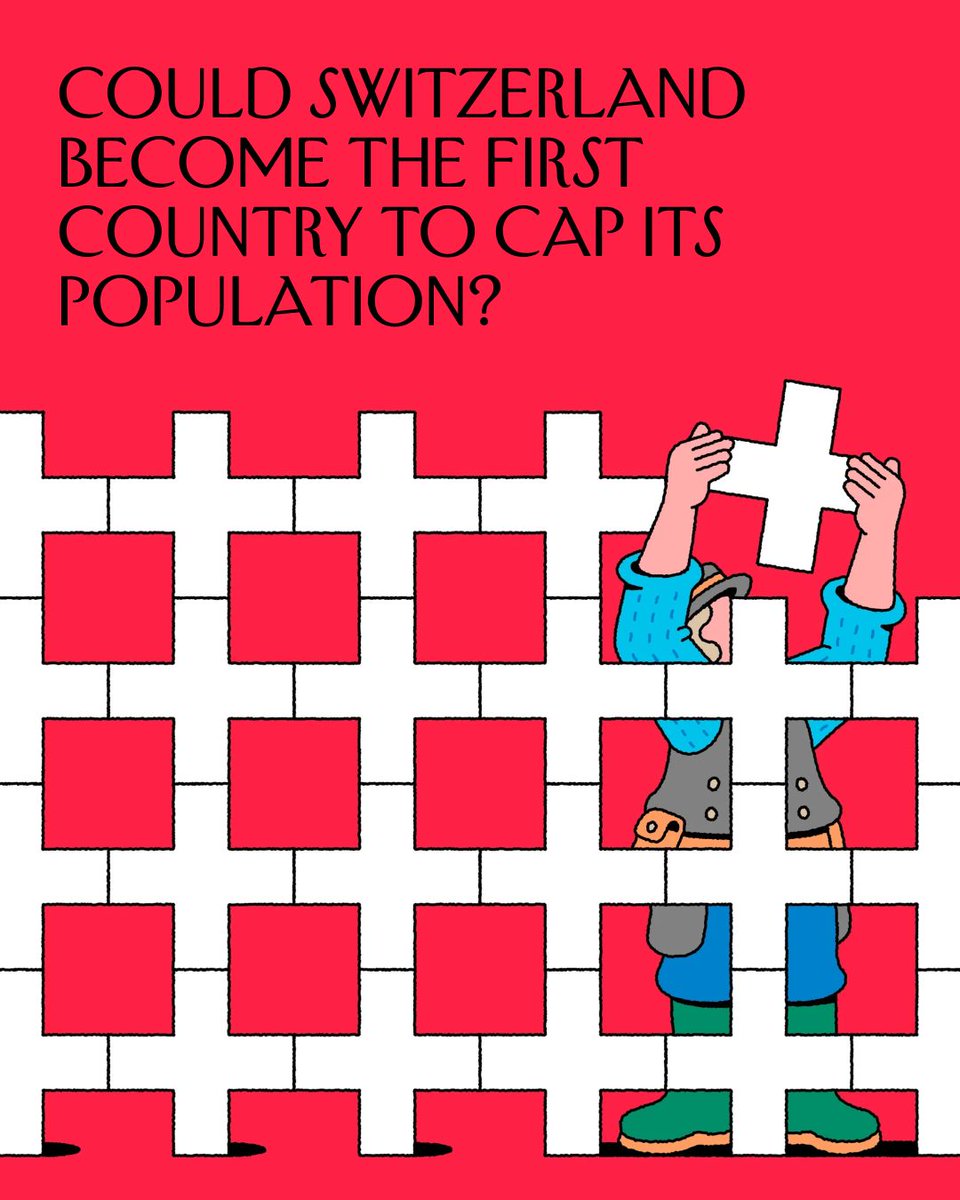
On June 14th, Switzerland will vote on whether to become the only country in the world to officially cap its population, with a limit of 10 million people until 2050. The initiative could upend the nation’s economy and rupture ties with the European Union. https://t.co/Mfrt2Bh5w9
At the 25th Anniversary Celebration of the New Jersey-Albania State Partnership Program, we celebrated the enduring collaboration between the New Jersey National Guard and the Republic of Albania – working together to make both of our nations more secure, prosperous, and free.
“Russia’s future forks: one path is a risky drift into a deeper Chinese embrace, the other an against-the-odds return to Europe.” In a 2024 essay, Stephen Kotkin weighed in on Russia’s potential trajectories:
https://t.co/DRSwm5mnKL
As the U.S. gears up to celebrate its 250th birthday, the White House—under the leadership of Trump’s top domestic-policy adviser. Stephen Miller—is restricting immigration and stripping citizenship. https://t.co/uPs6S2yaim
A new book argues that understanding how varied the institution of marriage has been over time can help it thrive now, Honor Jones writes. https://t.co/BF3cTKmbyQ
The Founders could never have imagined America’s modern information environment—and the “question for our democracy is whether a system designed for the communications technologies of the 18th century can survive those of the 21st,” @JeffreyRosen argues. https://t.co/v7vQW6me83
My essay on the phenomenon of nationalization in an age of geoeconomic fragmentation for the new issue of Finance & Development: https://t.co/2ETWfYKp9S
Breaking News: Marjane Satrapi, the Iranian-French author whose graphic novel series “Persepolis” illuminated the struggles of Iranians during the Islamic Revolution, died at 56. https://t.co/WQWxavBm5l