Most solo founders don’t have a schedule—they have an endless to-do list. Try this weekly rhythm: Monday, plan for 90 minutes and choose 3 key outcomes. Tuesday–Thursday, do deep work in the morning and use AI to execute in the afternoon. Friday,
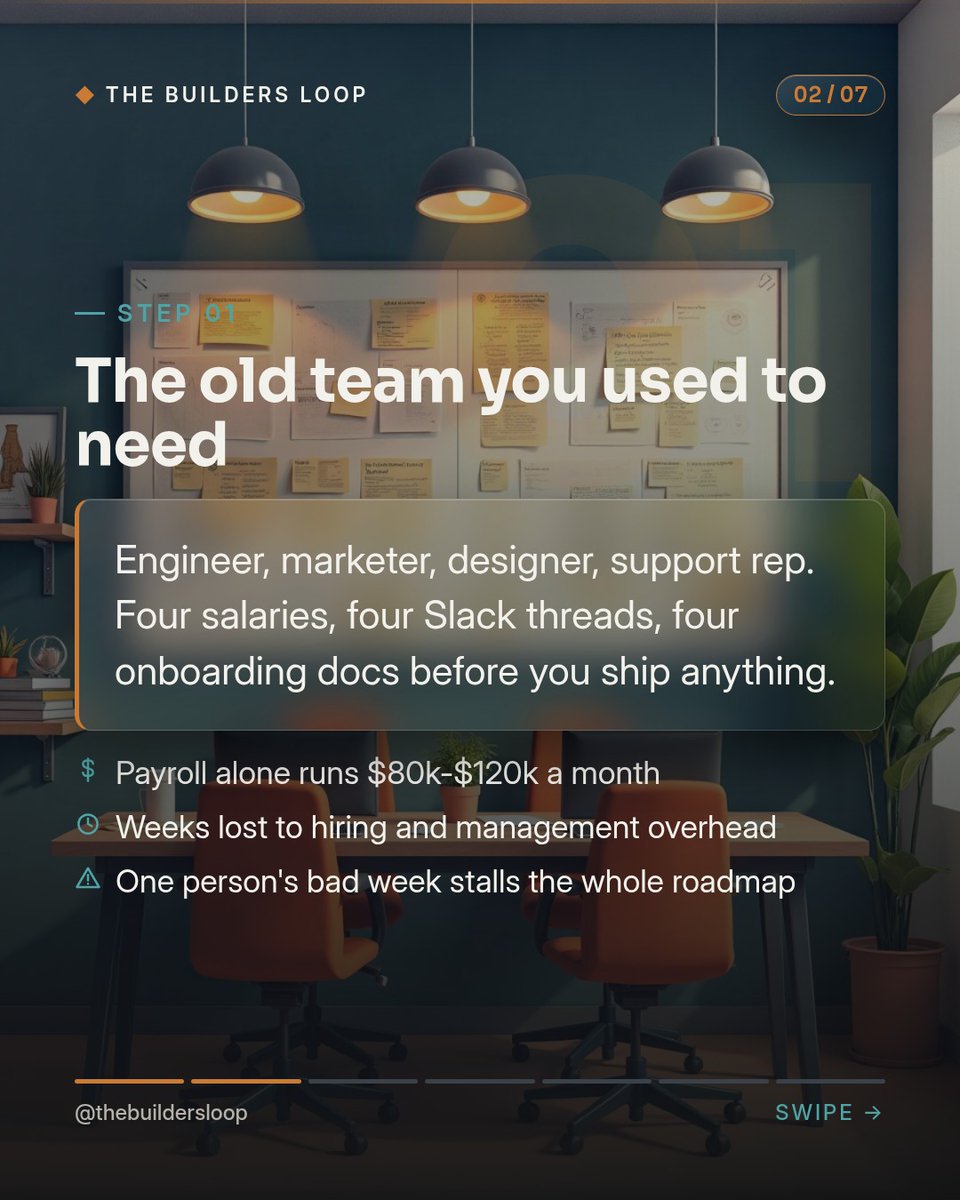
One person can now do what once took a team of 12. Not hype—just a cost curve. A $80K–$120K/month team can now be replaced by AI agents costing $300–$500/month. Start with one role, replace it this week, and see what it frees up.
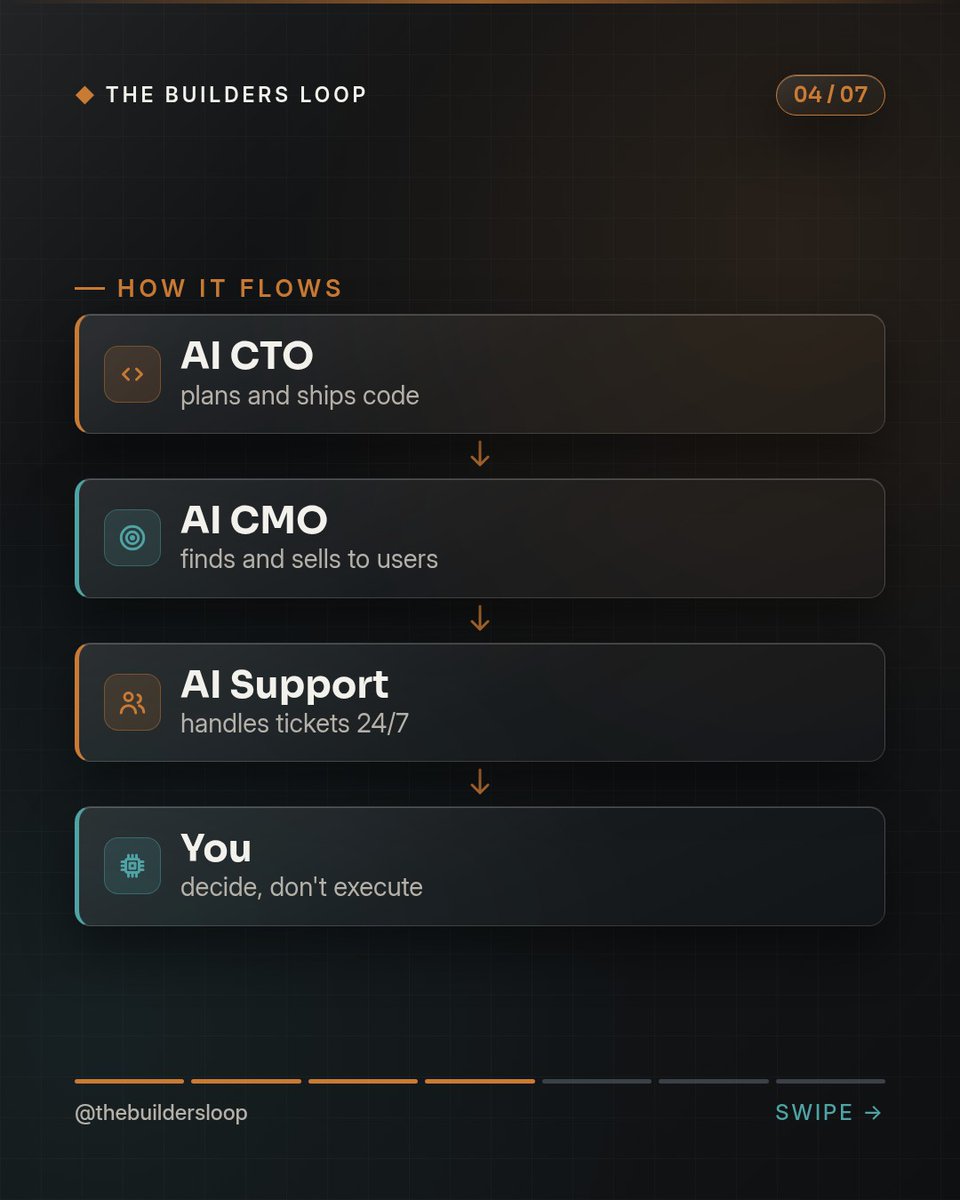
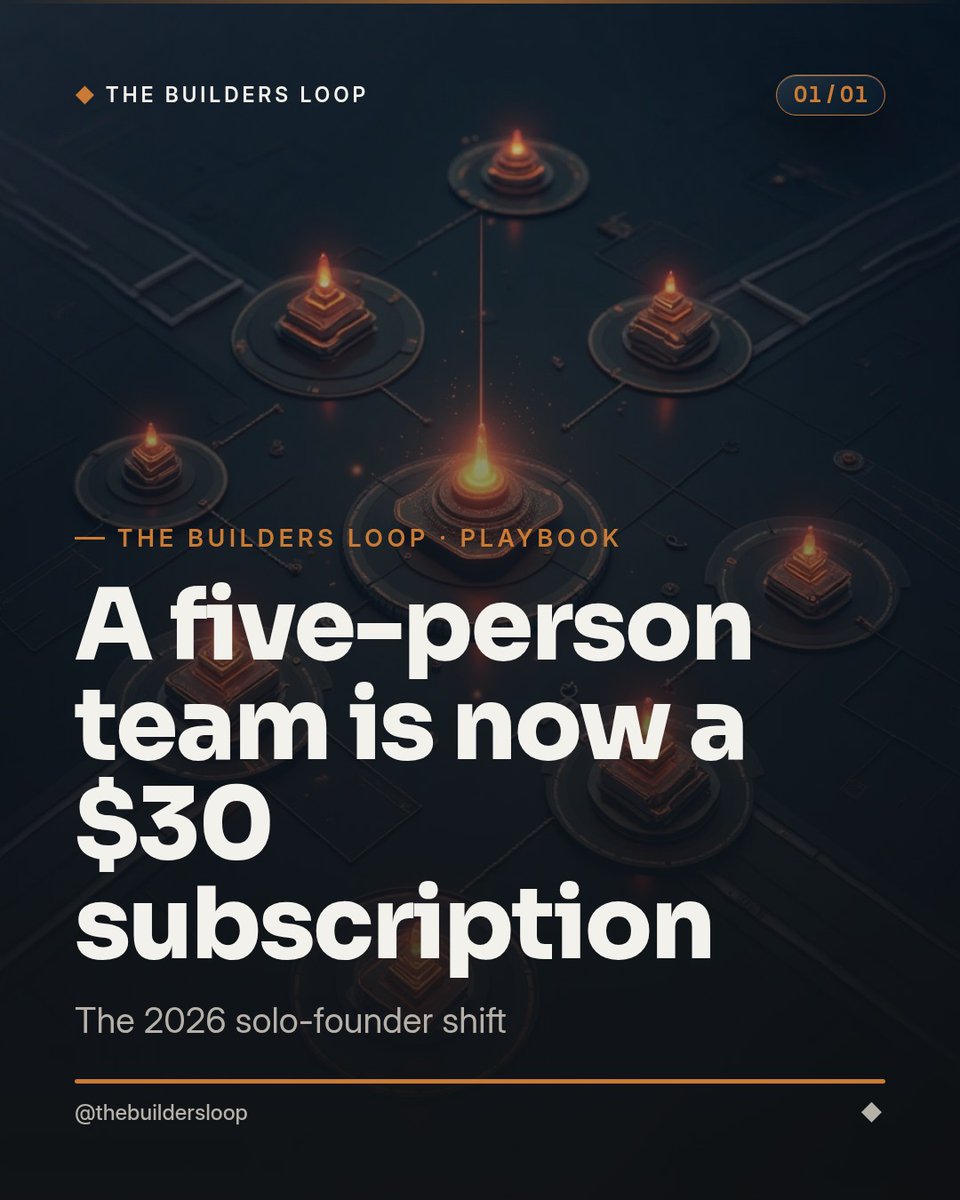
A four-to-six-person engineering team now costs $30 a month. That’s the real force behind the 2026 solo-founder boom: execution costs collapsed faster than idea costs. Replace job descriptions with workflows before hiring.
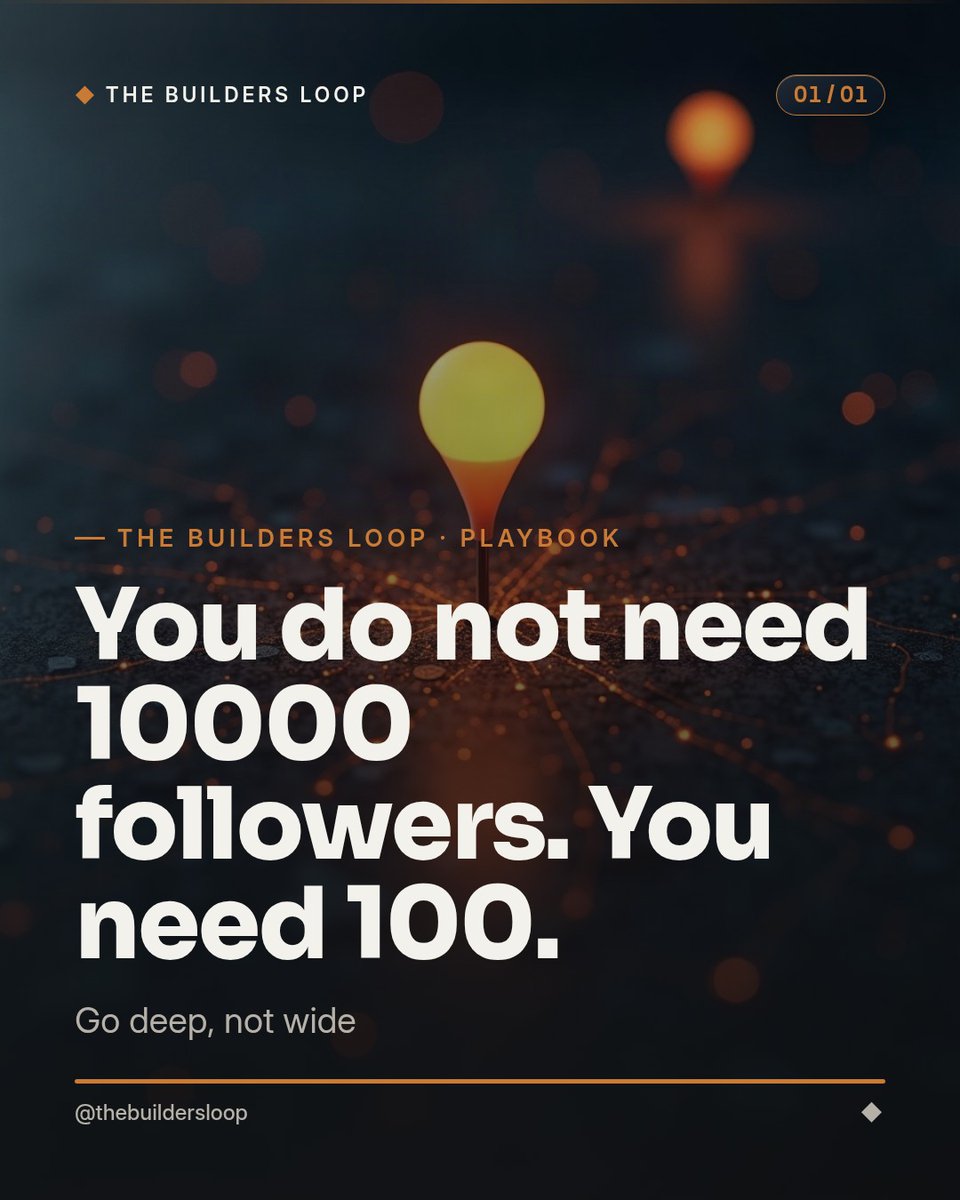
You don’t need 10, 000 followers. You need 100 people who buy everything you make. Kevin Kelly’s idea still works, but most builders skip the mechanics. Here’s the 2026 playbook.
Validate a SaaS idea in a weekend, not a month. Friday: choose one narrow problem. Saturday: research competitors, complaints, and positioning with AI. Build a rough MVP. Sunday: show five real prospects and ask if they’d pay today. Validate before
One workflow can become four touchpoints. Turn your carousel into a 30-second Reel, a quote graphic, and a newsletter section using AI. Let AI draft; you approve every word. One idea, four formats, one sitting.
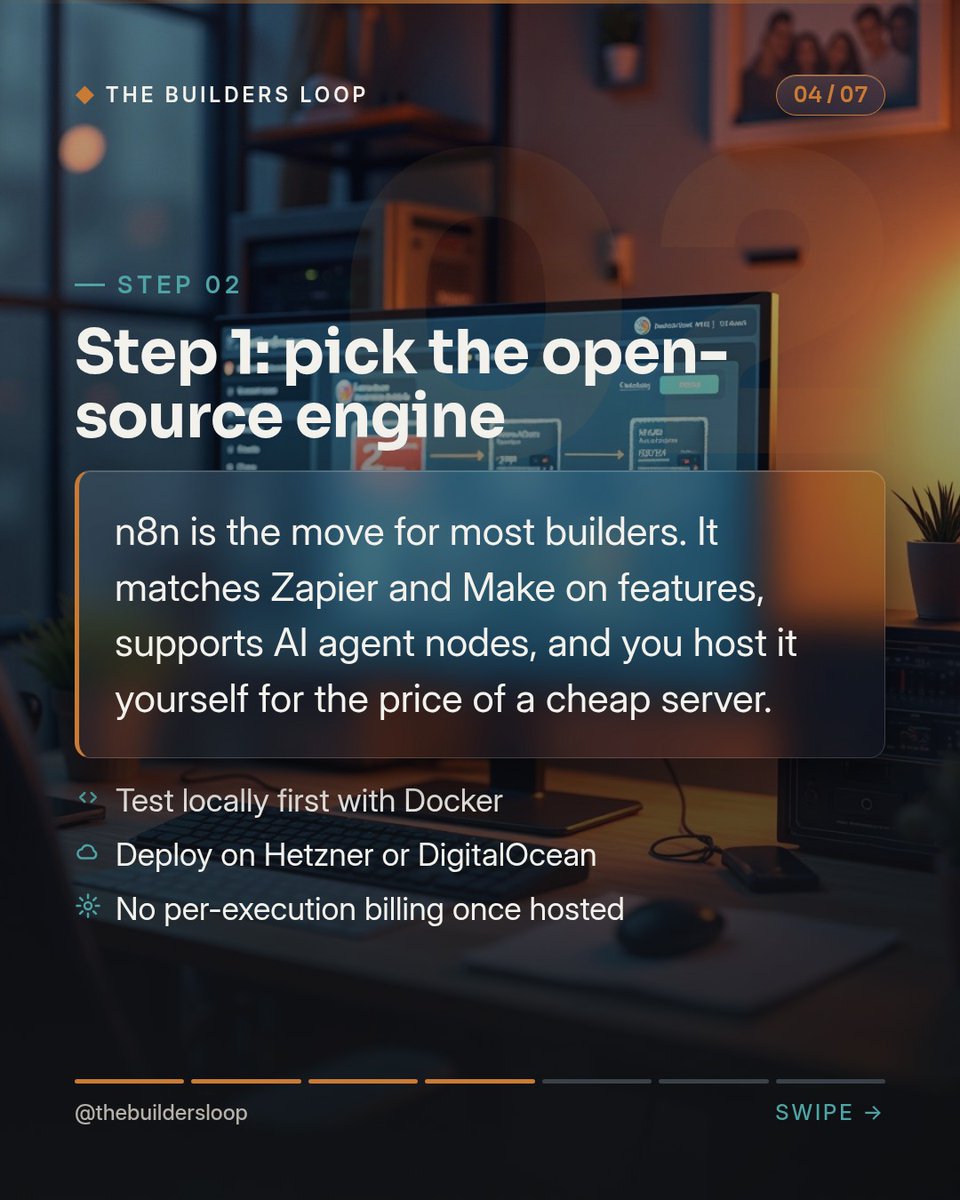
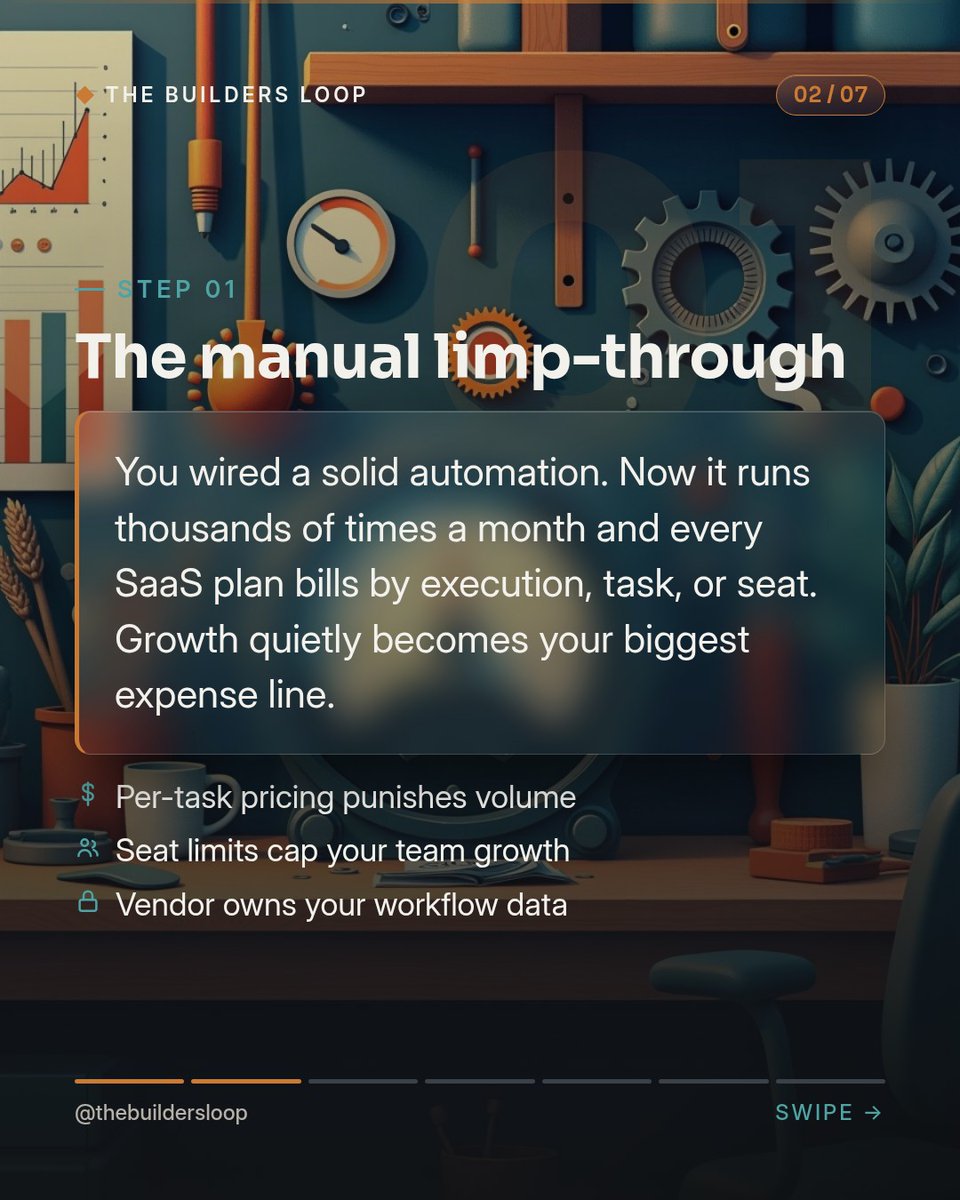
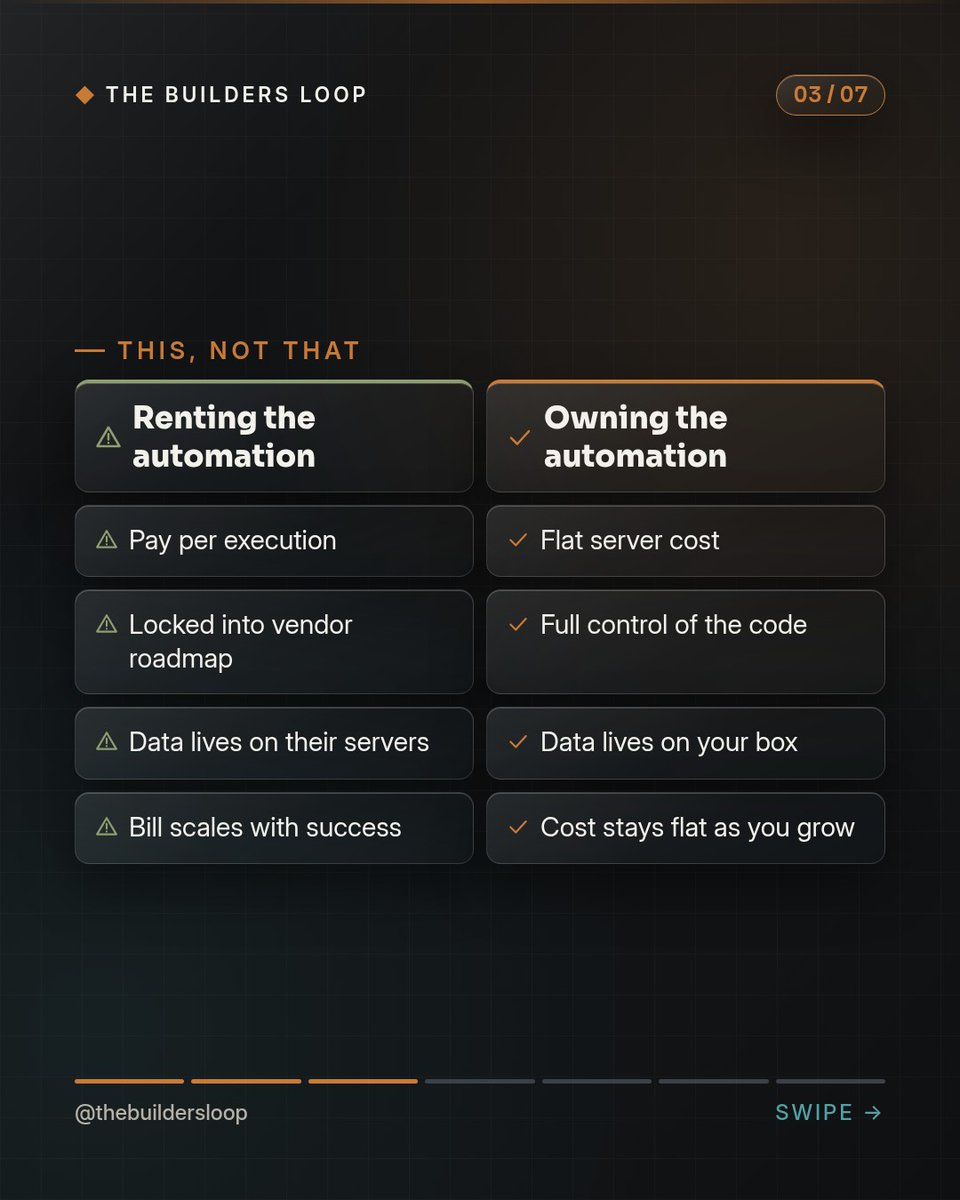
You’re renting your own business back every month. Self-host n8n, Activepieces, or Windmill to replace per-task SaaS fees with infrastructure you own. Start with your highest-volume workflow and stop paying more as you scale.
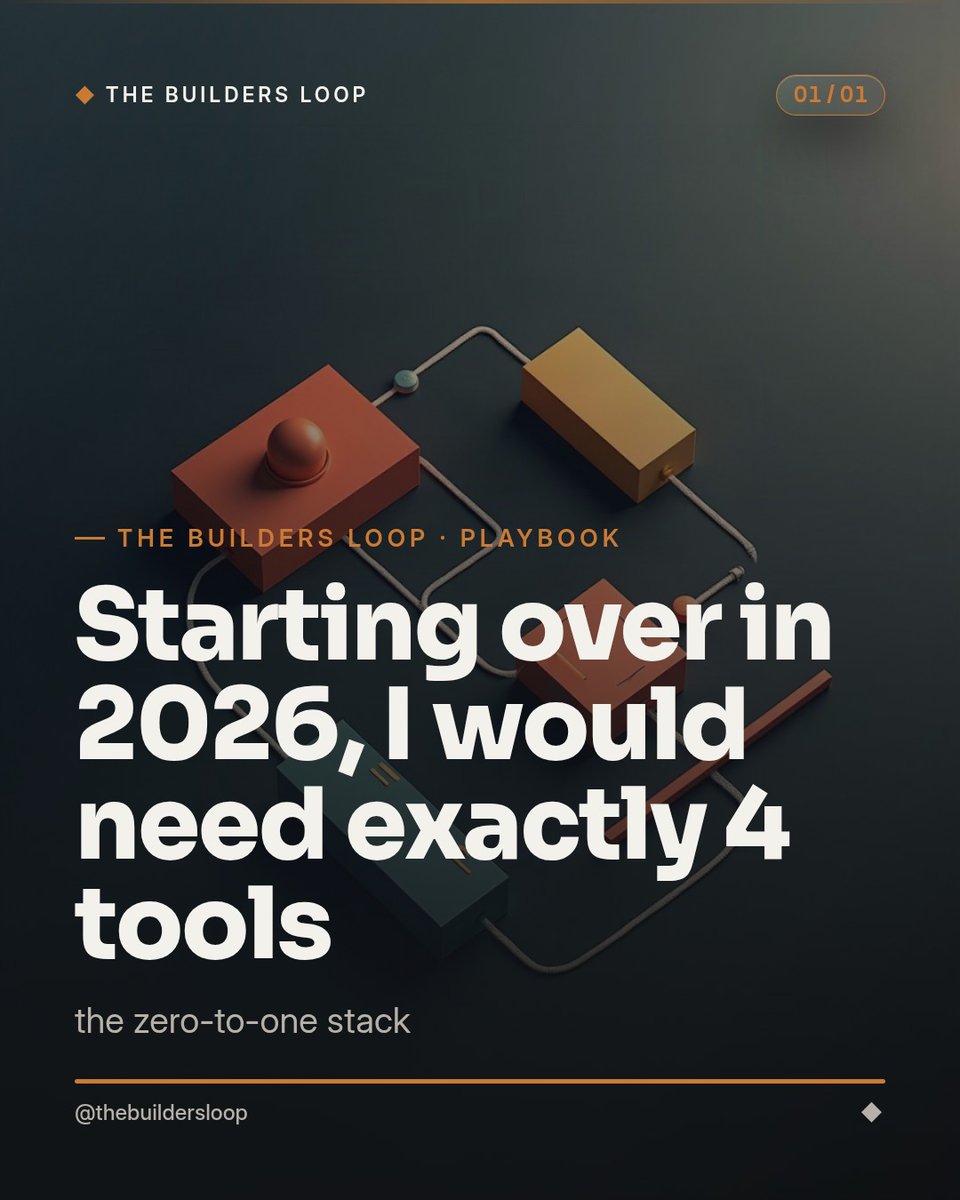
If I had to start from zero in 2026, this is the exact stack I’d choose
1. Cursor: a build tool, not a writing tool. Describe your product in plain English and it scaffolds working code. No developer needed for version one. 2. Supabase and Vercel:
Automating posts isn’t the problem. Automating your voice out of them is. Create a brand voice brief with 10 strong posts, banned words, sentence rhythm, and 3 things you always—and never—say. Use it in every AI prompt. Let AI draft, but you choose
You don’t need your face to build trust. You need proof, consistency, and a clear point of view. A faceless brand works when people follow your thinking—not your charisma. 1. Write as an operator, not a guru. 2. Share proof: numbers, builds,
Most AI agents fail quietly. They run, produce output, and seem fine—until a bad call involving a customer, contract, or money destroys trust. Build for bounded autonomy: automate repeatable steps, then require human approval at high-stakes
Forget mass reach. You need 100 people who truly pay attention. Choose a niche that feels too small, then serve it consistently until 100 real people know your name. Focus on the 100 who’d notice if you disappeared.
If I lost every tool tomorrow, this is exactly what I’d rebuild first: zero to running business, minimal stack, no staff. 1. Claude or ChatGPT for research, copy, and thinking. 2. A code assistant to ship apps from plain English. 3. Supabase and
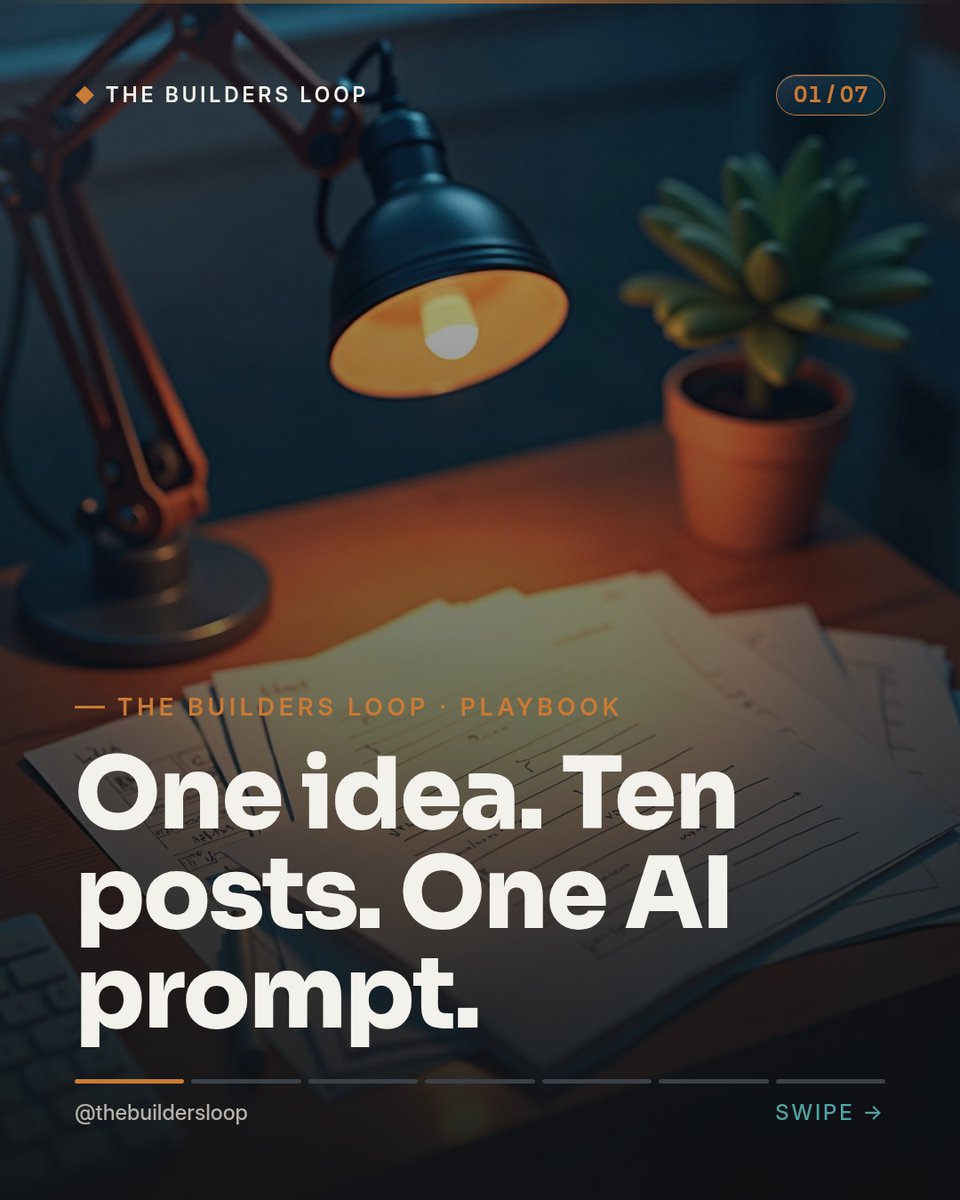
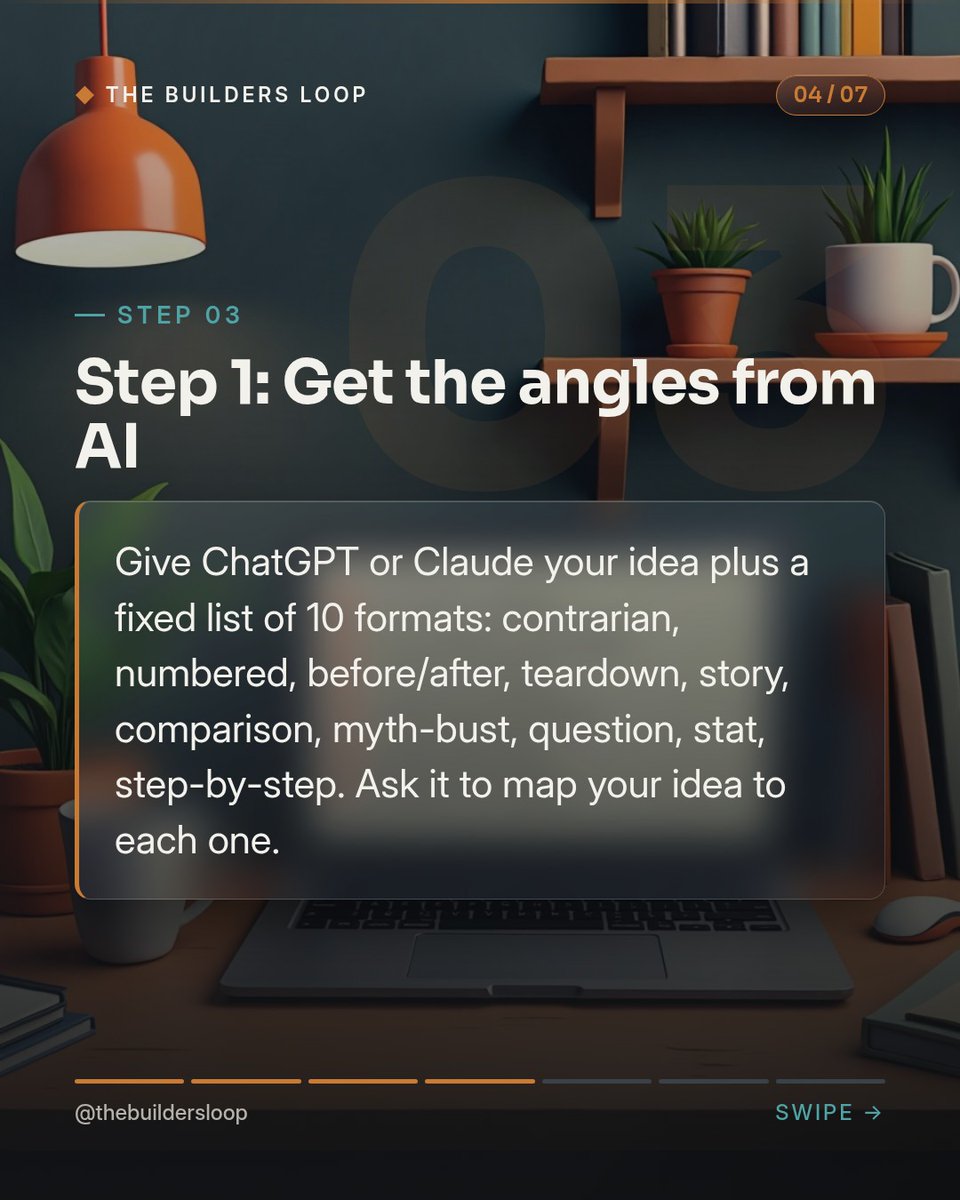
One idea can become 10 posts in one afternoon—without content calendar meetings. Ask AI to turn it into 10 angles, then create hooks for each. Edit in your real details; that’s what makes the posts yours.
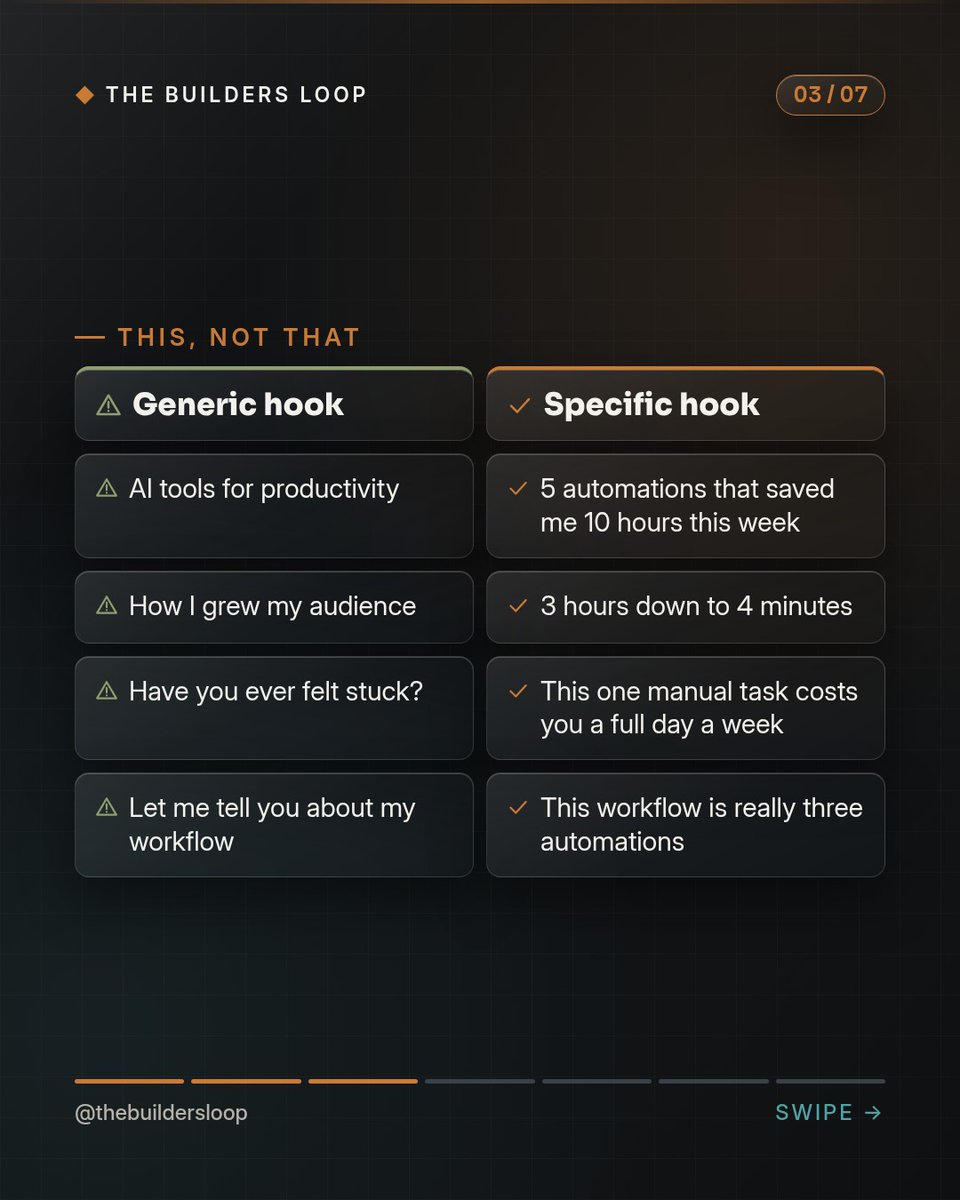
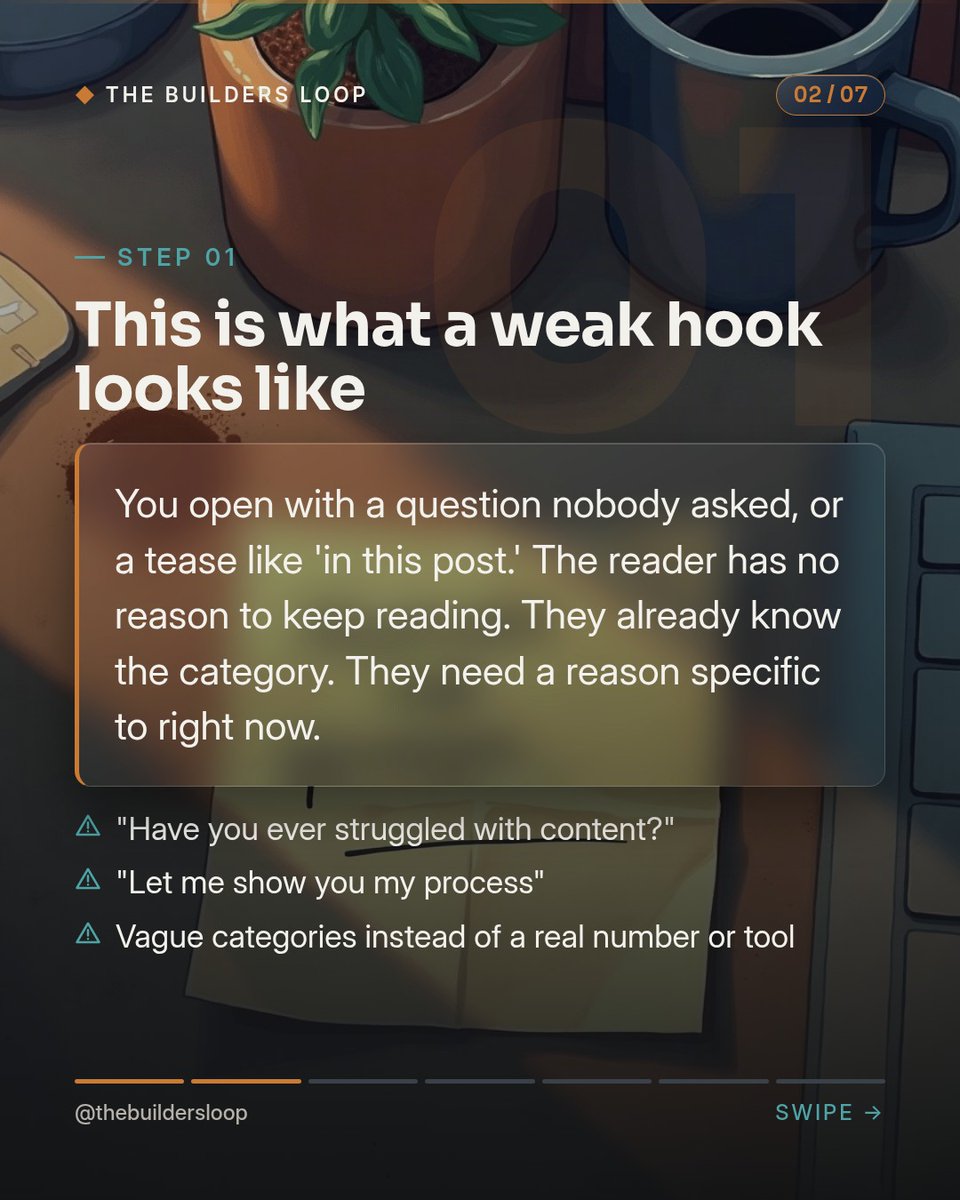
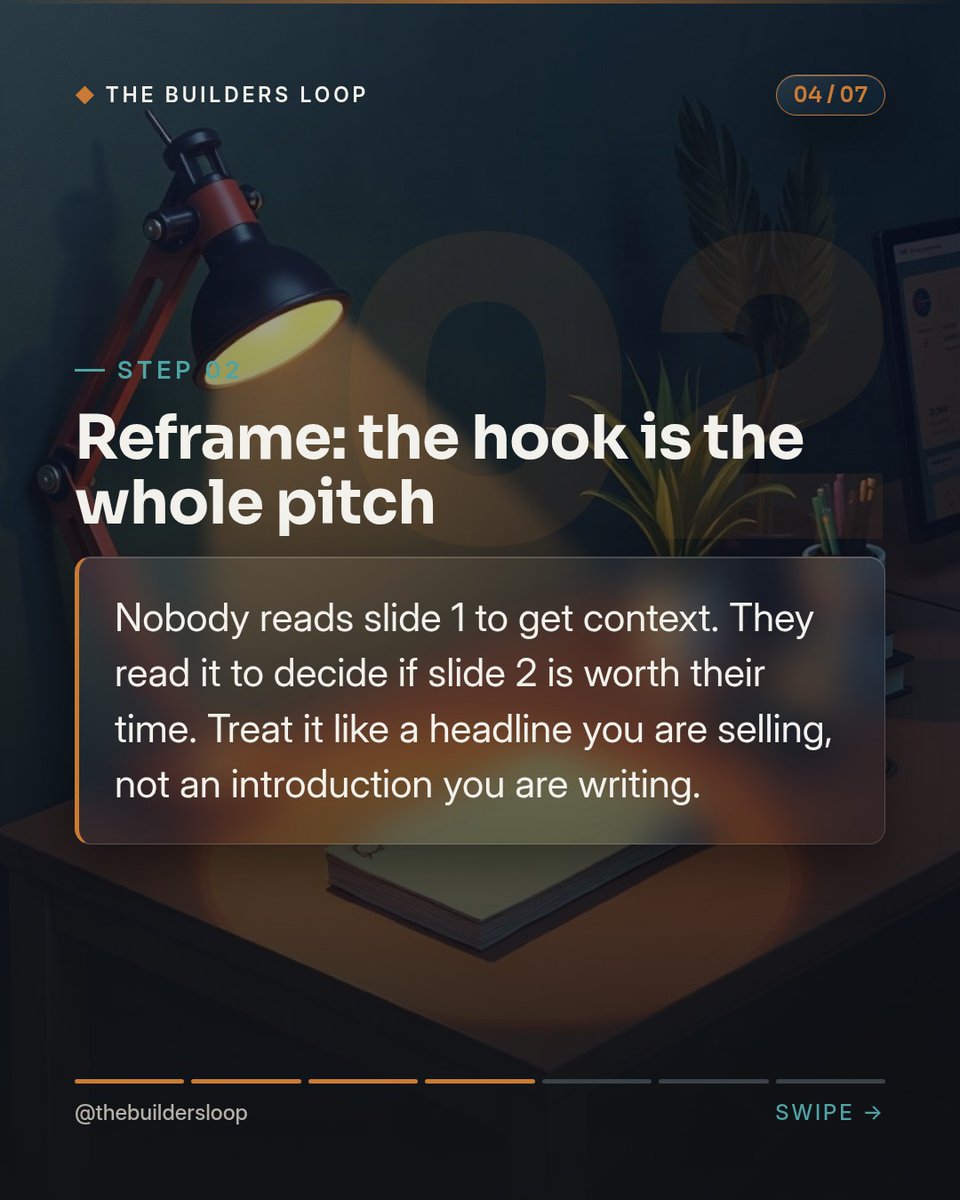
Most hooks fail because they try to be clever instead of specific. Your hook is the entire pitch, not a warm-up. Open with a number, named tool, or clear before-and-after. Write ten, read them aloud, cut every unnecessary word, and test them