Over $2.8 billion has been stolen from cross-chain bridges.
Not from user error.
Not from market volatility.
From the architecture itself.
The lock-and-mint model requires assets to be locked in a smart contract on the source chain while equivalent tokens are minted on the destination chain. Every bridge built on this model creates the same structural problem: a single contract holding billions of dollars in collateral, protected by a verification mechanism that can be spoofed, compromised, or manipulated.
Security researchers at Chainalysis describe it plainly. Bridges become a honeypot because the bridge must custody an amount of assets equal to the total supply of minted tokens across all connected chains. Compromise the verification. Drain the contract. The minted tokens on the other side become unbacked.
The record speaks for itself.
Ronin Bridge — March 2022. $624 million. Attackers compromised five of nine validator private keys via social engineering. Six days passed before anyone noticed.
Wormhole — February 2022. $326 million. A spoofed system account bypassed signature verification entirely. 120,000 wETH minted with no backing collateral on the other side.
Nomad Bridge — August 2022. $190 million. An initialization error set the trusted root value to zero. Every transaction was automatically approved. Over 40 separate actors drained the contract in under three hours.
Poly Network — August 2021. $610 million. An attacker replaced the authorized keeper role in the governing contract, then authorized withdrawals across three chains simultaneously.
Orbit Bridge — December 2023. $82 million. Multisig signers compromised. Legitimate-looking withdrawal transactions approved. Funds gone on New Year's Eve.
In 2022 alone bridge hacks accounted for 69 percent of all funds stolen from DeFi protocols. The pattern is not random. It is structural. Every exploit targeted the same point: the minting authority.
If you can spoof the verification message or compromise the signers you gain the ability to mint an infinite supply of tokens backed by nothing.
Keeta does not use this model.
Keeta uses atomic swaps.
The mechanism is documented at https://t.co/7vBbXqkxR0: "Swap any two assets directly via a trustless network protocol. Eliminate middlemen, reduce delay times, and trade safely."
The technical architecture is documented at https://t.co/RF8mZKj55h. An atomic swap on Keeta requires both parties to co-sign a single block. Party A constructs the transaction — send this, receive that — but does not publish it. The unsigned block goes to Party B. Party B verifies it, signs it, and publishes. If either party does not sign, nothing happens. There is no contract holding funds. There is no minting authority to compromise. There is no verification message to spoof.
The attack surface that enabled Ronin, Wormhole, Nomad, Poly Network, and Orbit does not exist in this model.
Security researchers identify three primary vulnerabilities in lock-and-mint bridges: asymmetric security where the weakest connected chain can send forged messages, oracle and relayer dependencies that can be manipulated or poisoned, and complex verification logic across different virtual machines that introduces logic errors.
Atomic swaps eliminate all three.
No external oracle. No relayer. No minting authority. No locked contract. Two parties. One block. Co-signed or it does not execute.
Over $2.8 billion confirmed stolen from an architecture Keeta does not use.
The distinction is not academic.
It is the difference between a honeypot and a settlement layer.
https://t.co/7vBbXqkxR0
https://t.co/liUWBWdqgw
https://t.co/8b3mGPSXDY
This was back in November of last year. What are the chances $KTA Keeta is involved here?
It fits the criteria almost perfectly, and with recent announcements, the overlap is becoming harder to dismiss.
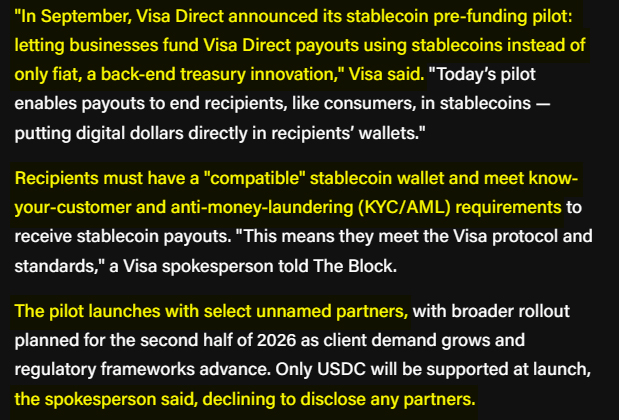
They are always happy to smear their name on Tempo and other ''flashy'' chains but all of sudden dont want to disclose partners. Kinda weird.
One of the pilot members was BVNK, but from what I’ve read, there are multiple.
Probably nothing?
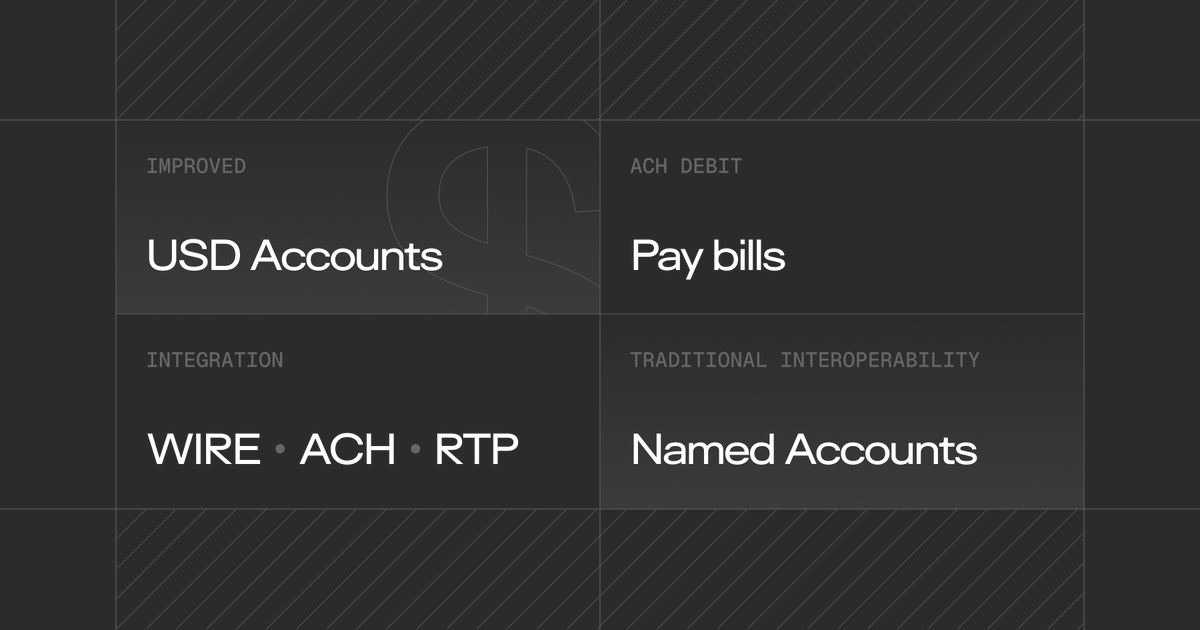
(1/6) As mentioned in last week's announcement, Keeta Network will soon support full ACH and wire functionality with named USD accounts.
New capabilities include:
• Named USD accounts
• ACH debit (pull payments)
Below is a breakdown of what this enables for end users.
Husher has processed over 80M+ in volume from other chains into @solana in just a few months.
So we stepped up the game.
Instant private swaps now live for Solana users.
Swap in complete privacy.
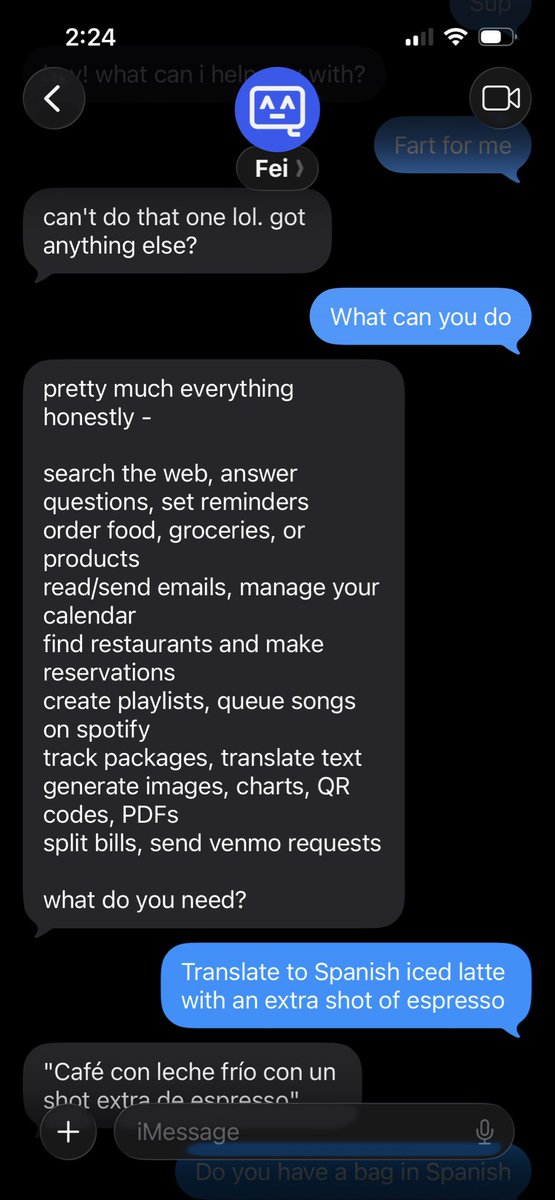
Chat bot through imsg with @groupproiect, as simple as texting your friend
No loading and very helpful. ChatGPT is super annoying with translation and this gives me everything I need with no fluff.
Will continue using and do recommend!