Everyone fails at one time or another. Learn from your mistakes but don't let them chain you to the past. Often times your failures are what makes you grow.
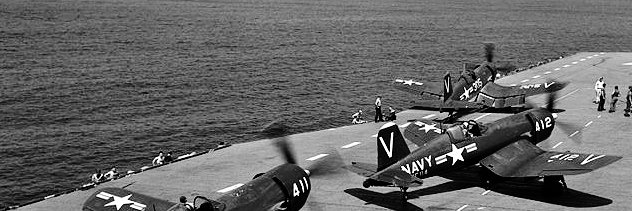
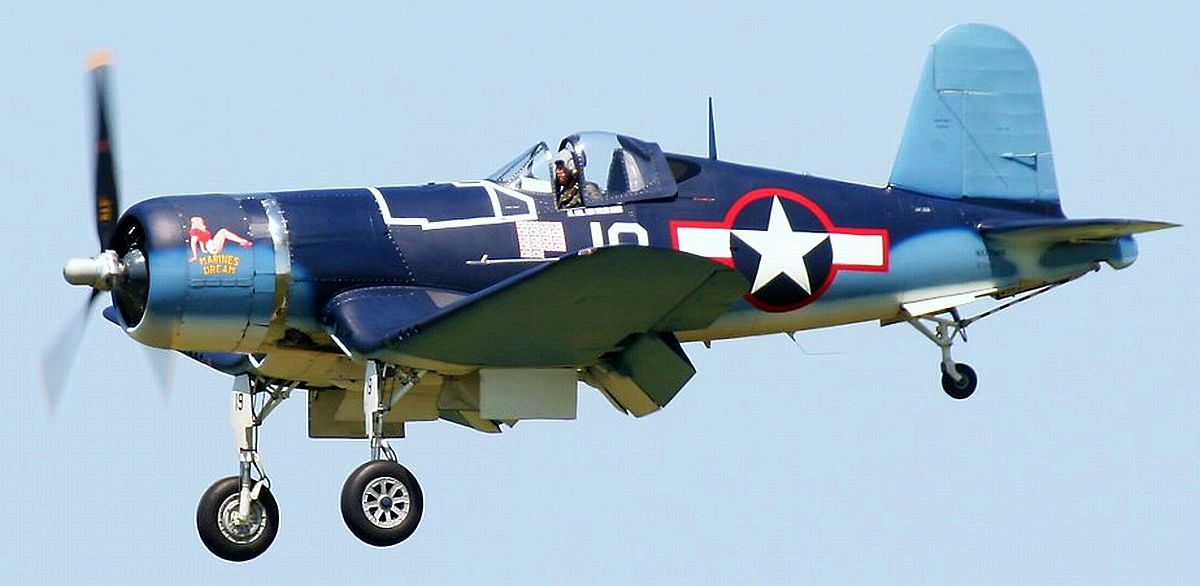
@novakovr@JayLockeriusII@RealAirPower1 Ridiculous. The Dauntless was replaced by the Helldiver. The Helldiver was retired in active service in 1949. The last Corsair was retired 30 years after the Helldiver in 1979.
YO YO / Rocket Ride
The SR-71 needed to be refueled approximately every hour. Refueling was tricky, but SR-71 pilots were always up to the challenge.
Usually, refueling was the first thing that they did after takeoff.
Under some circumstances, while flying from Kadena Air Force Base in Okinawa, they would take off with enough fuel for the entire mission. No refueling necessary; it was called a Yo-Yo. But this was a maintenance headache
A few of our missions required the SR-71 to accelerate to Mach 3+ right after takeoff with a 65,000-pound fuel load. The Yo-Yo procedure had the crew chief completely refuel the plane to full tanks of 80,000 pounds of fuel. Then, with the nitrogen pressurization system working, they de-fueled 15,000 pounds of JP-7, ending up with a 65,000-pound fuel load and a plane that was capable of going immediately to Mach 3+.”
The SR 71 crewmembers called it a “rocket ride” because everything had to be done quickly. 
Because taking off with a light load of fuel lessened the loading upon the tires, landing gear, and even upon the ground surfaces, mechanical and material stresses were considerably reduced, lessening maintenance issues of wear and tear to a certain degree over time.
But by taking off with a light load of fuel, the Blackbirds' fuel reservoirs contained air, which, if not entirely purged of it and then subjected to Mach speeds at altitude, would catastrophically ignite the oxygen within them. Once aloft, the inflight refueling not only loaded them up with the vital fuel for their ensuing mission, but it also completely purged their fuel tanks of that air (oxygen) such that nitrogen from their onboard dewars could then displace the voiding space with non-explosive gas as fuel was consumed.
It was only in this condition that they could advance to higher Mach speeds at altitude, which the Yo-Yo (Rocket Ride) ground procedures accomplished without need of inflight refueling. ~ Carter VanArsdale wrote this paragraph
Refueling presented special problems: visibility was poor due to the triangular forward window, and the helmet associated with the pressure suit caused undesired reflections. The receptacle (which received the fuel) was aft of the cockpit; therefore, the SR-71 had to fly underneath the tanker. Normally, one would take on about 70,000 pounds or 11,000 gallons of JP7 fuel.
Typically, refueling took place at about 25,000 feet. As the weight increased and the air speed had to be held down to accommodate the slower tanker, the aircraft became thrust-limited; that is, drag increased as it approached the stall speed for this unique aircraft (there was no additional thrust available without afterburner). At that point, the pilot had to move one throttle slightly into the afterburner range to hold position.
Using one afterburner required the pilot to counter the asymmetry with rudder or tolerate some sideways flight. Interestingly, the pilots developed the left afterburner technique so the aircraft would yaw slightly to the right. This way, only the left quarter panel had defogged air, and one could get that benefit if needed.
Refueling was an intense effort for the pilot and was required two to four times for each mission.
Source: Rich Graham, Aloysius Casey.
~ Linda Sheffield
It’s F111Driver’s birthday tomorrow Friday (today if you’re down under)! He is one of the nicest and most genuine human beings I’ve ever gotten to know. Please roast him in the comments of his posts today and tomorrow. 🚬🐨🦘🎂🎈🥳