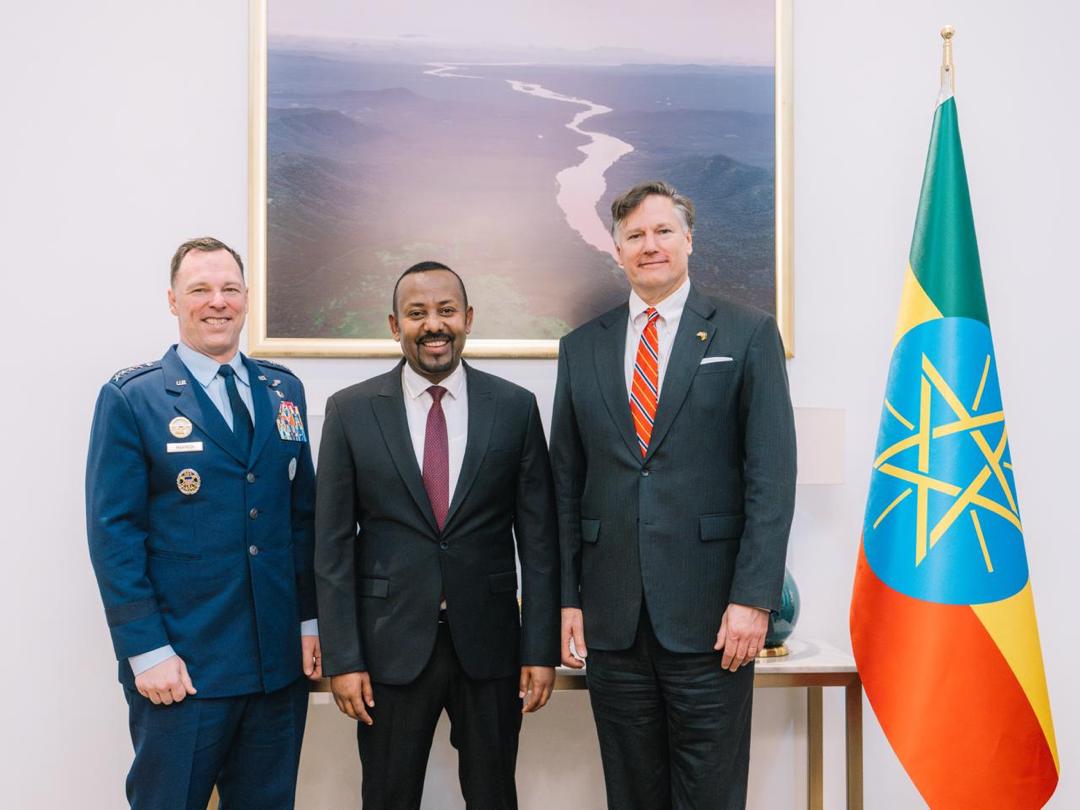
I received a courtesy visit from the Deputy Secretary of State, Christopher T. Landau @DeputySecState, alongside the Commander of U.S. Africa Command, General Dagvin Li Anderson. I appreciated the warm and constructive engagement, which underscored the importance of continued collaboration and mutual respect.
Prime Minister Abiy Ahmed and First Lady Zinash Tayachew, together with senior federal and regional officials, officially inaugurated the restored Fasil Ghebbi. The extensive restoration project has breathed new life into this treasured heritage site, preserving its history while enhancing its beauty and accessibility. The work included repairing palace structures, improving pathways, and carefully restoring key buildings using traditional materials such as cedar and wanza wood to maintain the site’s authentic character. Visitor amenities have also been significantly upgraded, with a new tourist center, modern public restrooms, and improved lighting and security systems. Several iconic landmarks, including the palaces of Emperors Fasil, Yohannes I, and Eyasu I, along with nearby bridges, baths, and historic gates, have all been meticulously renovated. In addition, over 40,000 square meters of the site have been landscaped, adding greenery and creating a more inviting atmosphere for visitors. The entire restoration was completed within just one year, ensuring the long-term preservation of this remarkable cultural heritage site.
#PMOEthiopia
During our review in Gondar City, we assessed the progress of the Megech Irrigation Development Project. The project encompasses a total area of 870 hectares and is expected to irrigate approximately 17,000 hectares of land. It has now reached an important stage with the successful completion of a key milestone—the river diversion. The remaining activities are progressing on schedule, and once the Megech dam is completed, the irrigation benefits are expected to significantly enhance the area’s agricultural productivity.
Day one in the Bale Zone has shown us the powerful nexus between natural wonders and development progress. The Bale Mountains National Park, with its remarkable diversity, continues to be one of the cornerstones of our tourism pillar. This potential will soon be strengthened by the completion of the Dinsho Lodge, located at the heart of the park. While nearby, the Sof Omer Luxury Lodge, now nearing completion, is designed to advance Ethiopia’s Ten-Year Strategic Plan by positioning tourism as a key driver of economic growth. The lodge will elevate visitors’ experiences at the Sof Omer Cave, offering premium accommodation and leisure facilities and is complemented by the Sof Omer Cave Development Project.
In the realm of road infrastructure, the Robe–Goro–Sof Omer–Ginir Junction Road Upgrading Project plays a vital role in linking the highly productive agricultural zones of East Bale and Bale with central Ethiopia. This connection not only improves accessibility and economic integration but also facilitates travel between major attractions such as the Sof Omer Cave and Bale Mountains National Park. Built to high standards with dual asphalt concrete layers, the project covers 29 kilometers of urban and rural roads and includes five bridges ranging from 12 to 140 meters in length.
We concluded the day with a review of the Weib River Flood Control Project, which aims to regulate water flow inside the Sof Omer Cave, ensuring year-round accessibility and safeguarding the cave’s ecosystem. Together, these initiatives reflect our unwavering commitment to sustainable development.
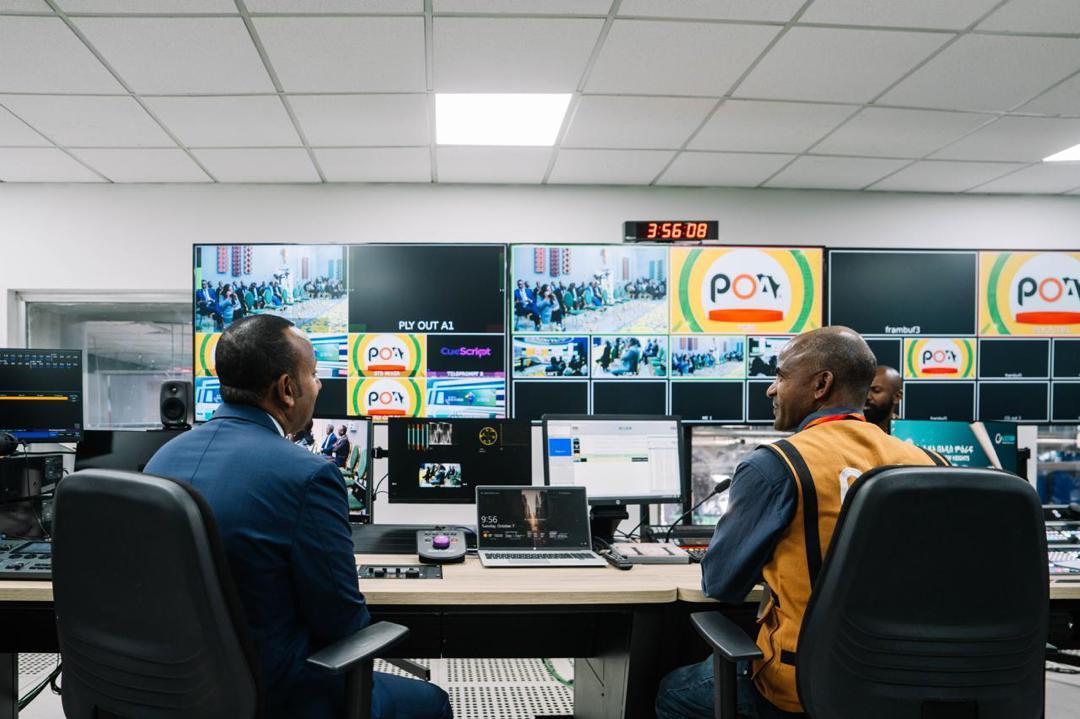
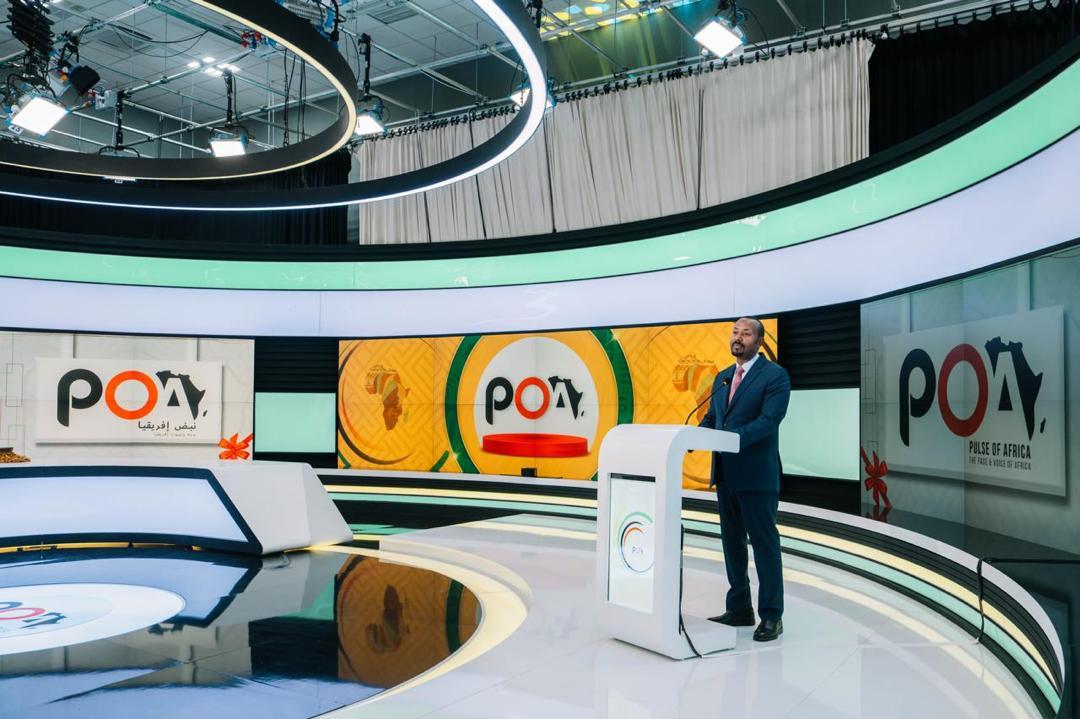
The launch of the pan-African media platform Pulse of Africa marks an important step toward countering negative media representations of Africa and asserting our agency in shaping our own narratives. Although Africa is vast and full of potential, it has too often been portrayed as smaller and less capable than it truly is. This is why Pulse of Africa represents such a significant and humble beginning and one that, in the coming years, is poised to grow into a leading continental media platform.
There is no doubt that Africa is on the path to becoming a major industrial powerhouse and a key global player. The establishment of Pulse of Africa is therefore a forward-looking step, laying the foundation for a strong and authentic African voice in global media.
Today marks a historic occasion for all Ethiopians as we lay the foundation stone for two transformative projects: the urea fertilizer plant, to be developed by Ethiopian Investment Holdings in partnership with the Dangote Group, and the Gode Oil Refinery, to be constructed by Golden Concord Group Limited (GCL).
The Gode Oil Refinery will have a production capacity of 3.5 million tons per year, utilizing crude oil and condensate from the Hilala oil field. Meanwhile, the fertilizer plant, with a capacity of 3 million tons annually, will rely on natural gas from the Calub gas fields, delivered through a 108 km pipeline.
These projects represent more than industrial progress. They embody our shared responsibility to harness opportunities, strengthen cooperation, and promote peace. Hence I call upon all Ethiopians to continue mobilizing in unity for progress. By doing so, we elevate Ethiopia’s presence on the global stage in a way that honors the true spirit of our Ethiopian identity.
Today at my office, I received Massad Boulos, Senior Advisor for Africa at the U.S. Department of State, with whom I held discussions on a range of issues.
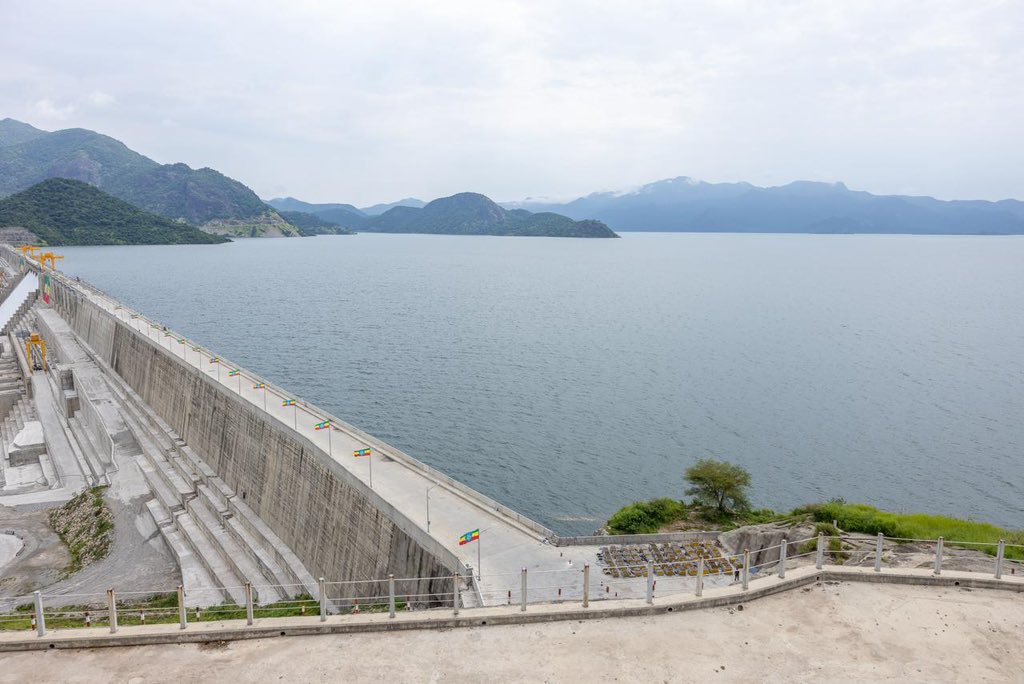
The Grand Ethiopian Renaissance Dam is a bold affirmation of Africa’s ability to marshal its own resources and shape its destiny. Funded entirely by the Ethiopian people, it is more than an infrastructure project; it is Africa’s largest hydropower facility, with an estimated capacity of 6,450 megawatts, and a continental symbol of self-reliance and progress.
For Kenya, it offers immense promise. We are ready to sign a power purchase agreement with Ethiopia to offtake surplus electricity to power our industries, ICT hubs, manufacturing, and agro-processing, while strengthening competitiveness, creating jobs, and driving sustainable growth.
No nation should be denied the chance to build such transformative assets because, with time, they become shared sources of prosperity.
Yet, even as we celebrate, we remain mindful of differing perspectives among Nile Basin countries. Kenya reaffirms its support for equitable use of shared waters and urges Ethiopia, Egypt, and Sudan to continue pursuing trilateral talks in good faith. Dialogue and compromise remain the surest path to a fair agreement that safeguards prosperity and stability for all.
Honoured to join fellow leaders in witnessing the historic inauguration of the Grand Ethiopian Renaissance Dam at Benishangul-Gumuz Region. Congratulations to Prime Minister Abiy Ahmed and the Ethiopian people on this remarkable achievement.
With us were Presidents @IsmailOguelleh (Djibouti), @HassanSMohamud (Somalia), Salva Kiir Mayardit (South Sudan), Barbados Prime Minister @miaamormottley, Prime Minister of Eswatini Russell Mmiso Dlamini and Africa Union Commission Chair Mahmoud Ali Youssouf.
“GERD is not only a feat of engineering ambition; it is also a bold affirmation of Africans capacity to shape its own destiny!!” William Samoei Ruto (Phd), President of the Republic of Kenya