we could make love and live as one
and burn our fingers on the sun
but I have seen what love denies
i've drunk the teardrops from her eyes
https://t.co/em54tfvWEd
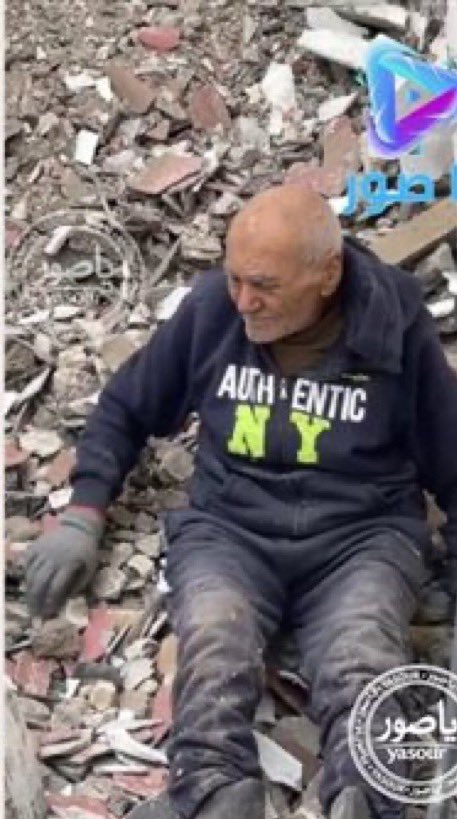
Hajj Hussein Ali Faqih “Abu Ali,” 87, wasn’t killed in a strike.
He wrote his own final chapter.
He chose to return, every day, to the ruins of his home in Srifa, South Lebanon. His daily return to the rubble, as if the house were still intact, had become a story in itself.
He slept on its stones, among the remains of a life he refused to leave behind, searching through the debris for the life he had lived there.
Abu Ali died there, sleeping on the stones that were once the walls of his life in Srifa, taking shelter in memories heavier than the loss itself.
War doesn’t always kill in a moment.
Sometimes it finishes the job slowly.
1/3 🧵
Paintings, Posters and Short Bio - Palestinian Artist Kamel Al Mughanni.
Exploring the legacy of Kamel Al Mughanni (1943–2008). Born in the Shuja'iyya neighborhood of Gaza, Al Mughanni wasn’t just an artist—he was a "munadel" (struggler). His life was defined by the Palestinian revolution; he spent three years (1969–1972) in Israeli prisons due to his affiliation with the resistance and saw his home dynamited by occupation forces. To Al Mughanni, art was never separate from the struggle for land and liberation.
1/ Continuity (1985)
2/ Fighters (1971)
3/ West Bank (1976)