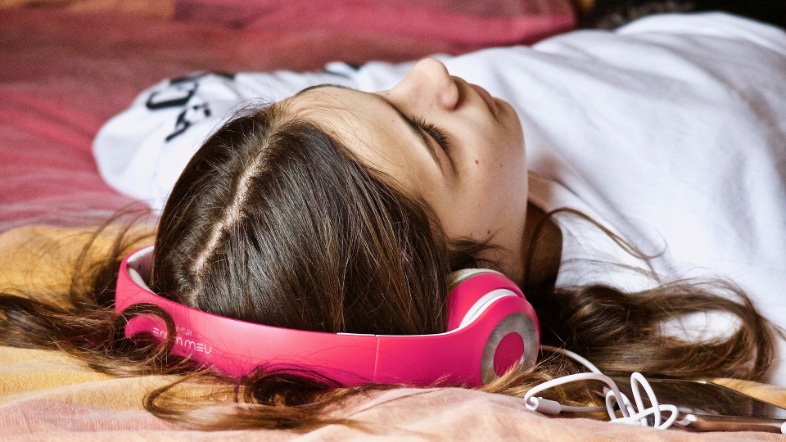
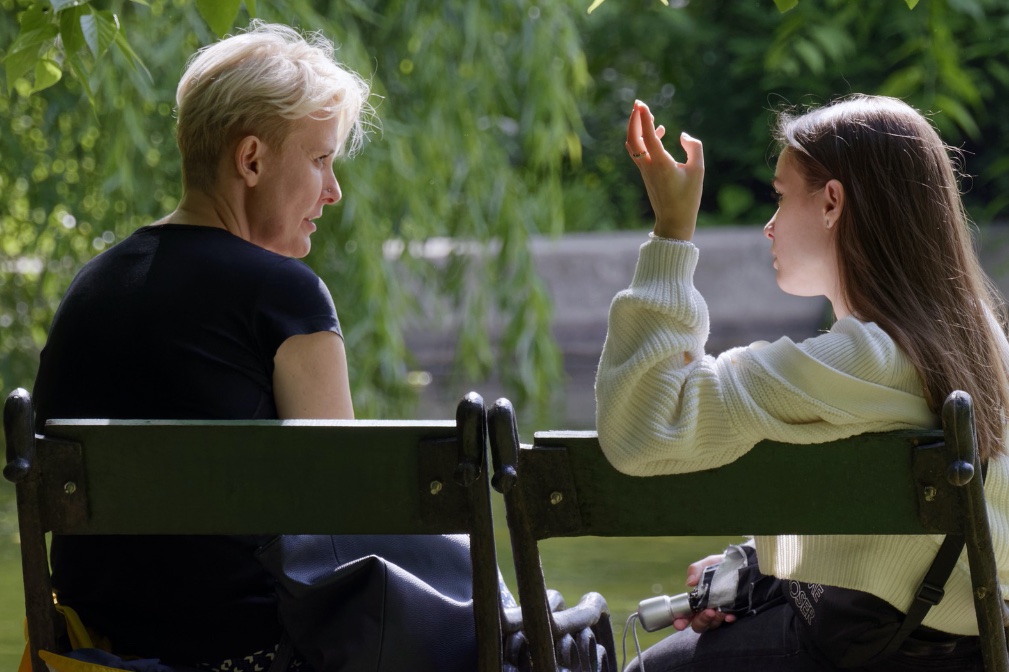
Young people who self-harm may not be ready to talk, knowing that you are ready to listen may be the hope they need to hold onto.
Our research considers the experience of young people who self-harm and that of their friends (14-17 years old). Get in touch: [email protected]
Self-harm does not discriminate, anyone can be affected. All experiences are important and must be valued and considered.
Our study aims to consider the experiences of young people who self-harm or have a friend who does (14-17 yrs old). Get in touch: [email protected]
Reaching out when you are struggling can be hard. ‘Reaching in’ to people in distress is important to start safe conversations.
Our research aims to understand your experiences of help-seeking and help-giving in self-harm (14-17 yrs old). Get in touch: [email protected]
Young people may self-harm to manage difficult emotions. However, over time it may lead to more difficult feelings.
Our research study explores feelings and how these change with self-harm among young people (14-17 years old). Get in touch: [email protected]
Self-harm is not attention-seeking, but attention-needing. Research suggests silence and stigma can stop people from accessing support. Talking can be helpful.
This interview study aims to give a voice to young people (14-17 years old). Get in touch: [email protected]
Self-harm: what’s happening in someone’s life, what they are thinking and feeling? Here is a helpful resource to help start conversations:[https://t.co/KfLnGsDj0z]
We are doing research to understand adolescent self-harm (14-17 years old).Get in touch: [email protected]
Supporting someone in distress can be difficult. Remember to look after you own wellbeing.
We are doing research to understand the experiences of friends supporting young people who self-harm (14- 17 years old). Get in touch: [email protected]
I’m looking for #youngpeople interested in taking part in an online #interview study about #selfharm. We’re interested in the experiences of young people who self-harm (14-17 years old) and their #friends.
If you’re interested, please get in touch!
[email protected]#research
Self-harm is different for each person. How do I understand my loved one’s self-harm? Ask them. Here’s how: https://t.co/v2aHERjvjy
We are doing research to understand self-harm. Get in touch: [email protected]
I’m looking for #youngpeople interested in taking part in an online #interview study about #selfharm. We’re interested in the experiences of young people who self-harm (14-17 years old) and their #friends.
If you’re interested, please get in touch!
[email protected]#research
Today is World Suicide Prevention Day.
We know that it can be scary talking to someone about their suicidal feelings, but it really can make a difference.
We've put together some tips to help. #WSPD2020
Self-harm: Lockdown can negatively impact young people's mental health. It is essential to prioritise and consider the experiences and needs of young people.
We are doing research to understand self-harm in young people (14-17 years old). Get in touch: [email protected]
The reason(s) behind self-harm often change, both within episodes as well as over time. Often people are unsure why they self-harm. It is always better to ask than to assume.
| Research study on young people's experiences. If interested, please get in touch! |
[email protected]
I’m looking for #youngpeople interested in taking part in an online #interview study about #selfharm. We’re interested in the experiences of young people who self-harm (14-17 years old) and their #friends.
If you’re interested, please get in touch!
[email protected]#research