Curators is a business built on trust.
However, in the recent incidents, bad debt was incurred due to poor asset exposure.
@SteakhouseFi addresses the exposure problem by using a layered risk framework that assigns ratings to each vault based on assets, platforms, and markets.
Stablecoin Earn, now live in Trezor Suite.
@Trezor's 2M+ users can access Steakhouse Prime USDC and USDT vaults.
Curated by Steakhouse. Powered by @Morpho.
I'm assuming this is mostly rage-baiting hyperbole, but it's still worth drawing the distinction here, especially given how new onchain vault products are and how few people have actually looked under the hood.
The hedge fund comparison breaks down at the part that actually matters, which is custody. A fund manager holds your assets and moves them around at their own discretion. A Morpho vault curator never touches the deposits at all. The smart contract holds the funds, the protocol enforces the rules, and the curator only sets parameters. We could disappear tomorrow and your money would sit exactly where it is, governed by code anyone can read.
And it goes further than custody. The Guardian role on our @SteakhouseFi vaults isn't us, it's the depositors, all of them in aggregate. If Steakhouse proposes adding a new collateral, any depositor can start a vote to veto it, and we set the quorum deliberately low so it only takes a small fraction of them to block it. Nothing gets slipped in behind your back. New collateral sits behind a timelock, so if you don't like what's coming you can either help vote it down or just withdraw before it ever goes live. You would have to wait until the next investor update to learn about mandate drift in a hedge fund. Here you get a vote and an exit before anything changes.
What curators configure is asset backed lending, with transparent and strongly enforced constraints. Every position is a loan against posted collateral, with a published liquidation loan to value, a named oracle, a defined rate model, and hard supply caps. It's hardly a black box though I concede it can be hard to parse and compare. It is, however, evidently not opaque.
Compare that honestly to a credit hedge fund. There you get a quarterly letter, marks you can't independently verify, concentration you can't see, unilateral discretion, and a manager who is literally holding your money. With a vault you get every loan, every allocation, every realized loss, and every fee, live, queryable by anyone, enforced by code instead of promised in a pitch deck. It's not less transparent than a fund. It's dramatically more.
You are right that the data can be scattered and that nobody has fully packaged it yet. That is absolutely a frontend and user experience problem. We also believe it is eminently fixable and our philosophy is to show our work and maximize the constraints we operate our vaults with.
The reason we build onchain is to put more transparency into a system that has spent decades getting good at the opposite. We're not perfect and there's considerably more that needs to be done to achieve that, but we believe we're on the right trajectory.
Stablecoin Yield in @Trezor Suite, powered by Morpho
Trezor is bringing noncustodial yield curated by @SteakhouseFi to its 2M+ users, adding to existing on/off ramp, swap, and staking services, making Trezor Suite a complete hub for onchain finance.
Institutions in. AI in the protocol. Regulations being written.
DeFi at a Crossroads: Ramzy Ali (@SolanaFndn ), Adrian Cachinero (@SteakhouseFi ), Marcel Harmann (CVA Board).
📅 May 28, Zug | 🎟 https://t.co/cMBORBseQw | 🌐
This is not in this years finance Bill.
The 10% excise duty on fees charged replaced the 3% digital asset tax (DAT) which was on the whole transaction amount in the 2025 Finance Act.
The excise duty has been there for close to a year now and was a welcomed alternative to the DAT.
My Story About Devcon Scholar 🌏✨
(Missing those days as Devcon 8 is Near )
Getting selected for the Devcon Scholars Program by the Ethereum Foundation during Devcon SEA Bangkok was one of the best experiences of my Web3 journey.
Selection Process :
The selection process itself was very exciting. First, they shortlist the top applications from around the world. After that comes the interview round where they ask about your leadership experience, technical background, community contributions, and how you manage responsibilities and solve problems in ecosystems.
After the interview rounds, selected candidates receive the acceptance confirmation. The whole process was super professional and supportive.
I am not exactly sure about the total number of scholars selected globally, but it was around 30+ people from different countries and backgrounds.
The best part was that the @ethereumfndn covered everything completely including flights, accommodation, travel support, and event access.
Even after I accidentally missed my return flight from Bangkok to India, the team helped me again by booking another ticket for me. That level of support and care is something I will never forget. 💜
Special thanks to @_madison_adams and the entire @EFDevcon Scholars team for the incredible effort they put into managing the whole program and supporting every scholar throughout the journey. The coordination, hospitality, and care for the community were truly amazing. 🙌🏻
What is the Devcon Scholars Program?
The Devcon Scholars Program is an initiative by the Ethereum Foundation created to support talented builders, researchers, students, community leaders, artists, and creators who face financial or geographical barriers to attending Devcon.
The goal is to bring more diverse voices into the Ethereum ecosystem and help new contributors grow globally.
How the Scholar Journey Works
Before Devcon, scholars join mentorship sessions, online meetups, and learning cohorts with other selected participants.
During Devcon week, scholars attend special networking events, connect with Ethereum researchers, founders, builders, and ecosystem leaders from around the world.
After returning home, scholars are encouraged to create learning artifacts like blogs, videos, repositories, research, or community initiatives to share knowledge with their local ecosystem.
Honestly, this program is much more than just a scholarship. It is an opportunity to become part of the global Ethereum community and meet some of the most inspiring people in Web3. 🚀
Grove Points Program leaderboard is now live 🦜
Check where you rank, anytime.
Points accrue linearly and update every 15 minutes, with the leaderboard refreshing on the same cycle.
Enter the Grove at https://t.co/a3VakCjUrF
Ready, set, go.
When 3 of Europe's best collab, users get instant onchain access to the Steakhouse High Yield vault.
Fintech front, DeFi back.
Powered by @morpho.
The Grove Points Program is Live🦜
Grove Points opens Grove to the wider community, with 10M points available daily.
There's only one way to Enter the Grove: supply USDS or USDC through Grove Savings and accrue points.
Credit where credit is due.
https://t.co/a3VakCkshd
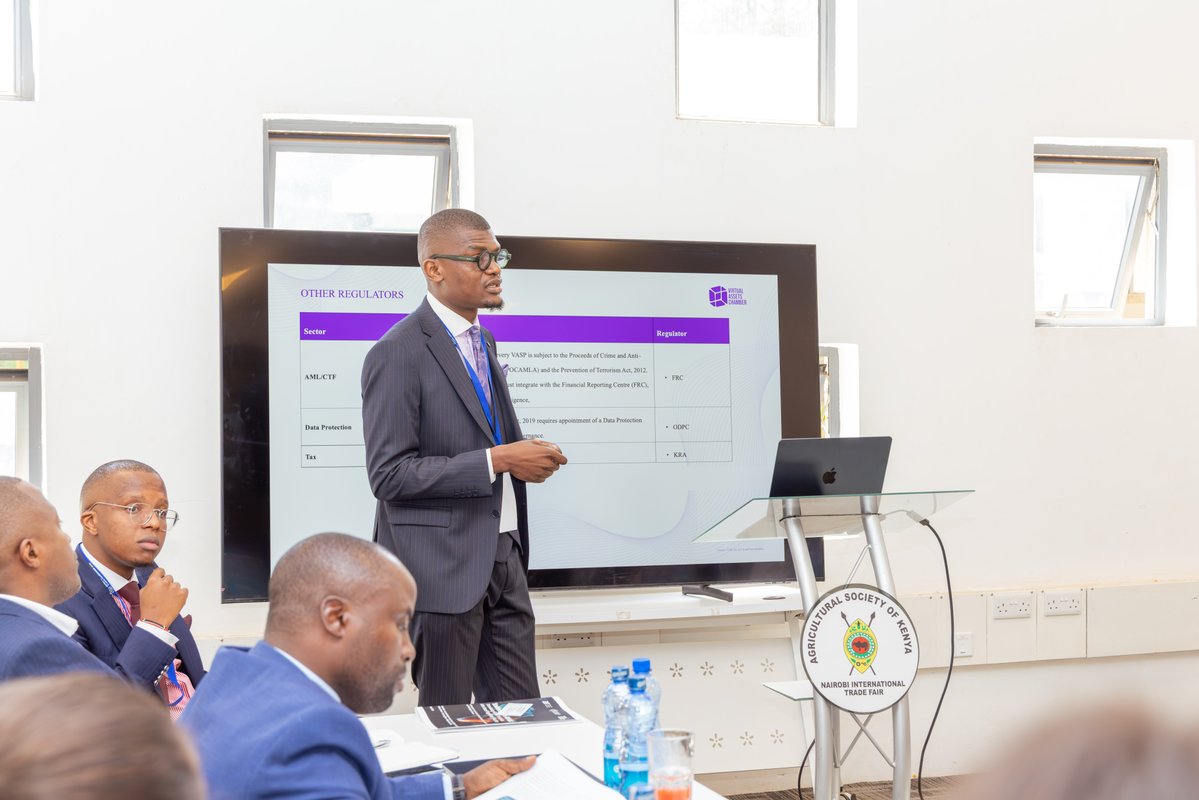
🇰🇪 @Billokello and @allan_kakai from Steakhouse legal joined the Kenya Blockchain Conference last week.
The stablecoin economy is growing fast, and we're glad to share what we've learned to help propel it forward.
"Until death, all defeat is psychological." - Marcus Aurelius
Refuse everything that would lead most people to give up.
Refuse it.
Rise from the dead 1000 times.
Commit to never stay down & never give up.
Everything you want is on the other side of struggle.
RWAs are about to have their stablecoin moment.
Introducing Grove Basin: programmable credit infrastructure enabling eligible tokenholders instant stablecoin liquidity for approved exits from tokenized offchain assets.
Up to $1 bn in committed daily liquidity.
Tap in 🚰
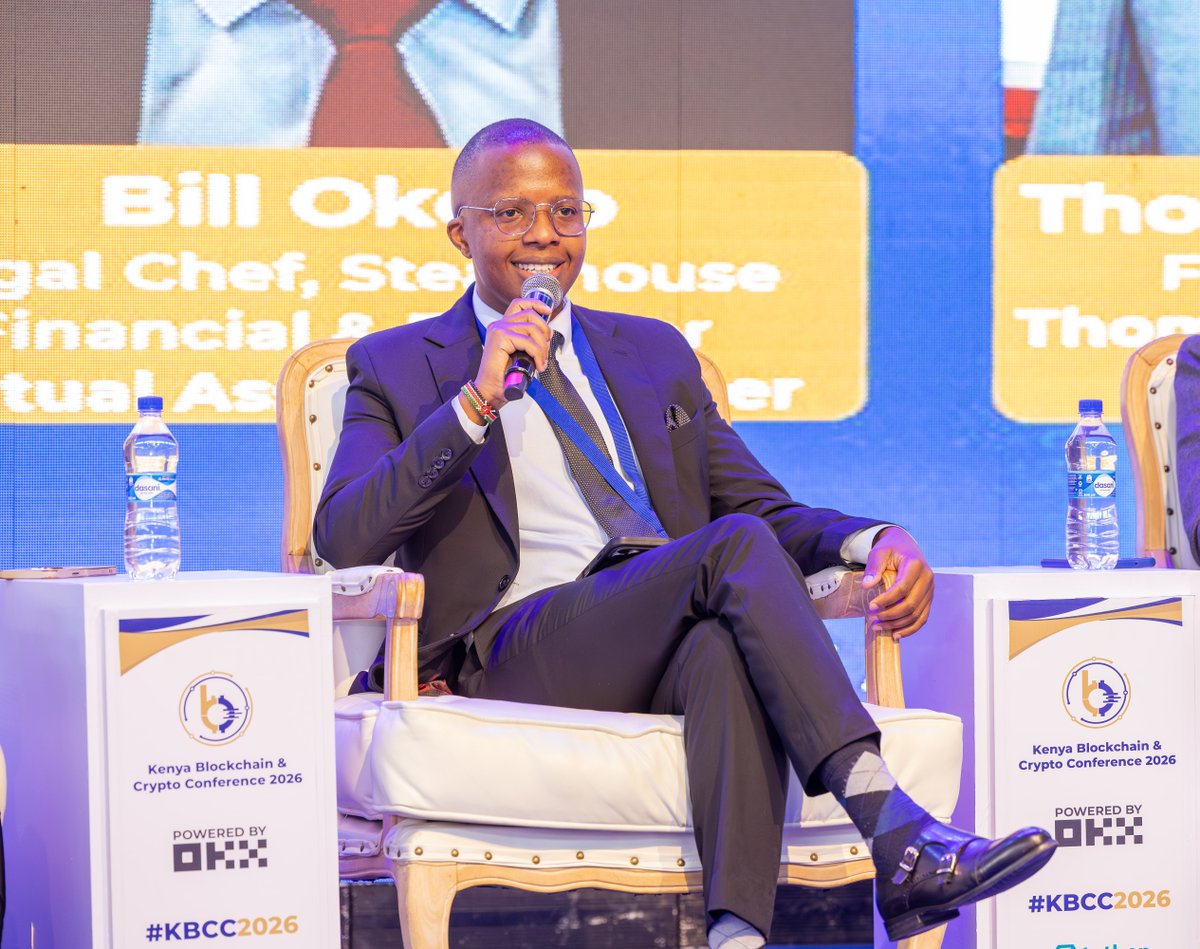
Regulation is no longer a future conversation,it is already shaping how digital assets operate across Africa.
At KBCC 2026, this panel brings together policy leaders and operators to discuss what is working, what is unclear and what needs to change to move from guidelines to real market implementation.
This is a practical look at how regulation meets day to
day operations,licensing,compliance and building within evolving frameworks.
Join Mabuti Mutua, Edline Murungi, Bill Okello,Thomas Louis Abira and Muthoni Njogu as they discuss the future of digital asset regulation in Africa and the bridge between policy intent and market implementation at KBCC 2026.
If you are navigating digital assets in Africa, this is a conversation you do not want to miss!
Register: https://t.co/dEPJC7ldx4
🗓️14-15th May 2026
📍A.S.K Dome, Nairobi
#KBCC2026 #Stablecoins #Payments
@tether@yellowcard_app@vaspchamber@tlouisadvocates
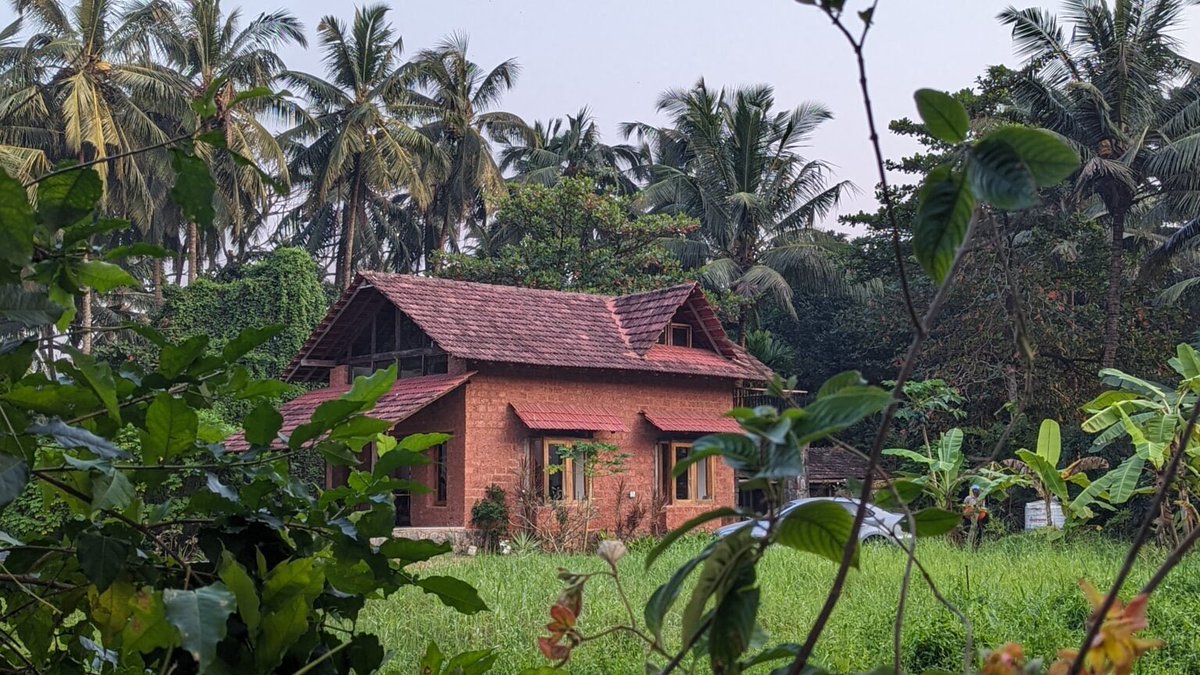
Goa, India. An architect who refuses to build against the land she was born on.
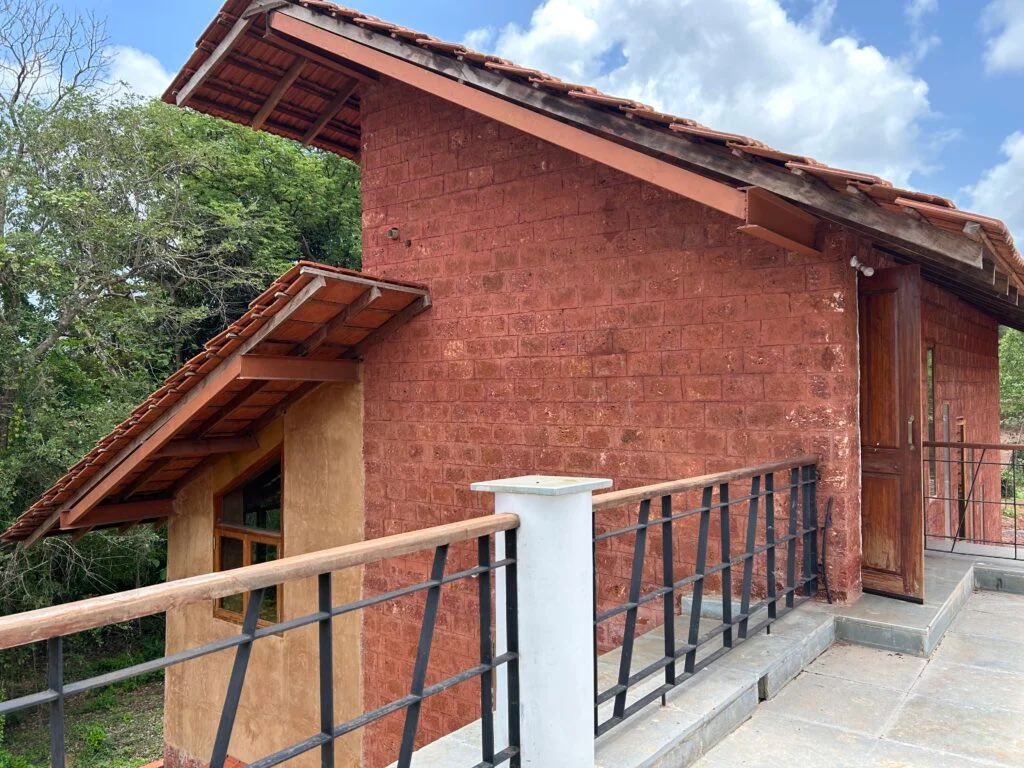
Tallulah D’Silva. Practice: Architecture T. Materials: laterite quarried meters from each build site, mud blocks made from Goa’s own red, yellow and black soils, reclaimed timber, lime plaster and no mechanical cooling required.
At Dhara in Salvador do Mundo, the laterite walls breathe. Cut parallel to the stone’s natural grain, the porous texture regulates humidity through Goa’s brutal monsoon summers without a single mechanical system.
D’Silva redraws constantly, not because something is wrong, but because the site is still speaking. Wind tunnels through a courtyard more fiercely than calculated, she adjusts the screen. Seasonal soil tests reveal unexpected clay swelling, she revises the footings. She calls this fidelity, not failure.
She also teaches at the Goa College of Architecture. Her students dig earth pits before they open CAD. They test porosity before they render. Hands make before computers do.
This is what it looks like when an architect belongs to a place instead of imposing on it.
Architect: Tallulah D’Silva | Architecture T | Goa, India
We are excited to announce @Billokello as a Speaker at KBCC 2026
Bill Okello is a lawyer and digital assets professional working at the intersection of market infrastructure, innovation, and policy.
At Steakhouse Financial, he supports work across the evolving stablecoin and digital asset economy, contributing to initiatives that connect onchain finance with institutional-grade market infrastructure, treasury strategy and capital deployment.
He also serves as a Director at the @vaspchamber where he works with policymakers, regulators, and industry stakeholders to advance a more credible, connected, and forward-looking virtual assets ecosystem in Africa. His work focuses on strengthening the foundations that enable digital asset markets to grow responsibly, including regulatory coherence, trusted standards, institutional readiness, and the broader architecture needed to support seamless cross-border value flows across the continent.
With a background spanning law, digital finance, and ecosystem development, Bill is committed to helping shape an African digital asset economy that is innovative, well-governed, and built for scale. His work reflects a broader belief that Africa’s role in the future of finance will be strengthened by institutions, frameworks, and partnerships that inspire trust and enable markets to operate across borders with greater confidence.
This is a conversation you don't want to miss
Come connect with him!
Register: https://t.co/dEPJC7ldx4
🗓️14-15th May 2026
📍A.S.K Dome, Nairobi
#KBCC2026 #Stablecoins #Payments
Stablecoins are reshaping how money moves as clear rules abroad integrate them into financial infrastructure.
In the EU, MiCA limits how users benefit from this asset class, and the MiCA revision is the policy window to change that.
Join the petition:
https://t.co/KBZIAfo1Jr