Today in 1973, the greatest horse race in history was run.
Secretariat won the Belmont Stakes by 31 lengths to become the Triple Crown winner and set a world record time that has never been beaten!
🎥: CBS Broadcast
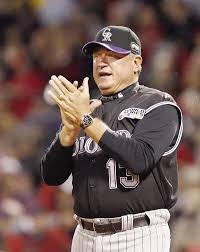
During one of the worst losing streaks of my career, our team president walked into my office.
Keli McGregor. One of the best men I've ever known.
He could have come to vent. To question my decisions. To ask hard questions.
Instead, he said: "Cut to the chase, Clint. What's next?"
I looked him in the eye and gave him two words: "Shower well."
The Colorado Rockies were struggling badly that year.
Pregame preparation was solid. Scout meetings, early work, attention to detail. All of it was there.
But at game time, the tires were flat.
I told Keli: the game did everything it could to us today. We just couldn't meet its demands.
Now it was time to reset.
"Shower well" means exactly this:
• Watch the frustration circle down the drain
• Shampoo, rinse, repeat and get the grime of today completely off your mind
• Walk out clean, go home, and actually rest
Leave it at the ballpark. The game is over. There's nothing left to solve tonight.
Keli nodded. Asked if he could share it with the whole organization.
I said sure. And then it hit me. This isn't just for baseball.
Bad day at the office. Grumpy boss. Missed deadline. Traffic on the way home.
You can carry all of that through your front door.
Or you can shower well.
I've never seen a single problem get better because someone dragged it home with them.
The reset is a discipline. Same as preparation. Same as showing up.
Either we win. Or we learn.
The only real loss? When you don't take a single thing out of a hard day.
So tonight, whatever kind of day it was, shower well.
Tomorrow is a new at-bat.
What does your reset look like? I'd love to hear it.
Coach Bobby Thompson @FDwrestling :
None personified "anybody, anytime, anywhere" better than Fort Dodge under your tutelage. Up or down, the Dodgers were ALWAYS down to a scrap to the end.
You represented the Fort Dodge wrestlers and community with Hall of Fame integrity.
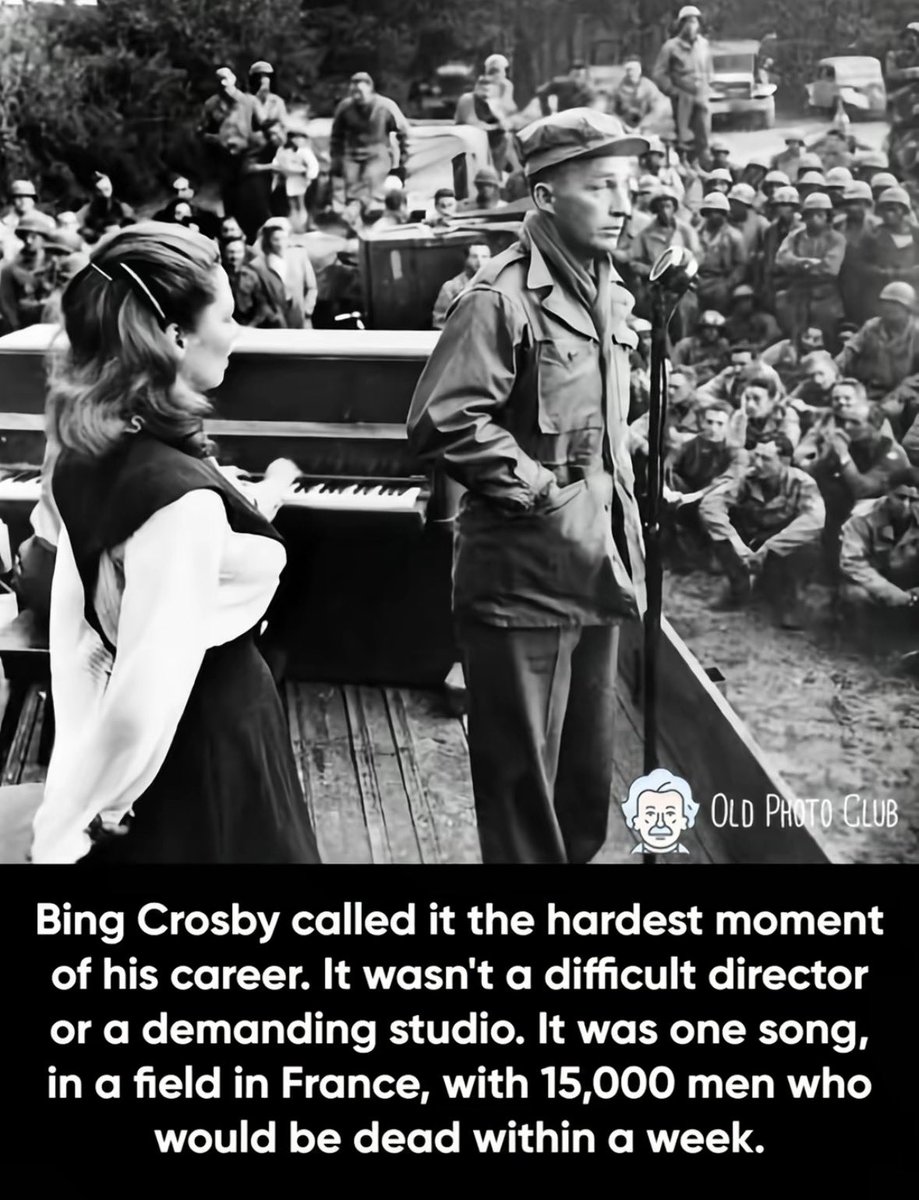
Late in Bing Crosby's life, his nephew Howard asked him a casual question while they were out playing golf together.
"What was the single most difficult thing you ever had to do in your career?"
Howard expected Hollywood stories. Maybe gossip about a demanding director. Perhaps the pressure of a high-stakes film production or a struggle with studio executives.
Bing didn't have to think about it at all.
December 1944. Northern France. The war in Europe was grinding toward its bloody conclusion.
Bing Crosby was on a USO tour, performing for American GIs and British soldiers far from home during the coldest, darkest days of winter.
That night, they set up an open-air stage in a field.
Fifteen thousand soldiers gathered to watch. Bing was joined by Dinah Shore and the Andrews Sisters.
They sang, they joked, they made the men laugh and holler—a brief moment of joy in the middle of a war zone.
Then came the closing number.
"White Christmas."
The song had already become an anthem for homesick soldiers since its release in 1942. It played constantly on Armed Forces Radio. Men who hadn't seen their families in years, who didn't know if they ever would again, heard those opening notes and thought of snow-covered streets and Christmas trees and the homes they'd left behind.
As Bing began to sing, he looked out at the audience. Fifteen thousand men were crying. He had to finish the song. He had to maintain his composure and his vocal control while 15,000 soldiers wept in front of him. He told his nephew it was the toughest thing he ever had to do in his entire career.
What made Bing Crosby's USO performances different from his Hollywood appearances were the small choices he made. He refused to wear his toupee. He hated the thing—called it a "scalp doily"-and wore it only when absolutely necessary for films.
But entertaining troops was different. "If I'm entertaining troops," he said, "I'm not going to wear anything phony like a toupee. Forget it."
He also insisted that officers and brass could not sit in the front rows. Those seats were reserved for enlisted men. The soldiers who would be on the front lines. The men who faced the greatest danger.
A few days after that performance in the field, those same soldiers were sent into combat. The Battle of the Bulge began on December 16, 1944. It was the largest and bloodiest battle fought by the United States in World War II.
The Germans launched a surprise offensive through the Ardennes Forest in a desperate attempt to split the Allied lines. Many of the men who had wept listening to "White Christmas" in that field in France never came home.
Bing Crosby tried to enlist when the war began. He was told he was too old. General George C. Marshall, the Army's chief of staff, told him directly:
"Look, Bing, we don't need you in the front lines. We need you raising money for the war effort." He wasn't just an entertainer to them. He was a piece of home. Bing never forgot it. 🙏♥️