4. What causes it
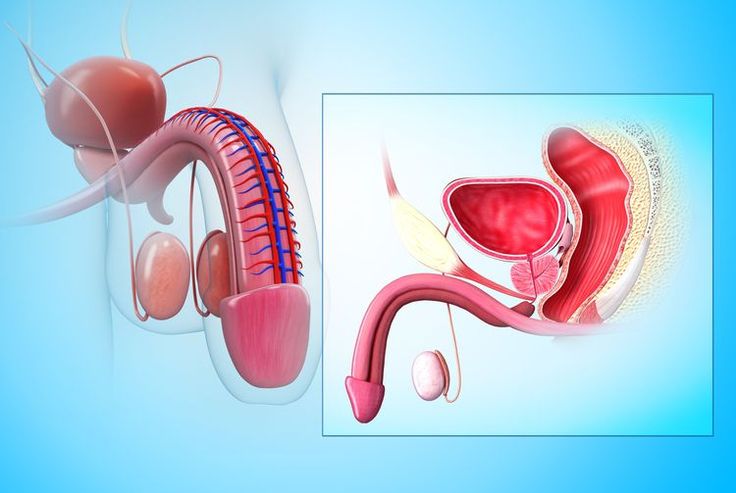
• Too much fluid. Drinking large amounts raises your output, especially at night.
• Diabetes. Your body either doesn't make enough insulin or can't use it properly. Blood sugar climbs, and your kidneys flush the extra sugar out with more urine.
• Pregnancy. Hormone changes and the baby pressing on the bladder mean more trips to the toilet.
• Medicines. Water pills (diuretics), often given for high blood pressure, make you pee more.
• Overactive bladder. It sends you to the toilet over and over, day and night.
• Kidney disease. Damaged kidneys can't concentrate urine, so more of it comes out.
Peeing far more than normal is a sign that something underneath needs checking. Diabetes, kidney problems, medicines and simple habits are all on the list. Find out which one it is, get it treated, and see your doctor if this sounds like you.
EVERYTHING YOU NEED TO KNOW ABOUT EXCESSIVE URINATION (POLYURIA)
Up 4 times a night and running to the toilet all day? Your body is trying to tell you something.
1. The signs
3. How it's treated
The fix depends on what's behind it:
• If diabetes is the cause, getting your blood sugar under control cuts down the extra urine.
• If a medicine is to blame, your doctor changes the dose or swaps it for another.
• Drink less in the evening to cut night-time trips, and ease off caffeine and alcohol, which both push more urine out.
• Treat the root condition, such as kidney disease, and the peeing settles.
• In some cases, surgery fixes the problem, for example a blockage in the bladder.
8. Dyshidrotic eczema
Deep blisters that itch and hurt form on the palms and the soles of the feet. Stress is a common trigger, and so is heavy sweating. Steroid creams bring down the swelling and itch.
Over 30 million Americans live with eczema. There's no cure, but the right treatment keeps it under control, and that starts with knowing which type you have. Spot your type, find your triggers and work with your doctor on a plan.
7. Nummular eczema
You'll know it by the shape: round, coin-like patches of dry, itchy, irritated skin, mostly on the arms and legs. Avoid triggers like certain fabrics, and use steroid creams to calm it down.
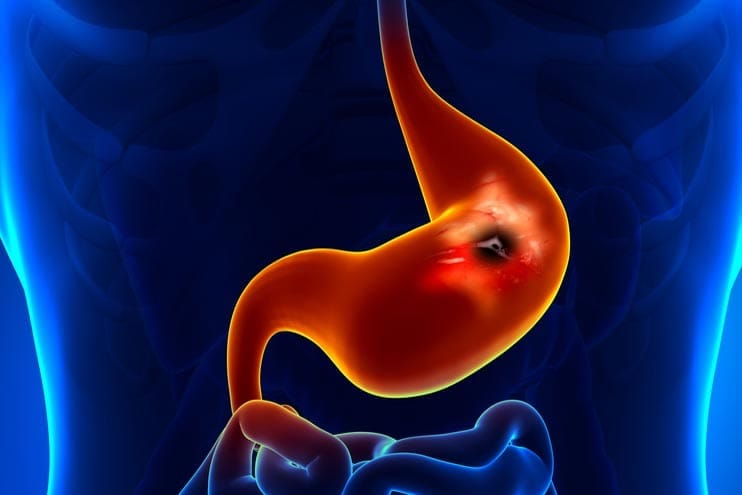
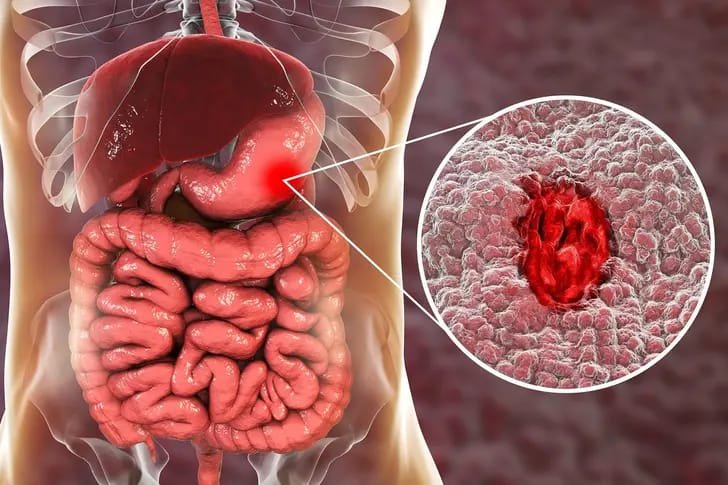
8. What an ulcer actually is
A painful sore in the protective lining of your digestive tract, which runs from your mouth through the food pipe, stomach and duodenum to your intestines.
7. The types that turn serious
Stress ulcers show up in people who are critically ill or under intense stress. Refractory ulcers are peptic ulcers that refuse to heal over time.
Bleeding ulcers are the most dangerous. An untreated peptic ulcer starts bleeding inside you, and that needs urgent medical help. Ignore it and the consequences are severe.