The Most Effective Pollinator Principle is a caricature of floral divergence. Adaptive landscapes can offer a more nuanced depiction of floral divergence that recognizes the fitness contributions of all visitors, not just the ones we think are important.
https://t.co/bcyimj48Bh
Mario Vallejo-Marin and his team have just released a great study contrasting pollen fates of 2 different buzz pollinated plants (with fused and unfused anthers). https://t.co/0qd6mvhETn
Pollen Wars: explosive pollination removes pollen deposited by previously visited flowers
Check out the early view publication in Am Nat
https://t.co/EfZ9KIKxhp
and the video below
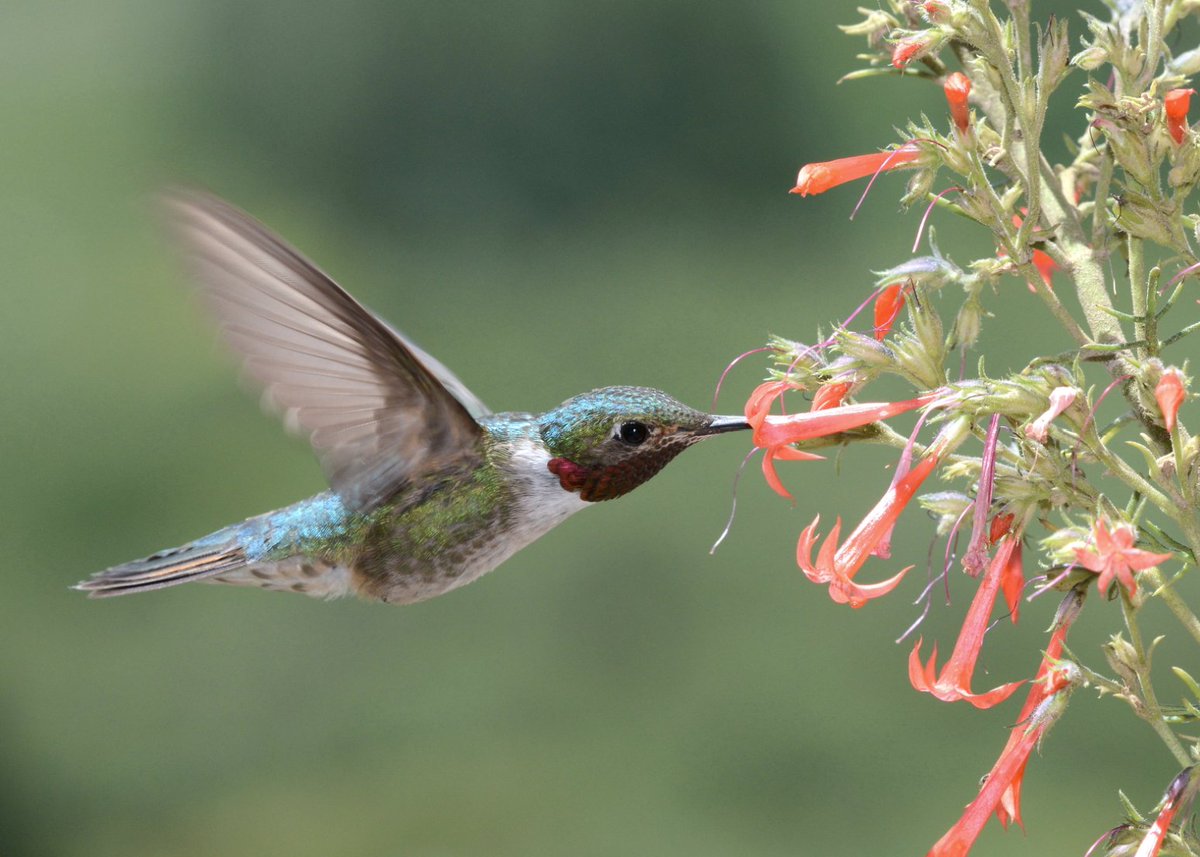
Some pollen is for loving, but some is for fighting: Check out this popular article explaining how explosive pollination is used to remove the pollen of rival flowers from the bills of hummingbird pollinators
https://t.co/UO9SoTAsjl
Also home to the largest living rodent. ..capybaras roam the shoreline of the lake munching on shoreline vegetation. They get over a meter long and weigh up to 70kg
Allan Ellis is well known for his work on mimicry, crypsis and deception https://t.co/HLji0llL0x
Here, he ttempts to hide among the daisies with his yellow t-shirt. But his students are not easily fooled!
This year the Nobel prize for chemistry was awarded to the researchers who discovered and made quantum dots accessible to applied sciences https://t.co/5TP6hgjzAr
What better time to apply quantum dots to biological research
Congratulations to Sam McCarren who won best session presentation at the 12th International Symposium on Pollination (ISPXII) for his talk: Fire maintains coexistence of divergent flower forms
In the dry savannah and shrublands, a tiny bird, the Anthoscopus minutus builds its nest from spider silk and plant fibres
It builds a false entry and a blind chamber to avoid predation
Watch it close the ‘door’ as it leaves, leaving the false one ajar