The IWA Conference on Water&Wastewater Management in Developing Countries (Perth, Australia) started today with a workshop on Onsite Sanitation, featuring Dr Miller Alonso Camargo-Valero as Guest Speaker (GHG from pits and tanks). @wateratleeds @GCRFWaterHub
Job alert ❗️Our group is recruiting candidates for two positions, Research Assistant in Bioprocess Modelling and Design, and Research Fellow in Microalgal Biotechnology. More details below.
Next week 6th Nov, we will be hosting the Leeds EPSRC CDT Twitter Conference. If you are a Leeds researcher in one of the participating CDTs sign up to take part! Can you summarise your work in 3 tweets? Do it really well and you could win £50!
https://t.co/qSNpssEq8y
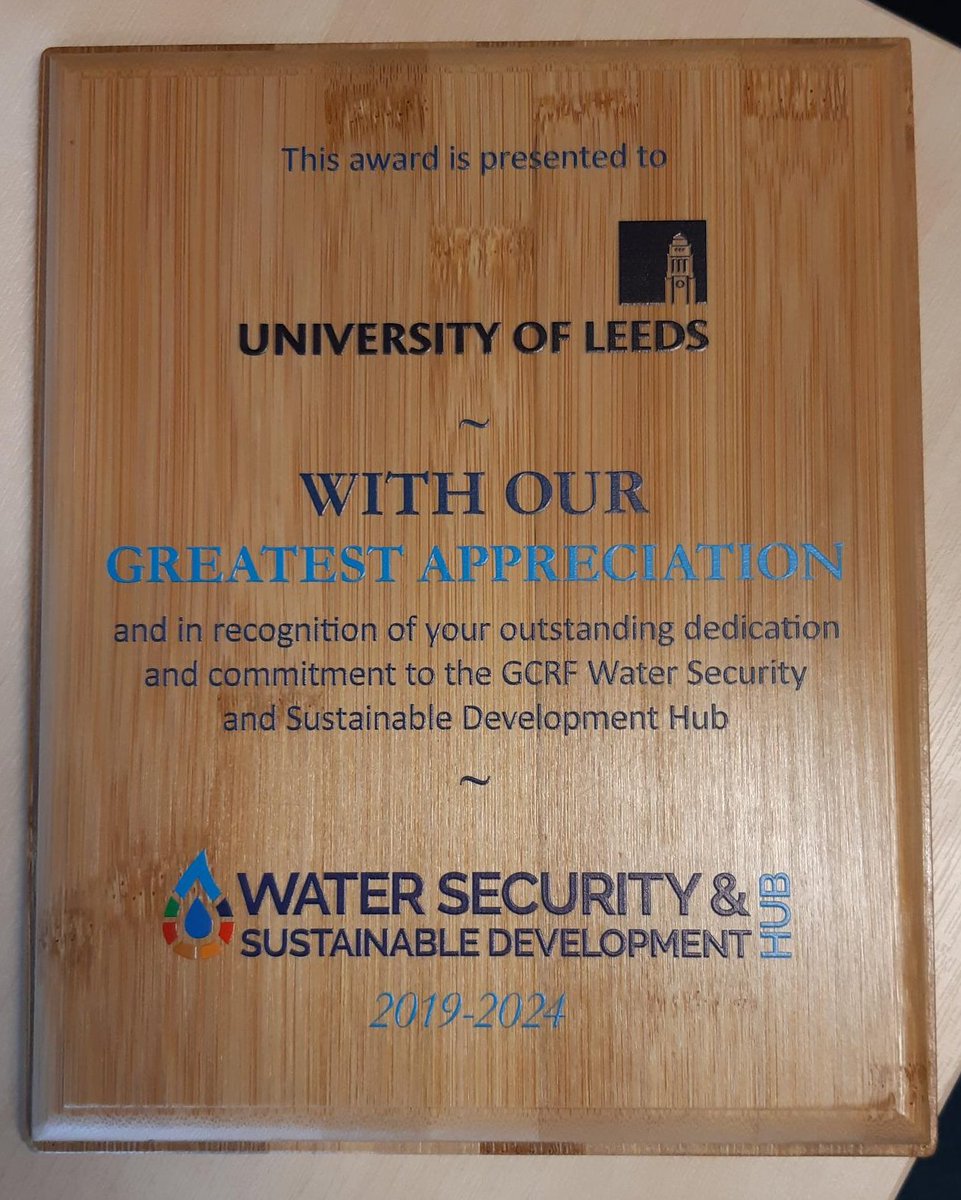
🌠As members of the @UniversityLeeds, we were excited to receive this plaque on its behalf. It has been a pleasure to be part of the @GCRFWaterHub. We look forward to continuing collaborations with our colleagues in the UK, Mal., Ind., Eth. & Col.
All the best and thank you all!
GCRF Water Security and Sustainable Development Hub Assembly, Delhi (India). Our last meeting just ended, with wonderful work from all collaboratories in Colombia, Ethiopia, India and Malaysia. The Leeds Team is very grateful for the opportunity to work in real world challenges.
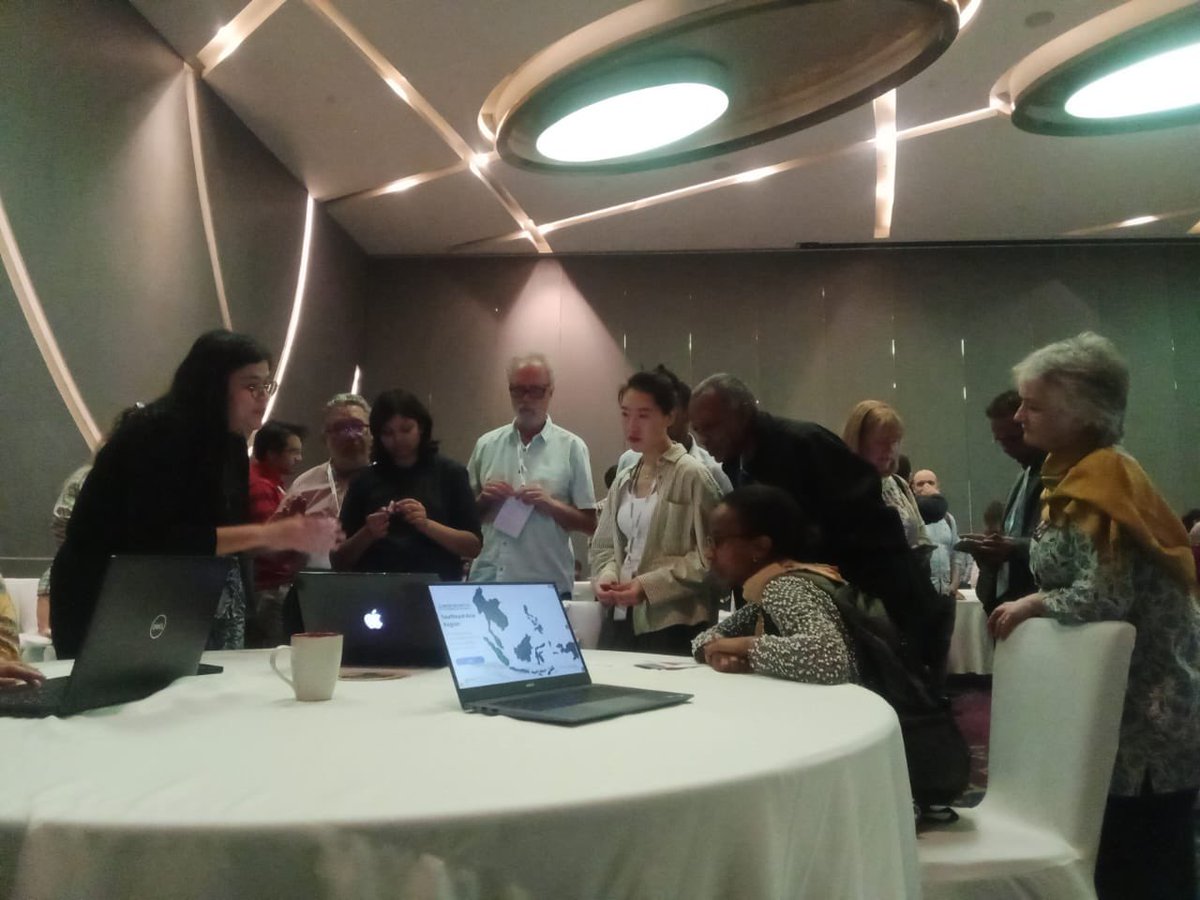
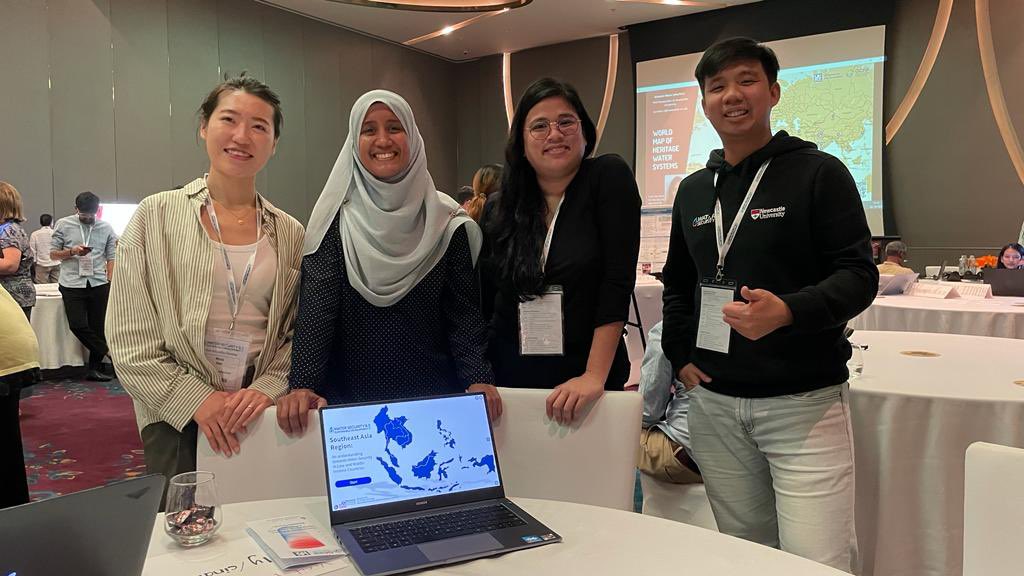
Engaging and lively session showcasing our interactive map on Southeast Asia region’s water security challenges and governance mapping, while mingling around fellow Hub colleagues with laughters and joy. So much fun! @GCRFWaterHub@NUMedMalaysia
Hello Delhi!!! Here we go. Our research group will participate in the GCRF Water Security and Sustainable Development Hub Assembly, organised by our colleagues from @iitdelhi (22-27 Oct-2023). Stay tune. @GCRFWaterHub@wateratleeds@LeedsUniEng
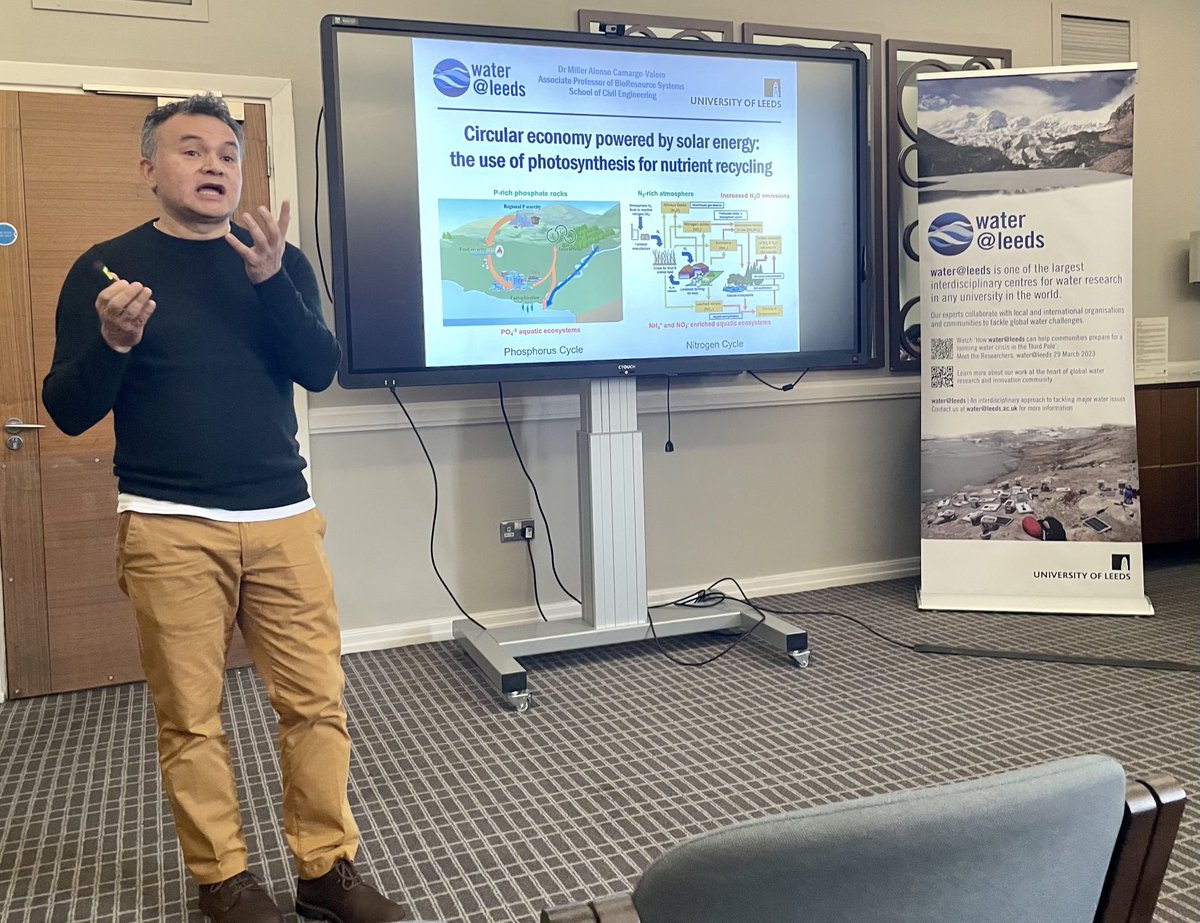
Prof Miller Alonso Camargo Valero presenting on Circular economy powered by solar energy: the use of photosynthesis for nutrient recycling. @LeedsUniCivil #Confluence23
Great fun training young engineering students in the lab at State University of Malang (Indonesia) and then conducting water quality surveys in out pilot system treating fish pond effluent using Duckweed ponds. Supported by @GCRFWaterHub, @wateratleeds, @WUNetwork
Exciting times for the microalgae team. Overexpression of Phosphorus Starvation Response 1 TF in C. Reinhardtii caused luxury in-cell P accumulation even under no previous P deprivation conditions.
This is big news for the venture of P recovery from wastewater using microalgae!
The first paper from my PhD work is finally out!!
Thanks to co-authors @payammehrshahi @scienceisnotfun and @homesmith9, co-1st authors Dr. Lili Chu and Dr. Stephen Slocombe and my supervisors Prof. Alison Baker and Dr. Miller Alonso Camargo Valero.
https://t.co/Fch5r6fOTN
We have a 3-year post doc available in the lab working on the roles of YAP and TAZ oncogenes in HPV+ cancers and the virus lifecycle. If you are a cell biologist/virologist and want to work in a collaborative, well-funded lab, join us! #HPV @ScienceLeeds
https://t.co/WlfaJsRL4X
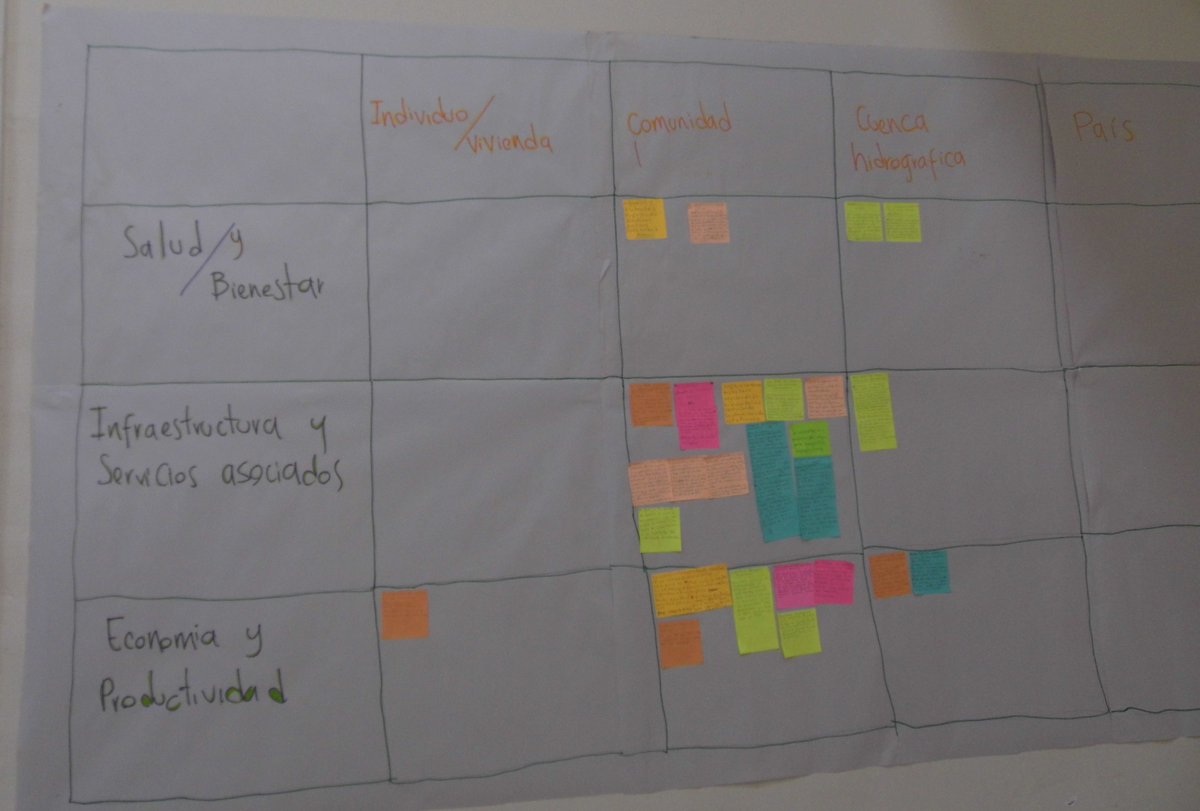
Step 1: By social cartography, participants identified water uses. Also, they listed problems arising from those uses. Finally, they created a network of hazards and consequences related to water security at Cajibío municipality. #MUISKAUpdate 2/5
💧Continuing with the regular #MUISKAUpdate
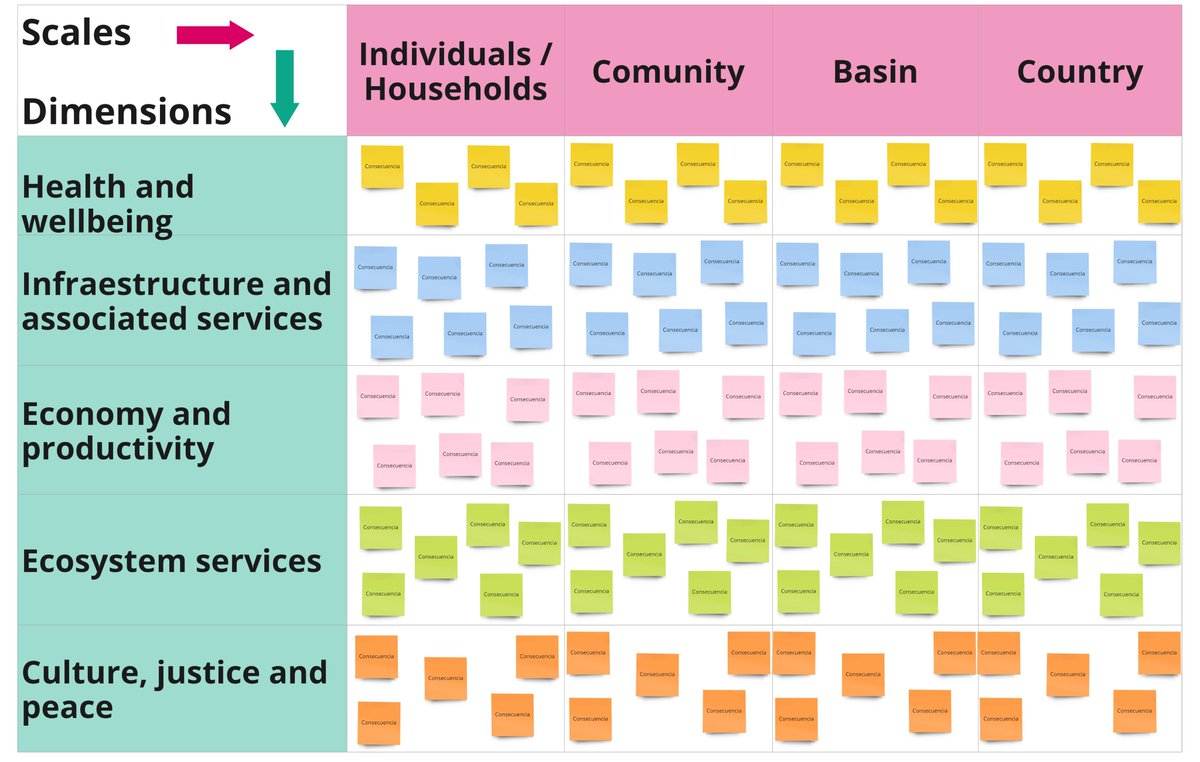
Step 2: Participants classified water-security problems according to four scales and five dimensions. Problems are more frequent at community scale and related to infrastructure, ecosystem services, and culture, justice and peace. 1/2
���🏽♀️💁🏻♀️Two of our researchers, @AngelaBayonaV & Carolina Montoya Pachongo, are co-leading the development of the MUISKA approach. By participatory research, they want to make MUISKA a useful tool for relevant parties to decide about water security in their territory. @GCRFWaterHub
As part of the @GCRFWaterHub , Two researchers from our group are collaborating to co-create MUISKA through 18 workshops with relevant parties. These activities develop each of the six steps of MUISKA. #MUISKAUpdate 1/5
🚧❤️🩹👩🏻⚕️💊 As ultimate consequences, they considered negative effects on human health, deterioration of the quality of the water supply service, and conflicts between people. #MUISKAUpdate 4/5