This Madaraka Day, Bio-Ke celebrates Kenya’s enduring spirit of self-determination and the immense potential of the bioeconomy to power sustainable growth, drive innovation, and create shared prosperity for present and future generations.
Such exchanges are essential to building responsive higher education systems that equip learners with the competencies needed to drive Kenya’s growing bioeconomy.
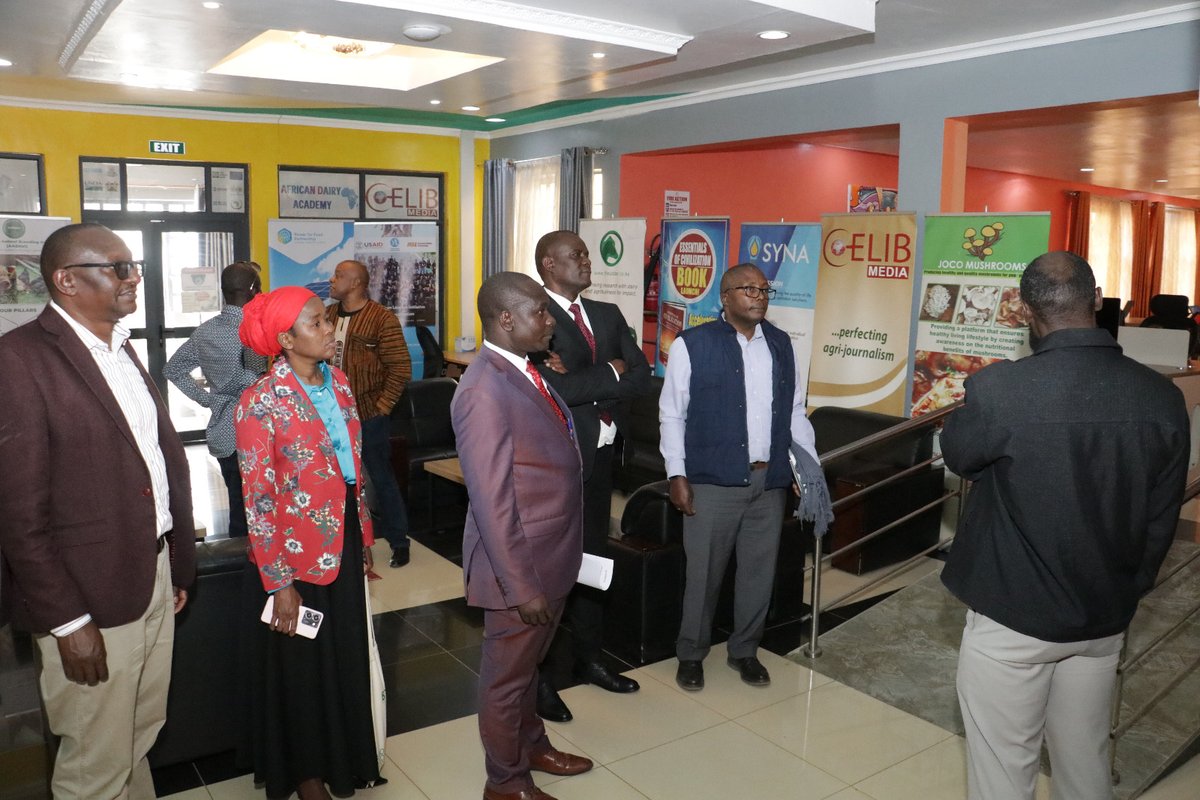
The visit to CoELIB further reinforced the importance of linking academic curriculum development with innovation ecosystems, research, and real-world application.
You’ll also find insights from the Bioeconomy Curriculum Needs Assessment across three Kenyan universities, and a chance to reflect on where you might fit into this growing space.
Explore: https://t.co/ISk5LPbtPt
Issue Two of the BioConnect Newsletter is out.
This edition looks at how Bio-KE is shaping Kenya’s bioeconomy through ideas already taking root, within universities, in communities, and through partnerships that are making a real difference.
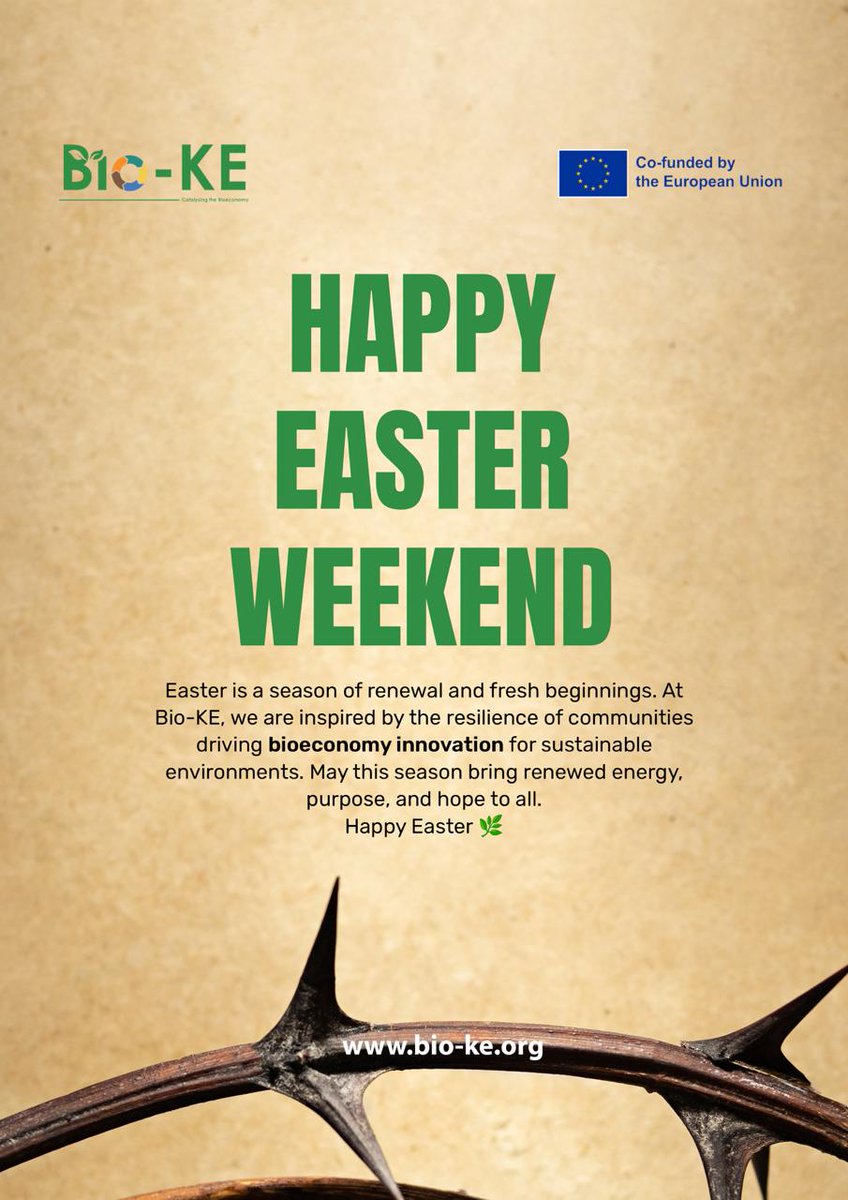
Easter inspires fresh beginnings and transformation.
In the same spirit, BIO-KE is advancing the bioeconomy through innovation, turning natural resources into sustainable opportunities for growth and impact.
Wishing you a season of renewal and progress. 🌱
As a Bio-KE partner, CoELIB - Egerton University remains strategically positioned to advance Kenya’s sustainable development agenda through evidence-based innovation, environmental stewardship, and multi-stakeholder capacity building aimed at long-term resilience.
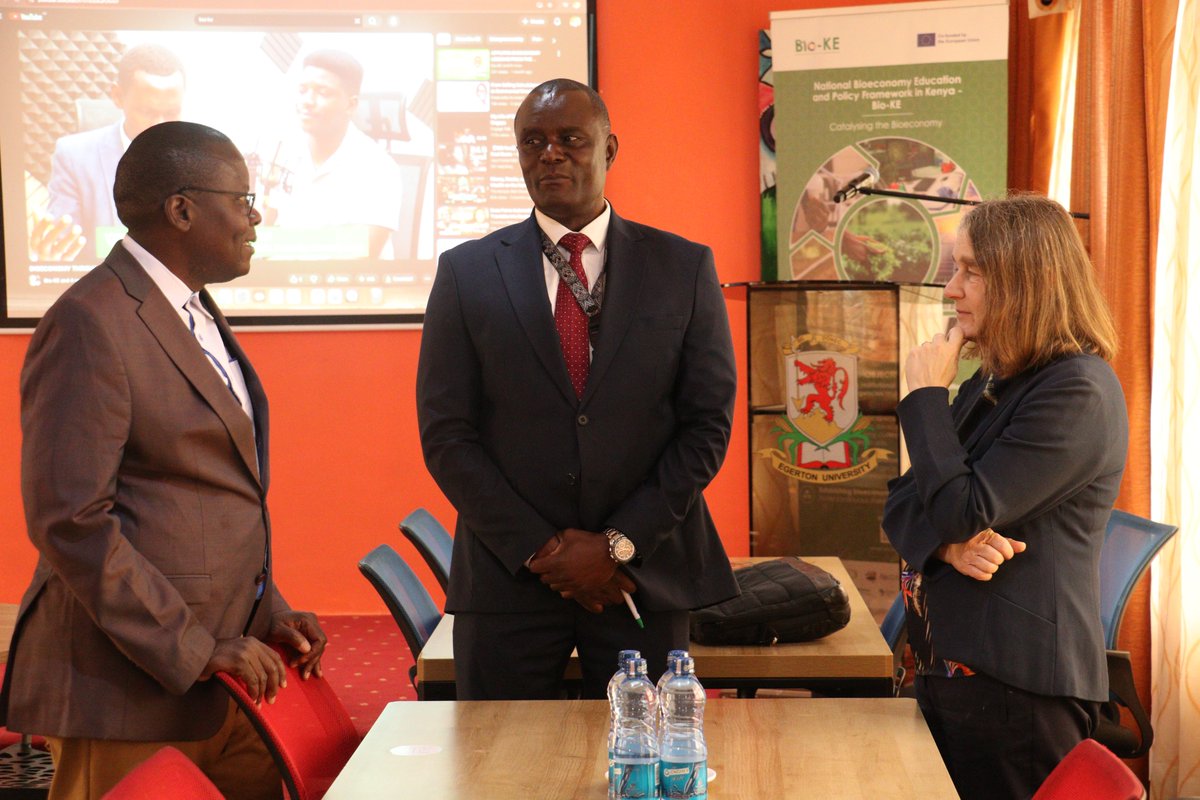
Prof. Alexander Kahi (Department of Animal Science, Egerton University and Director-CoELIB) welcomed a delegation from the National Bioeconomy Education and Policy Framework in Kenya (Bio-KE) project for a session focused on
“We are not just developing a framework; we are strengthening the capacity of our higher education institutions to lead in bioeconomy training, research, and policy support.”
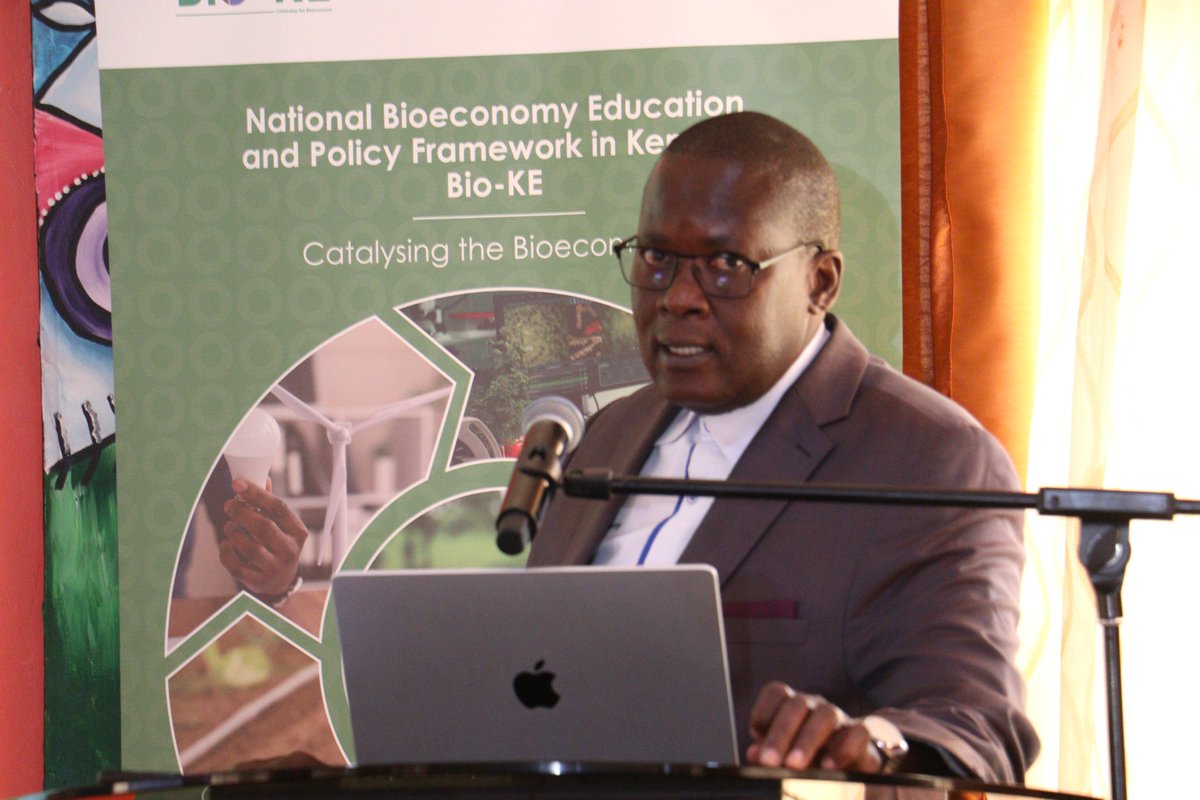
Prof. Thomas Rewe, Project Coordinator (Bio-KE), shares an overview of the project and its desired outcomes at the ongoing institutional capacity-building workshop on developing a bioeconomy education framework and strengthening higher education curriculum development capacity.
The two-day workshop hosted by CoELIB, Egerton University, is focused on mapping practical pathways for institutional capacity strengthening, empowering universities and government agencies to design and sustain impactful change.
We appreciate Citizen Digital for taking the time to highlight the work of the Bio-KE Project. Their recent story captures how, working closely with partners, Bio-KE is advancing the bioeconomy.
https://t.co/hFx3sOvuZ5
Discussions also focus on aligning Bio-KE with Kenya’s National Bioeconomy Strategy, promoting policy skills development and fostering living labs and bio-entrepreneurship ecosystems.
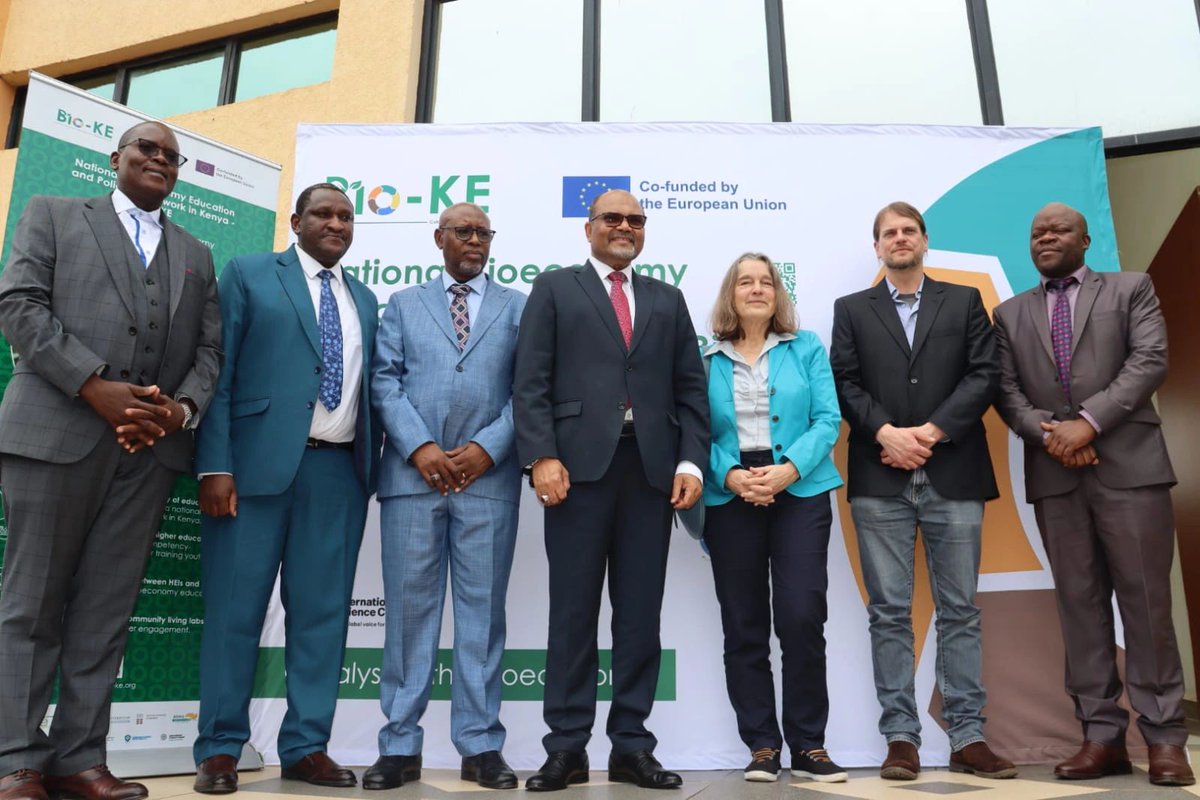
Underway (23rd February 2026): Prof. Shaukat Abdulrazak, Principal Secretary for the State Department of Science, Research and Innovation, delivering the keynote address at the Bio-KE Project Advisory Board Meeting at NACOSTI Plaza, Nairobi.
The meeting hosted by the National Commission for Science, Technology and Innovation (NACOSTI) and convened by the Bio-KE Project Secretariat seeks to strengthen strategic alignment and collaborative effort around bioeconomy higher education reform and policy coherence.