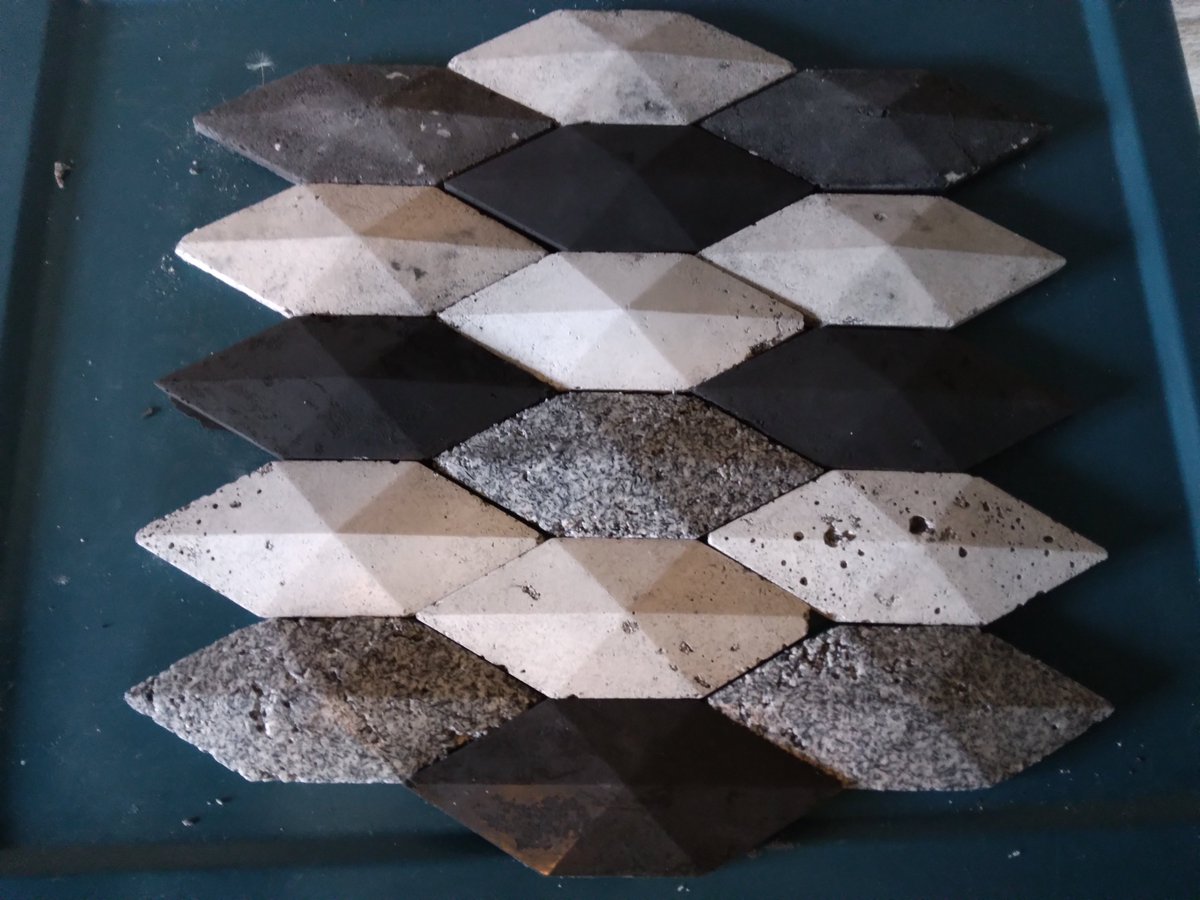
@jp_attwood Check out Snohetta in Norway. They are using biochar in cement. Also if you swap out fossil fuel heat and use pyrolysis and/or gasification instead in cement manufacturing then the embodied carbon goes way down.
✅ Don't miss this opportunity to network with the #biochar community at IBI's Mid-Summer Member Meet & Greet! Registration coming soon - and if you're not yet an IBI member, now's a great time to join. ♻️
https://t.co/rowgvqslmV
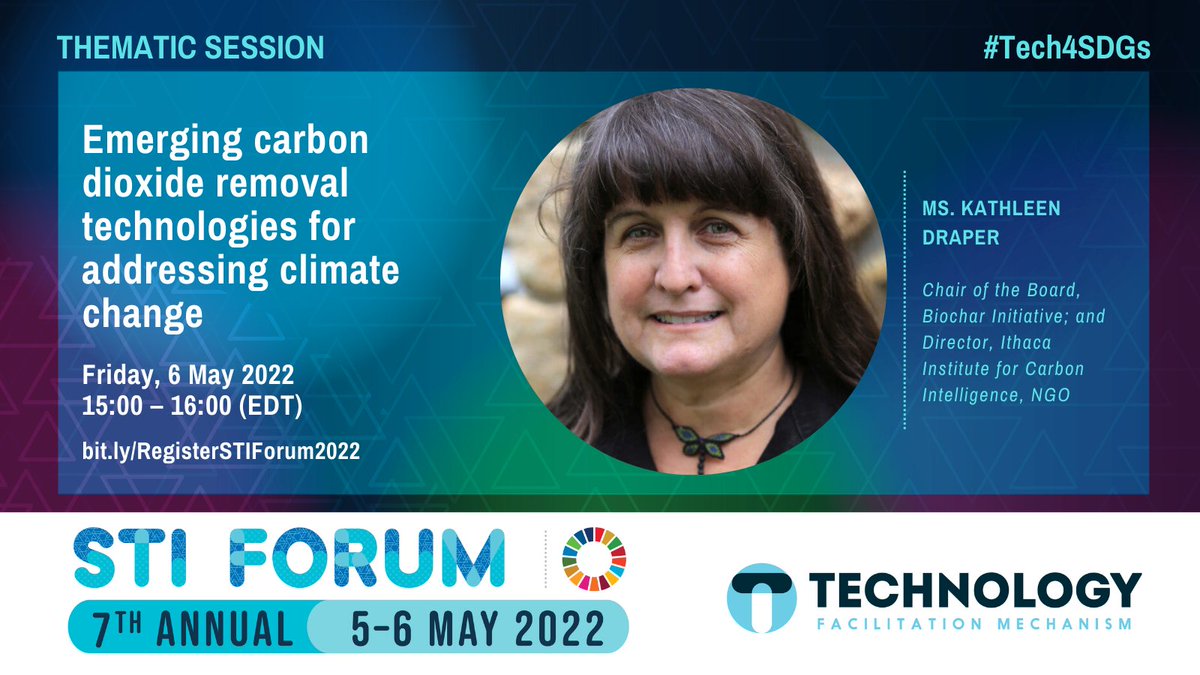
Want to know about the types of carbon dioxide removal technologies and partnerships needed to reach net-zero emissions?
👉 Join Ms. Kathleen Draper @Biocharro, Chair of the Board of @Biochar_IBI, at the 2022 STI Forum on 5 May: https://t.co/RdMTKlB2aE
#Tech4SDGs
@W_Lucht @vruba That's good to hear. If you need any help on the biochar side, please let me know. Most only focus on its use in soils, but it goes far beyond that these days.
@DarwinFound That is great to hear. I'd love to know more and perhaps feature the story in the International Biochar Initiative's newsletter! I'd love to see it in person too!
@David_of_EcoEra Excellent. But let's not call them 'experiments'! We are well past that after 15,000 peer reviewed publications. Demonstrations and pilots have been on-going for years. It's time for scaling!!
@FrancesBekele In a coffee producing country like Brazil, they should be looking at coffee husk and parchment as a feedstocks. Its already in one place for the most part and untreated can cause a lot of GHG emissions.