🧵Muy decepcionado con @ANECAinfo y @UniversidadGob su desincentivo hacia la #multidisciplinariedad en la ciencia. Queremos avanzar, pero ¿cómo hacerlo si nos constriñen a áreas del conocimiento? El futuro está en las fronteras entre conocimientos. Dentro hilo enfadado:
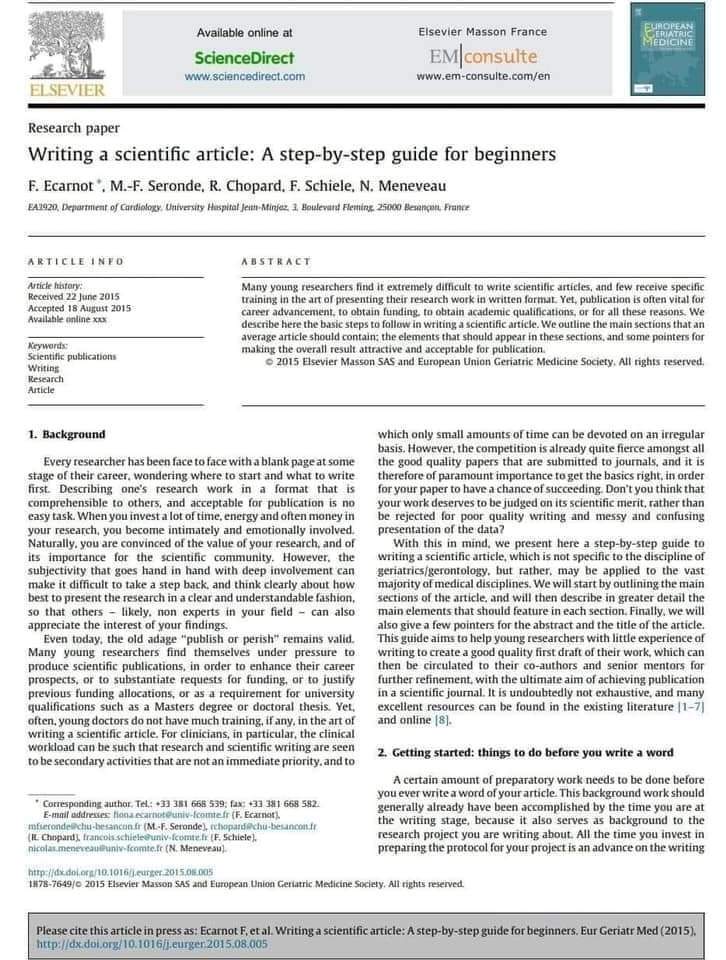
As an academic writing coach, here are the 5 most common mistakes I see researchers make when they write their Discussion sections.
A thread. 🧵
#PIchat#newPI#ECRchat
—
Mistake #1: Providing paragraphs of background information
📝 The Introduction section is meant for context. In the Discussion section, any mentioned background info needs to be *discussed* together with your own findings.
—
Mistake #2: Expecting the reader to have read all previous sections
💡 Tell the whole story by restating the problem you are solving with your study so that readers understand the motivation for your research.
—
Mistake #3: Describing the purpose and result of each experiment
🔬 This should be provided in the Results section. The Discussion is for actually *discussing* your findings, i.e. how your study has changed the state of the art and what the potential implications are.
—
Mistake #4: Too general implication statements
🌍 Avoid too broad statements that could mean everything and nothing. Be specific when you describe the potential implication of your findings even when some of them are speculative.
—
Mistake #5: Skipping the discussion altogether
🚫 Discussion sections are helpful for fellow researchers, journal editors and also journalists! If you have a combined Results & Discussion section, don't forget to include the discussion part!
—
TL;DR: The 5 most common mistakes in the Discussion section:
#1: Providing too much background info
#2: Not restating the motivation of your study
#3: Describing the purpose of each experiment
#4: Too general implication statements
#5: Skipping the discussion altogether
Most grad school applications are due in less than a week! 📝If you're still adding those finishing touches, here are some tips to help you with the application process (1/8):
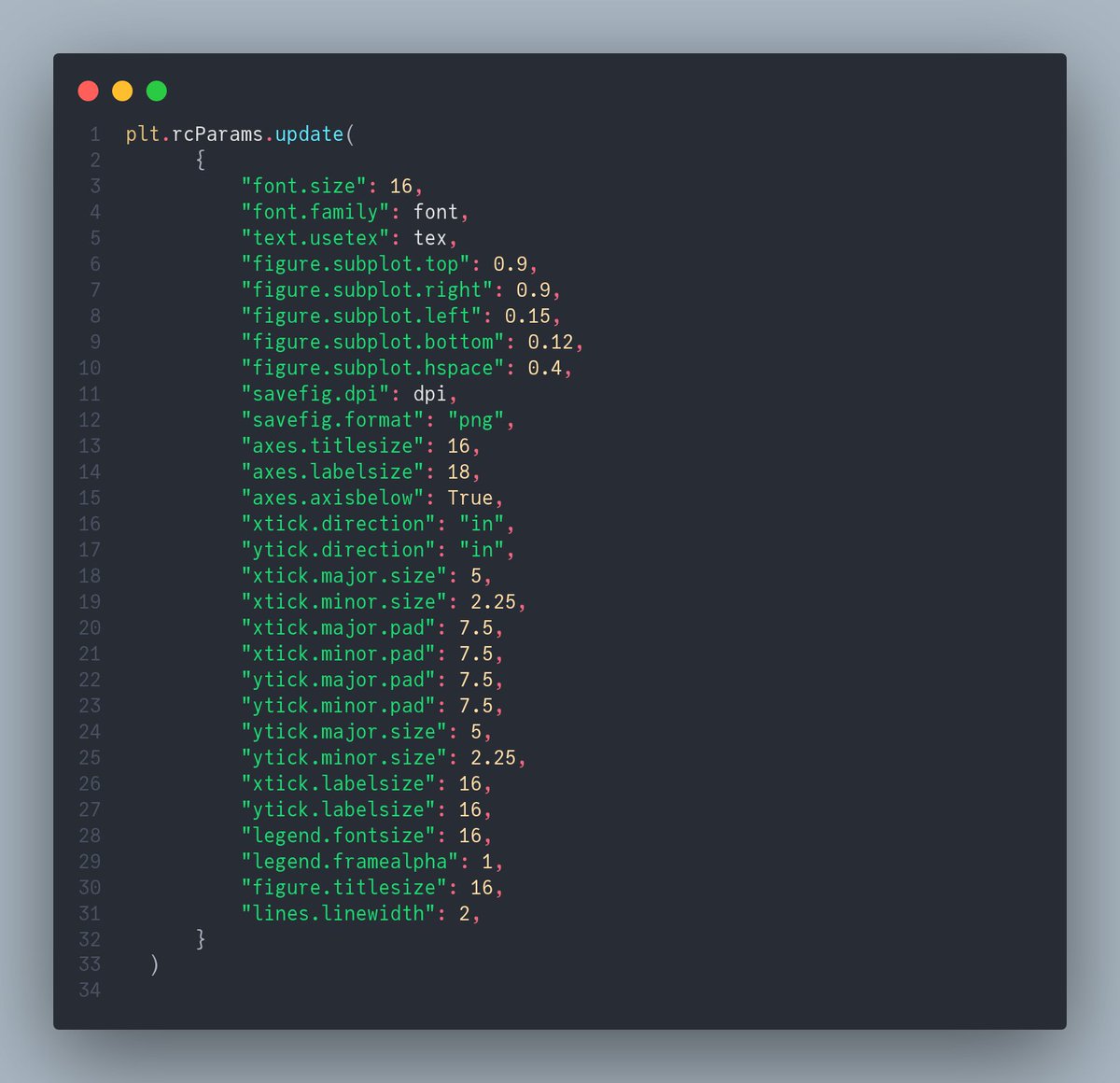
Este archivo de configuración fija muchos parámetros de la figura una vez invocado.
Aquí os dejo el estilo que he usado yo para publicaciones científicas y que creo que funciona muy bien, aunque se puede retocar cualquier parámetro que consideréis.
https://t.co/Ww4DNlNJBo
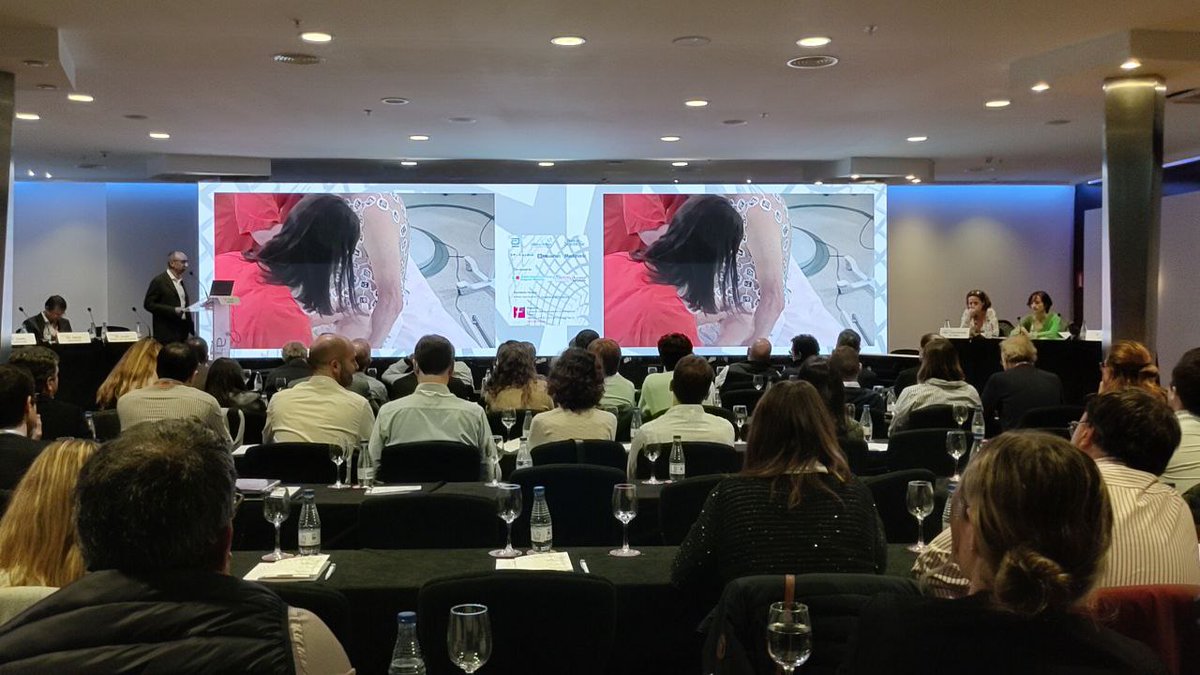
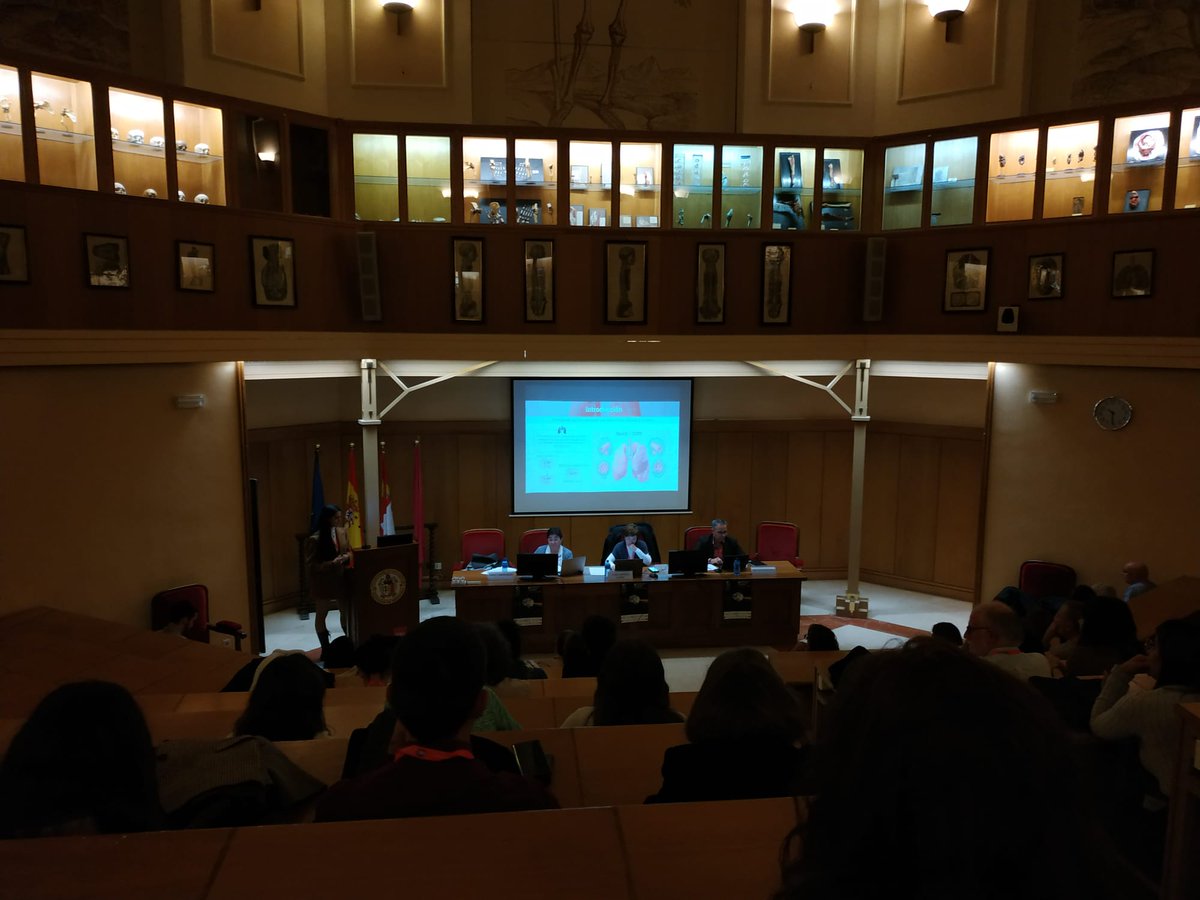
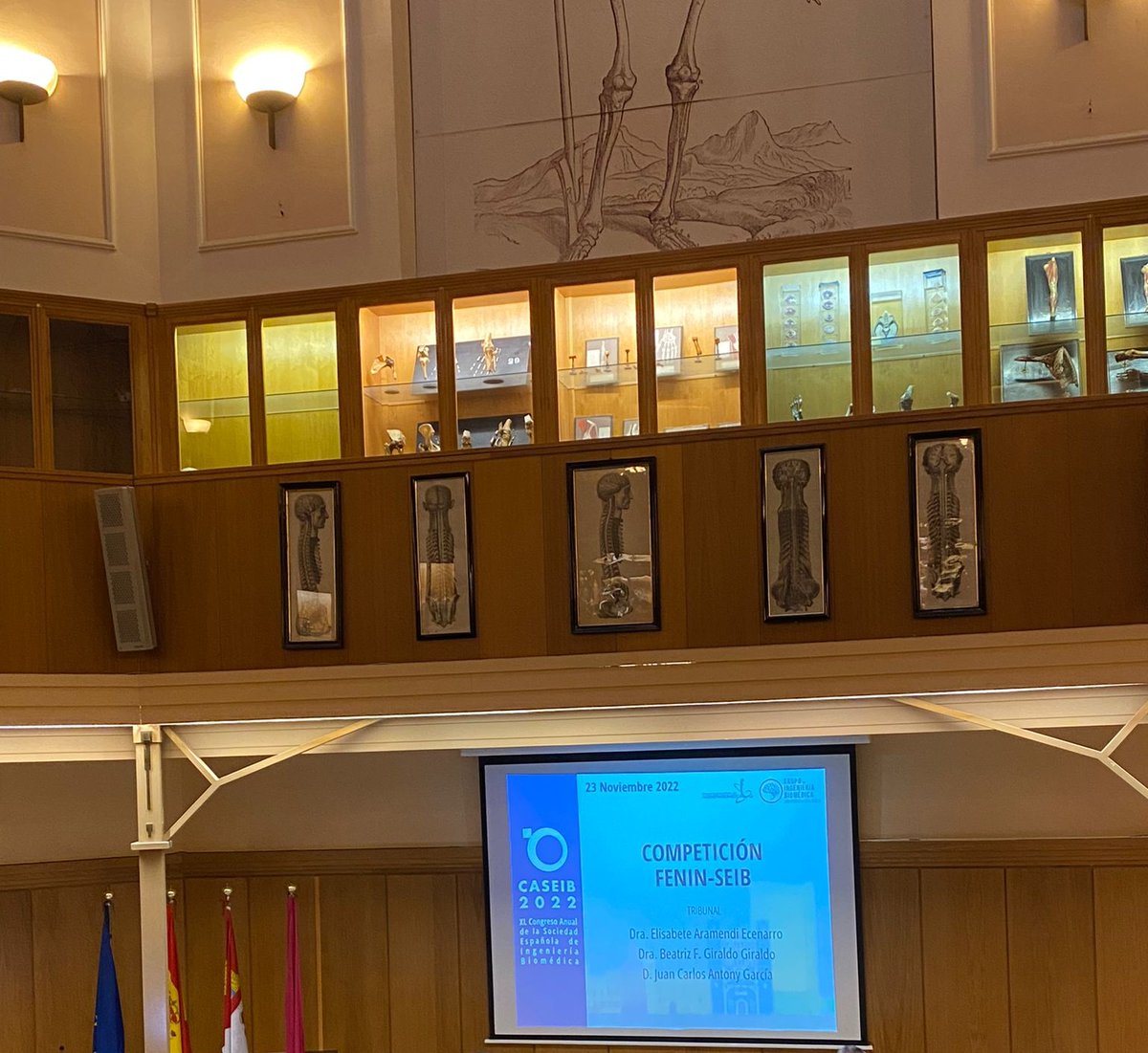
Sesión de premios FENIN-SEIB para estudiantes de grado en ingeniería biomédica. El nivel de las presentaciones ha sido altísimo. Muchas gracias a todos los candidatos. #CASEIB2022#XL#XLPerformance
Kaggle is a fundamentally powerful platform to learn data science🤖🚀
Here are the TOP 7 kaggle resources to learn data science and
solve complex data problems (Don't miss it!)
🧵👇
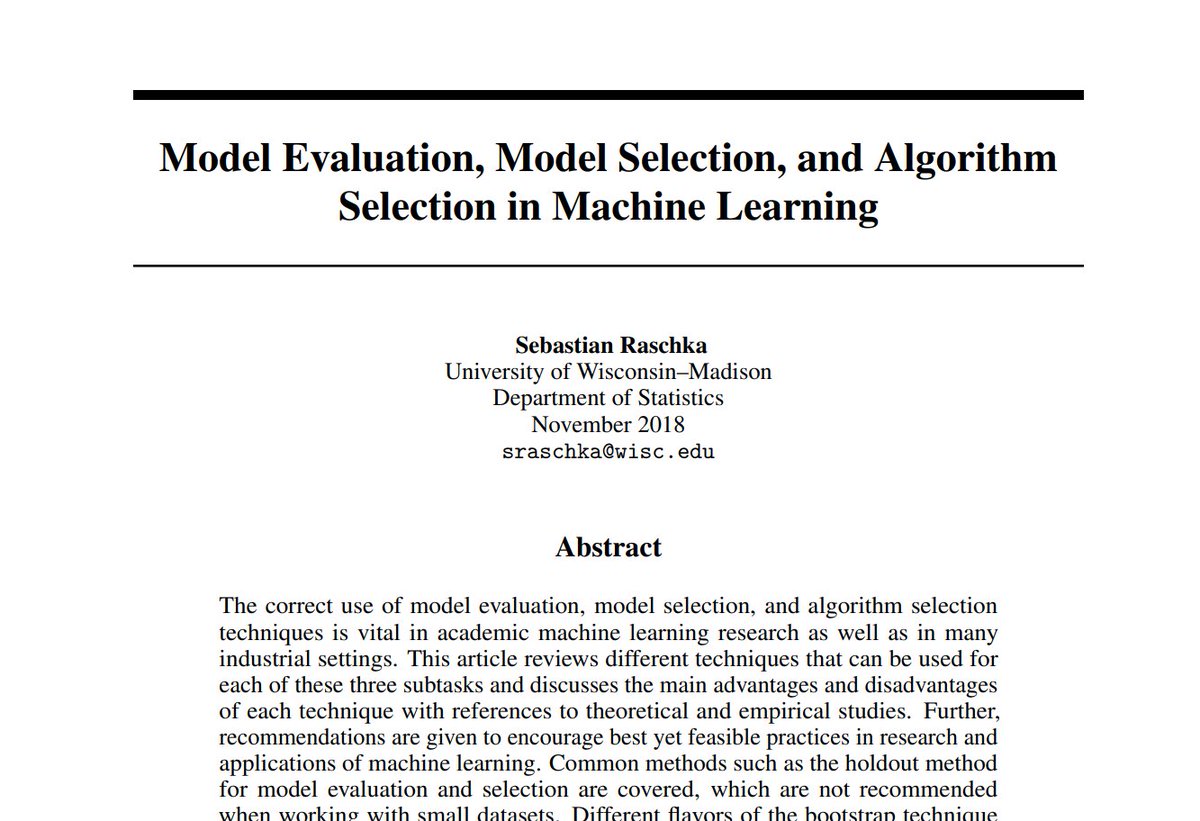
You should always work on improving your model evaluation skills.
Model evaluation is the worst taught skill in machine learning, and I believe the best way of improving is through practice.
But, this paper from @rasbt is by far my favorite single written resource:
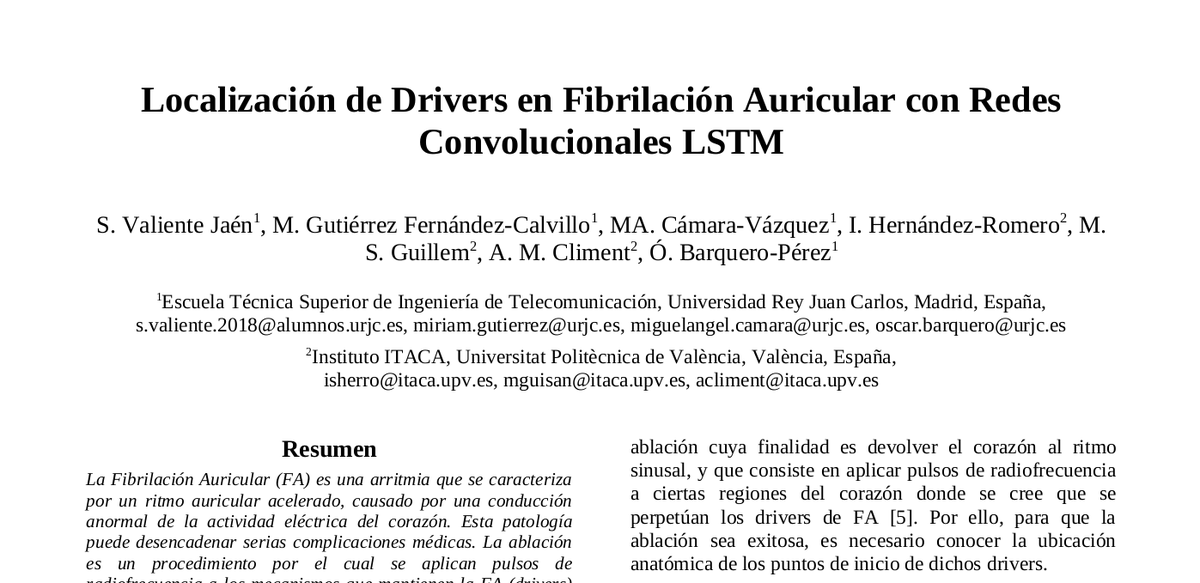
@saravalij representará a la @urjc @ETSIT_URJC en la competición de estudiantes @CASEIB2022: Localización de Drivers en Fibrilación Auricular con Redes Convolucionales LSTM. Buen trabajo. En 2020 y 2022 alumnos de nuestro grupo han representado a la @urjc. Seguimos!