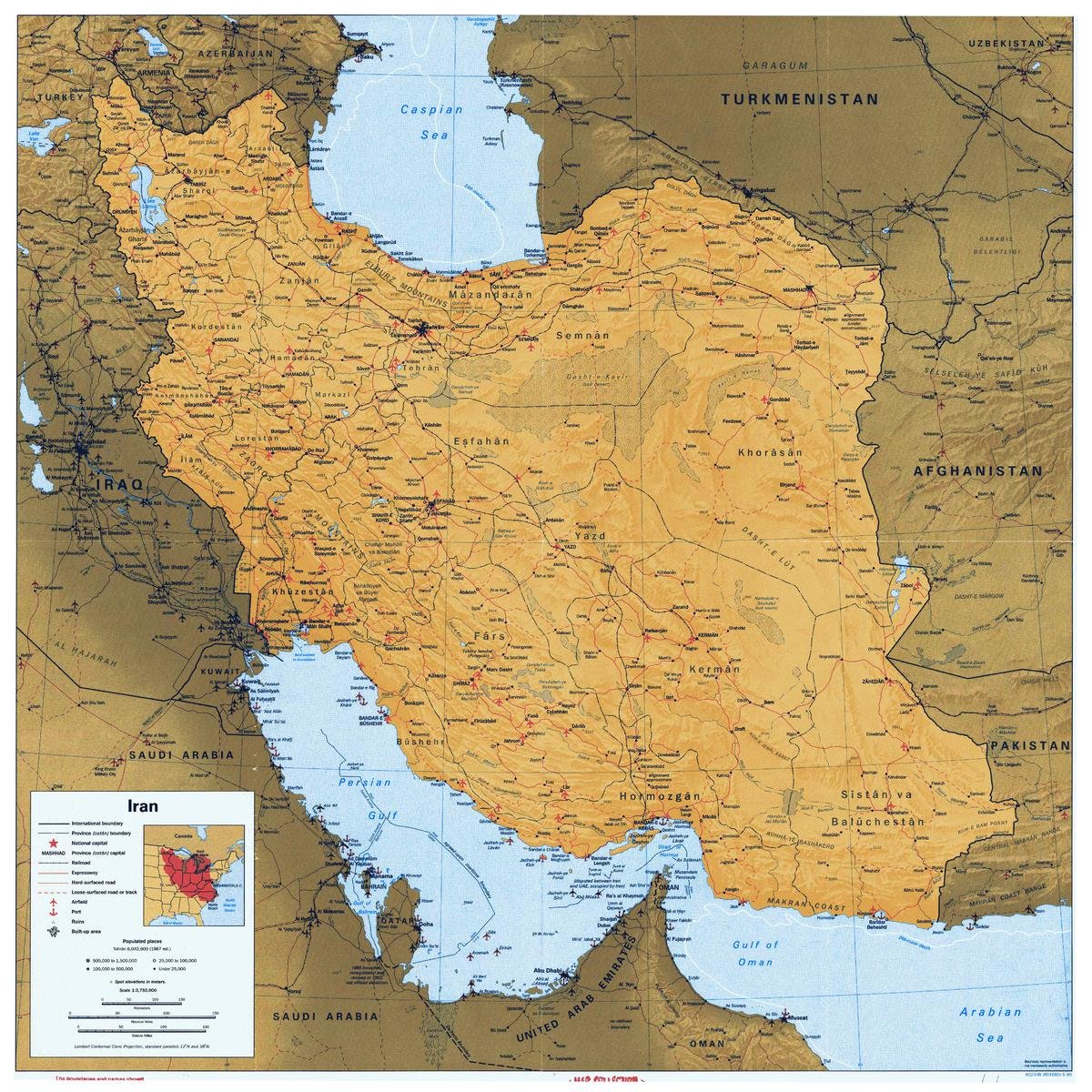
JESSE WATTERS: “Officials say the Iranians are living in caves and are not using email. How do you hash out a deal with a band of pirates living underground?”
The Iranians aren’t the Taliban. This is pure bullshit propaganda from 2003.
یه سوال ساده از سلطنتطلبها دارم: دقیقاً مشکل شما با مجاهدین خلق چیه؟
مجاهدین گروه مسلحانه تشکیل دادند
شما هم دادید!
مجاهدین کنار دشمن خارجی ایستادند و به ایران حمله کردند
شما هم ایستادید!
مجاهدین از اجنبی پول گرفتند
شما هم گرفتید!
مجاهدین آدم کشتند
شما هم کشتید!
مرگتون چیه پس؟
The “anti-aging stack” most people miss:
- getting lean (<12% men; <25% women)
- afternoon 10 min nap
- not getting sunburnt
- speed and sprint training
- lifestyle enrichment
- drinking 2-3 liters of liquid per day
- sleeping 7-8 hours
- strength training 2-3x a week
- low-intensity aerobic exercise
- getting >3,500 mg of dietary potassium a day
As a former American hostage in Iran from 1979-81 — and as someone who has spent decades observing Iranian history, politics, and culture — I fear we are approaching another catastrophic U.S.-Iran war.
The danger is no longer theoretical. It may be imminent. Both Washington and Tehran are continuing down a military path while clinging to hardline, maximalist demands. The U.S. insists Iran dismantle its nuclear and missile capabilities while threatening renewed strikes. Iran refuses to surrender what it sees as sovereign defenses and continues to use the Strait of Hormuz as strategic leverage over the global economy.
Neither side appears willing to step back first. This is the terrifying reality: there is currently no clear off-ramp. Military escalation has created its own momentum. The Trump administration entered this confrontation without a coherent long-term strategy, apparently assuming pressure and force alone would produce capitulation. Instead, Iran’s leverage over the Strait of Hormuz has grown, oil markets are destabilized, and the risk of miscalculation increases by the day.
Some scholars describe moments like this as a modern “Thucydides Trap” — when fear, pride, miscalculation, and rising confrontation make conflict seem almost unavoidable even when war could devastate both sides. Whether or not that term fully applies here, history shows how nations can slide into wars neither truly knows how to end.
I lived through one U.S.-Iran disaster. I do not want to see another. Diplomacy is not weakness or appeasement. It is now the only realistic path away from a wider regional war that could spiral beyond anyone’s control.
The NYT article reveals that our military is telling President Trump what has been obvious from the onset of this war: there is no quick military solution in Iran and our early actions set the conditions for the stalemate we are in now.
Trump’s best option is to declare victory and walk away now. Limit our exposure in the region, reduce the risk of Iran restarting the war on their terms, and reset negotiations with sanctions relief as both carrot and stick.
The Iranians have adapted to our attacks. They can “win” simply by not losing. Future strikes will be less effective, cost us more in casualties, and further harden Iranian resolve.
Killing the Supreme Leader rallied the Iranian people around the regime. By also eliminating many moderate leaders, we’ve left ourselves with mostly hardliners to negotiate with, who are unlikely to give Trump the concessions he’s demanding.
Two lessons we should have learned in the GWOT:
1. If you stay within reach of the enemy, they will adapt and ultimately win the long war by grinding us down. Iran is doing this on a massive scale with ballistic missiles, air defenses, and drones—the same concept as IEDs, just more advanced.
2. Attacking a nation will rally the people around the regime we’re trying to overthrow, or around forces far worse.
Regime change is a fool’s errand.
🇺🇸🇮🇱🇮🇷 Former U.S. Defense Sec. Gates:
"Netanyahu told me in July 2009 that the Iranian regime was fragile and would crumble at the first attack.
I told him then he was dead wrong, that he was underestimating the resilience of the Iranians."
Netanyahu has been saying Iran is about to collapse for 17 years. Gates said no in 2009. Gates was right.
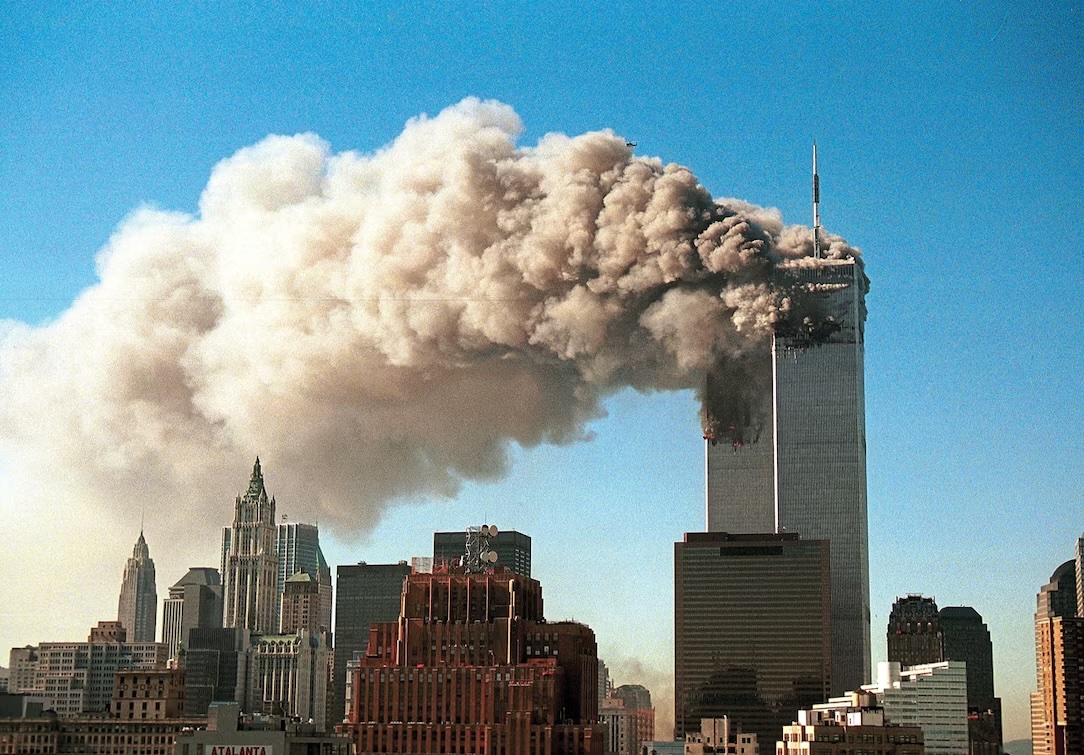
🇮🇷🇺🇸 You'll be AMAZED by what happened in Iran after the 9/11 attacks
Many ordinary Iranians reacted with genuine sympathy and mourning for the victims of the attacks, which stood out in the Middle East at the time, contrasting sharply with celebrations reported in some other places.
In the days after, hundreds to thousands of Iranians gathered in public squares (such as Mohseni Square and along Mirdamad Street) to hold candlelight vigils. They expressed sorrow for the victims, chanted slogans like “Death to terrorism” and “America, our condolences,” and some waved American flags or sang pre-revolutionary anthems. Security forces monitored and broke up some gatherings, but they still occurred.
On September 13, about 60,000 spectators at Tehran’s Azadi Stadium observed a minute of silence for the victims before a match.
Even President Mohammad Khatami quickly condemned the attacks as “the ugliest form of terrorism,” expressed condolences to the American people, and noted that Iranians were among the victims. He later said Iran “fully understands the feelings of the Americans.”
Supreme Leader Ali Khamenei also denounced the attacks and the terrorists responsible.
Iran offered indirect cooperation afterward, such as allowing overflights for humanitarian aid and helping with the formation of a new Afghan government after the Taliban fell.
While the regime’s long-term stance toward the U.S. remained hostile, the country responded with humanity and grief in the immediate aftermath.
@AwkwardArab No innocents in the world, I don’t like gulf Arabs pretending to be innocent when they invested 6 billion in Jared kushner and others to go to war with Iran
This is a good sign. End the war, declare victory & bring our troops home. Avoid getting sucked into another foolish war.
The only people who will criticize President Trump for ending the war are the neocons & Israelis who got us into this mess in the 1st place.