Chicago Bird Collision Monitors (CBCM) is a volunteer conservation project dedicated to the protection of migratory birds through rescue, advocacy and outreach.
Hopefully all will heal and "Cupid" can rejoin his mate to raise their family!
Canada geese are a protected species. Report any individuals seen harming or harassing them to officials at the Illinois Department of Natural Resources.
Cruel treatment.
Amazing rescue!
Miraculous recovery!
This goose was maliciously shot with a dart gun through its neck. It continued to diligently guard its mate who was setting up a nest at an Elgin office park.
Although the goose could fly, Chicago Bird Collision Monitors persisted in finding a way to corner and catch it.
Amazingly, the dart passed through its neck, avoiding the trachea, esophagus, vertebrae, and major vessels.
Help us help birds migrating through Chicago this spring!
Attend one of our upcoming trainings to learn how to help our work downtown.
We have 4 training dates set:
12:30 to 2:30 pm
at Peggy Notebaert Museum
• Sat. March 21
• Sun. March 29
• Sun. April 12
• Sun. April 26
Research has shown that any bird on the ground following a window strike should be examined by a veterinarian before release. Often there are internal injuries that prove fatal later even if the bird appears to recover and flies off.
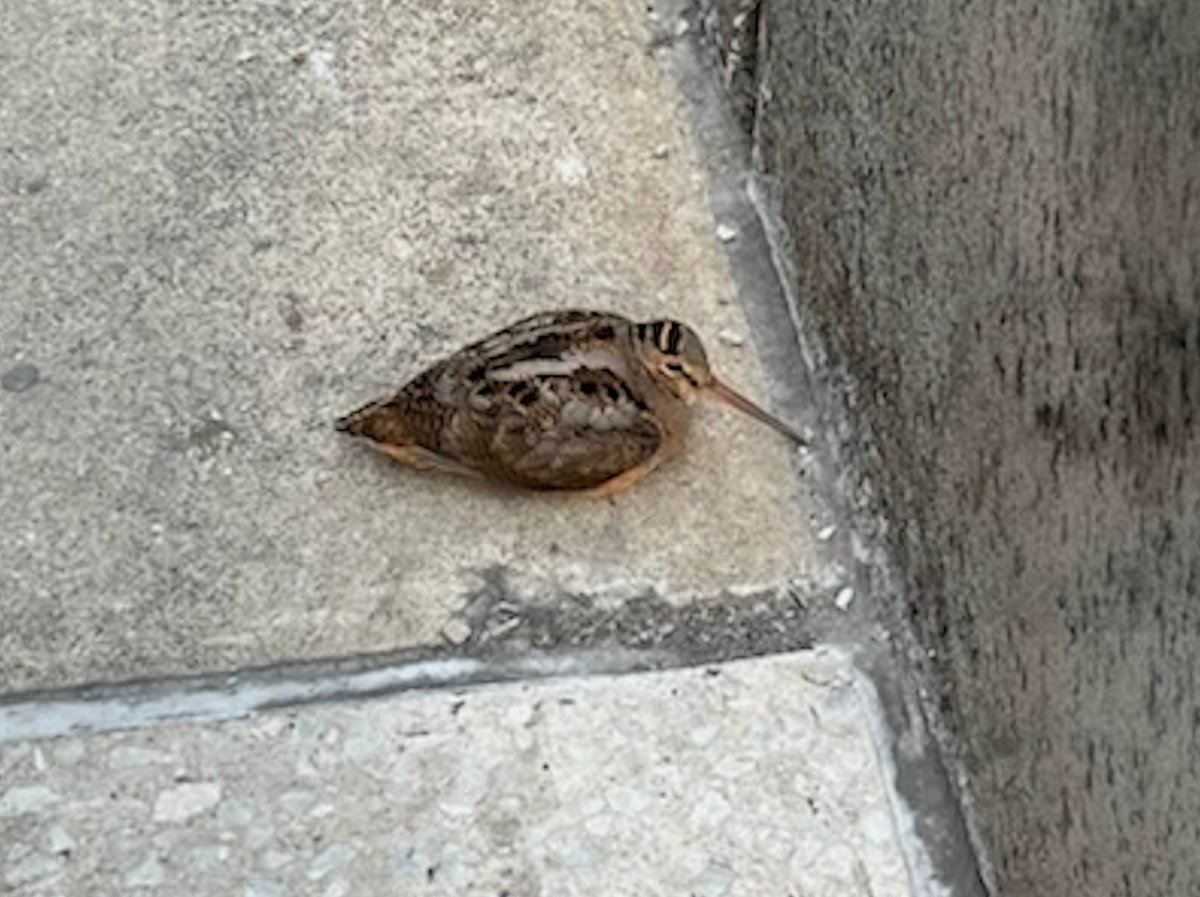
Spring has sprung! At least according to the woodcocks.
Woodcocks are always one of the first species to begin migrating in the spring and we just had our first one of the year.
Or even better, gently place the bird in a box (with a lid) or paper bag folded over and clipped (yes, they can still breathe) and then call the hotline so we can figure out how to get the bird into care.
Loose netting or broken metal can cause problems as well.
If you are not familiar with the amazing rescue, here is a link to a report at WGN, Ch. 9. https://t.co/FQnkcWEEJu
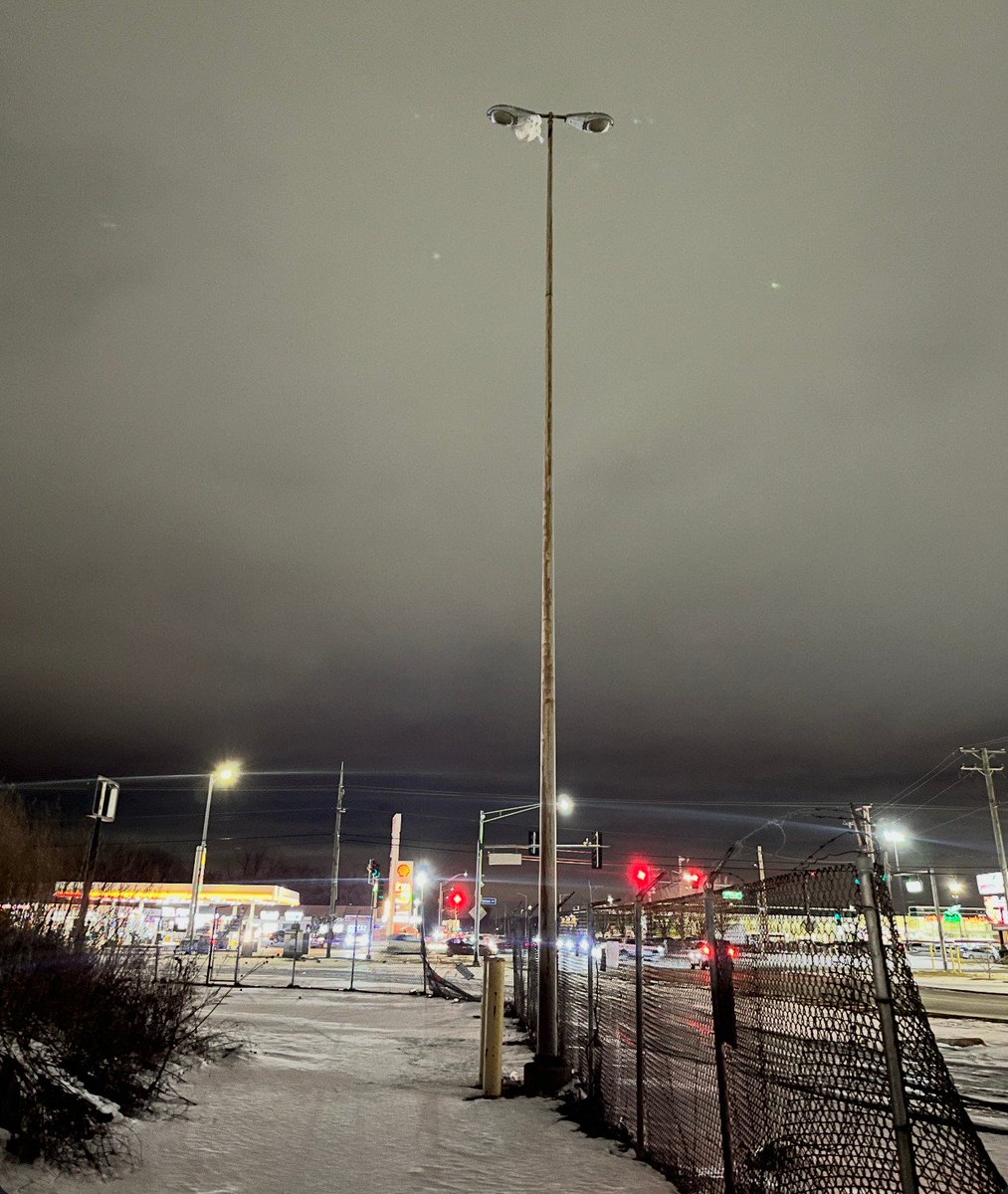
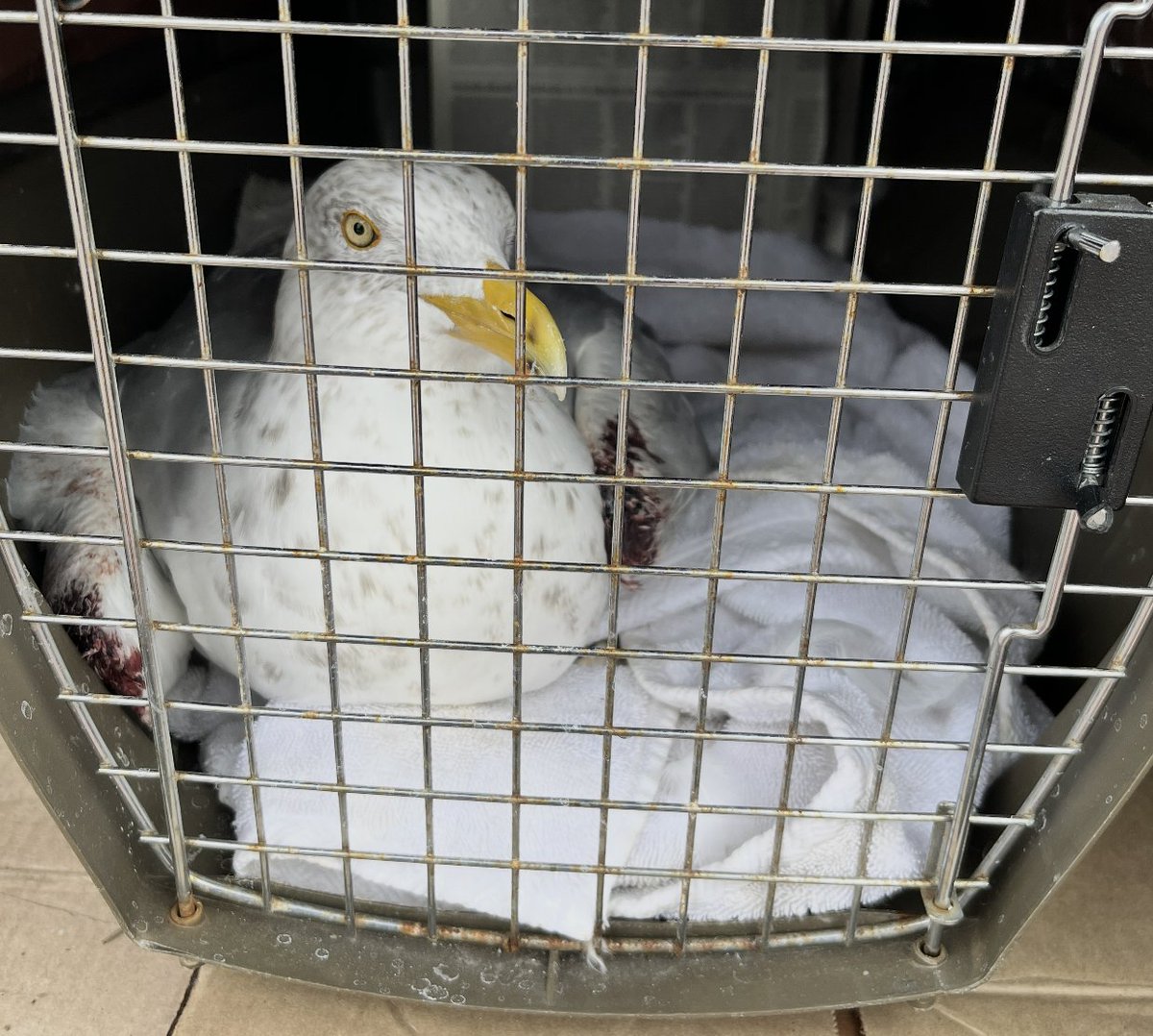
We are sad to report that the herring gull that was rescued from the light pole last Tuesday had to be humanely euthanized due to the severity of its injuries – extensive damage to the leg that had been trapped and multiple broken bones in both wings.
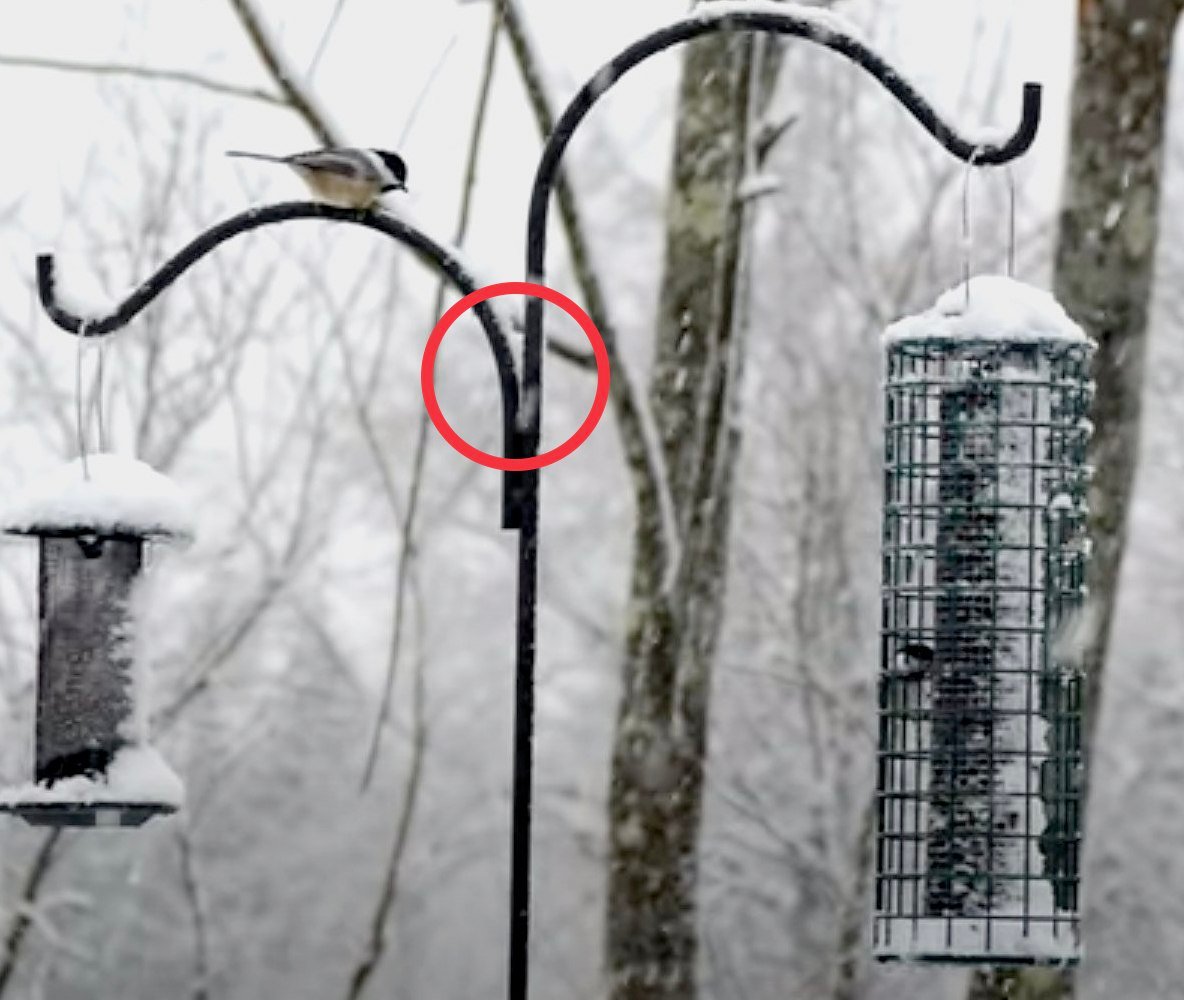
For example, a narrow gap where two surfaces come together to form a "V" shape that could trap a bird's wing or leg. (See picture below.) Blocking off these gaps with tape or wood, etc. in locations that birds frequent could prevent any other birds from getting trapped.
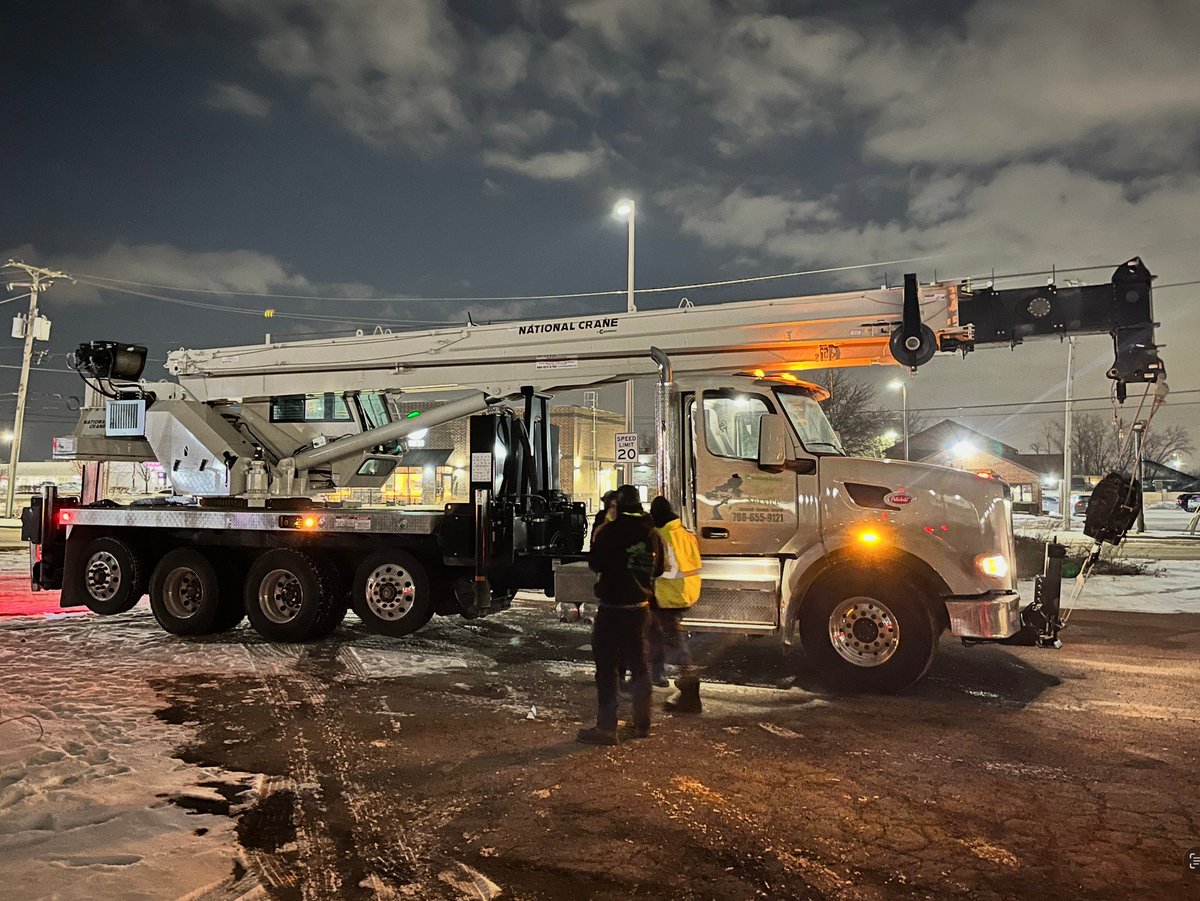
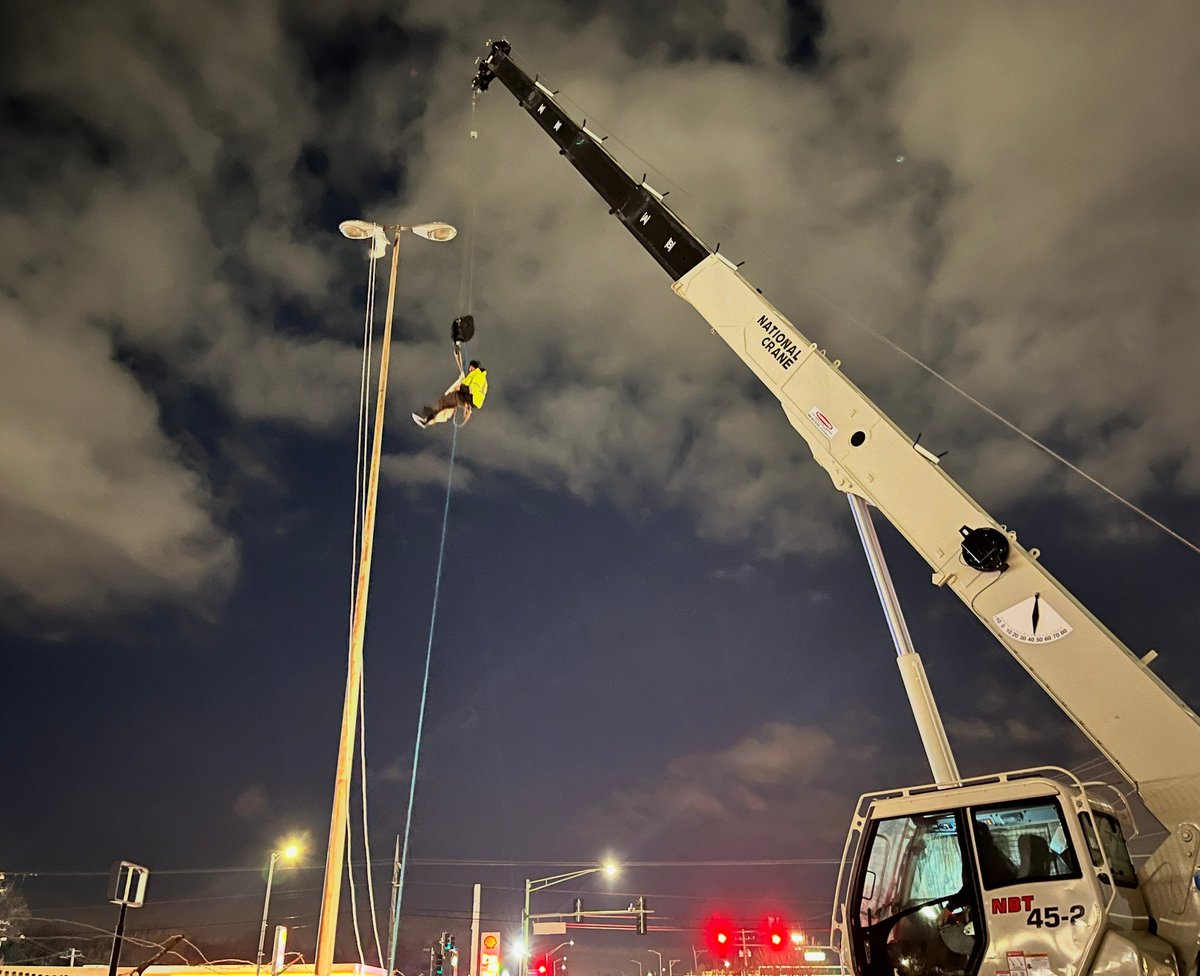
Update on the gull rescue from last night. The bird was taken to DuPage Wildlife Conservation Center this morning for evaluation and treatment. It is still too early to know the full extent of its injuries but we are hopeful.
Big shout out to this crew from Reliable Tree Service who came out on this cold winter night to rescue a gull stuck at the top of a very tall light pole. Amazing job!
The starling in the photo below was seen stuck to a wire and the homeowners were able to reach it with a ladder and a pitcher of warm water to free it. Great job!
Most experts say it's important to provide water for wildlife in the winter when open water may be hard to find, but be careful if you provide heated birdbaths to our feathered friends during these extreme cold weather conditions.
If birds are frozen where you can reach them, you should hold on to them, use warm (not hot) water to free them and then contain them in a closed box or paper bag so they can dry off and be evaluated for injuries.