African Silverbills are quite common in the dry areas of the Island and at this time of year can be seen in large flocks. Introduced from subsaharan Africa sometime in the 1970’s, no one knows for sure how they got here. 500mm PF lens, F11, 1/1600s, ISO 200
The African Silverbill is another introduced bird to the Island, very common in the dry areas north of Kona. First recorded in the early 1970’s (D850, 500mm PF lens, F/8, ISO 200, 1/1600s)
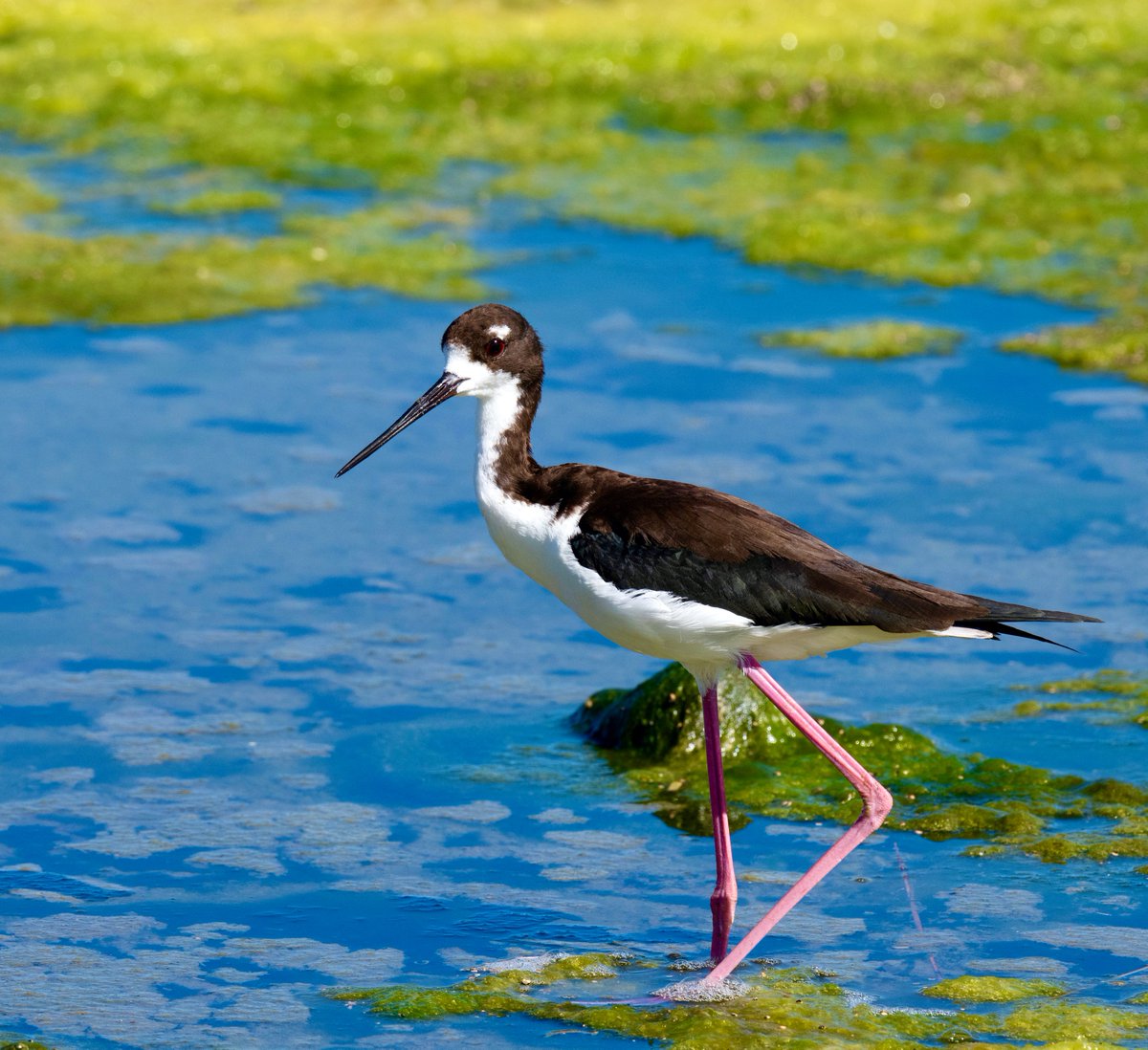
This a true Hawaiian bird, Hawaiian Stilt distinct from the Black-necked Stilt. It is featured this month on my website https://t.co/VYQuNliDKE (d850, 500mm PF lens, f/11, 1/2000s, ISO 500 hand-held)
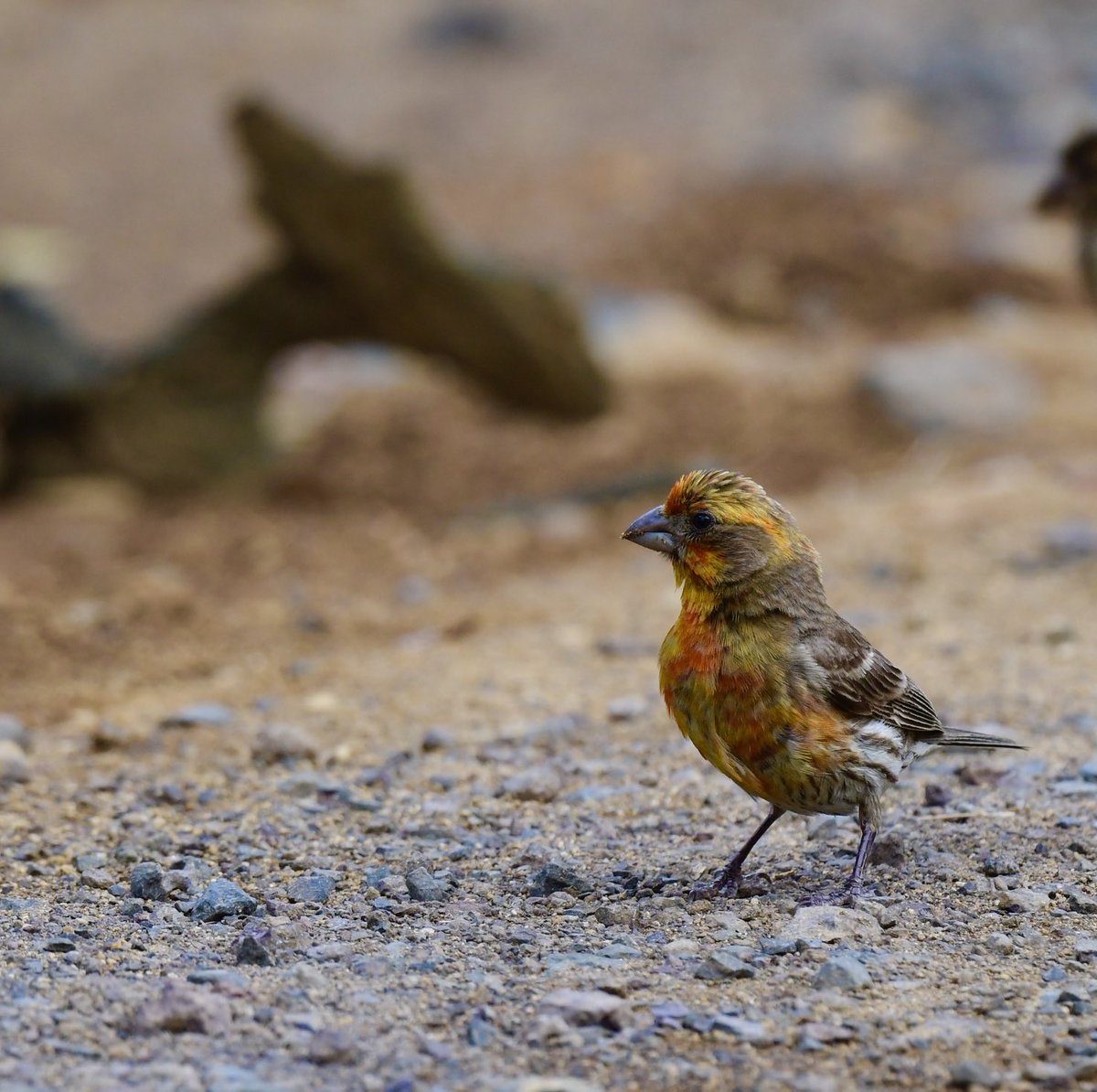
I have seen a lot of Red House finches, and occasional Yellow House finches, this is the first time that I have seen a calico House Finch with both colors! (D850, 500mm PF lens, f/8 1/500s, hand-held)
The Taminbar Corella (aka Goffin’s Cockatoo) is the smallest of the group. We have a few on the big Island and I was finally able to find some. (500 pf lens, ISO 200, 1/2000s, f8) Hopefully they will nest this year endangered in the wild.
I first encountered these little guys in Hawaii and have now seen several other similar cousins in Australia. I first knew it as a Japanese White-eye, now the ABA has changed it’s name to “Warbling White-eye”, does anyone know why? Never heard it warble!
I can't believe I have to say this, but we should be expanding the number of testing sites and surging the number of tests — not reducing them. Testing is key to finding a way out of this crisis.
It is springtime and the male House Finches are working hard to attract a mate like this bright fellow who was singing his little heart out when I shot this photo! (ISO 200, 500mm, f/5.6, 1/200s)
This is a House Finch that appears to have had some sort if accident and has lost half of his beak. Appears to have adapted to foraging with this limitation so it is local and I will be able to watch it going forward.
@Hawaiianimages I have seen a few as I am driving that are almost in full dress, but the ones that I have been photographing are a bit slow but should catch up shortly, I am going out tomorrow after a week so it should be interesting.
This little male Pacific Golden Plover is making himself bigger to ward off a marauding Ruddy Turnstone from his patch. Plovers defend their spot against all comers and return to the same spot each year after nesting in the far north!
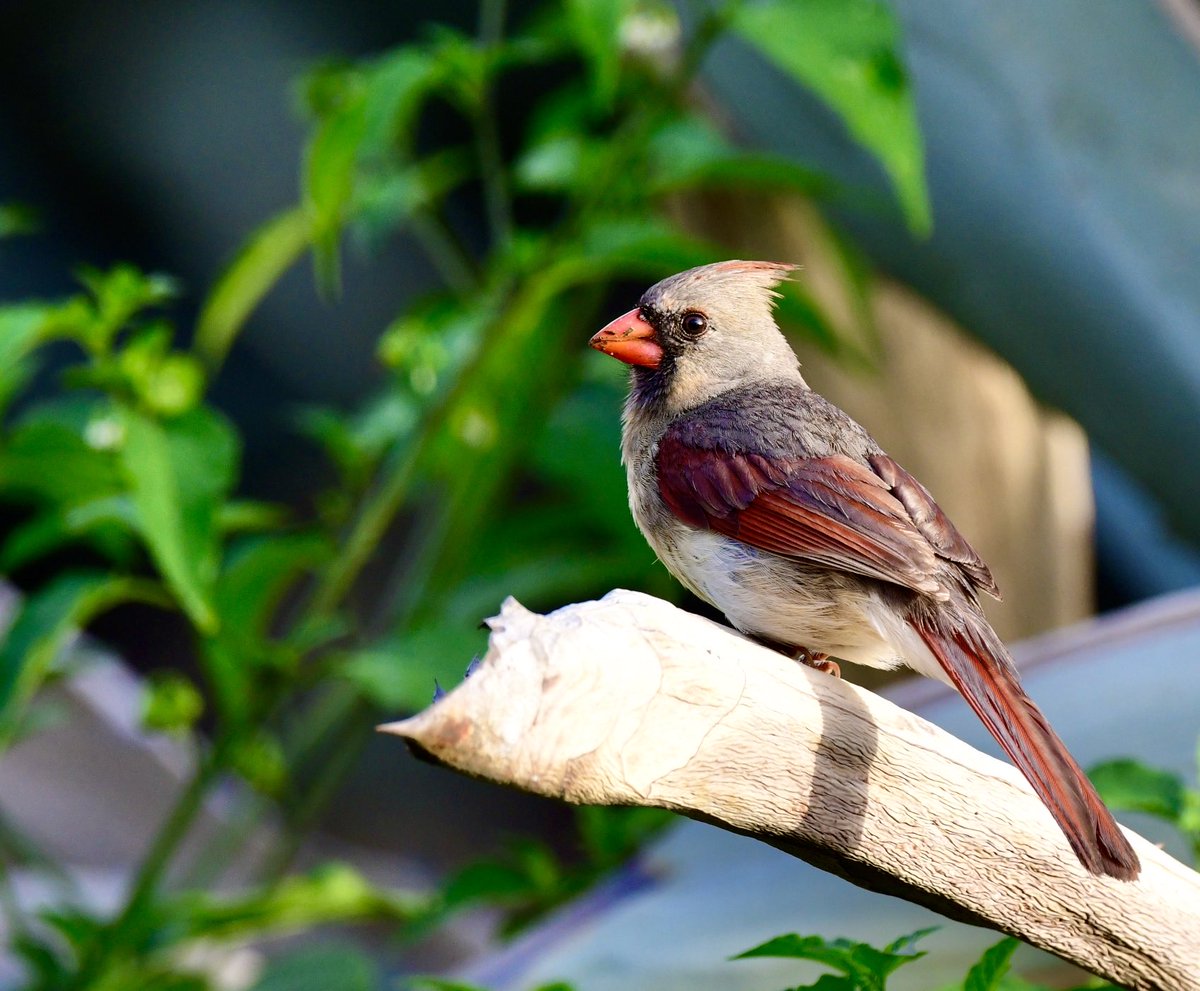
I believe the male Cardinal is the most photographed bird in NA and the female is just as pretty IMO. Here she is after a nice soak in the puddles after another late day shower all spruced up and ready for another day!
First year male House Finch just beginning to get his wonderful detailed color. The HF is another of the introduced birds to HI, we have a bunch in our garden and they are fun to watch. It is nice to have the bird photo bug during this trying time, be safe everyone!
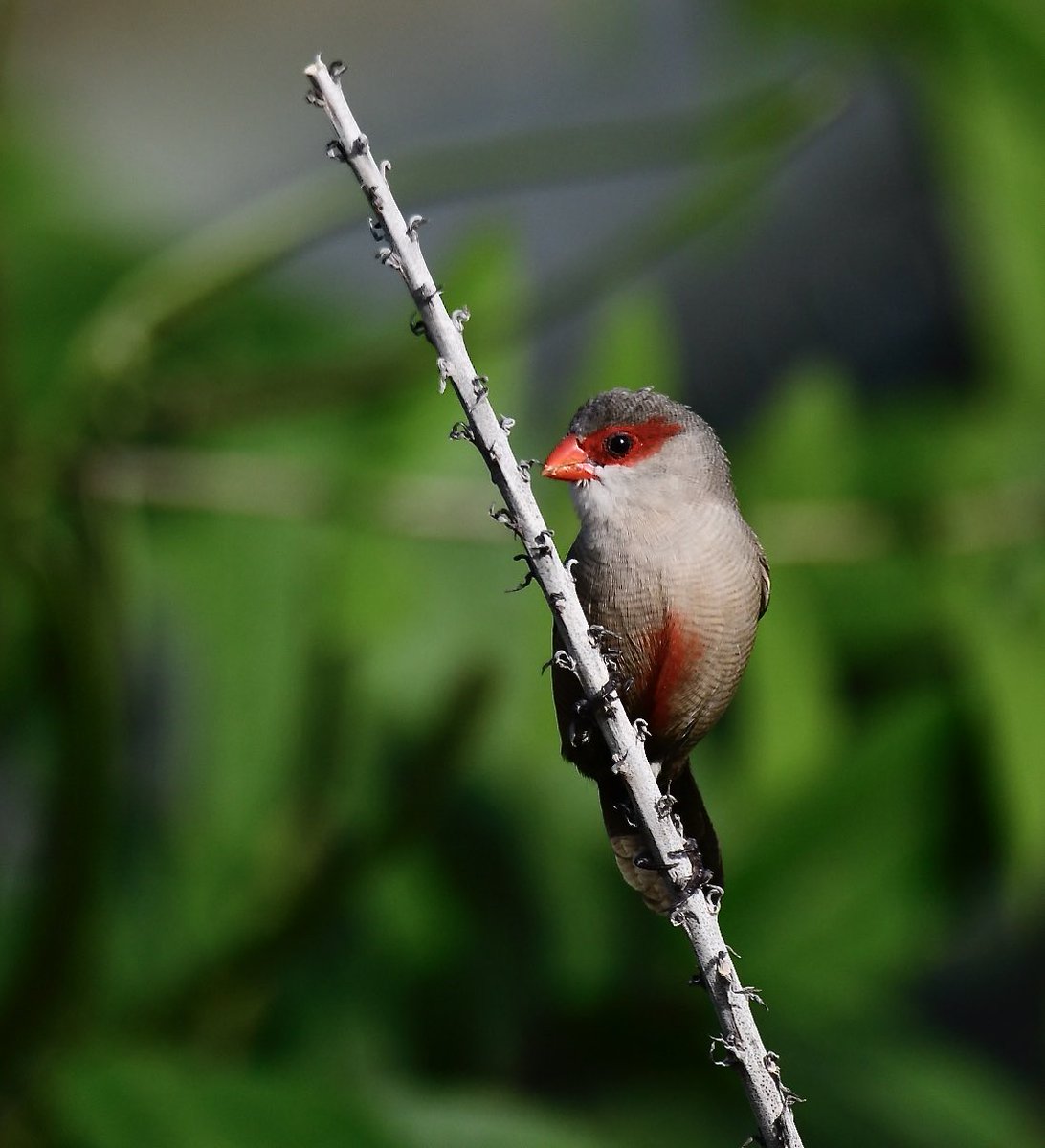
I have been calibrating my new Prime lens and using the Common Waxbill to do it, fun little guys that gather in large groups to hunt down grass seeds. Introduced bird in Hawaii. 500mm, f/5.6, ISO 200, 1/1200s