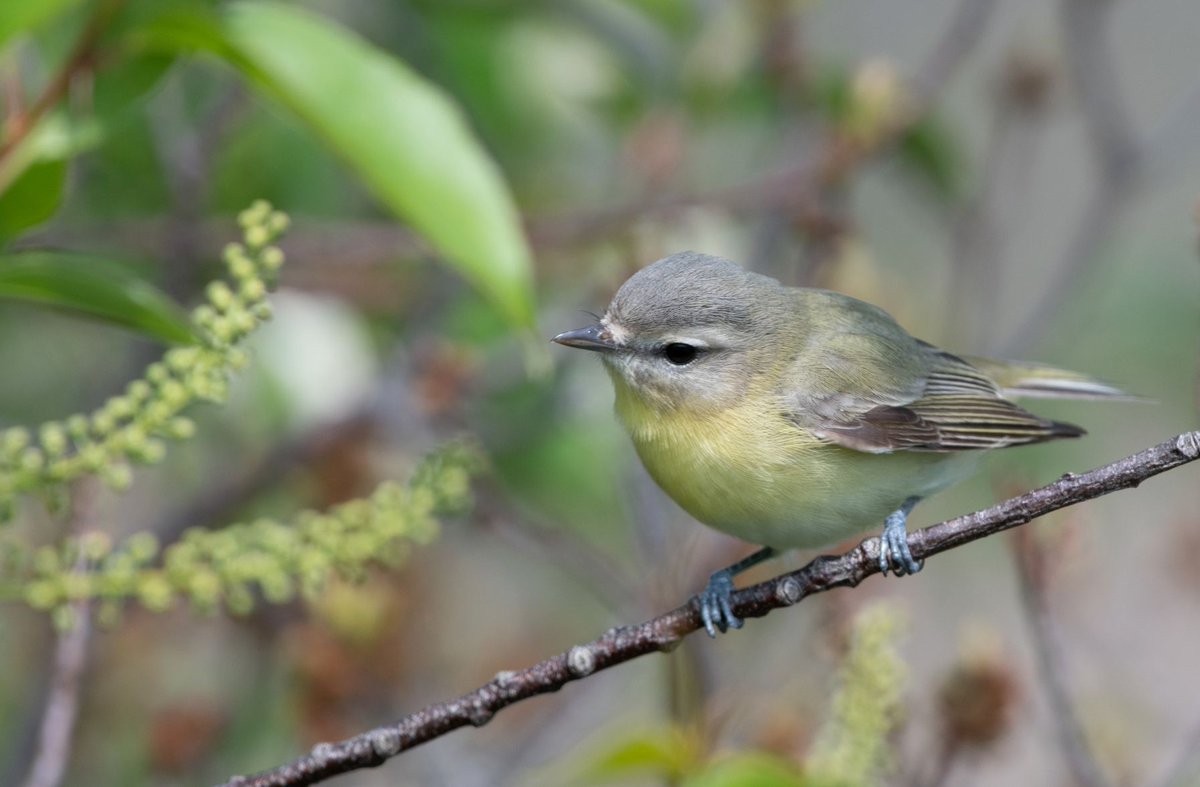
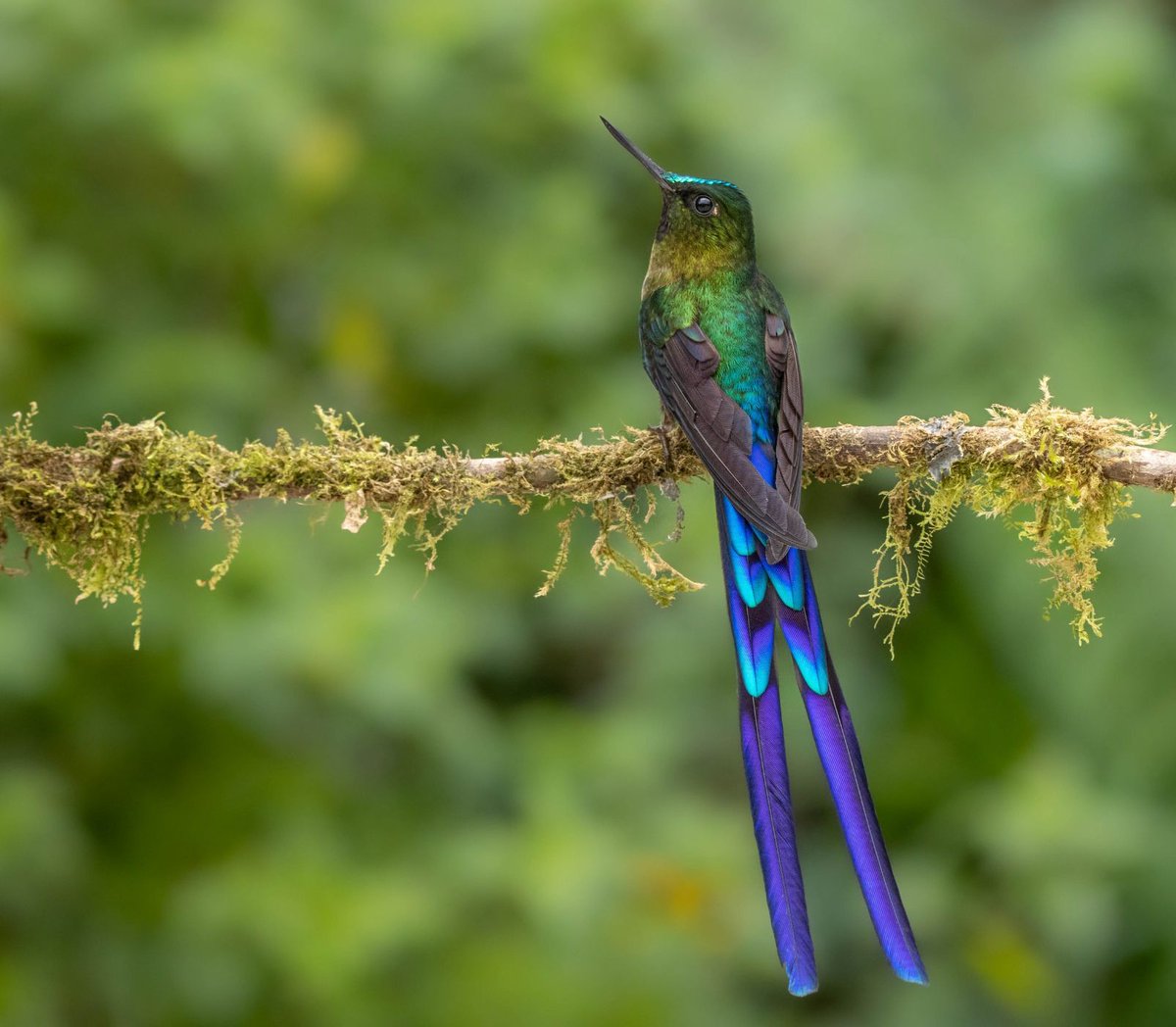
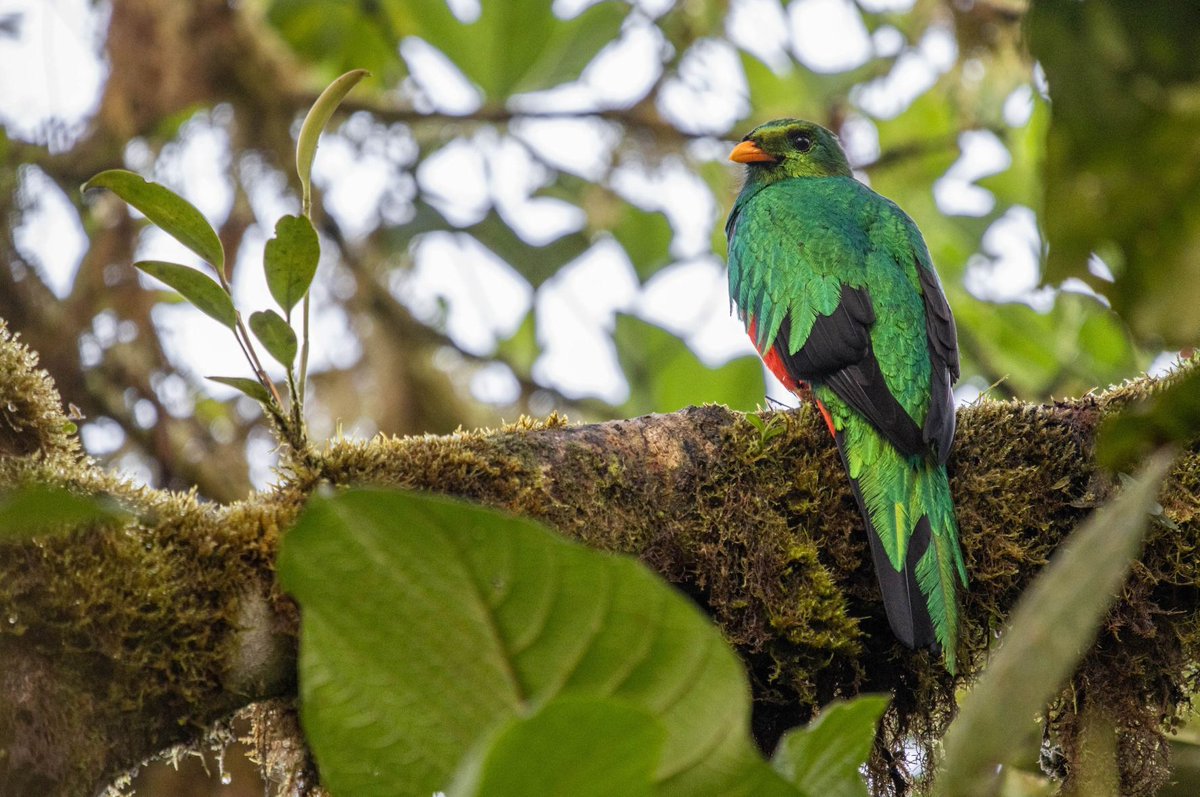
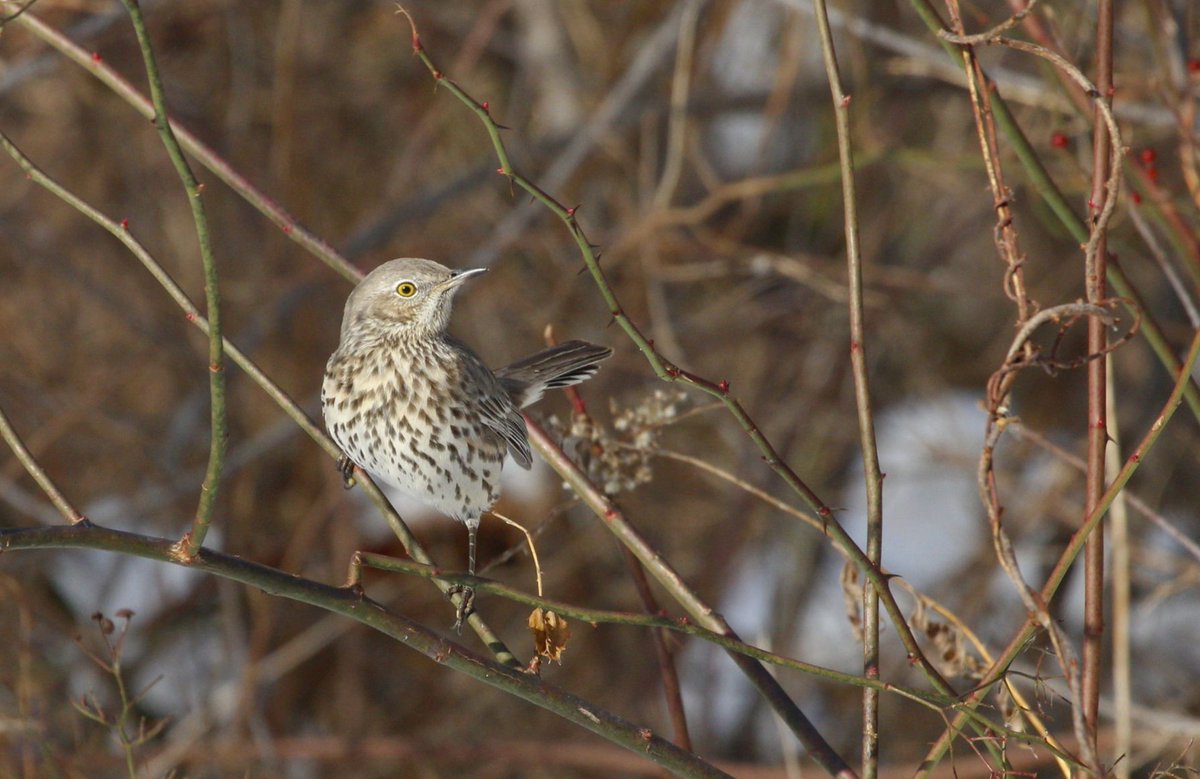
November is prime time for rarities across the U.S. and Canada! Check out our latest post on how to make the most of your rarity chase this season — and remember, dipping is part of the fun (really)! https://t.co/6FJFKdyKNp
Z is for Zosteropidae (#White-eyes, #Yuhinas, & #Allies). 147 species described worldwide, with one established in the U.S. (Warbling White-eye in Hawai‘i) & another colonizing California (Swinhoe’s White-eye).
📸 Laitche (CC BY-SA 4.0)
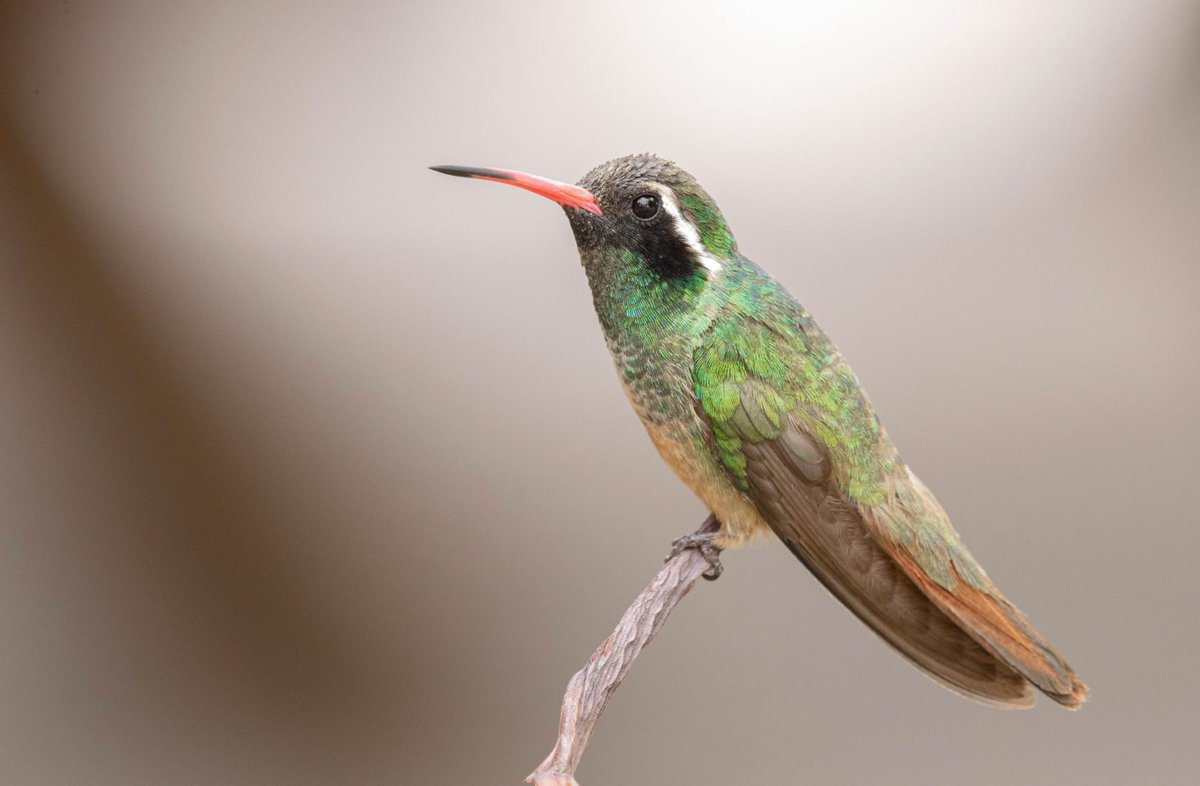
W, X, & Y are for nothing! No bird families start with these letters. But species have these letters in their name—like the Wrentit, Xantus’s Hummingbird, & Yellowhead. From warblers to yellow flycatchers, what’s your favorite bird starting with W, X, or Y?
📸 Kevin Vande Vusse
V is for Vireonidae (#Shrike-babblers, #Erpornis, & #Vireos). 64 species described worldwide; 17 of 33 vireos have been detected in the U.S. & Canada. From subtle to bold, there’s no doubt vireos have character!
📸 Chris Roberts
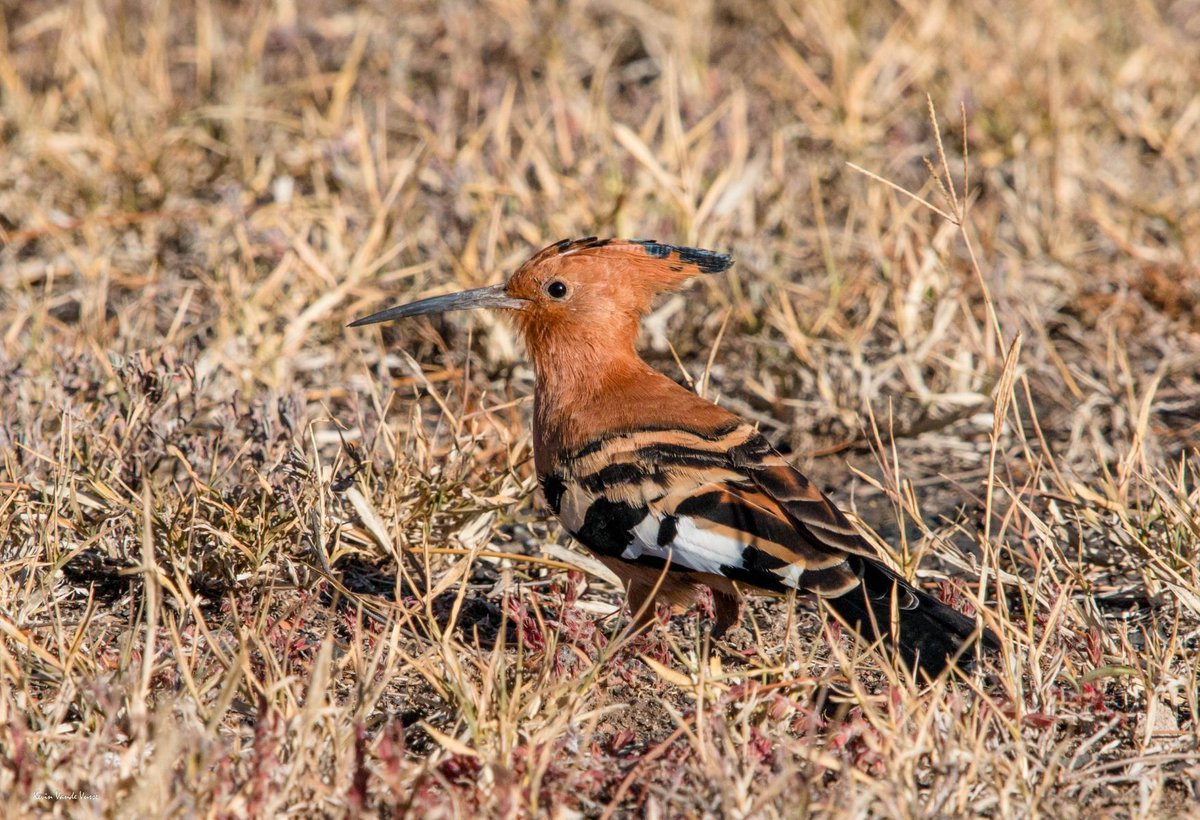
U is for Upupidae (#Hoopoes). Three species described, though the St. Helena Hoopoe is now extinct. The Eurasian (Common) Hoopoe ranges across Eurasia & Africa, and—on rare occasions—has even shown up in the U.S.
📸 Kevin Vande Vusse
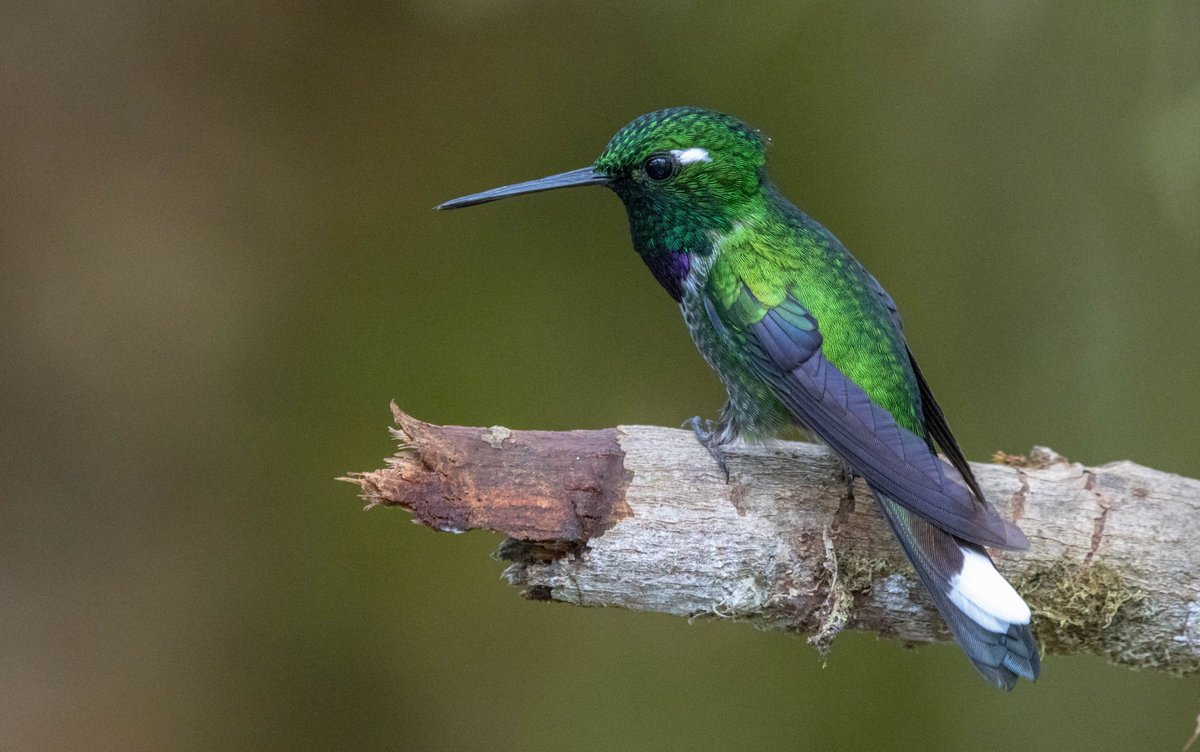
T is for Trochilidae (#Hummingbirds). From deserts to cloud forests, 363 species dazzle across the Americas—24 have been detected in the U.S. & Canada. Tiny, brilliant, and unlike any other birds on earth. Do you have a favorite?
📸 Kevin Vande Vusse
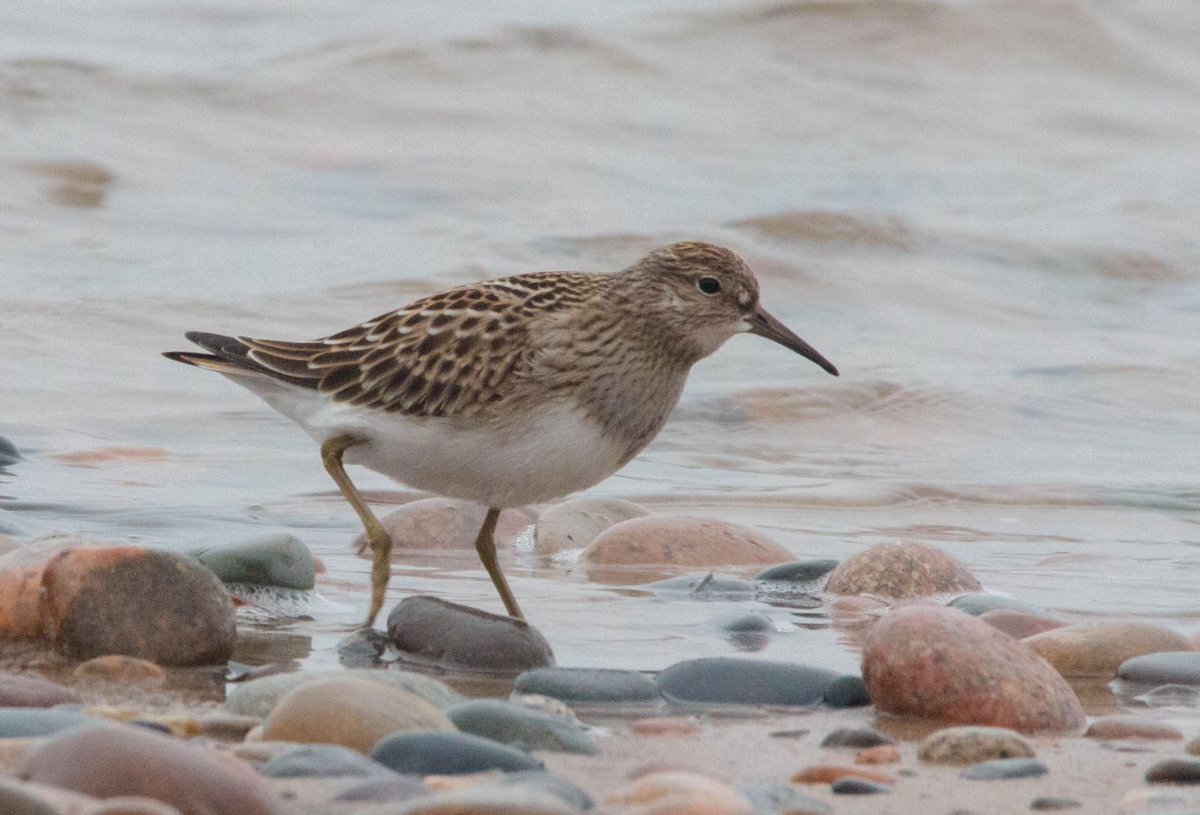
S is for Scolopacidae (Sandpipers & Allies). 98 species worldwide, 66 in the U.S. & Canada. From Arctic tundra to mudflats, grasslands, and open oceans, these shorebirds are among the planet’s most incredible—and most imperiled.
📸 Kevin Vande Vusse
R is for Rallidae (#Rails, #Gallinules & #Coots). 148 species occur worldwide, 20 in the U.S. & Canada. From the tiny, secretive Black Rail to NZ’s giant South Island Takahe, they’re found in wetlands, grasslands & even forests. Sadly, many flightless species are extinct.
Q is for…ummm, nothing! There are no bird families that start with the letter Q. Nevertheless, some amazing birds proudly sport a Q in their name—#Quail, #Quelea, and #Quetzal come to mind. Which are your favorites? Tell us below!
📸 Golden-headed Quetzal | Kevin Vande Vusse
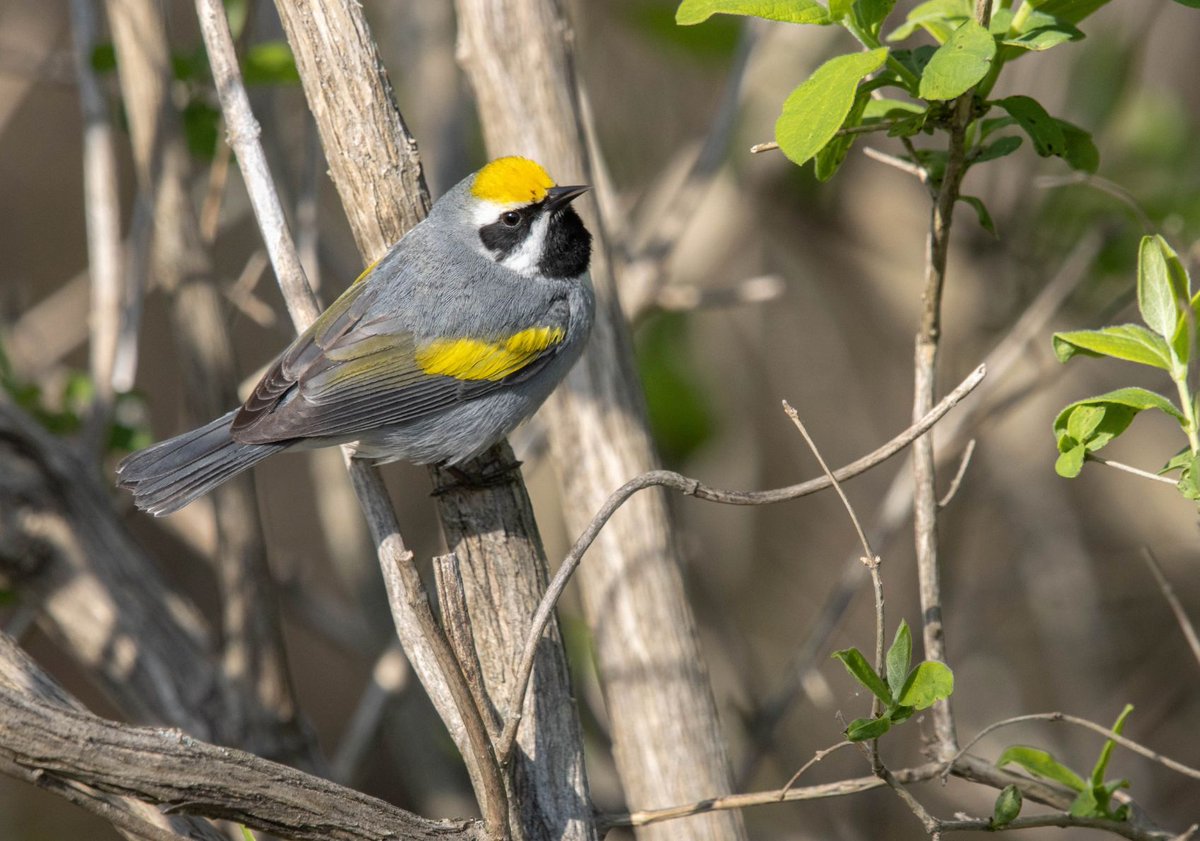
P is for Parulidae (#NewWorldWarblers). Of 116 species across the Americas, 56 occur in the U.S. & Canada. Beloved for their colors, songs & diversity, they’re arguably the crown jewels of North American birding. Do you have a favorite?
📸 Kevin Vande Vusse
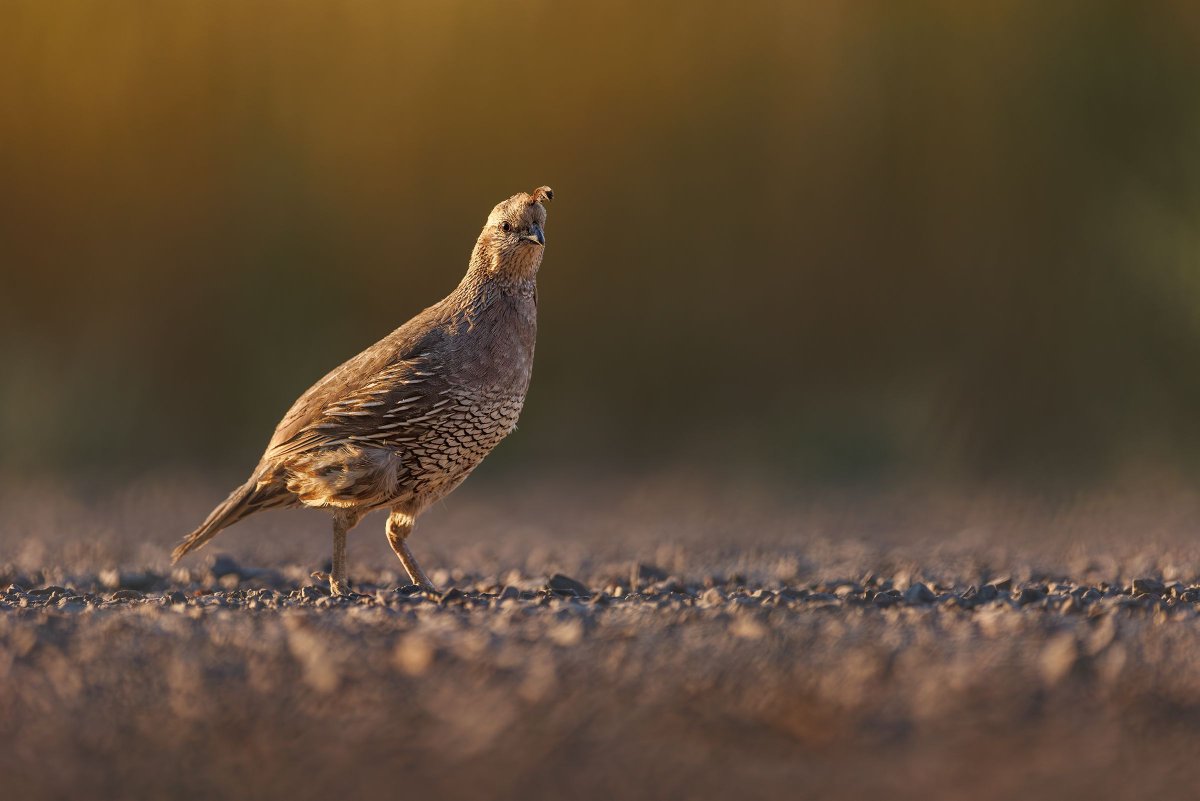
O is for Odontophoridae (#NewWorldQuail). 34 species occur, most in the Americas, with six in the U.S.—from the familiar California Quail to the elusive Montezuma. Coveys brighten our birding, even if they’re heard more often than seen.
📸 California Quail | Phil Stollsteimer
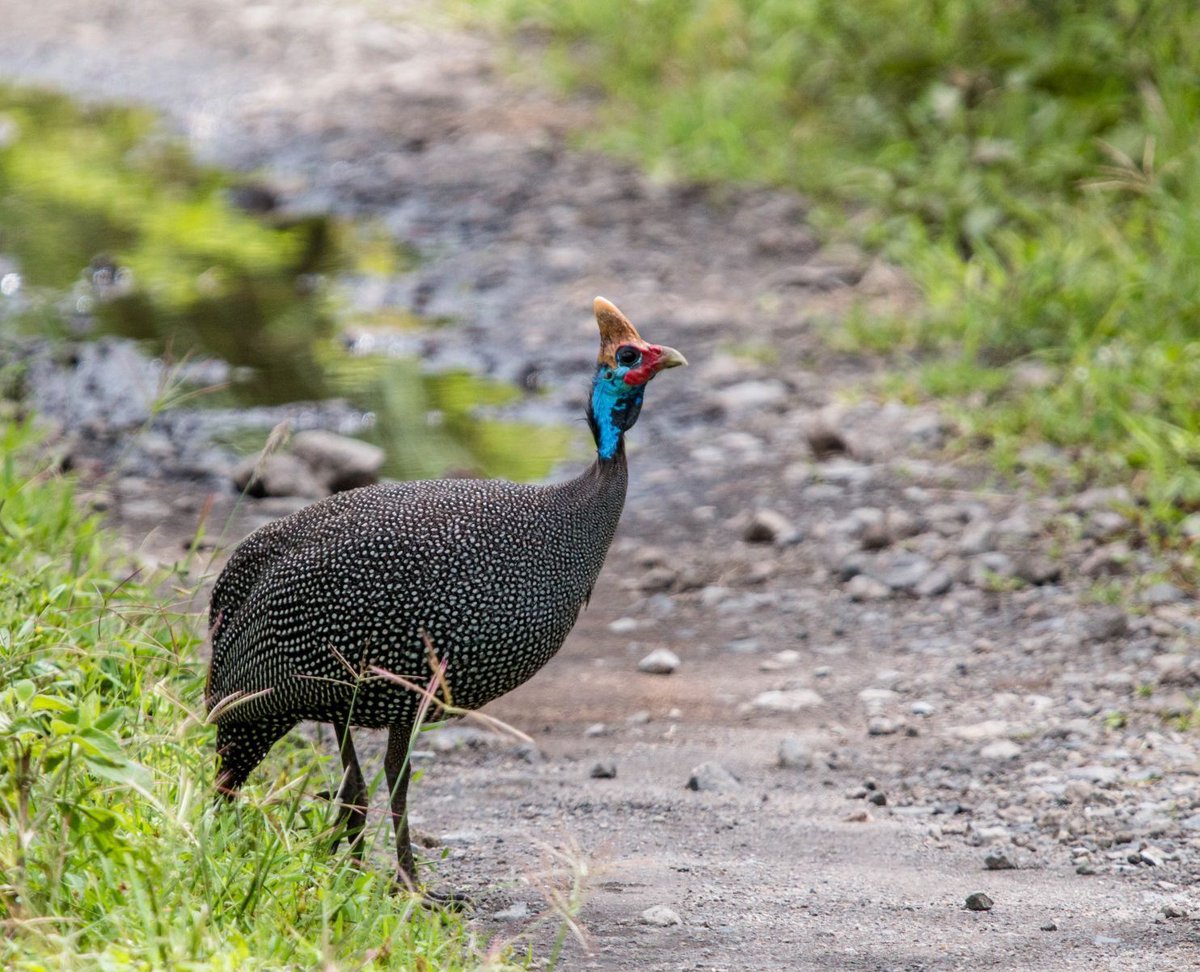
N is for Numididae (#Guineafowl). Eight species occur in Africa, though they’re often more familiar elsewhere as noisy farm residents, valued for their appetite for ticks. Have you seen any in their native range—like this Helmeted Guineafowl in Tanzania?
📸 Kevin Vande Vusse
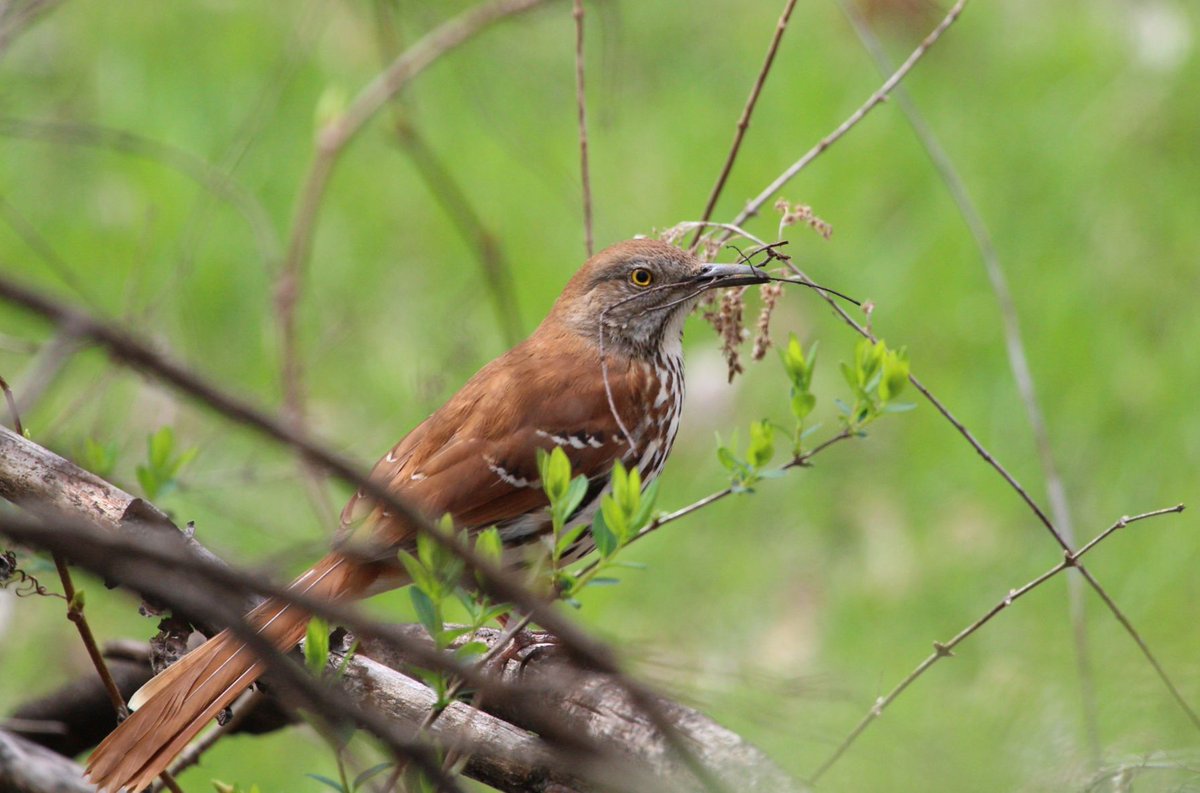
M is for Mimidae (#Mockingbirds & #Thrashers). These 35 long-tailed songsters of the Americas are renowned for their remarkable vocal mimicry. Twelve species occur in the U.S. and Canada, with the greatest diversity found in the Southwest. How many have you seen?
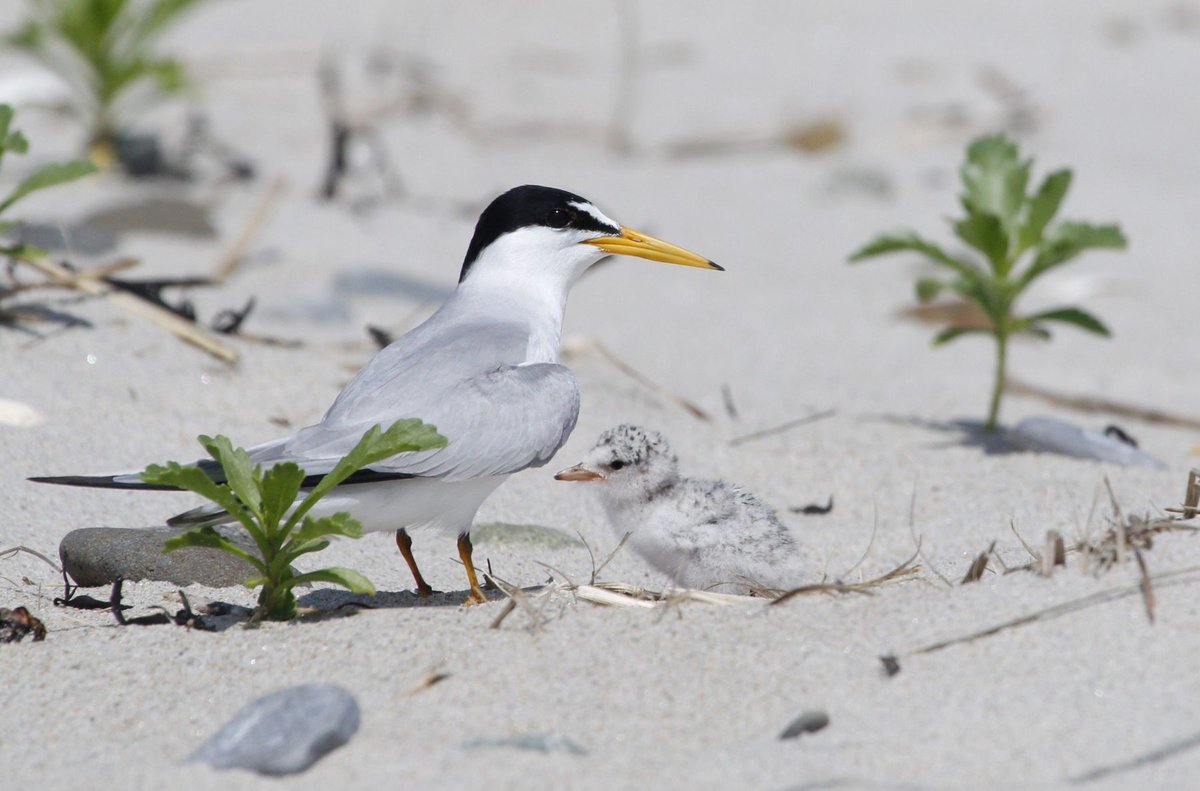
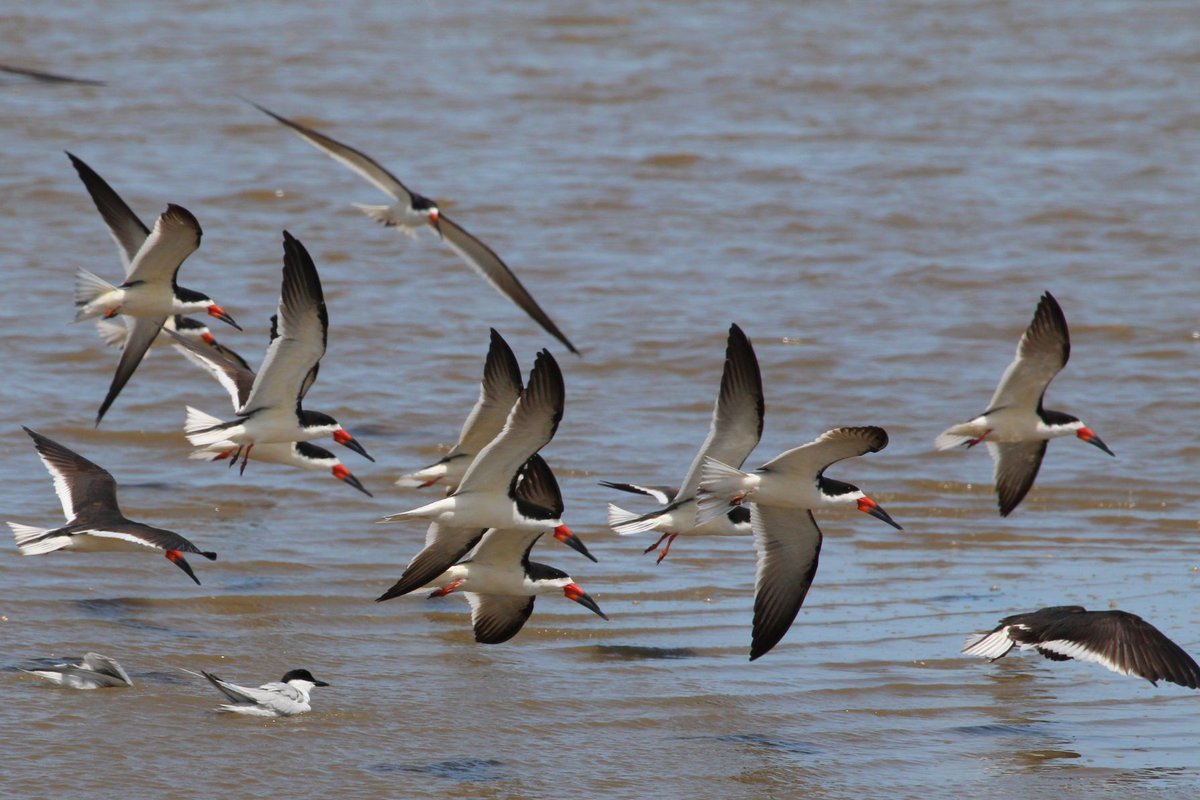
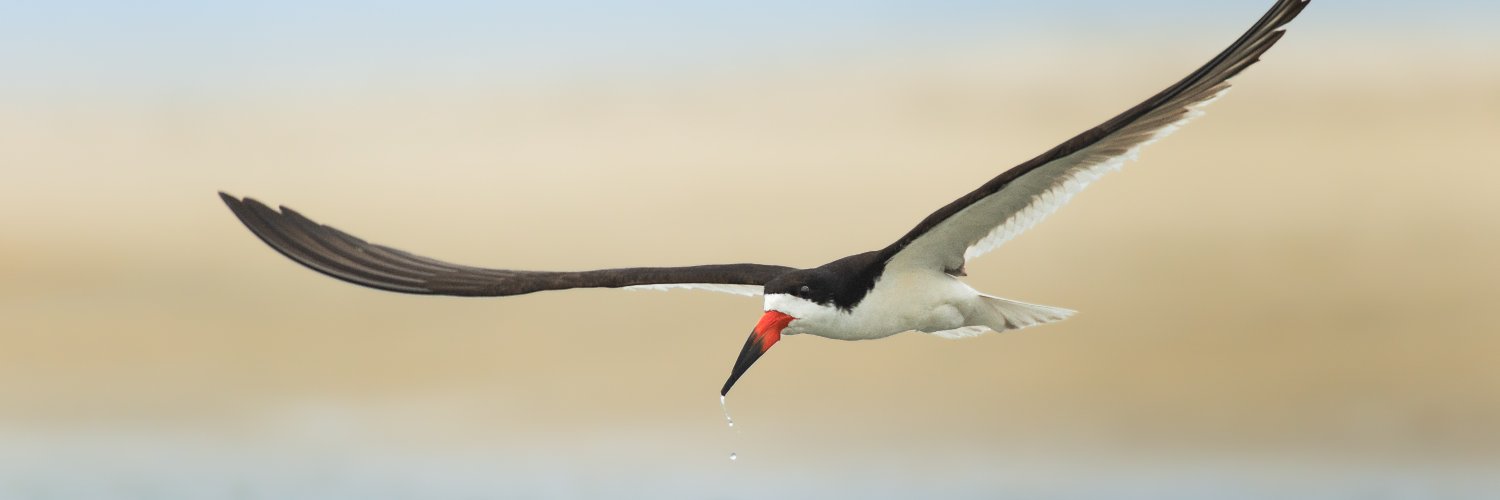
L is for Laridae (#Skimmers, #Noddies, #Terns & #Gulls). Of the 105 species found worldwide, 59 have been recorded in the U.S. and Canada. From the tiny Least Tern to the massive Great Black-backed Gull, this group inhabits almost every corner of the planet. What’s your favorite?
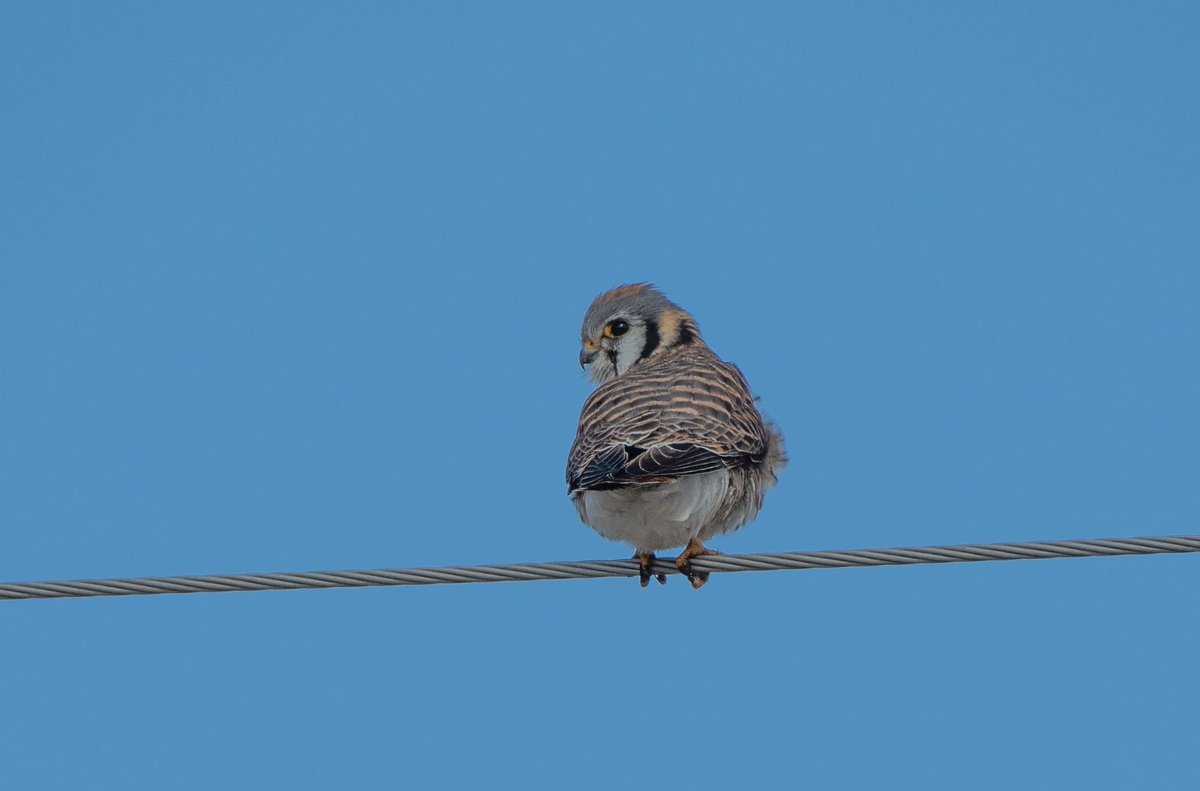
K is for... well, not a bird family! There are no bird families that begin with K—but plenty of incredible species have K in their name somewhere. Kestrels, Kingbirds, Kinglets, Kittiwakes, Knots—do you have a favorite? Let us know in the comments!
📸 Chris Roberts
J is for Jacanidae (#Jacanas). Only 8 tropical species exist. The Northern Jacana is the only species seen in the U.S., a rare vagrant from MEX. With their long, slender toes, they can walk on floating vegetation in wetlands.
📸 Northern Jacana | Ernesto Gomez (Public Domain)
I is for Icteridae (New World #Blackbirds, Troupials & Allies). With 108 global species and 28 in the U.S.—including Yellow-breasted Chat (per AviList)—this familiar family includes orioles, blackbirds, meadowlarks, Bobolink, and more. Do you have a favorite?
📸 Chris Roberts
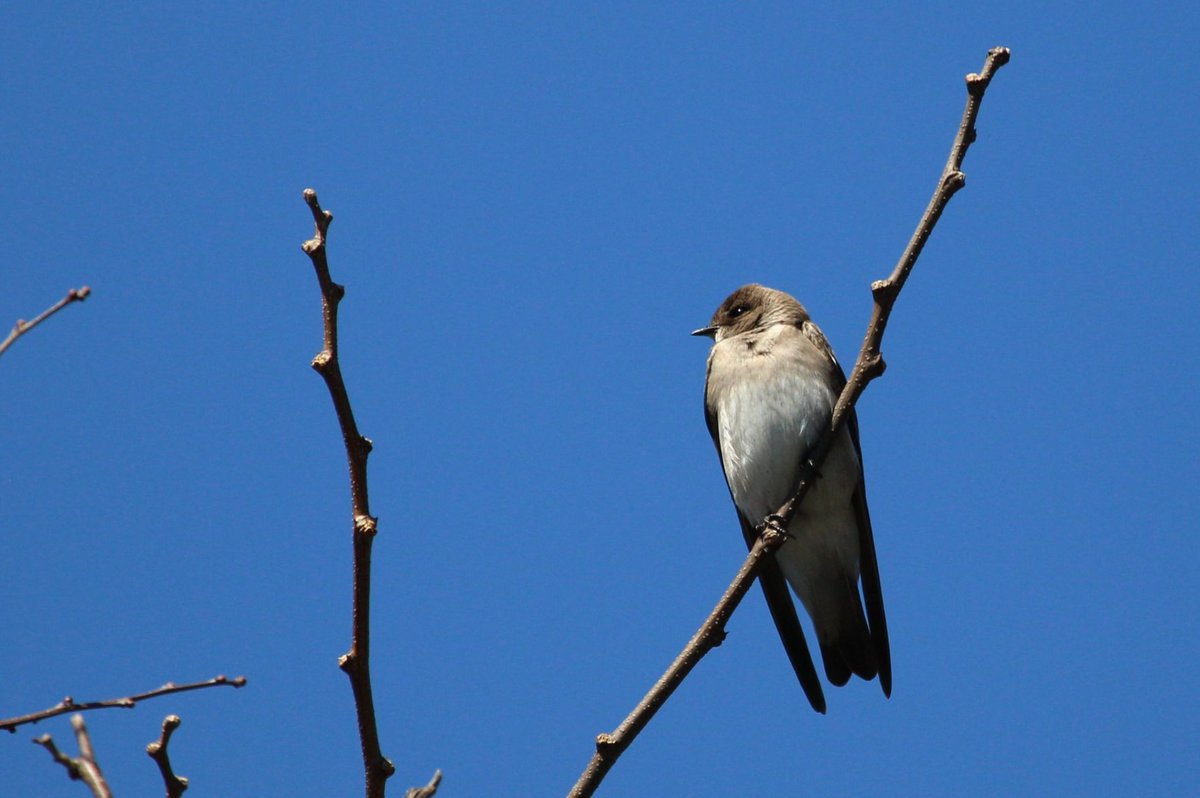
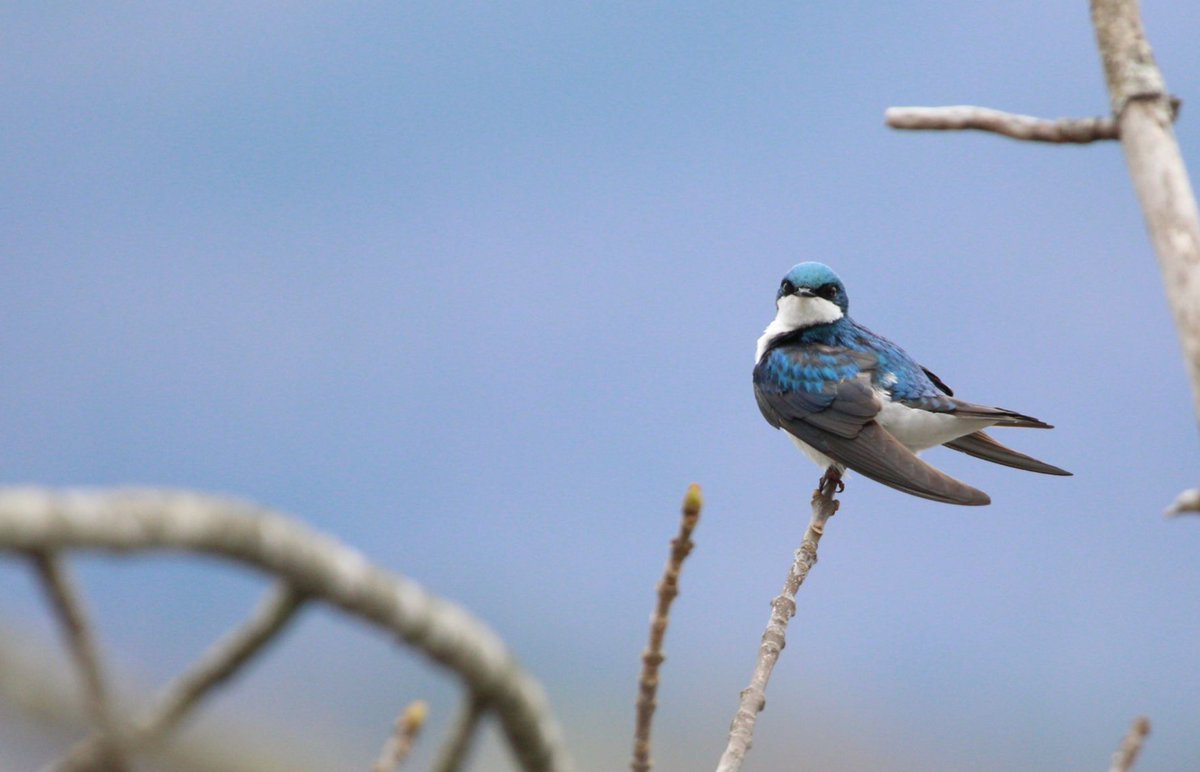
H is for Hirundinidae (#Swallows). Of 92 species worldwide, 16 have been recorded in the U.S. and Canada. These agile aerial insectivores are highly specialized. Unfortunately, many have seen steep declines in North America over the past 50 years.
G is for Gaviidae (#Loons). 5 species exist gobally—all found in the U.S. and Canada. Most nest on Arctic lakes, but the Common Loon breeds farther south in boreal & northern forests. In winter, loons shift to coasts and large inland waters. Which have you seen?
📸 Chris Roberts
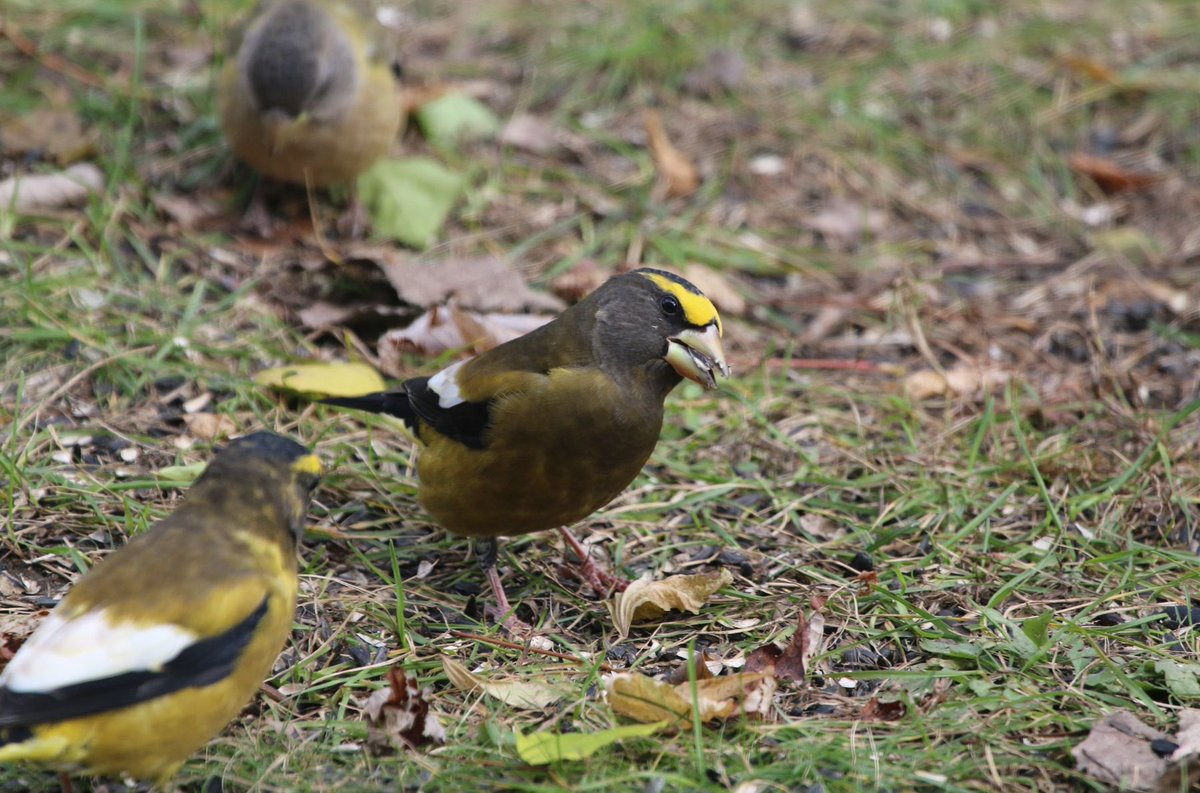
F is for Fringillidae (Finches, Euphonias & Allies). With 236 species worldwide—including goldfinches, grosbeaks & Hawaiian Honeycreepers—this colorful family spans boreal bogs and backyard feeders to tropical forests and more. Which finch is your favorite?
📸 Chris Roberts & BU