How should Sydney grow?
Ben Wynn Jones estimates an AMM housing model.
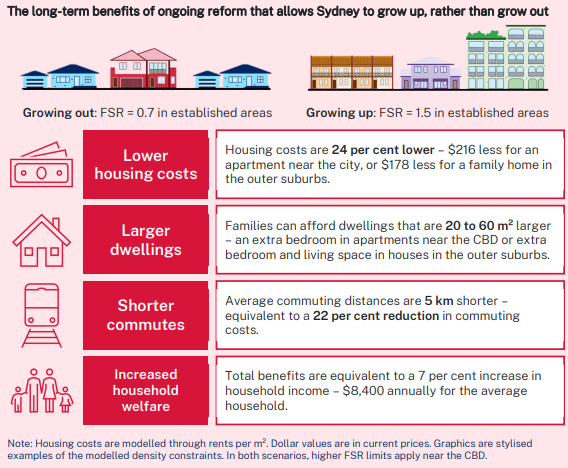
Building up instead of building out economises on expensive land – so delivers bigger, cheaper housing with shorter commutes.
The average household would be $8,400 better off.
https://t.co/4JxNtBb2Yz
@DrCameronMurray What would this look like when you differentiate by asset class ie apartment rents and apartment prices? More apartments are rentals than houses proportionally, but detached housing makes up a larger proportion of sales.
@Nirgal451 I think developer contributions gives development a better social license. A model of funding could be: Developer contributions are used to somewhat fund capex costs required as a result of new developments, and opex costs are funded by LVT.
@TMFScottP Ah gotcha. Could you have it fluctuate around a certain level of budget deficit/surplus though? Is there actually a particular need for it to be fluctuating around a balanced budget?
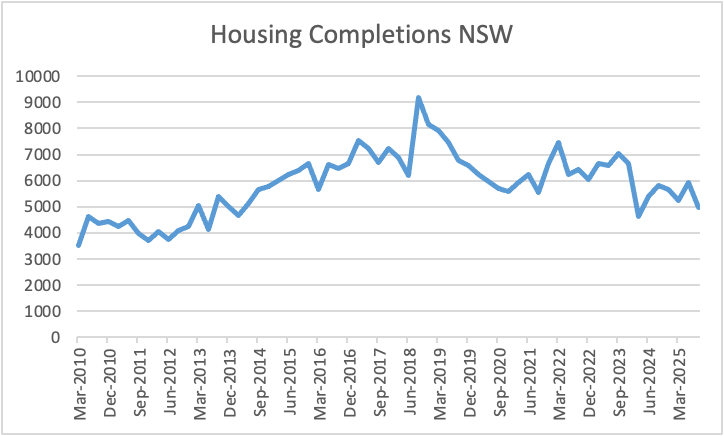
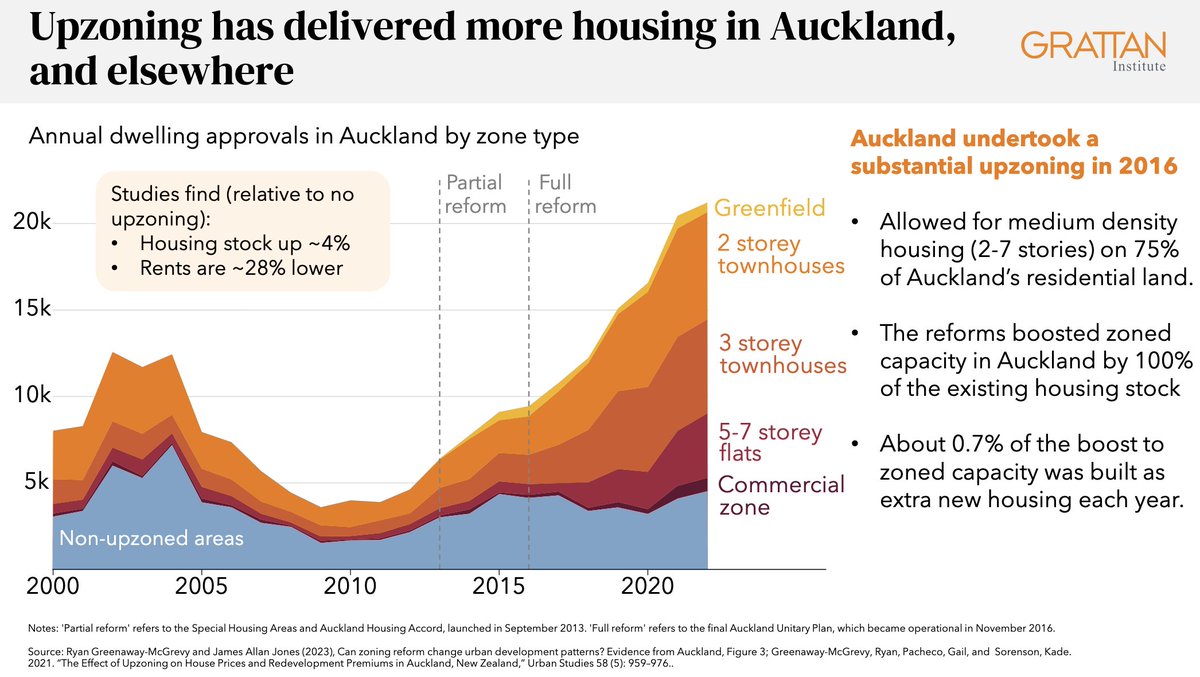
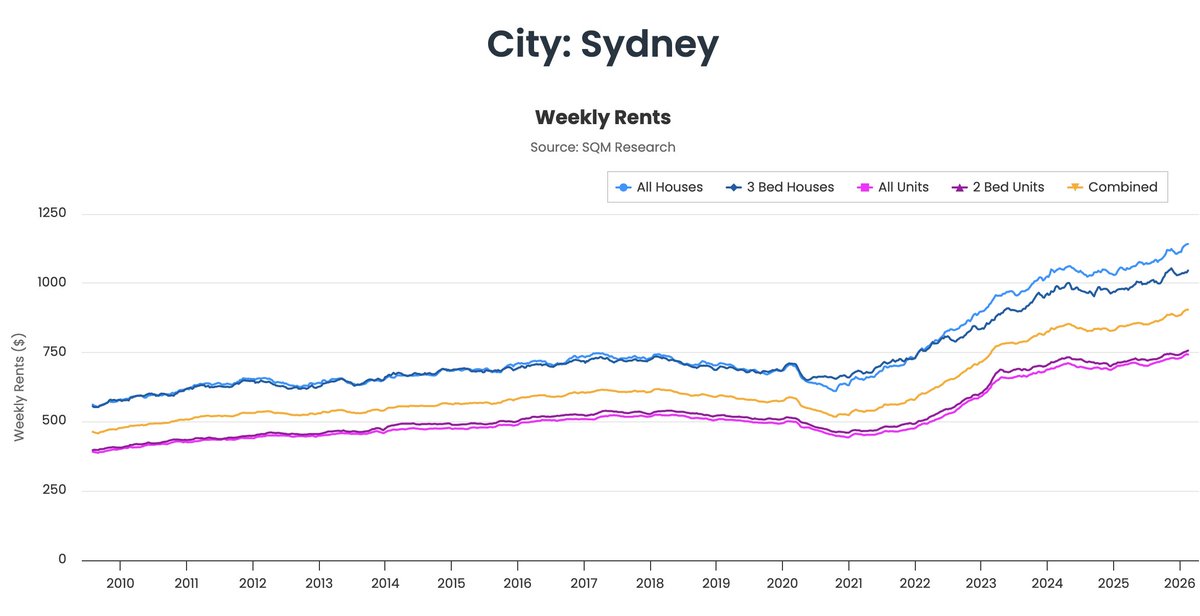
@three3knots@DavidPocock 4) Increases to housing supply (primarily through infill development which increases density) has led to lower prices. You can look at the chart I posted earlier. A better example is Auckland.
@three3knots@DavidPocock 3) Shifting housing supply to wealthier areas will also help increase housing affordability in wealthier areas, which are where people want to live as they have good infrastructure, open space, are closer to jobs, and close to beaches.
@three3knots@DavidPocock 2) But if we reduce population growth via lower immigration, that environmental damage will just occur in other countries. The lower socioeconomic areas of Sydney have taken the brunt of new housing, we need to shift that to wealthier areas.
@three3knots@DavidPocock 1) Higher density can give us a better quality of life, better productivity, and lower taxes. However, the environmental concern is unavoidable. But building dense housing is way more sustainable compared to sprawl.
@three3knots@DavidPocock If our housing supply was more elastic, we wouldn't need to cut immigration. Allow more housing where people want to live, and more housing will get built, lowering prices against the counterfactual.