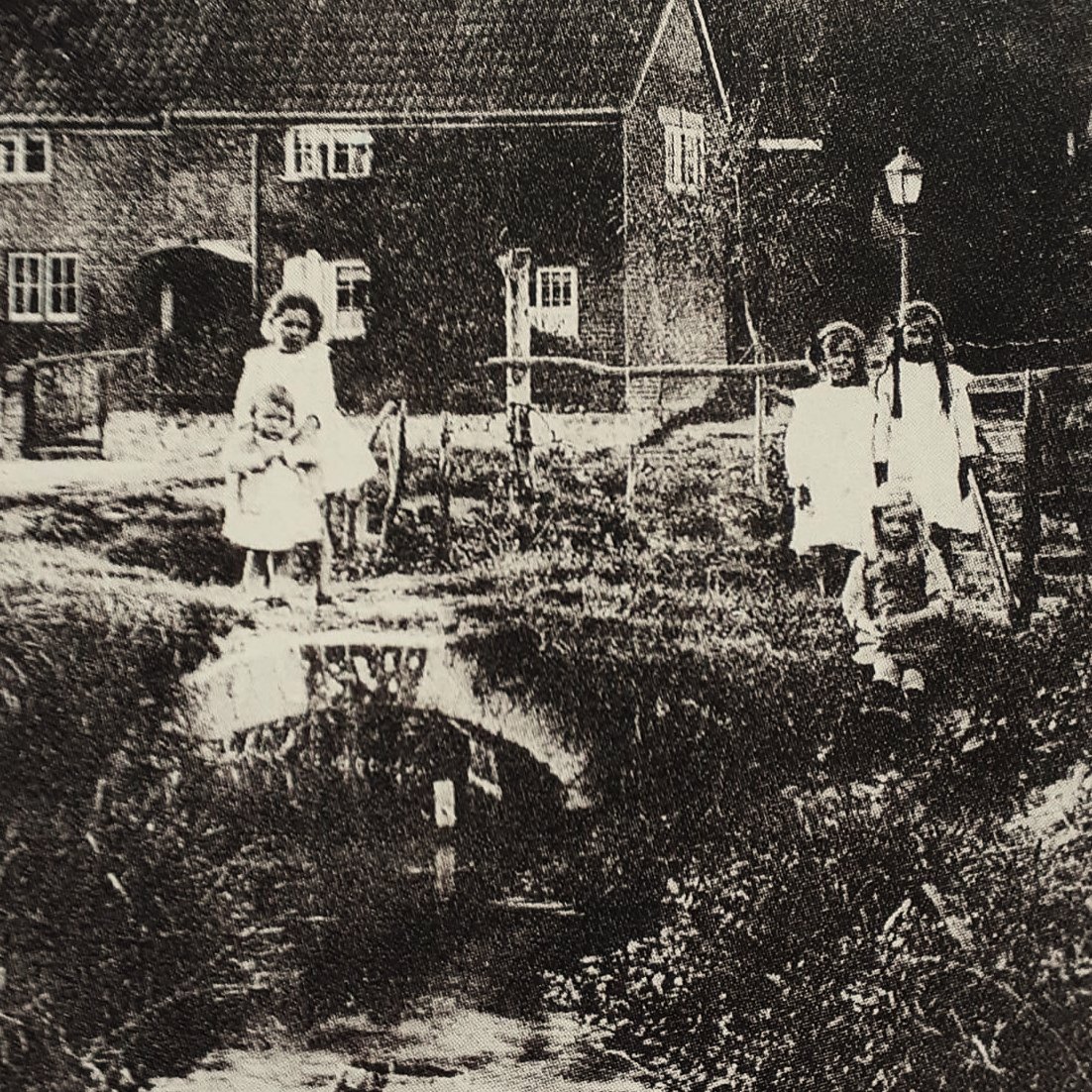
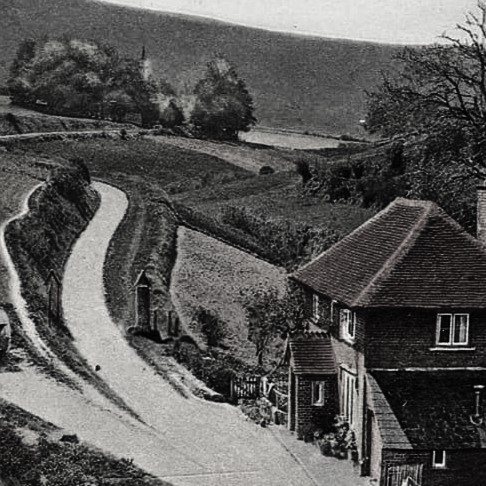
They say that in Luccombe Valley there are twelve Springs and, during World War Two, seven of them were taken over and pumped up to a reservoir under Picquet Hill, in order to supply water to the newly built aerodrome at Steeple Ashton.
They say that the National School also provided evening classes in reading, writing and arithmetic, from 7 to 8.30, for boys who could not attend during the day. They were taught by the Mistress of the day school, an ex-pupil teacher, a farmer and a fitter at Reeves iron foundry.
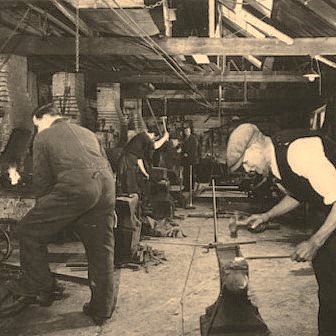
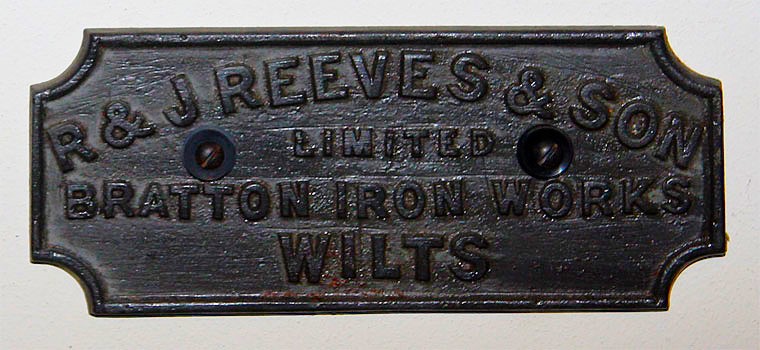
They say that a 7 year contract Jacob Stokes’ mother signed for his Indenture of Apprenticeship at R&J Reeves forbade him from committing fornication, contracting matrimony, playing at cards and dice tables, or haunting taverns and playhouses. He stayed for the rest of his life.
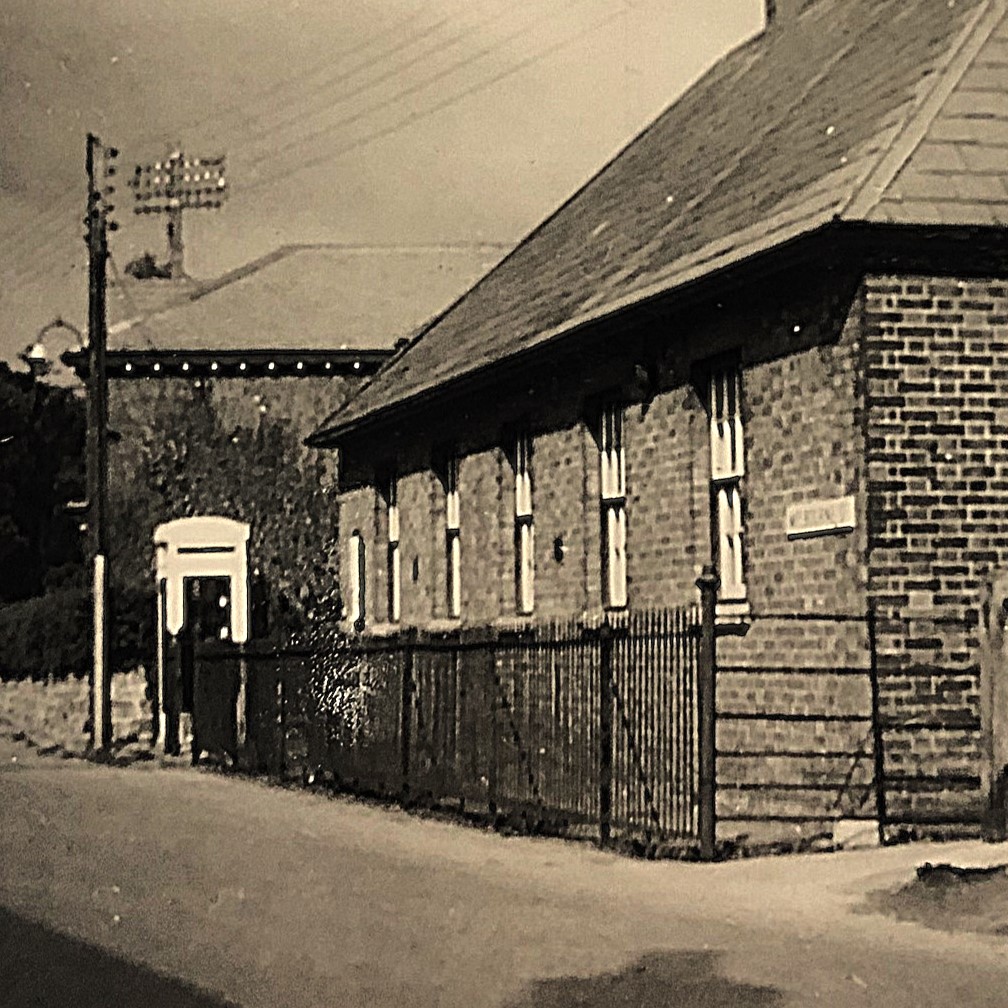
They say that for Queen Victoria’s Golden Jubilee in 1887 it was decided to tear down the public schoolroom near the Baptist Chapel and erect a hall in the centre of the village, for concerts, entertainments and other gatherings. The cost of £160 was met by public subscription.
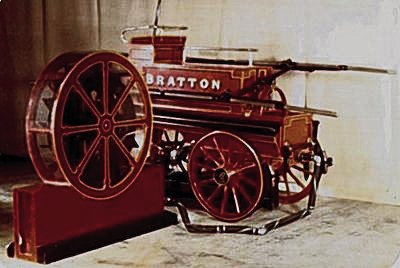
They say that when the old and ‘effete’ fire engine, obtained from Westbury in 1874, had become ‘effete’ and practically useless 24 years later, Mr Oswald Reeves oversaw a local subscription to raise £66 to buy a good-as-new, thoroughly up-to-date, engine from Shane, Mason & Co.
They say that, at a Westbury Petty Sessions in 1864, Mr Laverton, cloth mill owner and Liberal member of parliament, committed Iron Moulder, William Taylor of Bratton, to 14 days in Devizes Gaol for absenting himself from the service of R & J Reeves ironworks without permission.
They say that when the new Council School opened in 1928 Miss L. Burgess, an untrained certified head teacher at the non-conformist British School for 21 years, was paid more than Mr R. Cherry, the trained head teacher, for the first 2 years and was then on equal pay thereafter.
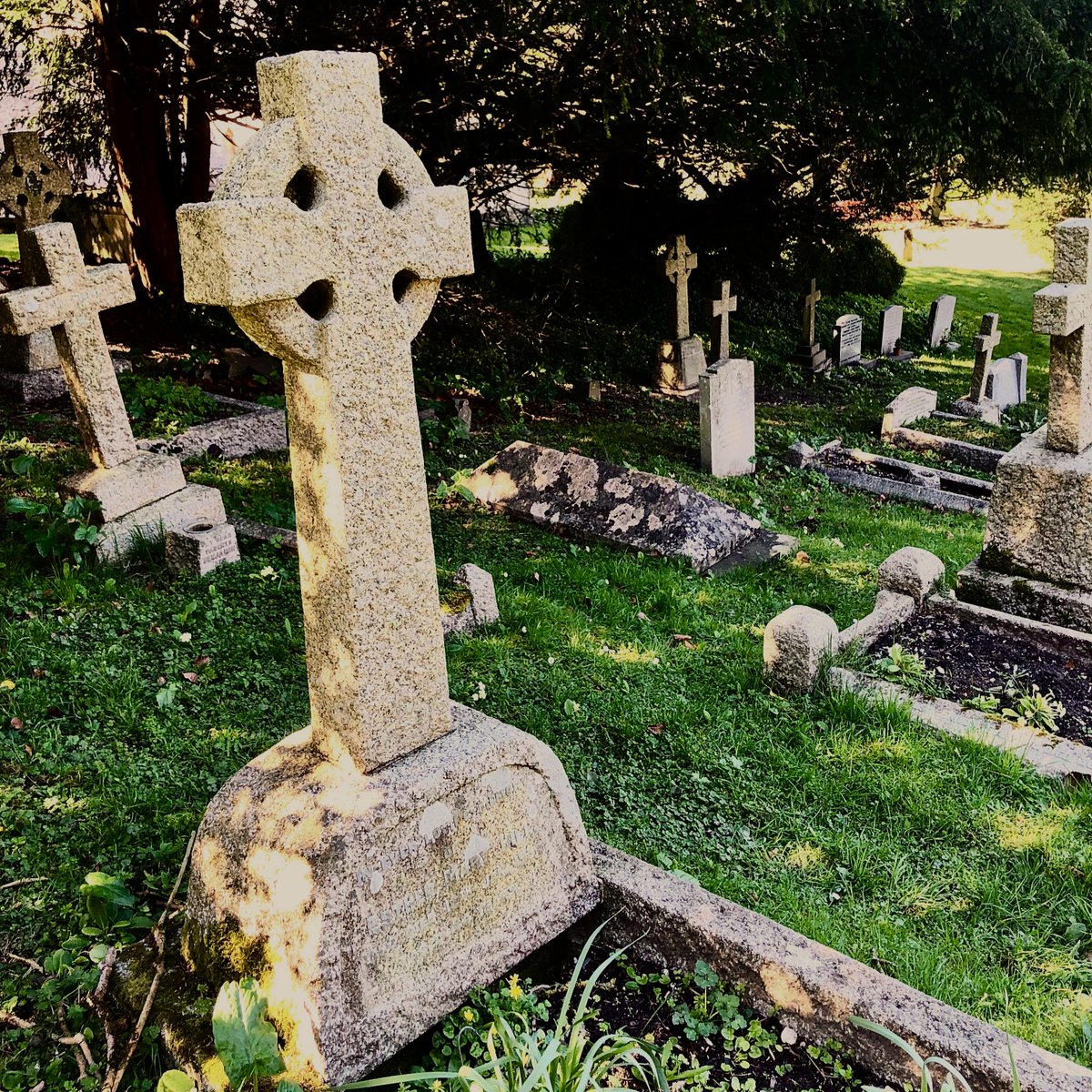
They say that in 1920 Miss Esther Hill became the first female County Educational Committee Officer, with her cheer and encouragement welcomed in every school. When she died in 1934, aged 44, her wish to be buried in Bratton was honoured and the churchyard thronged with mourners.
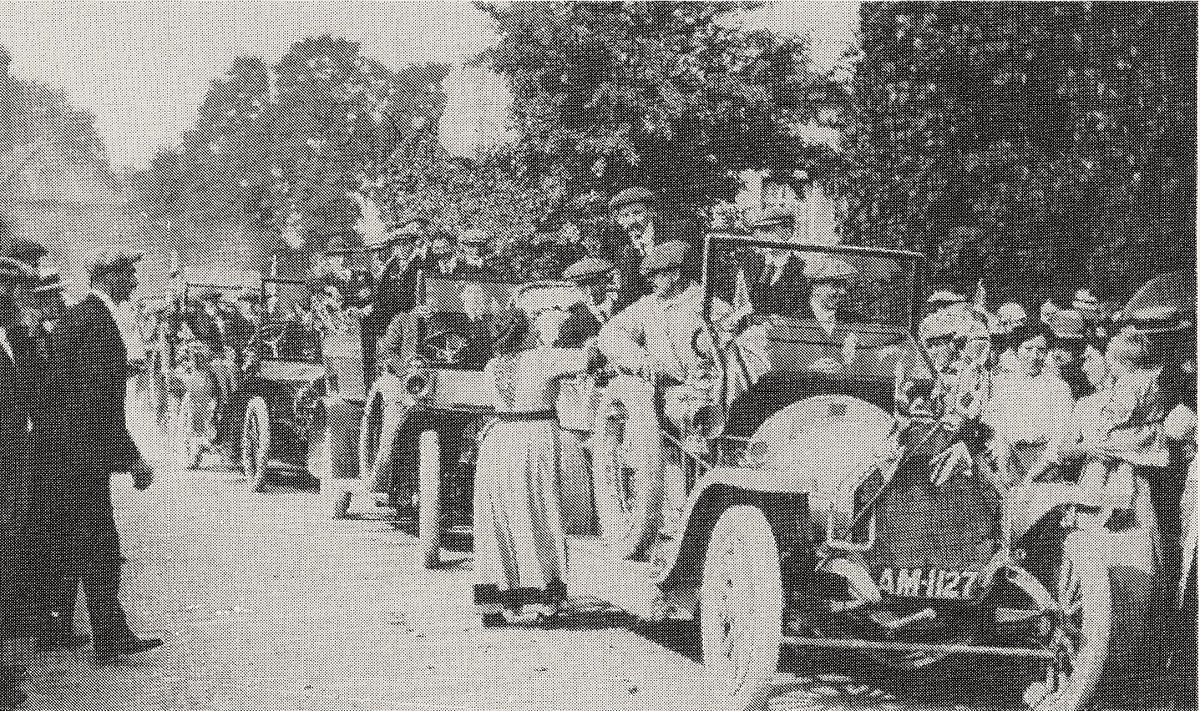
They say that on Monday 7th September 1914 twenty men sat down to a breakfast at The Duke Inn before departing for Devizes to enlist at 9 o’clock, driven in motor cars provided by Mr Reeves, Mr Miller and Mr Laverton, with the Bratton Band leading the procession out of Bratton.
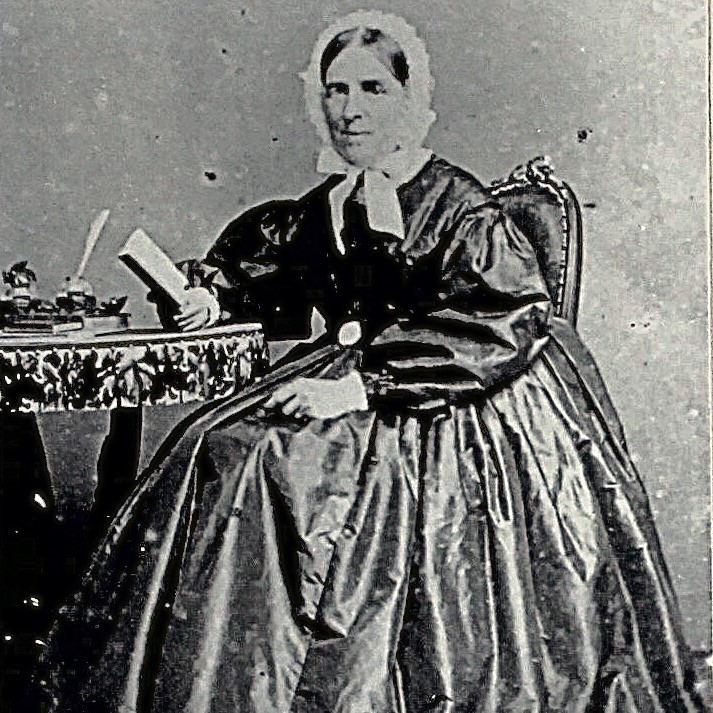
They say that Jane Whitaker started a lending library, formed a reading circle, and in 1837 launched a high-minded literary magazine covering current affairs, statistics, farming, horticulture, literature and philosophy titled ‘The Village Rill’.
They say that when the gas supply came to Bratton in 1904 it allowed 20 gas street lights to be installed on the village streets, roads. lanes, paths and inside the church. One can still be seen today at the top of The Butts.
They say that the windmill, which stood beside 'Windygates' house on Portway, powered a water pump. Children were told by the house gardener that it was a giant and occasionally they were invited into the garden, when it was sleeping, to search for sweets 'that he had spilled'.
They say that when Army Chaplain Rev Pyper succeeded Rev Palairet at St James’ Church in the 1850s he bought a beautiful set of brass instruments and engaged a teacher to start Bratton’s first band. The premier tune they performed was ‘1, 2, 3, 4, 5, Gathering fishes all alive’.
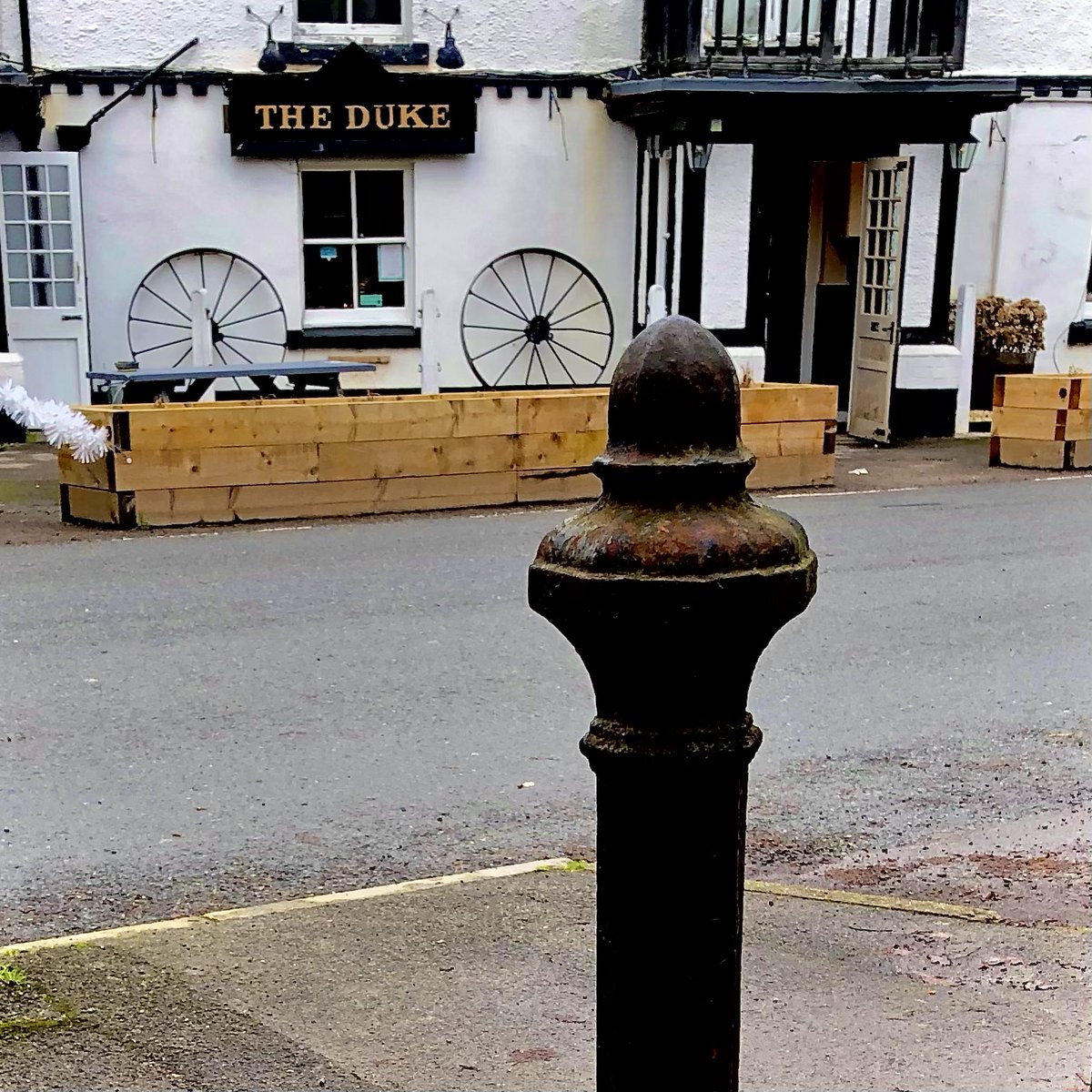
They say that the odd old iron post that stands all alone on the footpath beside the Jubilee Hall is the last remaining part of an iron fence that once enclosed the hall, taking the space where the pavement now runs, in an era when sightings of motor vehicles was still rare.
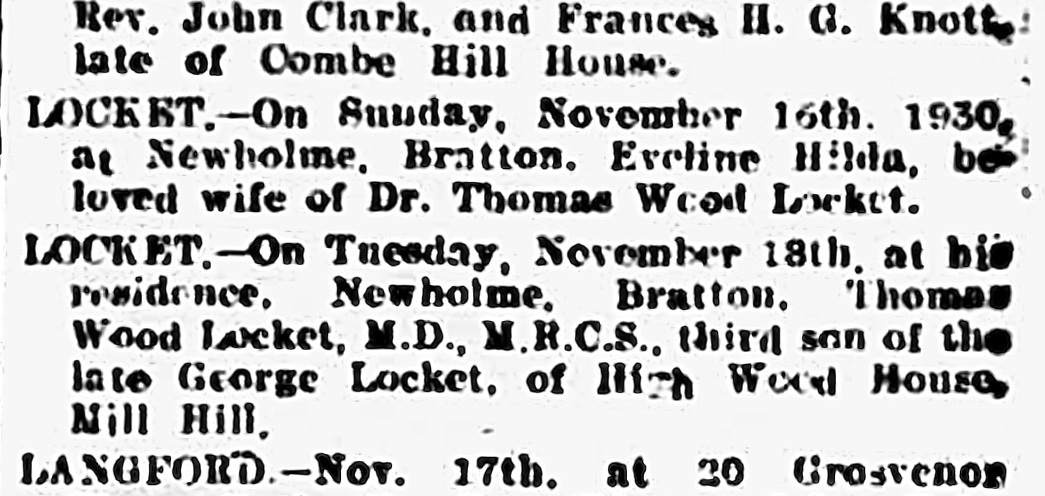
They say that on Sunday 16thNovember 1930 Mrs Eveline Locket, of Newholme, passed way. Two days later, on Tuesday 18thNovember, her husband Dr Thomas Locket also died, aged 62. Coincidentally, on that same Tuesday their gardener, Mr John Mead, died as well, at the age of 75.
They say that on May Bank Holiday 1978 huge crowds came to celebrations of the battle of Ethandun on Picquet Hill. Although the view across the Plain remained almost unchanged since the 878 battle, this time there were first-aiders, Portaloos, parachutists and a hot air balloon.
They say that in 1886 the Mutual Improvement Society was formed and held at the National School. Women were not allowed to join for the first year. There was then a stimulating atmosphere of readings, concerts and discussions on topics like ‘Do men have as many brains as women?’
They say that ‘The Tynings’ was originally the name of the housing development consisting of Southay Drive, Ethendun Avenue and Seymour Close. Lady Seymour resigned from the Parish Council over the number of homes actually built and today just a row of nearby trees bear her name.
They say that in 1958, 80 year old widow Mrs Hooper was tragically found to have died at 2 Church Road from gas poisoning, despite having no gas appliances. The pipe supplying the neighbour passed through her house and was found to have corroded and gas slowly filled the house.