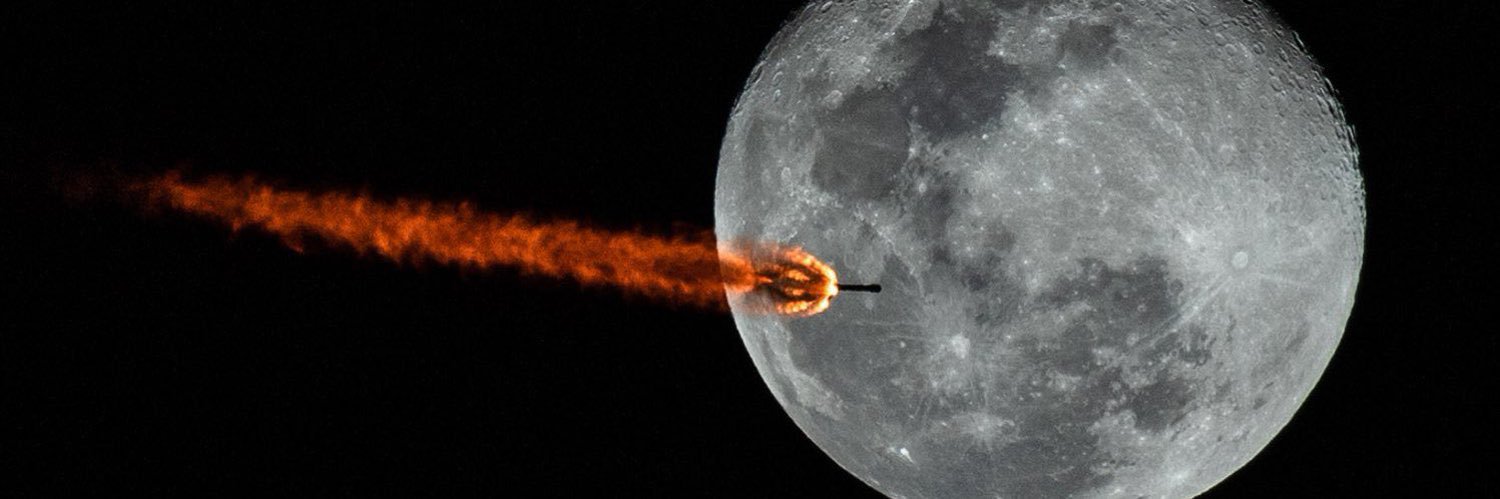
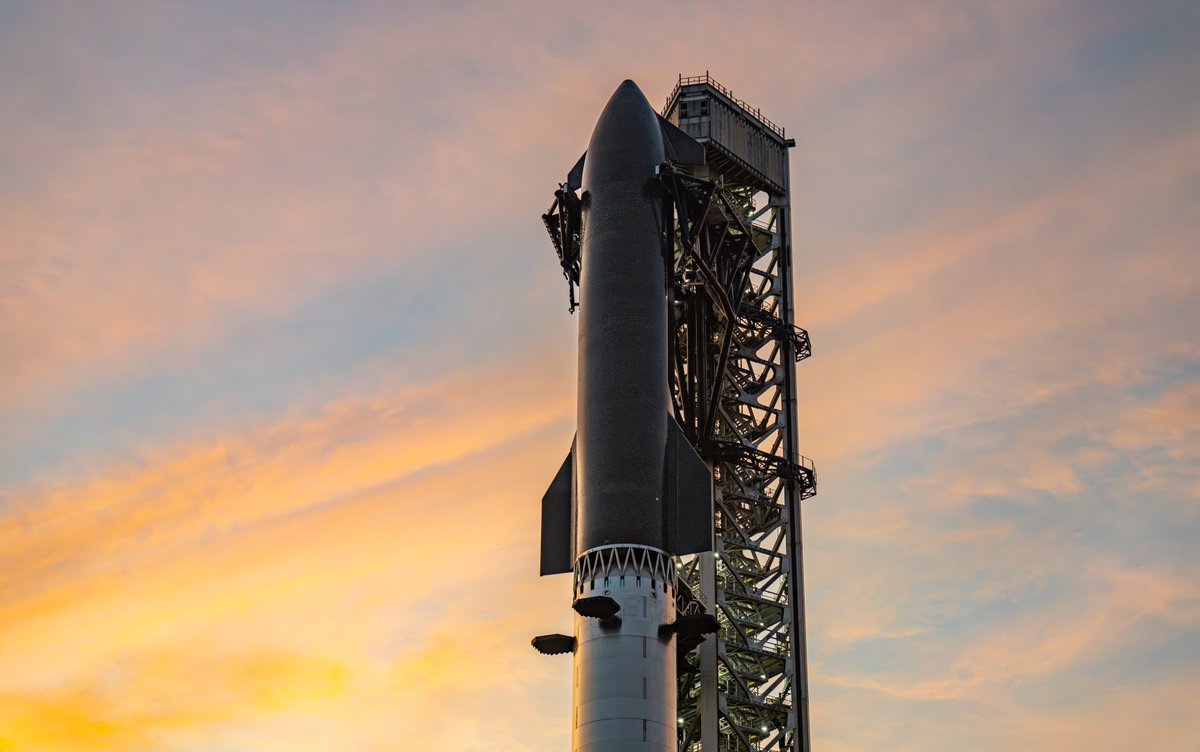
With flight tests, success comes from what we learn, and today’s test will help us advance Starship’s reliability ahead of orbital and operational missions to deploy @Starlink
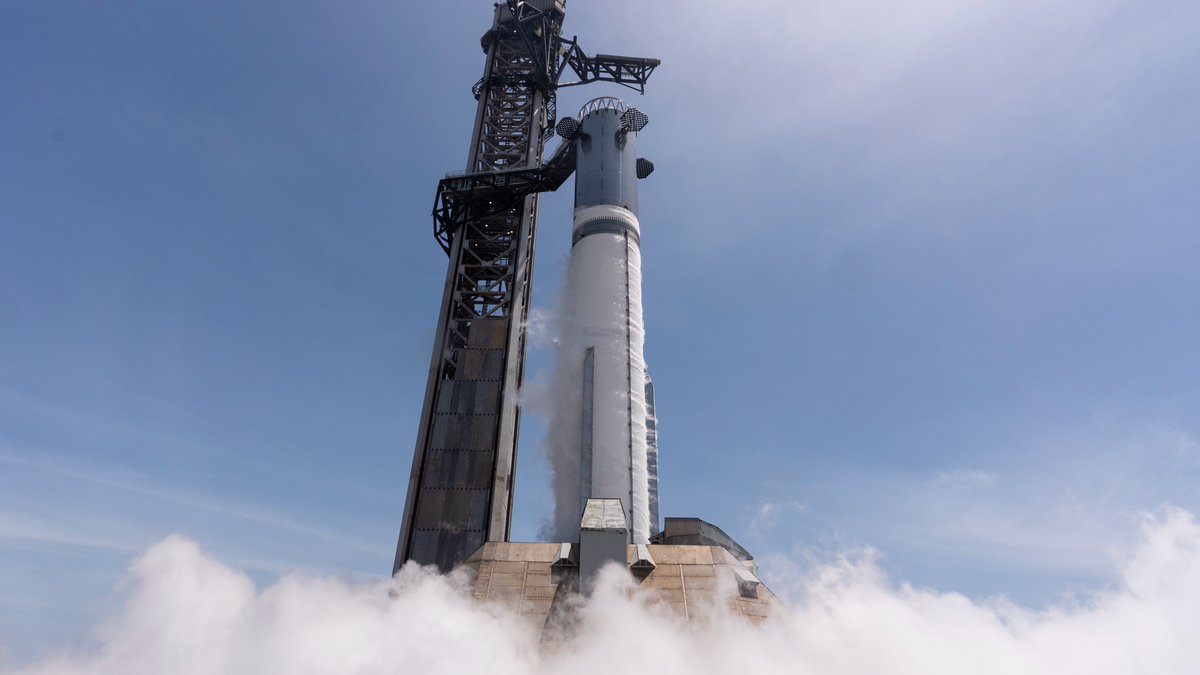
Launch infrastructure is every bit as complicated as the rockets themselves, and is designed to operate in some of the most extreme conditions on Earth. Learn more about what it takes to launch the most powerful rocket on the planet in this clip from the second episode of our ongoing documentary, Starship → https://t.co/0nNgKtf7M5
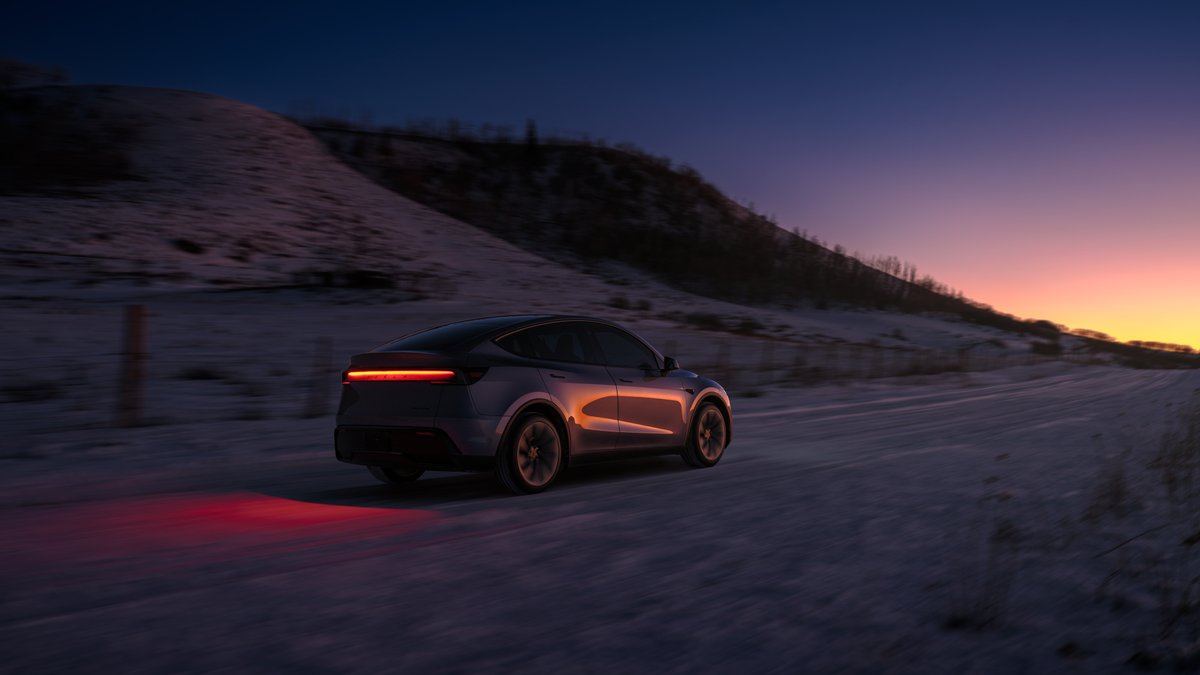
Tesla has released new FSD (Supervised) safety data.
Miles per major collision:
• Teslas Driven With FSD (Supervised): 5,690,675
• Teslas Driven Manually (Active Safety Features): 2,076,014
• Teslas Driven Manually (No Active Safety Features): 859,465
• U.S. Average: 698,781
Total major collisions:
• Teslas with FSD (Supervised): 1,255
• Teslas driven manually with Active Safety: 17,380
• Teslas driven manually without Active Safety: 239
• U.S. average: 4,646,404
Total miles logged:
• Teslas with FSD (Supervised): 7,141,797,525
• Teslas driven manually with Active Safety: 36,081,121,994
• Teslas driven manually without Active Safety: 205,412,073
• U.S. drivers overall: 3,246,817,000,000
Tesla vehicles with FSD (Supervised) engaged experienced ~7x fewer major collisions than those driving without it on.
This is North America data across all road classes (highway and non-highway). The data reflects a rolling twelve-month aggregation of miles and collisions.
Additional preflight testing on Super Heavy complete. Now starting preparations to launch Starship as soon as tomorrow, Thursday, July 23. Weather is currently a significant watch item for launch