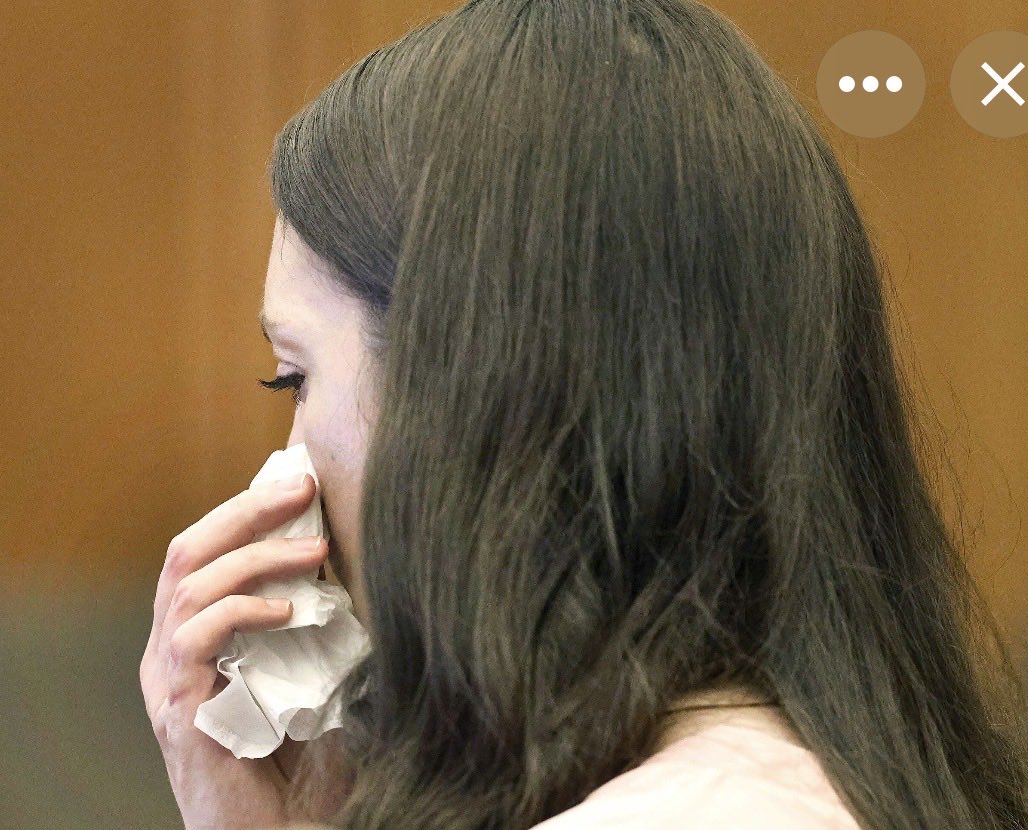
@bostonemily3@RichLux713 No they weren’t and the news reported that numerous times. I watched it happening live until I just couldn’t anymore. No kids were present at the home. Why do yall spread fake propaganda and lies?
@RichLux713 And here you sit, trying to monetize off of his mental breakdown who traumatized everyone watching on live that night.. including me… his children will see this one day, stop talking about it, please!
Women & mental health is on trial in Massachusetts. This case has gripped this nation & brings to light the struggles young mothers everywhere face every single day! This is wrong is so many ways! Please take a minute to read some reflections of a retired educator & also mom of three.
Lindsay Clancy gave life to three children—Cora, Dawson, and Callan. As a labor and delivery nurse, she understood the profound responsibility and miracle of bringing new lives into the world. That same woman, in the grip of what her defense describes as severe postpartum psychosis compounded by bipolar disorder and a complex medication regimen, ended those three lives in January 2023.
Postpartum psychosis is a rare, extreme psychiatric emergency. It can involve command hallucinations, delusions, profound breaks from reality, and rapid deterioration after childbirth, often layered on sleep deprivation, hormonal upheaval, and pre-existing vulnerabilities. Clancy had sought help repeatedly in the months prior. She reported intrusive thoughts, worsening symptoms, and was hospitalized. Her husband and others have described a woman who was deteriorating despite treatment. The defense argues this illness stripped her of criminal responsibility. Prosecutors contend the acts were deliberate and planned.
Having an extreme mental illness and obvious psychosis does not automatically erase memory or awareness. People in psychotic states can still form memories of their actions, later confront the irreversible reality of what occurred, and sit through the clinical recounting of it—autopsy findings, medical testimony, accounts from those who knew the family and observed what seemed like ordinary days or “normal” interactions. That cognitive dissonance is part of the horror for everyone involved: the mother who once nurtured those children now facing the forensic details of their deaths, the surviving family, and a public trying to reconcile the image of a devoted parent with the outcome.
The trial underway in Plymouth County is not primarily about whether the children died by her hands—that is largely undisputed. It centers on criminal responsibility under Massachusetts law: whether, at the time, a mental disease or defect left her unable to appreciate the wrongfulness of her conduct or conform her behavior to the requirements of the law. There can be a verdict. Juries in similar cases have returned findings of not guilty by reason of lack of criminal responsibility (leading to commitment to a psychiatric facility rather than prison) or guilty of murder (life without parole). The evidence—psychiatric evaluations, treatment records, journals, timelines, expert testimony on both sides—will be weighed. One side sees a meticulously executed act; the other sees the catastrophic endpoint of untreated or mismanaged psychosis.
This case forces uncomfortable questions about maternal mental health systems, the limits of medication management, how society balances accountability with recognition of severe illness, and the lifelong consequences for everyone left behind. The children are gone. No legal outcome restores them. Whatever the jury decides will reflect how the evidence lands on the narrow legal question of responsibility amid profound human tragedy.
@pinkburkel So pretty. My daughter’s babysitters boyfriend got her flowers today and I’vee never seen anything prettier. He had the initial of her name, in babys breath in the middle of the bouquet. Never seen such a unique bouquet like that.