Invisible Casteism: The Bias With No Proof
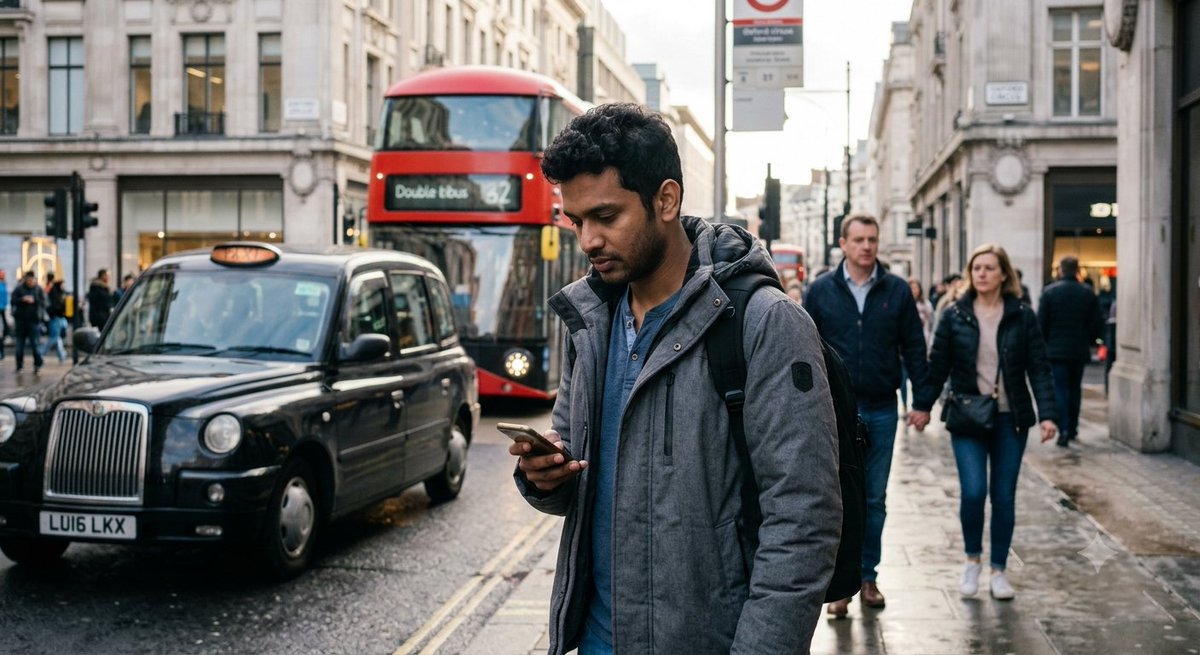
A Brahmin friend of mine lives in London. A few weeks ago, he was telling me how frustrating his job has become. He works hard, but when it is time for promotions, the British staff always get picked over him. No one calls him names, but he feels an invisible wall holding him back. Another friend in Singapore faces the same issue—landlords stop replying the moment they realize he is Indian.
They both ask me: “How do you prove someone is biased when they are always polite?”
This got me thinking about how we talk about caste in India.
Many of my General Category friends think casteism is dead just because we don't see open violence in big cities.
But invisible bias is alive and well—it works the exact same way.
When a Dalit student enters a premier institute, no one stops them at the gate. But professors taunt them about "merit," ignore them in labs, and cut marks in oral exams.
In government and private offices, SC/ST employees get passed over for promotions or given dead-end work, all behind polite excuses. Just like in Singapore, try finding a flat to rent in Mumbai or Bengaluru with a lower-caste surname.
That is what invisible casteism is. There is no proof, no loud fight, and HR won't help you. It just makes the victim feel like they are never good enough.
If you can feel the pain when a white manager overlooks an Indian abroad, it shouldn't be hard to understand what lower-caste people face right here. Bias is bias, no matter who is doing it.
If living abroad makes my friends feel like they don't belong, imagine living your whole life feeling like a stranger in your own country.
@nexafinnity@IndoTaquila@CommanMan777589 If you don't accept the constitution then leave India. Our PM has taken oath on constitution. That's the constitution as of now and we have to follow it.
Did you know Dr. B.R. Ambedkar proposed something remarkably similar to Bitcoin's monetary philosophy back in 1923?
In his book The Problem of the Rupee, Ambedkar argued for an inconvertible rupee with a fixed limit of issue.
His concern? Governments should not have unlimited power to expand the money supply.
Some fascinating parallels:
• 1923: Ambedkar argued for restricting rupee issuance.
• 1923: He advocated closing mints to unrestricted coinage.
• 2009: Satoshi Nakamoto launched Bitcoin.
• Bitcoin: A predetermined monetary issuance schedule and a hard cap of 21 million coins.
Ambedkar didn't invent Bitcoin, blockchain or decentralised money.
But decades before Bitcoin, he was asking a question that remains relevant today:
Who should control the creation of money, and who should protect its value?
India's monetary history is far more fascinating than we realise!