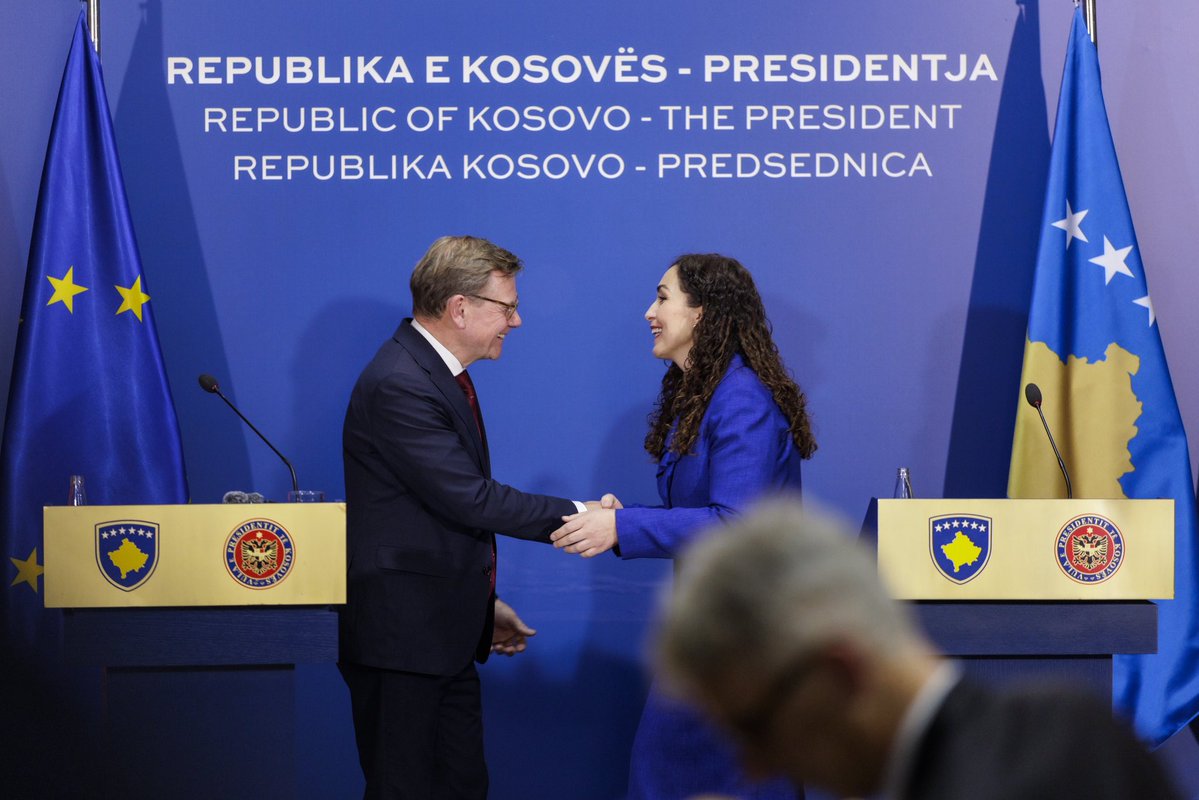
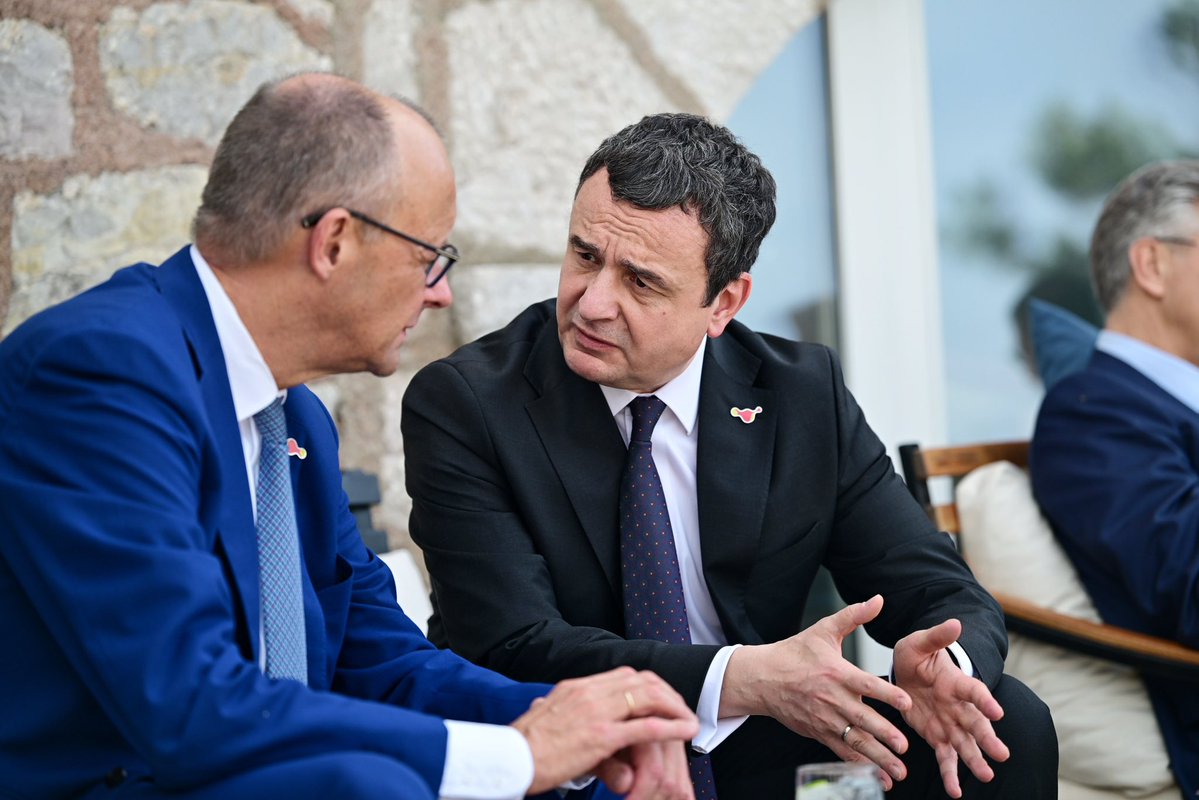
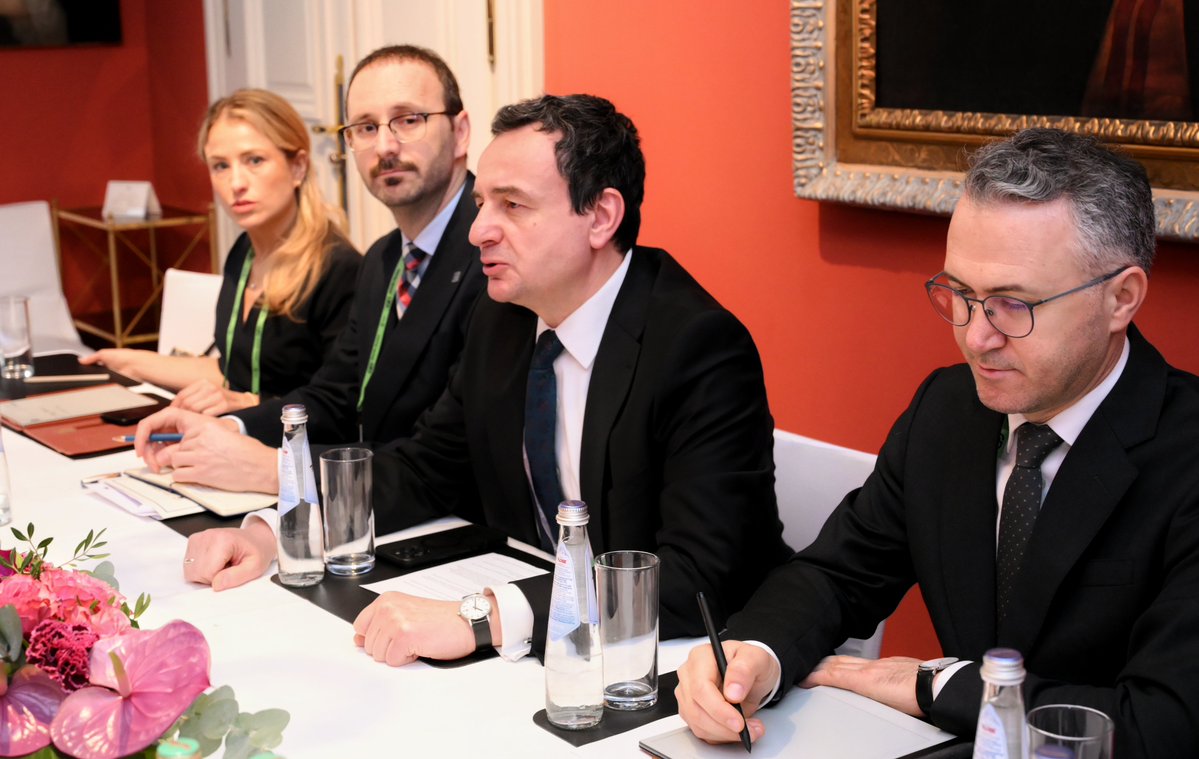
At today’s Berlin Process Summit, I spoke with Chancellor Friedrich Merz about our shared European future.
Kosova has fully implemented all Berlin Process agreements, others must do the same. With over €1.5bn in German investment and a vibrant Kosovar diaspora strengthening the ties between our countries, Germany remains a key partner for our future in Europe.
Serbia’s renewed territorial ambitions against the Republic of Kosova were laid bare once again this week when its Deputy PM, Ivica Dacic, declared at an election rally that the Serbian flag would “sooner or later fly over Prizren”, a city in southern Kosova. Such rhetoric reveals that Belgrade’s territorial ambitions are far from a thing of the past.
Just two days later, Milan Radoicic, wanted by Interpol over the Banjska terrorist attack he organized, appeared alongside Danilo Vucic at Aleksandar Vucic’s party rally in Kragujevac, where Vucic once again threatened the independence of the Republic of Kosova.
These are not isolated provocations. They expose the continuity of a dangerous political doctrine: territorial expansionism in rhetoric, and impunity for armed aggression in practice.
Serbia cannot claim to pursue peace and European integration while its senior officials openly challenge the sovereignty of the Republic of Kosova and the admitted organizer of the deadly Banjska terrorist attack remains at liberty, appearing publicly alongside the president’s family instead of facing justice.
The international community must unequivocally condemn these actions and demand accountability. The sovereignty of the Republic of Kosova is not negotiable, and neither is justice for the Banjska terrorist attack.
Today’s judgment against the former Kosova Liberation Army leaders, Hashim Thaçi, Kadri Veseli, Rexhep Selimi and Jakup Krasniqi, is a travesty of justice that must be corrected on appeal as soon as possible.
The entire saga of the so-called Specialist Chambers began in 2008, with far-fetched allegations of organ trafficking brought before the Council of Europe by Russian parliamentarian Konstantin Kosachev and Serbian parliamentarian Miloš Aligrudić. These allegations were so absurd that they did not even make it into the Prosecution’s indictment due to lack of evidence.
Crucially, today's judgment also rejected the most serious allegation remaining in the Prosecution’s outlandish litany of charges: that the KLA had launched a widespread, systematic attack against a civilian population. This basic prerequisite for establishing crimes against humanity was therefore unfulfilled. The Court also made clear that it did not pass judgment on the legitimacy or justice of our war of liberation. Instead, the convictions relate to specific charges of war crimes, including the detention of persons considered collaborators of the Serbian regime. These findings are unjust and offensive, but they are not final.
The gross injustice of the Prosecution's charges has been repeatedly noted not only in Kosova, but also by renowned international figures who witnessed the conflict first hand and testified before the court: the KLA and its leaders were a bulwark against brutal repression against Albanians — not the perpetrators of criminal acts. These first-hand accounts underscore that today's judgment rests on fundamentally flawed foundations, both historically and legally.
This judgment cannot be separated from the history that gave rise to the KLA. The people of Kosova endured the loss autonomy, expulsion from institutions, imprisonment, torture, killings, ethnic cleansing, and ultimately, genocide. For over a century, numerous Serbian state programs and policies aimed at the elimination of ethnic Albanians. This brutal repression was not a backdrop to the war, it was the reality that made resistance a matter of survival.
And yet, the Specialist Chambers’ work has focused on only one side of the war. When members of a single ethnic group sit in the docket, while the state apparatus that perpetrated massacres, expulsions and genocidal crimes remains untouched, the inevitable result is both the fact and the appearance of mono-ethnic justice. This has only been reinforced by the lack of transparency of a trial, significant parts of which took place completely out of public view and thus without public scrutiny.
As we have done since the start of this process, Kosova’s Government will continue, with all the means at its disposal, to support the accused in the appeal proceedings, where we expect this injustice to be fully corrected.
The outcome of today’s judgment delivered by the Kosovo Specialist Chambers in the case concerning Hashim Thaçi, Kadri Veseli, Rexhep Selimi and Jakup Krasniqi has understandably caused profound disappointment across Kosova, a sentiment that I personally share.
I firmly believe that the Appeals Chamber will subject the judgment to careful and rigorous judicial scrutiny and will address, in accordance with the applicable law and established practice, the legal and factual shortcomings arising from the judgment.
Nevertheless, our unwavering commitment to the rule of law, democratic principles, peace, and Kosova’s European future remains unchanged.
Kosova’s history is one of repression, resistance, war, loss and, ultimately, hard-won freedom.
Today, in the present circumstances, it is hard to perceive a sense of justice for the tens of thousands of women, men and children, of which more than 95% were ethnic Albanians, that were killed, raped and tortured by the Serbian military, paramilitary and police forces. For them, justice never came.
We must continue to defend the historical truth against any distortion and malevolent interpretation.
Above all, we should remain proud of the dignity and resilience of the people of Kosova, and of the country we have built today: a free, democratic and European Kosova.
Serbia is not a normal country.
Those expecting Kosova to normalize relations with Serbia, what they are really expecting is for Kosova to normalize Serbia.
But more than €7 billion of EU taxpayers' money since 2000 have not normalized Serbia. 15 years of dialogue with Kosova have not normalized Serbia.
To become a normal democratic society, Serbia must:
• face past crimes and accept responsibility
• review history books full of lies and hatred for the neighbours that poison children
• stop using the Church to sanctify convicted war criminals
• keep the Church out of the state's foreign policy
• embrace the concept of citizenship instead of ethnic superiority
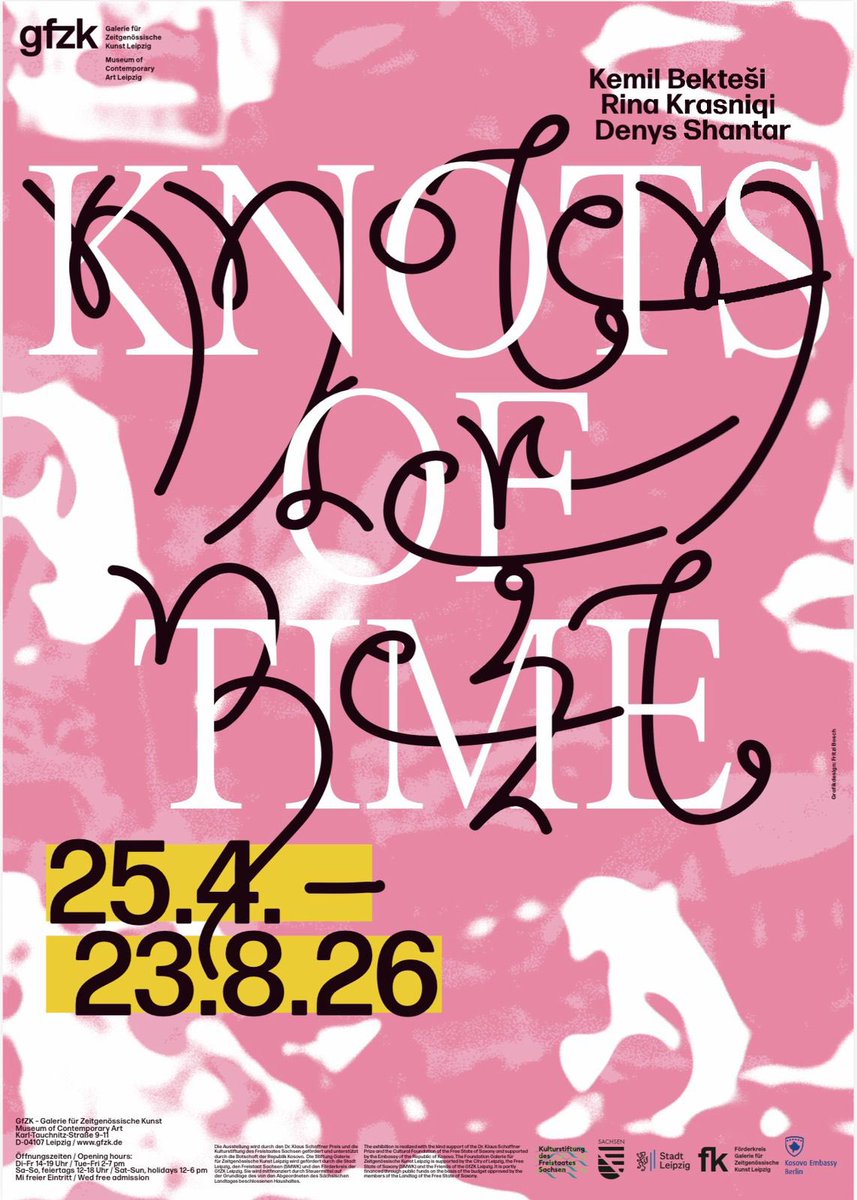
Wir laden Sie herzlich ein zur Ausstellung „Knoten der Zeit“.
Drei Künstler*innen aus der Republik 🇽🇰, 🇧🇦, 🇺🇦 und 🇨🇭verweben Vergangenheit, Identität und Erinnerung zu neuen Erzählungen – zwischen Textil, Installation & Performance. @KosovoinDe
Congratulations Kosovo 🇽🇰!!! 🙌
Only one more win and we will be welcoming you to Canada 🇨🇦 for your first #FIFAWorldCup game on 13 June!
🎉 ⚽️ 🇨🇦 🇽🇰
#WeAreCanada | @FWC26Vancouver
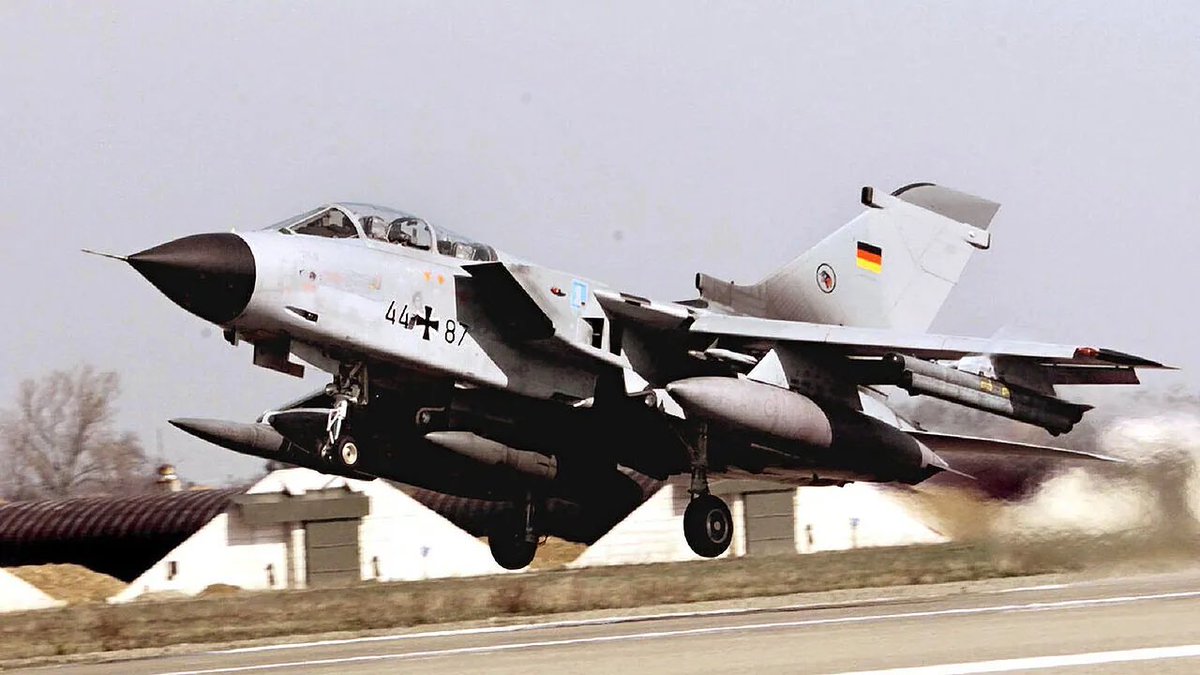
27 Jahre ist es her, dass die NATO eingriff, um Völkermord und ethnische Säuberungen durch das serbische Regime im Kosovo zu verhindern.
Unser Dank gilt unseren Verbündeten sowie allen, die für Frieden und Sicherheit in Kosovo dienten. 🇽🇰🤝🇩🇪
@KosovoinDe#NATO
Foto: DPA
Proud to see Luana Bajrami-Rahmani and the team behind “Two People Exchanging Saliva” win the Academy Award for Best Live Action Short Film.
Born in Kosova and rising from acclaimed roles in European cinema to directing her own films, Luana has built a remarkable career between Kosova, France and the international film stage.
Her success reflects the creativity and ambition of our youth, and the extraordinary contributions that our diaspora continues to bring to the world.
🇽🇰🎬
"On behalf of the United States of America, I offer my congratulations to the people of the Republic of Kosovo as you mark your Independence Day..." - Statement by Secretary of State Marco Rubio https://t.co/GZuJURclPJ
Čestitamo kosovskom premijeru @albinkurti na ponovnom izboru! Nastavljamo jačati bilateralne odnose 🇭🇷🇽🇰 i podupirati europski put Kosova. Tijekom #MSC2026 razgovarali smo o stanju u susjedstvu, sigurnosnim izazovima i statusu hrvatske manjine u Janjevu.
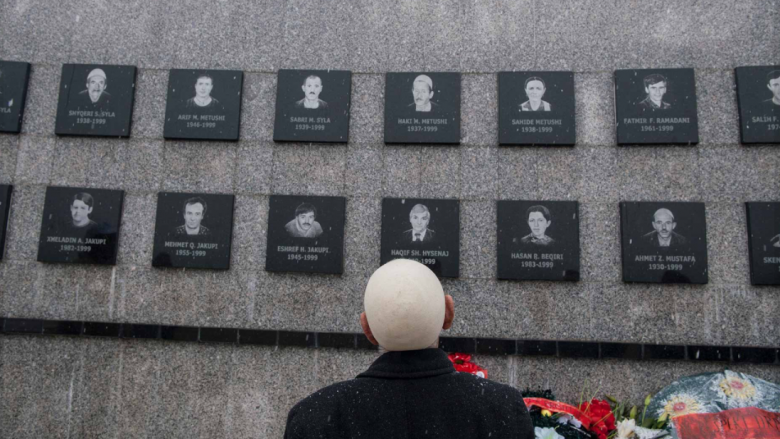
Reçak, 15 January 1999: on this day, 27 years ago, Serbian state security forces, special police and paramilitary units under orders from the top state leadership, stormed in and brutally executed 45 Albanian civilians in the village of Reçak, only because they were Albanians. Innocent, freedom-loving people, ended as victims of a war crime and a crime against humanity.
The facts are documented. The graves are real. Yet the political heirs of Milosevic’s machinery still invest in denial and glorify perpetrators. This is not “a different narrative” it is an assault on truth and the dignity of the victims.
No propaganda can erase blood. No revisionism can undo record. Justice is not negotiable.
#NeverForgetReçak #JusticeForReçak
Twenty-seven years ago, 45 ethnic Albanian civilians were brutally massacred by Serbian-led security forces in the village of Reçak, Kosova. While witnesses are dying, Serbia continues to shield from justice those responsible and has not apologized for the crime. Never Forget!
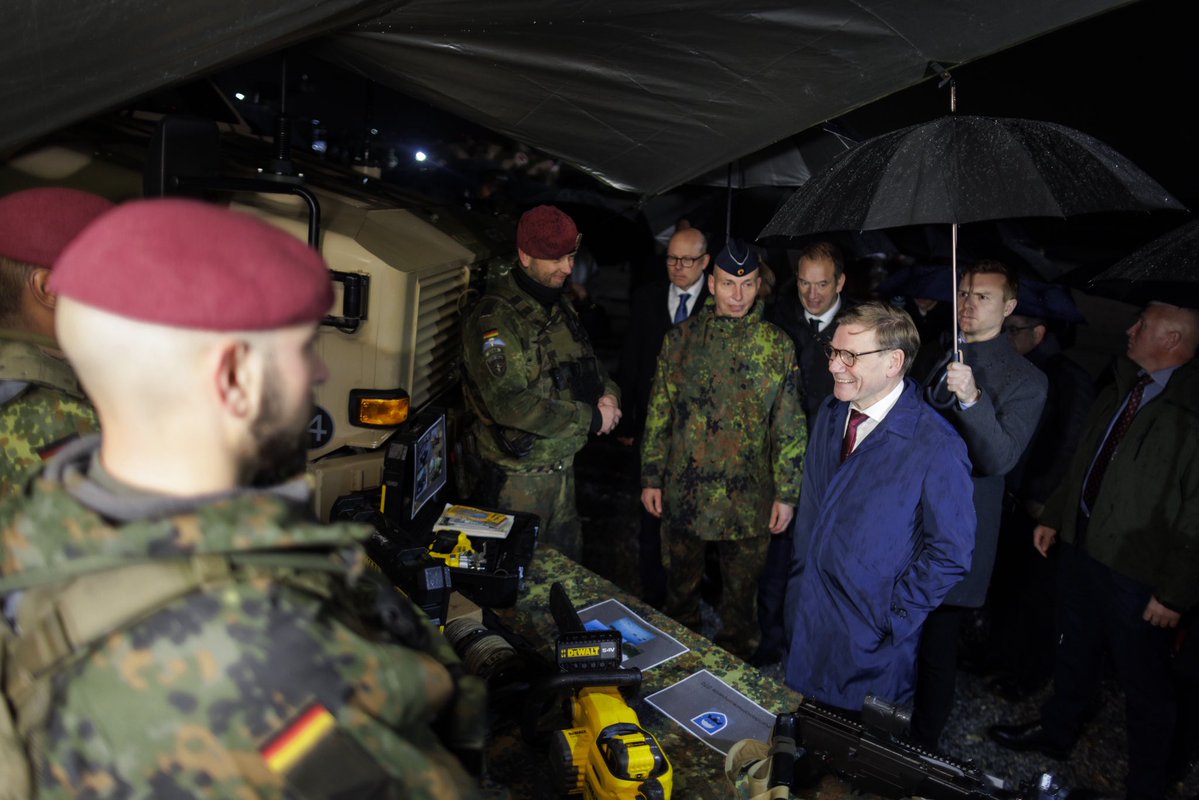
Meeting @VjosaOsmaniPRKS and visiting our #KFOR troops underscores the importance Germany attaches to #Kosovo‘s stability. Progress in the EU-led Dialogue with Serbia is key for lasting normalisation - and Kosovo’s path forward. Germany remains a close partner.
Today, #Syria became the #120th country that joins the community of states that recognize the Republic of Kosova. We look forward to deepening the bilateral relations between the two countries.
Grateful to @VjosaOsmaniPRKS for her dedicated work in strengthening Kosova's international presence, to Syria and President al-Sharaa for this decision, and to our allies in Saudi Arabia for their contribution to this shared diplomatic success.
Every day, the Republic of Kosova grows stronger and more respected on the world stage.
Shukran jazīlan, Sūriyā! 🇽🇰🫱🏻🫲🏼🇸🇾
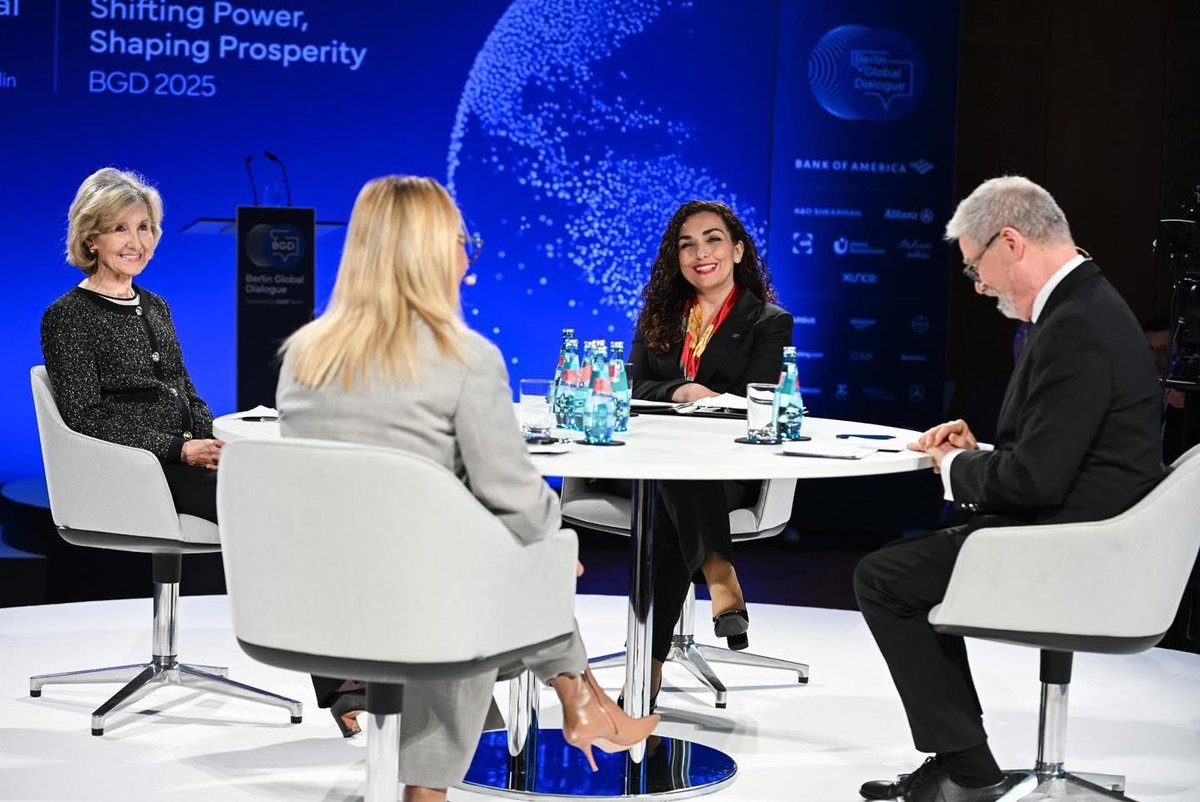
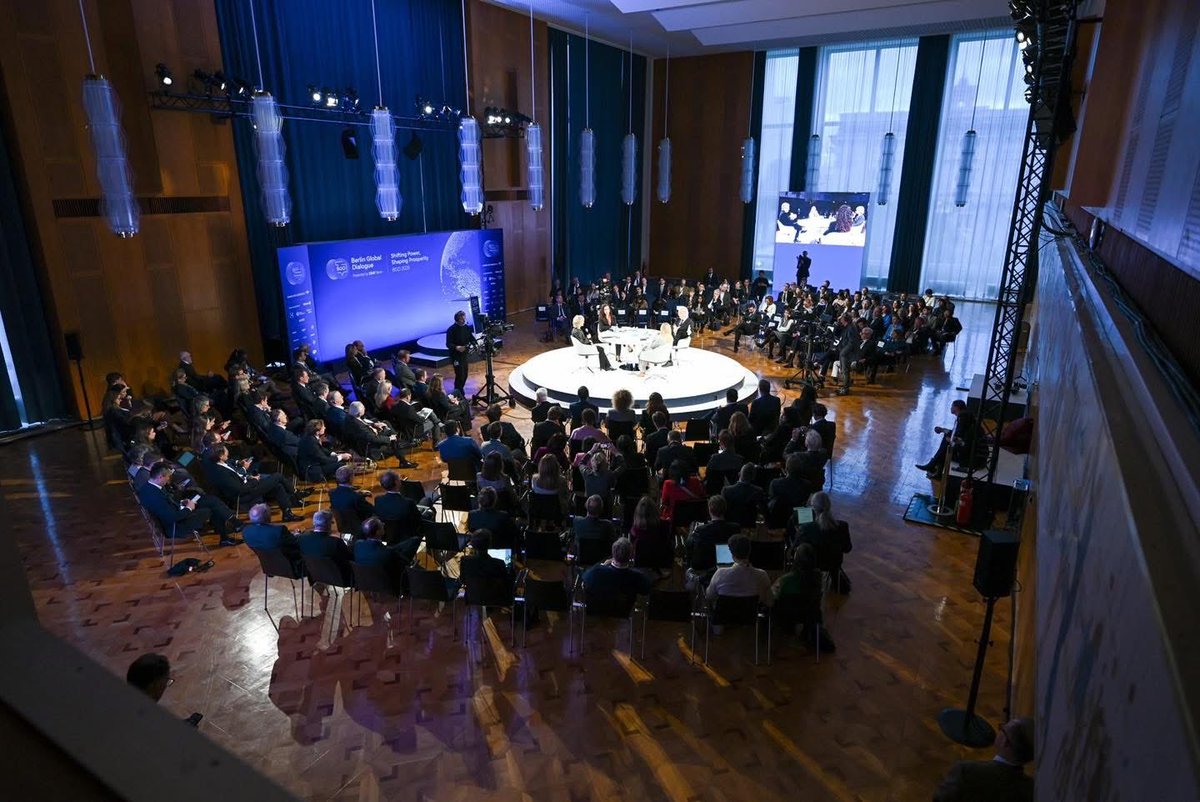
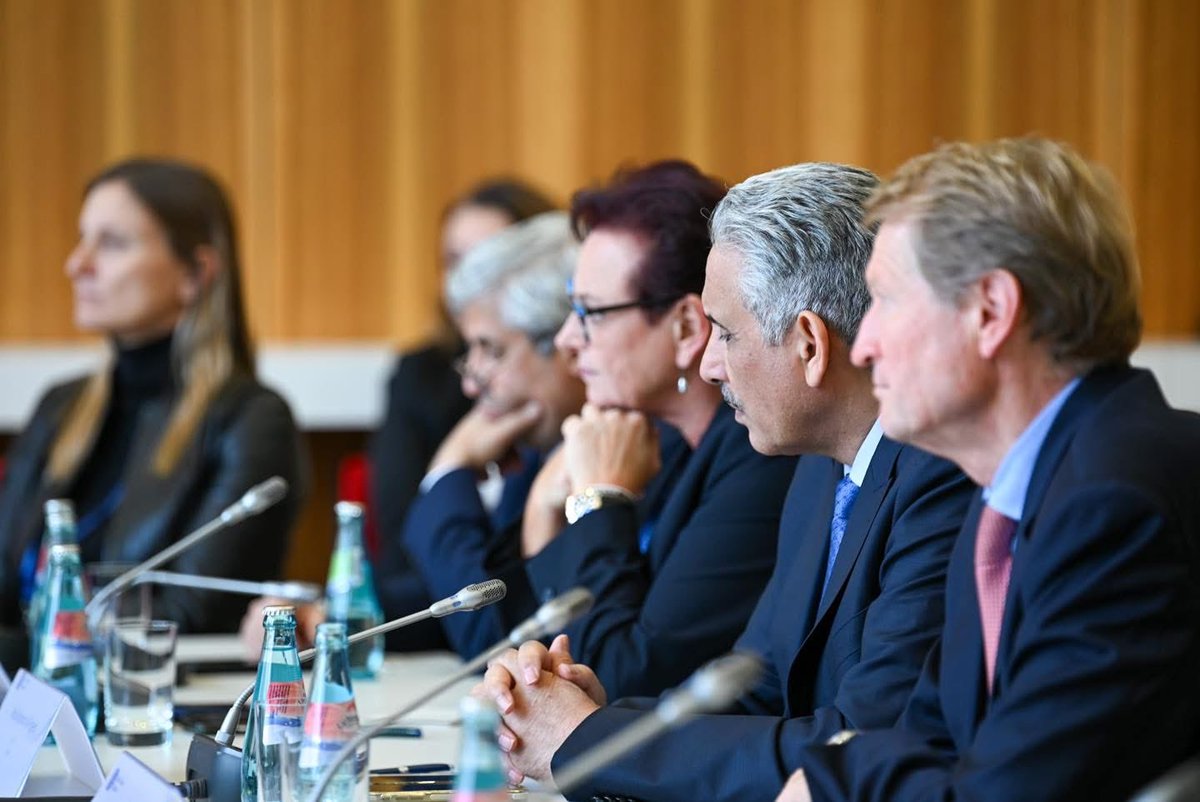
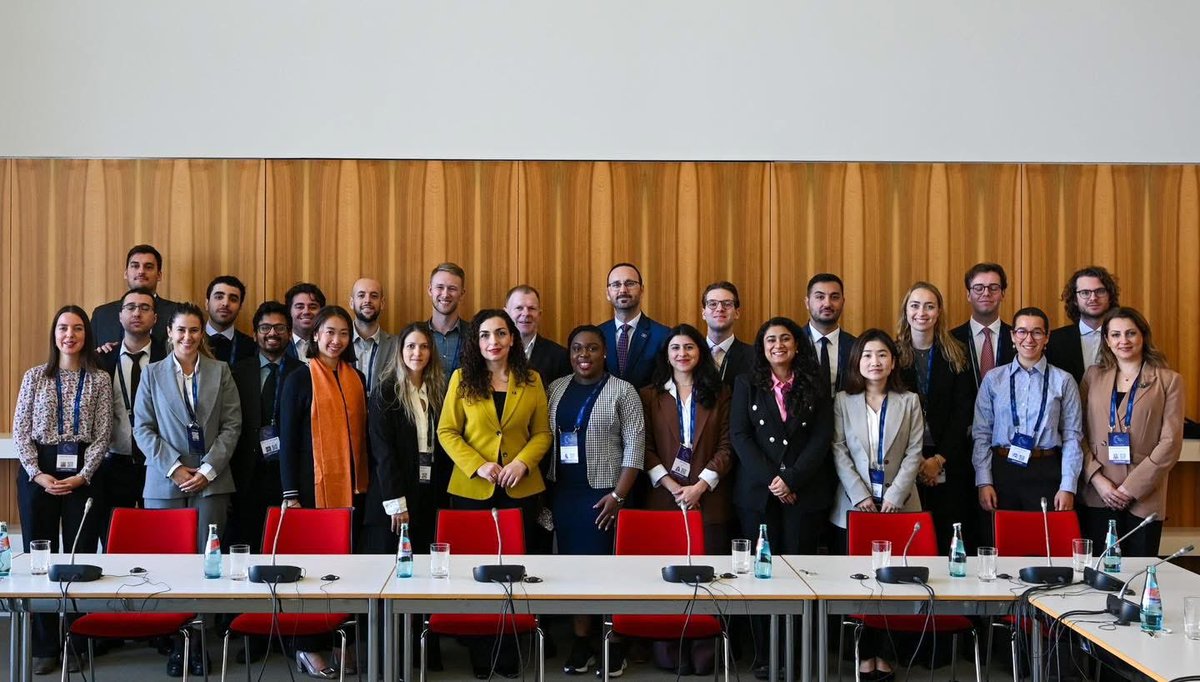
At @Bgdialogue in Berlin, we presented Kosovo’s growing potential before distinguished business leaders from around the world.
Kosovo is open for investment and ready to fully integrate into global markets - not as a low-cost destination, but as an economy built on trust, guided by principles, and driven by strategic growth.
It was a pleasure to return this year to @Bgdialogue — a series of inspiring discussions, valuable meetings, and new partnerships, all driven by a shared goal: bringing Kosovo even closer to the European Union.
The Berlin Global Dialogue serves as a platform that unites political and business leaders to discuss the importance of policymaking that truly serves people, strengthens the economy, and shapes a better future.