This was probably one of Natalie Wood’s most powerful performances.
Splendor in the Grass (1961) is a poignant romantic drama directed by Elia Kazan that beautifully explores the intensity of first love, the pressures of social expectations, and the emotional consequences of repression in 1920s America.
Starring Natalie Wood and Warren Beatty, the film follows two young lovers whose relationship is torn apart by family expectations and the rigid moral values of their time. Heartbreaking and beautifully acted, it remains a timeless coming-of-age story about love, loss, and the bittersweet process of growing up.
Wood received an Oscar nomination for Best Actress, marking her third Oscar nomination before the age of 25.
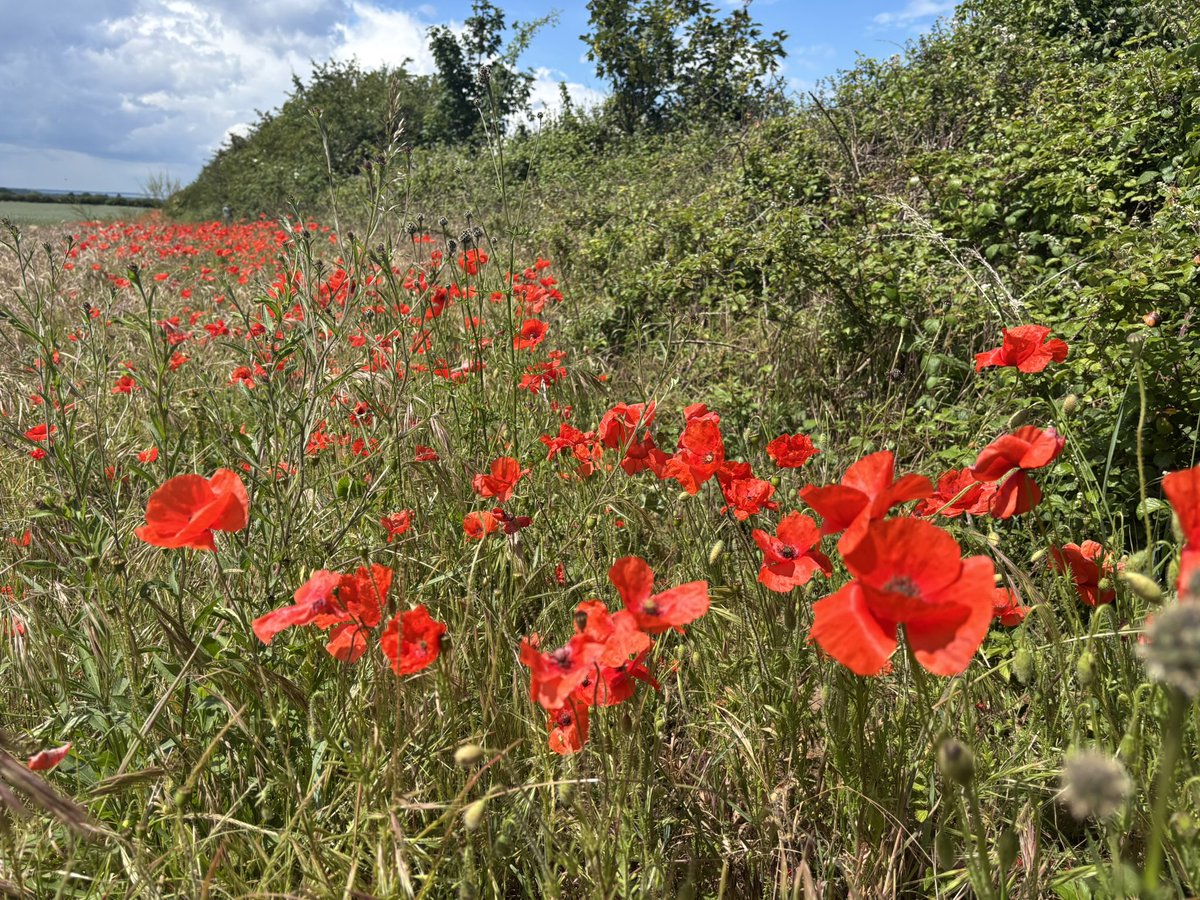
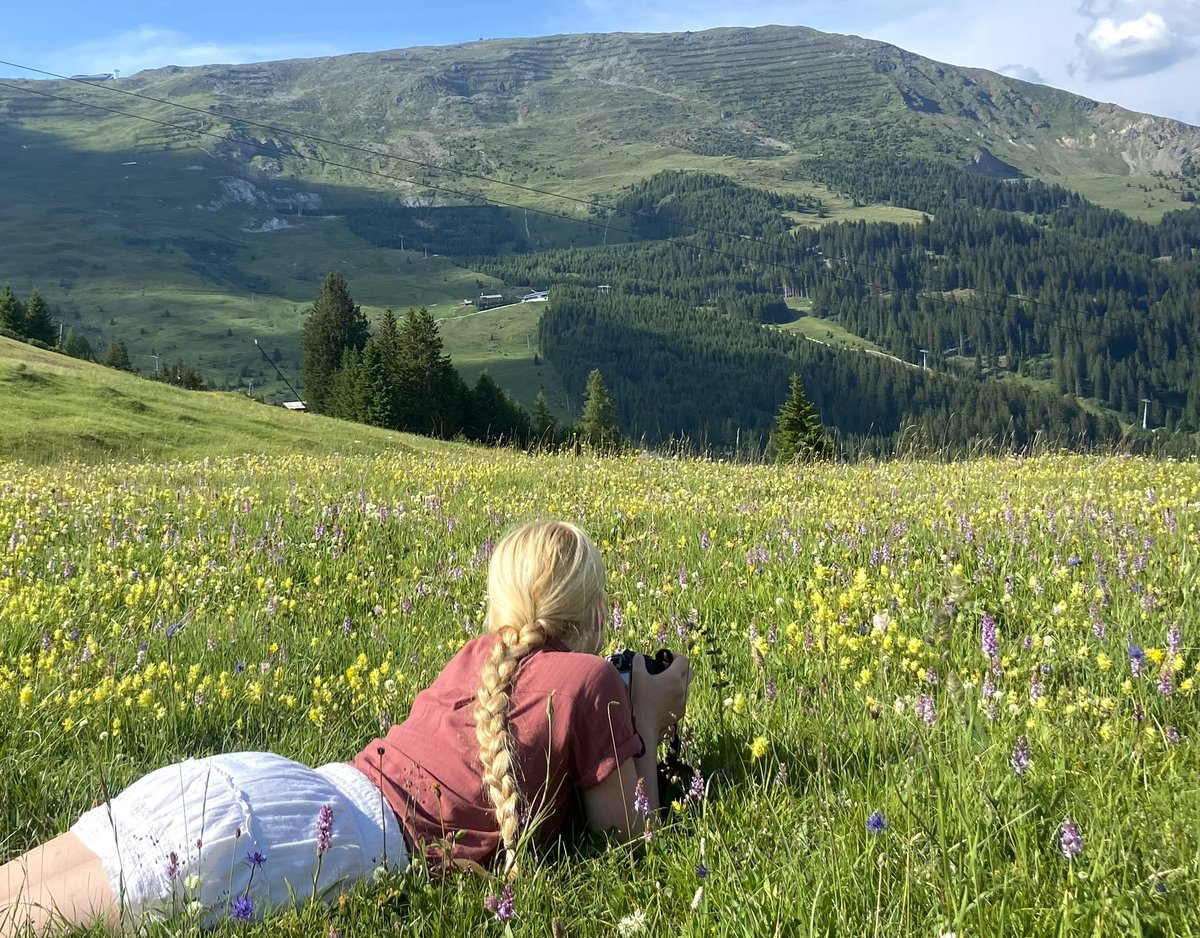
Happy National Meadows Day! 🌼
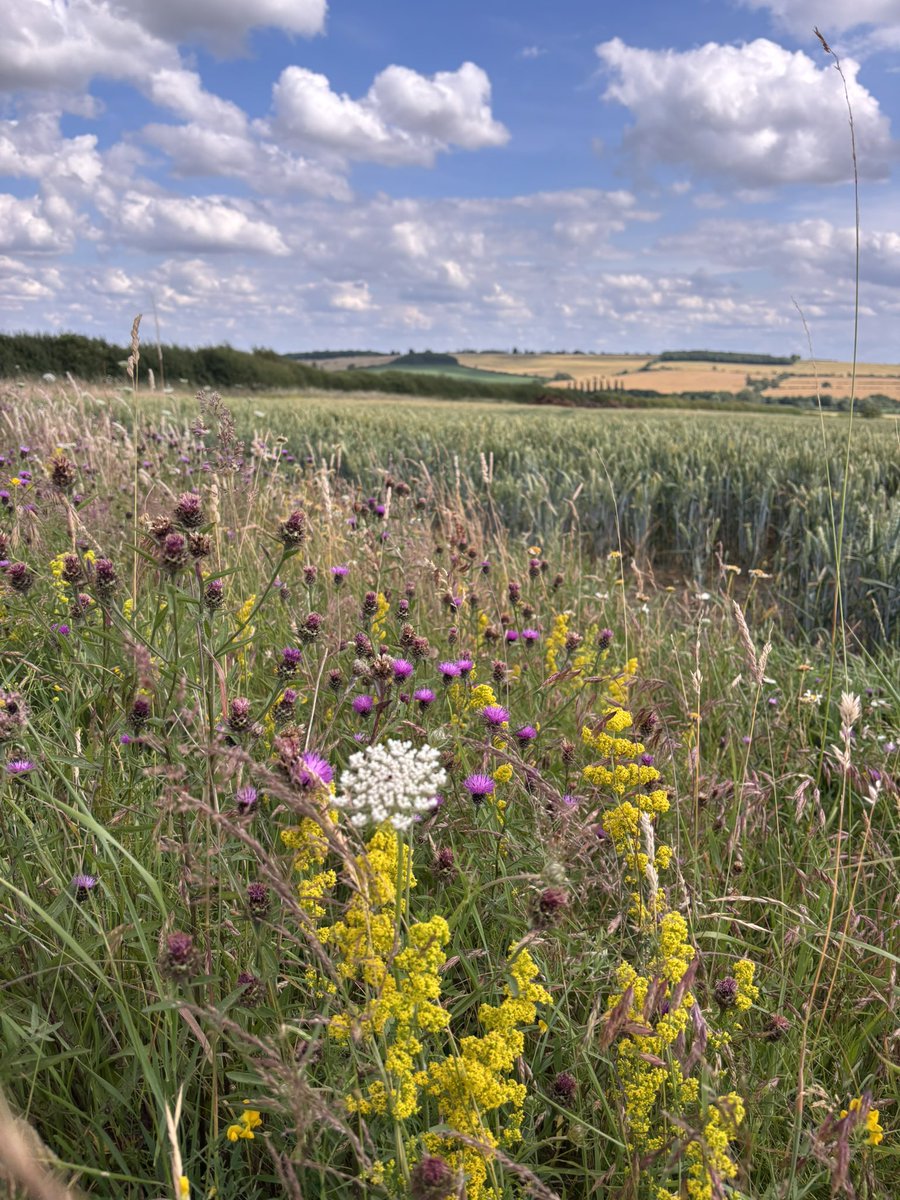
These rich, colourful habitats support an incredible diversity of wildlife, including native flowering plants, pollinating insects, and birds. Sadly, the UK has lost around 97% of its species-rich wildflower meadows since the 1930s.
Many grasslands are now heavily fertilised and cut or grazed more frequently, making it difficult for some species to thrive. Meadow specialists flourish on low-nutrient soils and benefit from low-intensity grazing or a single annual hay cut after flowering.
If you get the chance this weekend, spend some time appreciating your local meadow!
Along a path where orange daylilies bloom.
Known as Wasuregusa ("forgetting grass") in Japan.
According to an ancient Chinese belief, seeing or wearing the flower helps people forget sorrow and worries.
Supporting diverse insect communities is an essential part of sustainable food production.🌾
A lot of my recent ecological fieldwork has involved surveying wildflower strips in crop land; documenting the insect communities they support and exploring how this influences both ecosystem health and agricultural productivity.
Insects play an essential role in farming systems by providing: 🐝 Pollination 🐞 Natural pest control 🐦 A vital food source for farmland birds and other wildlife.
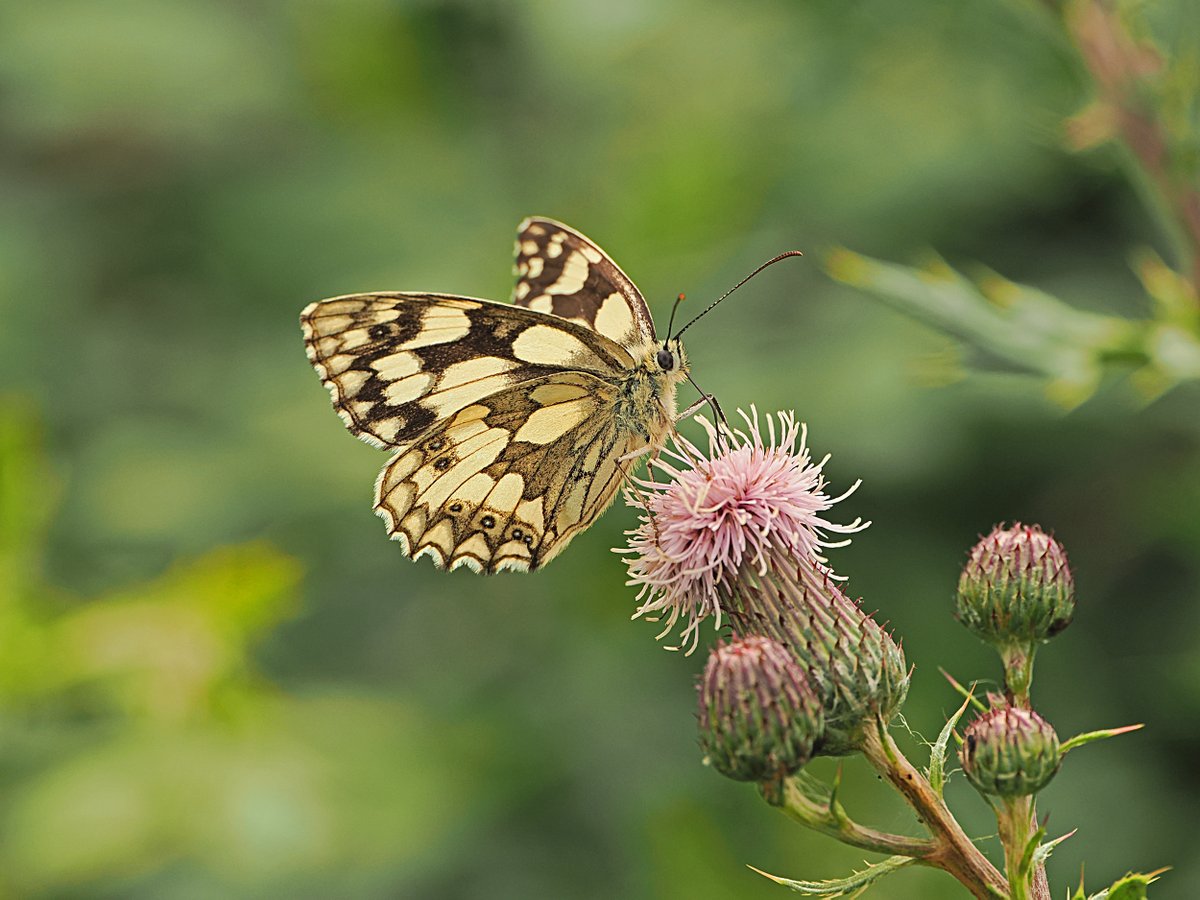
When people think of pollinators, they often think of honeybees, but a wide variety of wild insects are vital pollinators of both crops and wild plants.
Predatory and parasitic insects like ladybirds, lacewings, and wasps also play a key role by naturally regulating pest populations like aphids, helping to reduce reliance on insecticides.
By providing floral resources (nectar and pollen) and habitats for insects to nest in and escape harvest, we can sustain their populations and in return they continue to provide invaluable agricultural services.