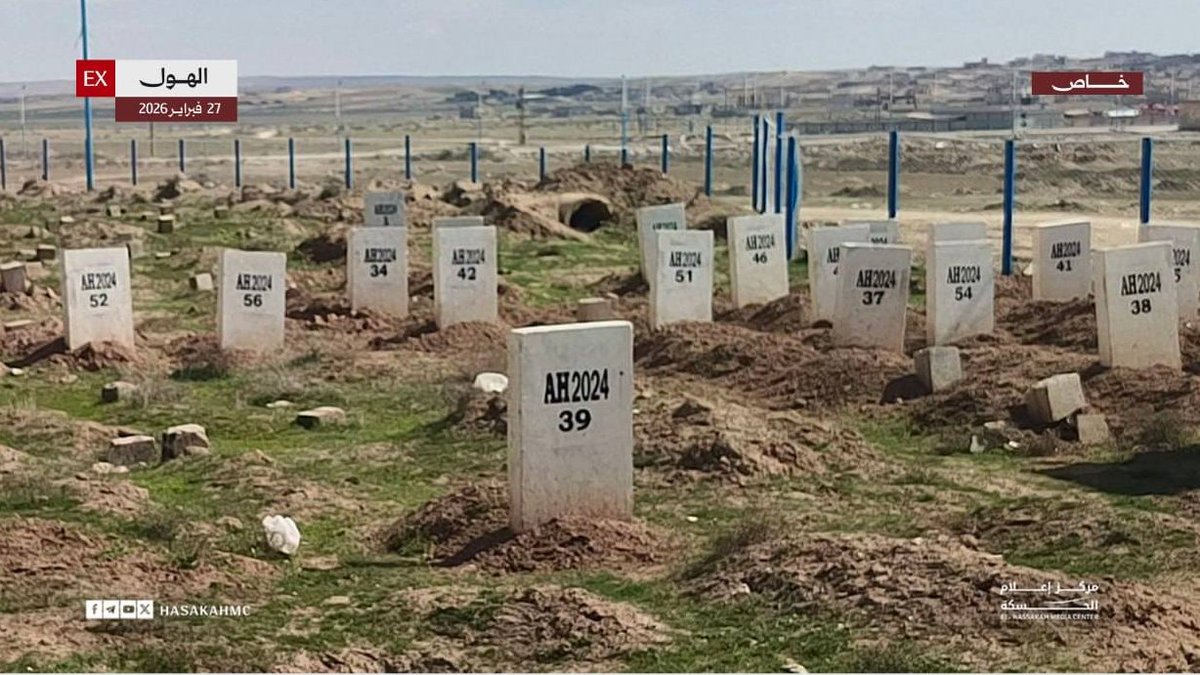
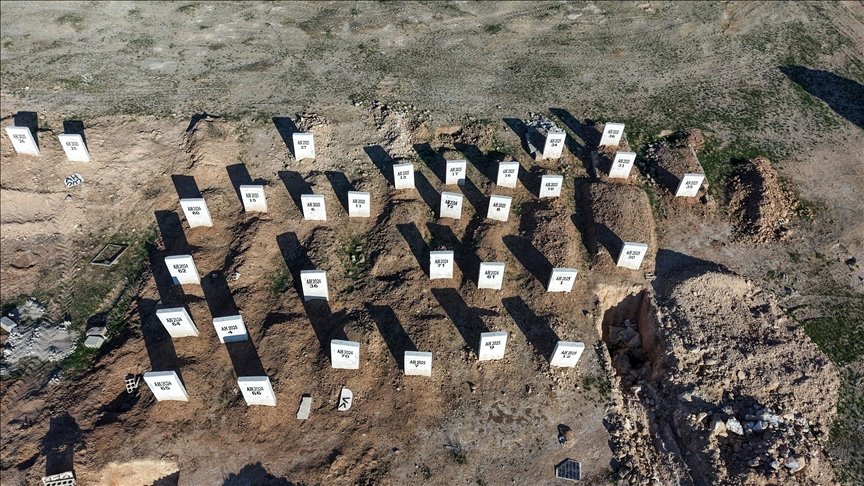
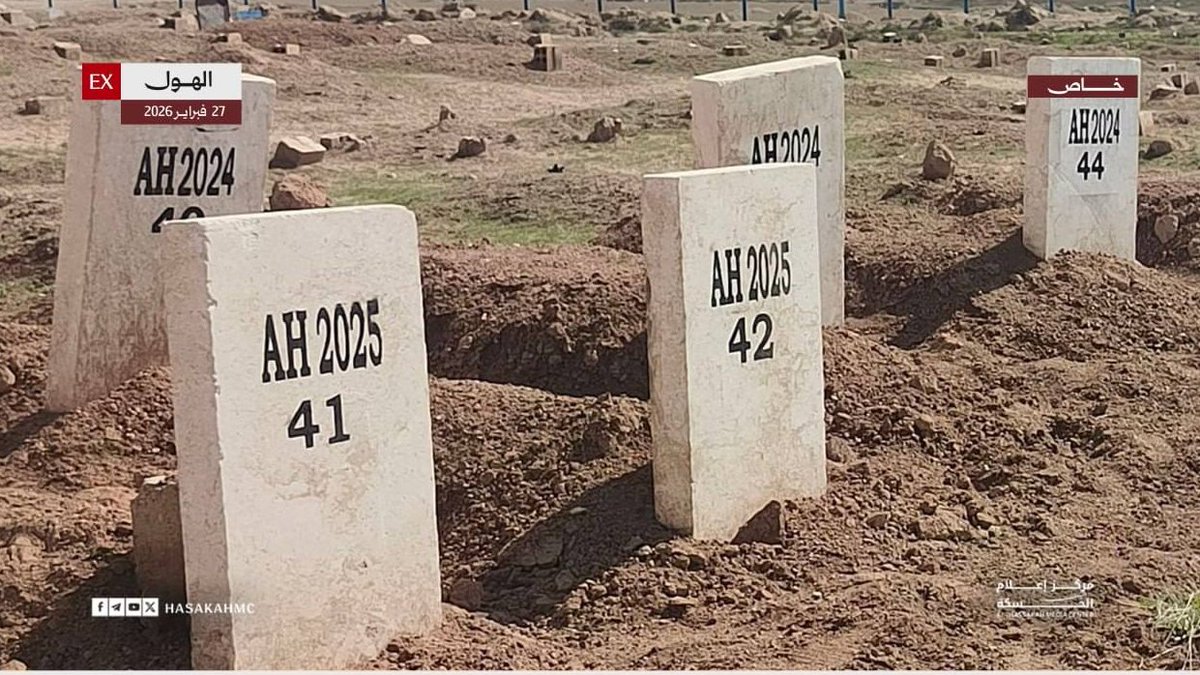
3 Australian women with #ISIS links arrested after returning from #Syria's al-Roj camp.
- Kawsar Abbas (53) and daughter Zeinab Ahmed (31) were arrested in Melbourne
- Janai Safar (32) arrested in Sydney
- Zahra Ahmed (33) & 9 children were not arrested.
https://t.co/FG7eAaentp
Azawad Liberation Front says it controls large parts of Gao and Kidal, seeks to liberate all Azawad, and is open to working with any force to bring down Mali’s junta. It also claims JNIM hit key sites in Bamako in a broader coordinated offensive.
https://t.co/FJ0fTxR85f
Israel is weighing partial security coordination with Syria amid Lebanon’s failure to rein in Hezbollah, potentially overseeing southern Lebanon while Syria handles the north; the Syrian Hermon may be returned, with talks, direct or U.S.-mediated, seen as a last-resort option.
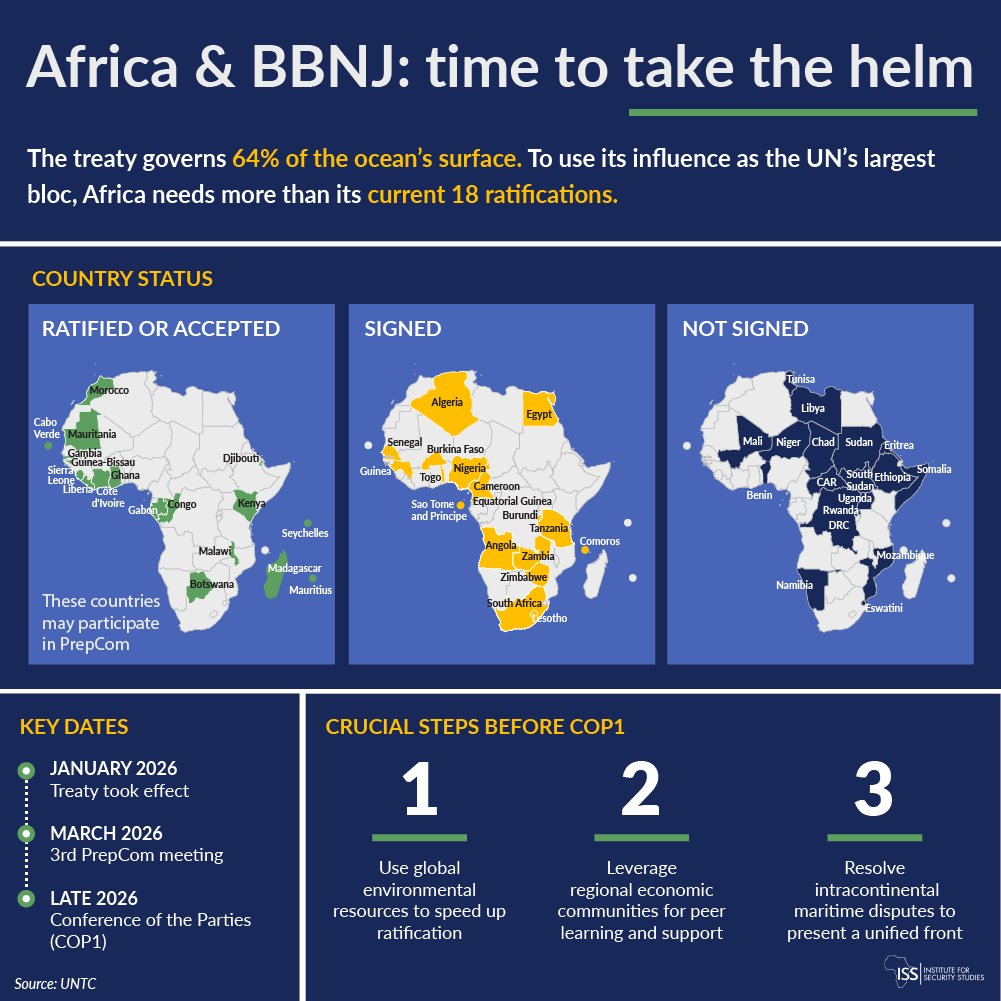
African countries must ratify the #BBNJ treaty or risk handing the captain’s seat in ocean governance back to wealthier powers.
Details in ISS Today > https://t.co/IgKEaBrD4i
#HighSeasTreaty#OceanGovernance
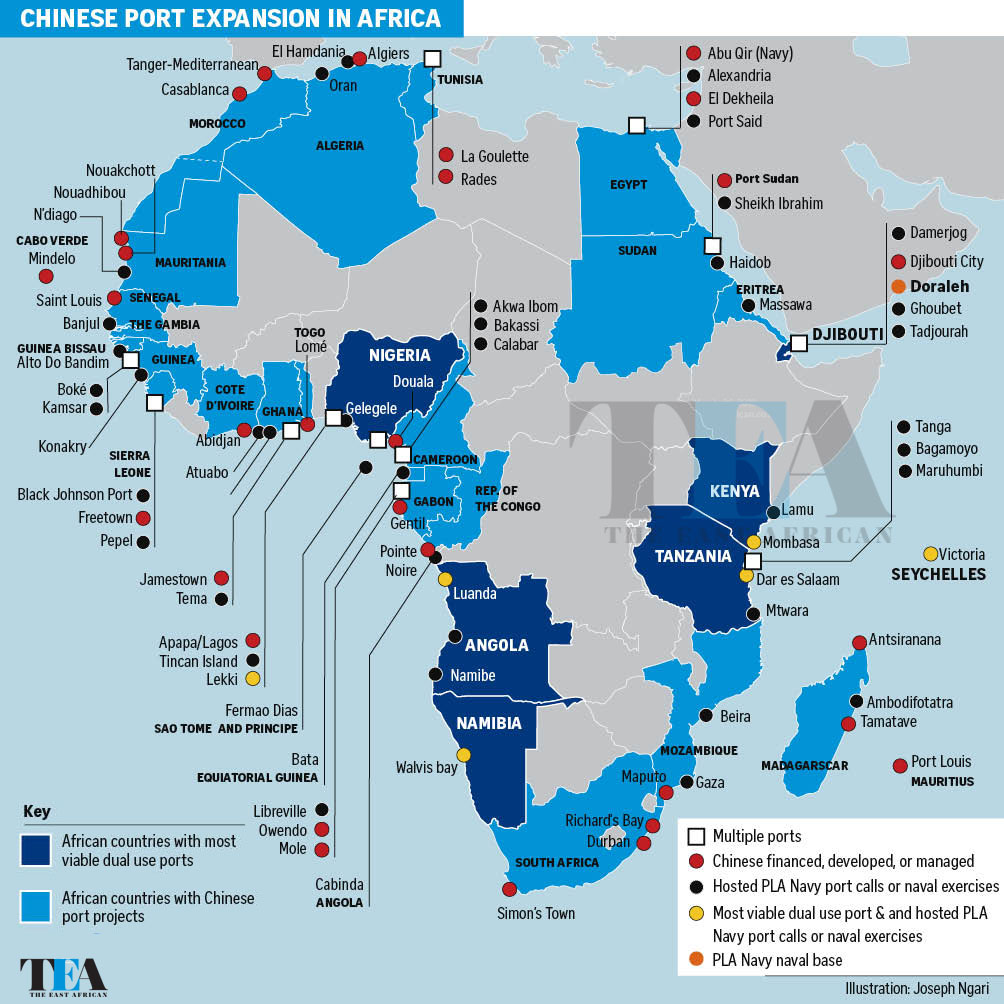
How China is expanding influence in Africa through construction of ports
Beijing’s presence in Africa, overall, includes nearly a third of 231 active commercial ports in the continent’s maritime trade hubs, according to the latest report by Nigeria's leading geopolitical research firm SBM Intelligence.
https://t.co/2rgycPuefb
Russia’s Foreign Intelligence Service controls a sprawling network of propaganda agents. A data leak has allowed Forbidden Stories to identify more than 60 of its agents tasked with expanding Moscow’s disinfo efforts across three continents. Here they are:
https://t.co/ZbhYPJTg7j
According to a field source, JNIM leader Saa'd pledged allegiance to the Islamic State Sahel Province and defected from JNIM, he was responsible for an area in eastern Burkina Faso, he joined IS with a number of his men, largest mass defection from JNIM to IS-Sahel in years.
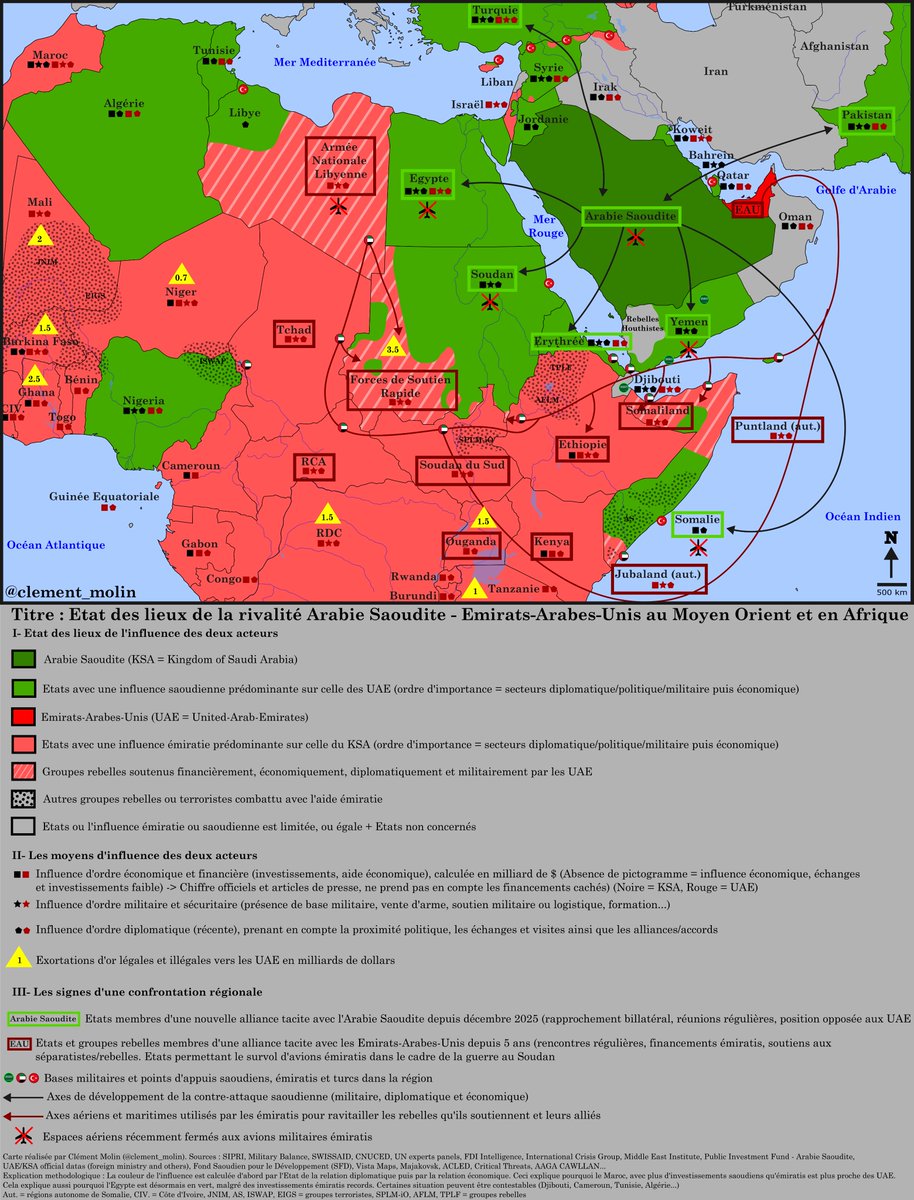
Le divorce entre l'Arabie Saoudite 🇸🇦 et les Emirats-Arabes-Unis 🇦🇪
Depuis plusieurs mois, les deux riches royaumes sont en pleine confrontation, voici un Etat des lieux :
Cliquez sur la carte et zoomez, analyse carte par carte dans les tweet suivants ⬇️
🧵THREAD🧵1/10 ⬇️
As the practical implementation of the SDF-Damascus agreement continues, here is the latest:
In a sign of how fragile the situation remains, instead of permanently appointing the SDF-nominated governor of Hasakah, the Syrian government appears to have given him a “caretaker” role until the agreement’s implementation reaches more advanced stages.
Although Syrian internal security forces have visited Qamishli airport and are set to take it over, the main implementation of the agreement has not yet reached its critical points.
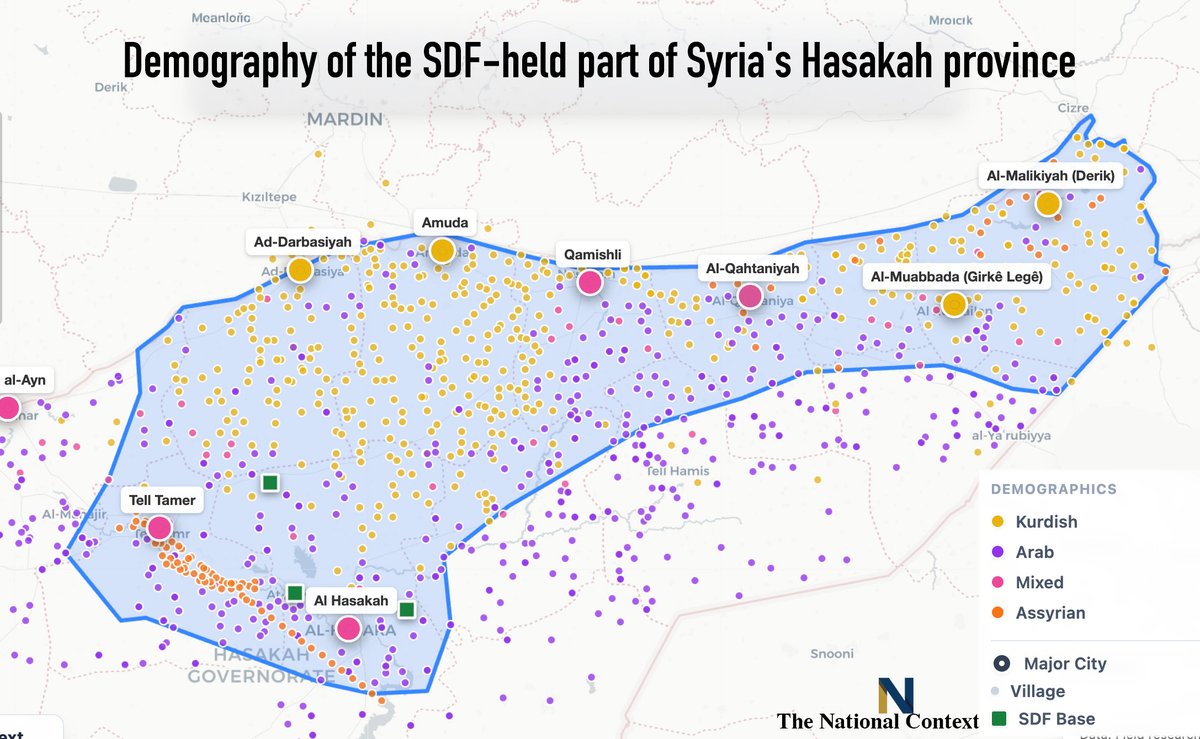
The SDF is set to redeploy from Hasakah and Qamishli to three allocated bases (mapped): two previously used by US-coalition forces and one former Assad-era Syrian army base. However, heavy weapons remain a point of dispute. The Syrian government is pushing for the SDF to be stripped of heavy weapons, while the SDF insists on keeping them, wanting to settle this matter only once the Hasakah division is formalized.
Meanwhile, US forces are quietly continuing to vacate bases in the region as more convoys enter the Kurdistan Region, where troops and equipment are being redeployed to Erbil. The US administration appears to prefer conducting the redeployment quietly so as not to trigger Congress, which has been unreceptive to leaving the region. Some reports suggest one US base might remain in the area, but given the chaotic developments, the final outlook remains unclear. The relocation of ISIS prisons continues, with some 3,000 prisoners believed to have been moved to Iraq, though the final number is believed to be over 7,000.
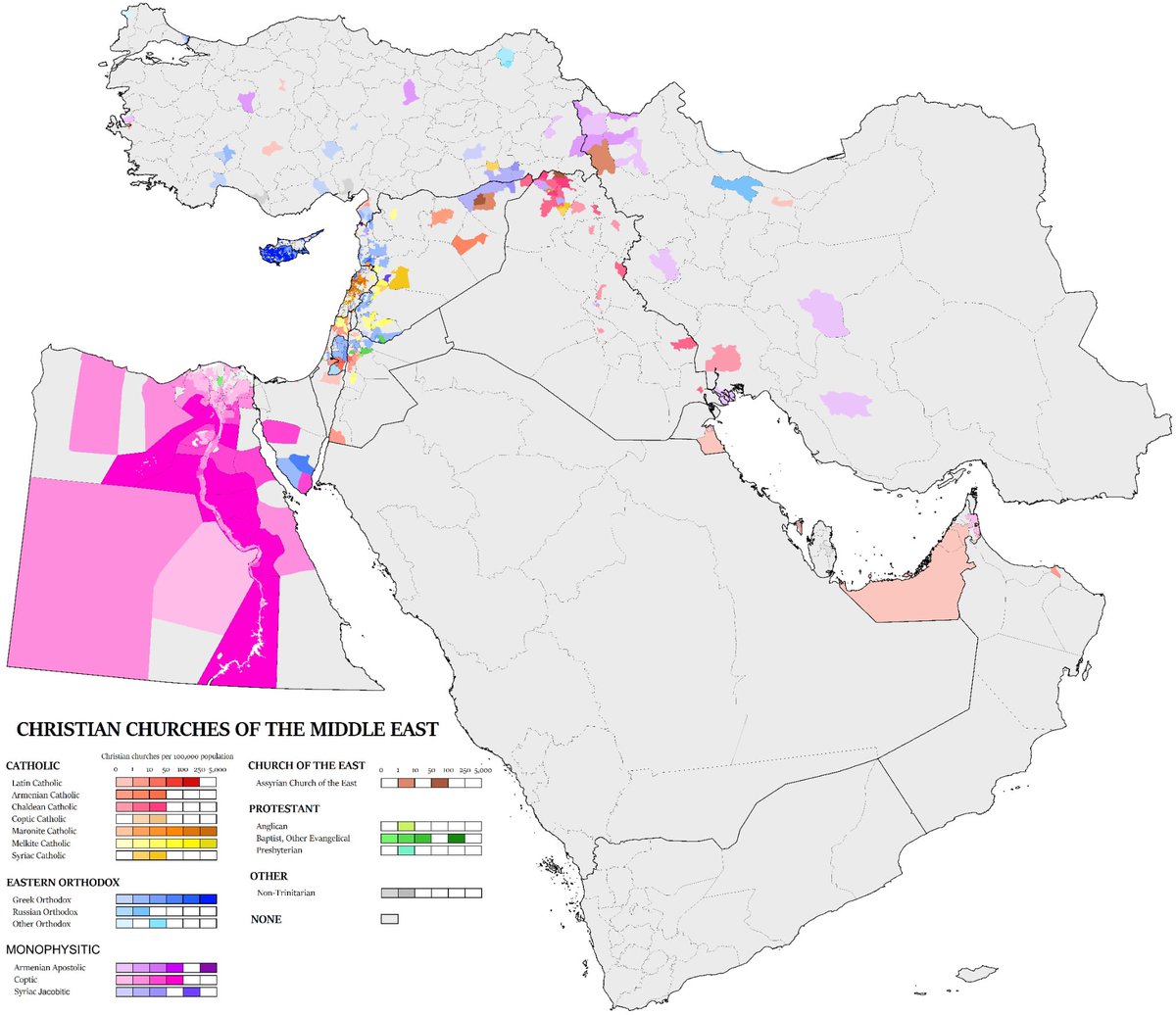
Demographics remain a tricky issue. Several reports suggest the Syrian government is pushing for SDF presence to be confined to only Amuda and Derbasiyah, and might allow Derik/Al-Malikiyah as well, but the SDF also wants to remain in Tirbaspi/al-Qahtaniyah and in the Al-Muabbada/Girkê Legê and Rulaiman areas. Furthermore, as the agreement stipulates that Syrian government personnel not enter “Kurdish villages,” the question is whether the government will push for extensive surveying and only avoid Kurdish villages while entering the rest, including Assyrian and Syriac villages. If you look at this map, you can see how complicated and highly complex the demographic reality in the area is.
Equally important is the nature of internal security, as the two parties have very different expectations of what the implemented agreement looks like. For the SDF, the small Syrian government deployment is temporary until SDF security integration is formalized, while the Syrian government sees the current deployment as only the beginning of a gradual takeover by expanding their own presence and mixing SDF security integration with recalled former security personnel as well as new recruits. The same divergent vision exists for civil servants.
Beyond that, there are three critical phases that will be the most complicated in the implementation process:
First, the border crossings, especially Smelka. The two parties have vastly different understandings. Yesterday, the Damascus-appointed Hasakah security chief said Smelka would be taken over by the Syrian government like all other border crossings, but SDF officials talk about “jointly running it,” with one SDF official even saying everything would remain the same and Damascus would just send a few inspectors to monitor it while everything else remains as is. The key question is who will provide security: Damascus forces or the integrated SDF fighters.
Second, the actual integration of the SDF into the army. Again, the two sides have different understandings, with the SDF talking about being integrated as a bloc and Damascus talking about integration on an “individual” basis.
Third, the oilfields. Damascus expects full control, but SDF officials talk about a share of the revenue from these oilfields going to them. Related to this is what will happen to the non-Syrian SDF fighters, as this issue is likely tied to the PKK-Turkey file, with the Turkish parliament expected to announce a limited and conditional amnesty.
More and an interactive map:
https://t.co/0utveYSbZj
Big Tunisia IS network arrested with more than 100 involved in recruitment to ISWAP and IS-Somalia
The investigation began in December 2024
https://t.co/4LgRZPA8zQ
The jihadist problem in northwestern Nigeria continues to grow, and it's a problem for all of West Africa.
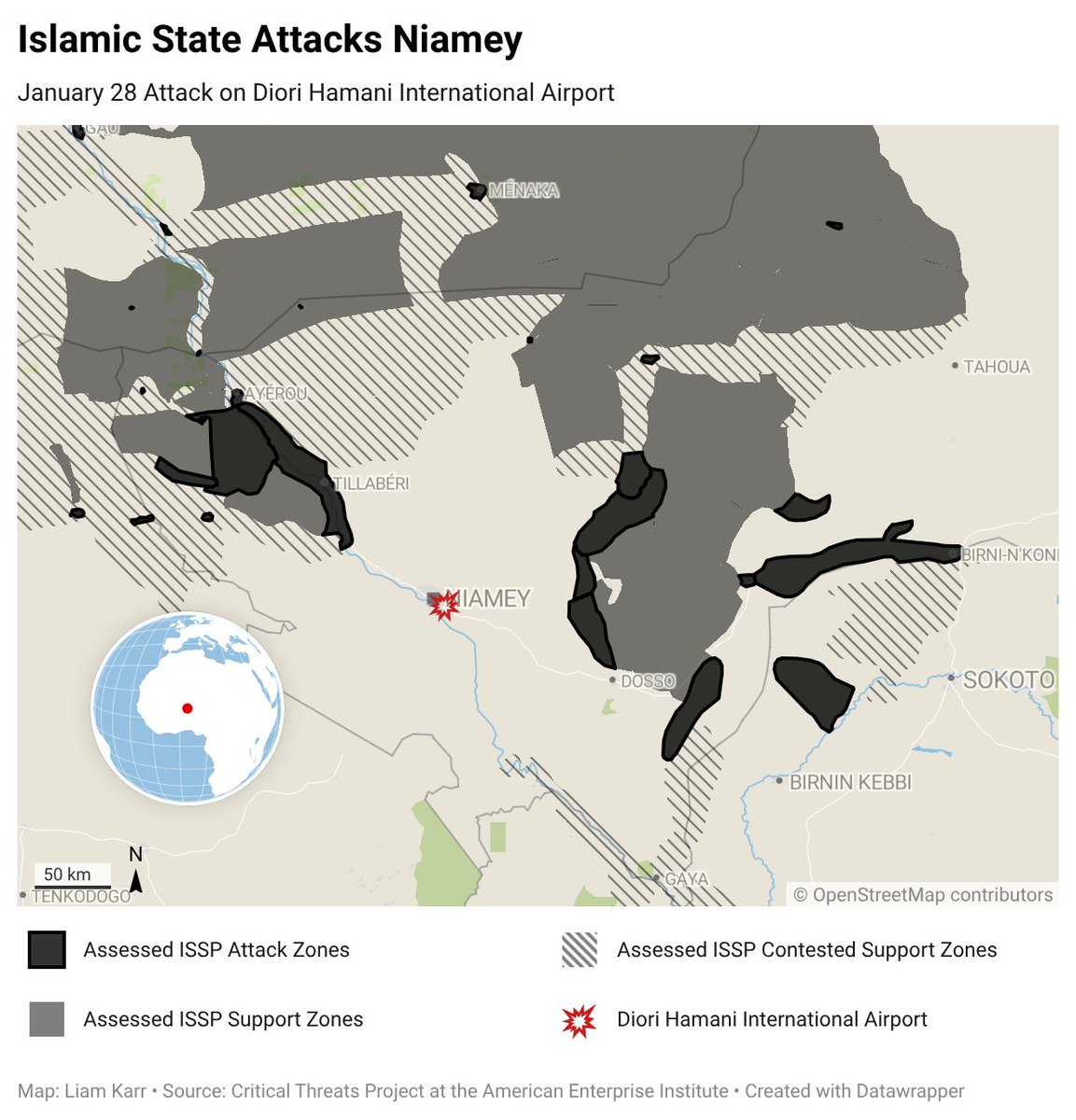
The likely Boko attack this week is horrible, and the IS-linked Lakurawa in NW Nigeria likely played a part in last week's attack on the Niamey airport in Niger.
In the Niamey attack, militants reportedly used kamikaze drones in tandem with the ground assault, which is a capability and tactic that the Nigeria-based IS West Africa Province (ISWAP) has previously demonstrated but IS Sahel Province (ISSP) has not.
IS Central had helped transfer that tech to ISWAP in recent years and encouraged ISWAP to boost support for ISSP, with Lakurawa serving as a key logistic node between the two IS provinces.
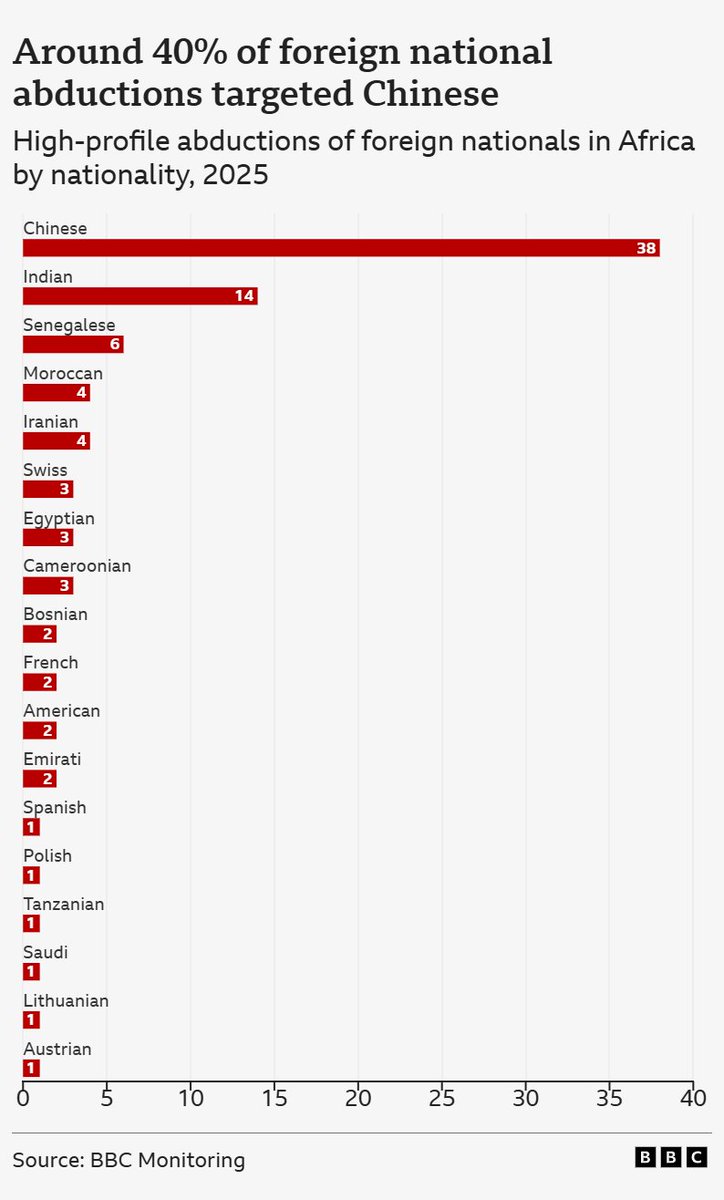
2025 saw a significant increase in the kidnapping of foreign nationals in Africa’s #Sahel region. Around 40% of high-profile cases across Africa were #Chinese, many working in #Mali's gold-rich regions. Some 15% were #Indian nationals mainly working in energy and cement
“Risk, Order, and Power: The Saudi–Emirati Divergence” — my latest for @WarOnTheRocks on why Saudi and UAE diverge, how Yemen exposed a deeper strategic rift, and why this split matters for Gulf order, regional leadership, and external powers.#thread
https://t.co/83NwistvUS