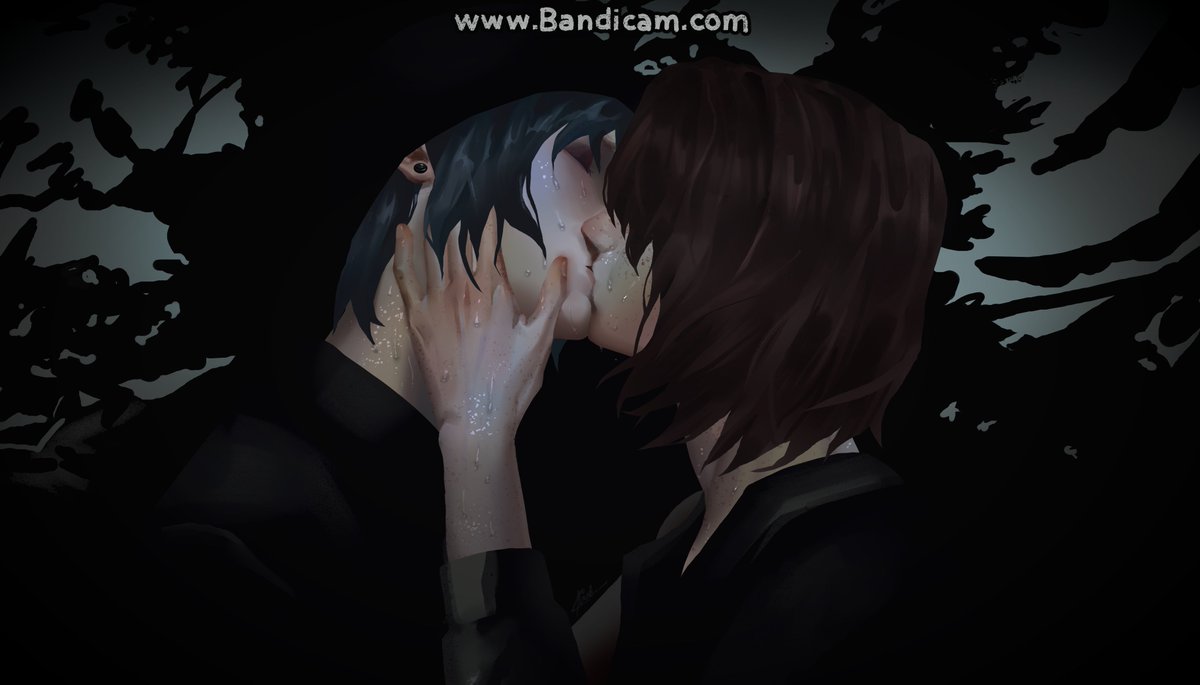
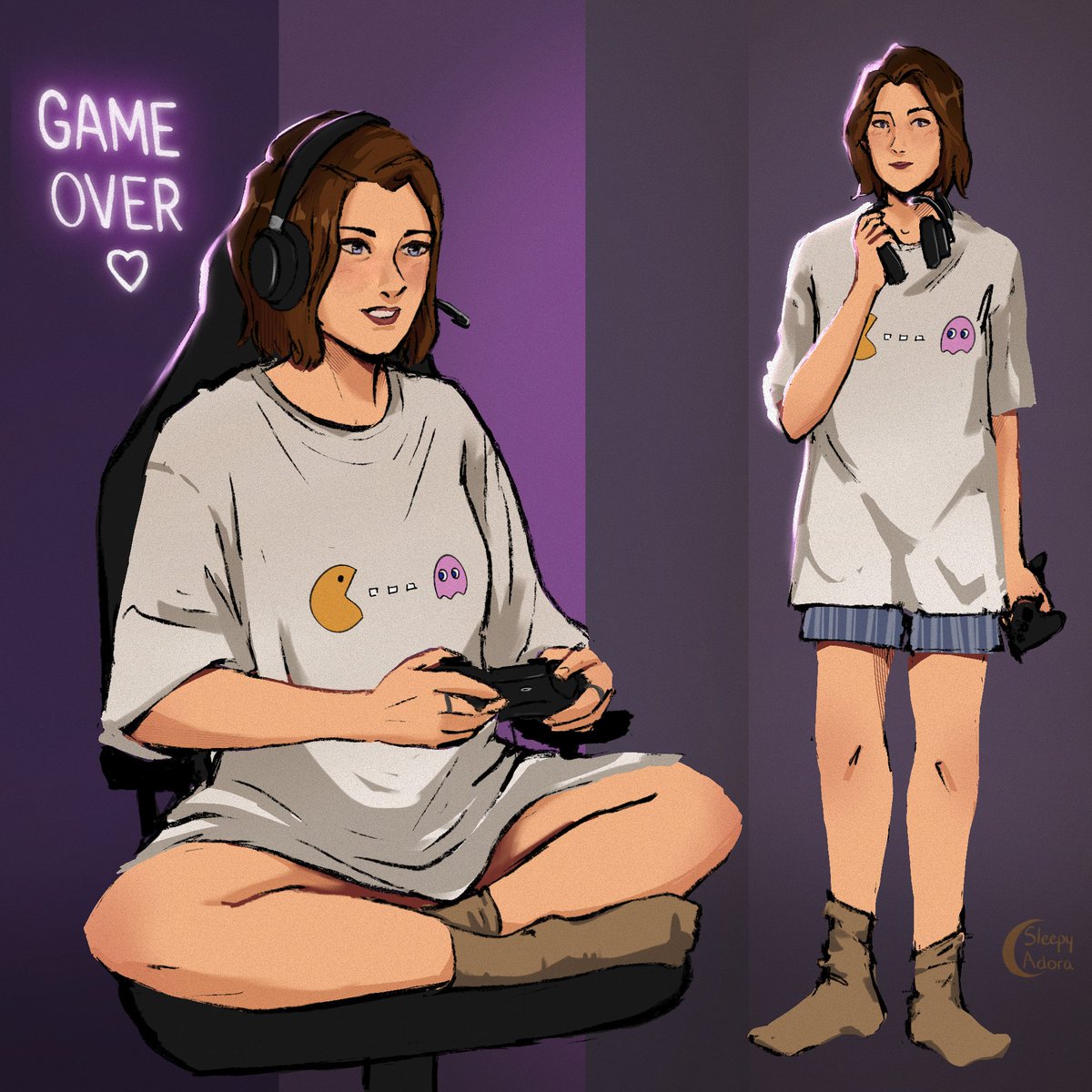
I commissioned @WAB_ART to draw my Lavellans, I am so pleased with how this turned out.
I wanted them to remix Asian styled martial arts outfits with textures and clothing from Dalish armors, the result is amazing!!! I love how their outfits looks.
“At this rate, I'll end up being more and more self-centered. But I'll definitely see Gigi Andalucia again. I can't do anything stupid until then.”
—Hathaway Noa
Hathaway’s Flash is not a love story, nor is it simply a story about terrorism, even if both are central elements of the narrative. Ultimately, it’s a story about youthful rebellion: rebelling against a corrupt system shaped and maintained by adults, rebelling against toxic relationships built on convenience and emotional dependency, and rebelling against the expectations, ideologies, and failures inherited from the previous generation.
The series portrays love as awkward, messy, impulsive, and emotionally volatile rather than pristine or pure. In many ways, Hathaway’s Flash represents Yoshiyuki Tomino’s distinctly cynical vision of youthful revolt that came to define much of his work throughout the 1980s and 1990s.
I’ve been thinking about this scene. It looks bright and adorable on the surface, but it also feels like it’s trying to symbolize something… like a princess trapped inside a castle surrounded by demons, and the knight has to break through the walls to save her.
It almost feels like subtle foreshadowing for what Dante has to do in Season 3 — breaking down the towering walls around Lady’s heart that keep her from being able to love anyone.