Opportunity Alert: The search is on for the next cohort of the Blue Security Fellowship 2026.
We are seeking expressions of interest from early-career researchers who demonstrate strong research skills and an interest in maritime security issues in the Indo-Pacific.
Applications must be sent via email to: [email protected], with the subject: EOI: Blue Security Fellowship 2026.
The application deadline is March 16, 2023.
For more information about the fellowship, kindly access the full announcement here: https://t.co/o2oQ9fydbA
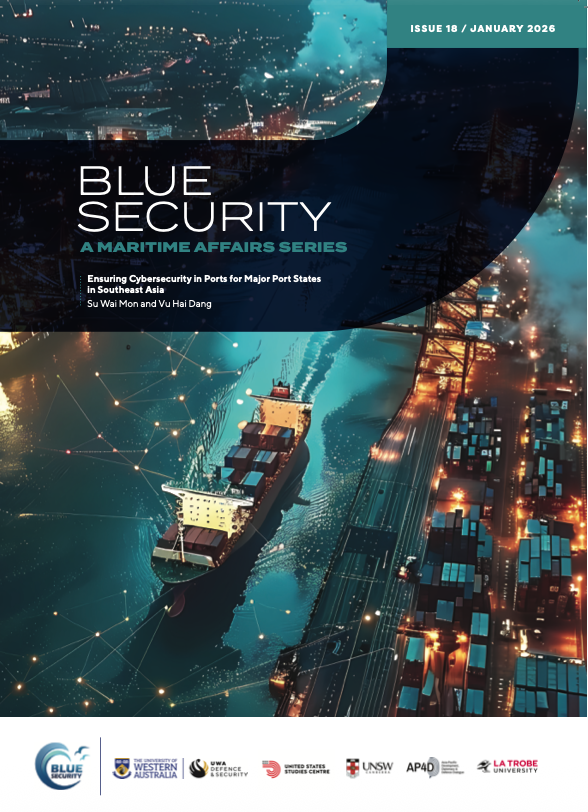
There is a pressing need for systematic, harmonised regulatory frameworks and compliance mechanisms to strengthen port cybersecurity across Southeast Asia.
I recently had the pleasure of participating in the 🇦🇺🇲🇾 Track 1.5 Maritime Cooperation Dialogue in Canberra.
🇦🇺🇲🇾 are close partners &, as maritime nations, both are increasingly affected by growing contestation in the maritime domain. The dialogue provided a valuable forum to discuss shared perspectives on regional security, maritime security, & the practical challenges emerging across our region.
Thank you to @BlueSecProgram & @dfat for convening this timely and important discussion, and for bringing together such a strong group of Australian and Malaysian voices.
@NSC_ANU@UNSWCanberra@LowyInstitute
OUT NOW Maritime Affairs Issue 17 | Cooperation Mechanisms for Humanitarian Assistance and Disaster Relief (HADR) in Maritime Southeast Asia by @thu_nguyen2010.
ASEAN has made significant strides in strengthening regional disaster management and humanitarian assistance frameworks, and minilateral cooperation has gained traction as a more flexible and targeted alternative to multilateral approaches.
Looking ahead, it is necessary to leverage the strengths of both multilateral and minilateral approaches, which can be achieved through increased cooperation between ASEAN and minilateral groups in times of crises.
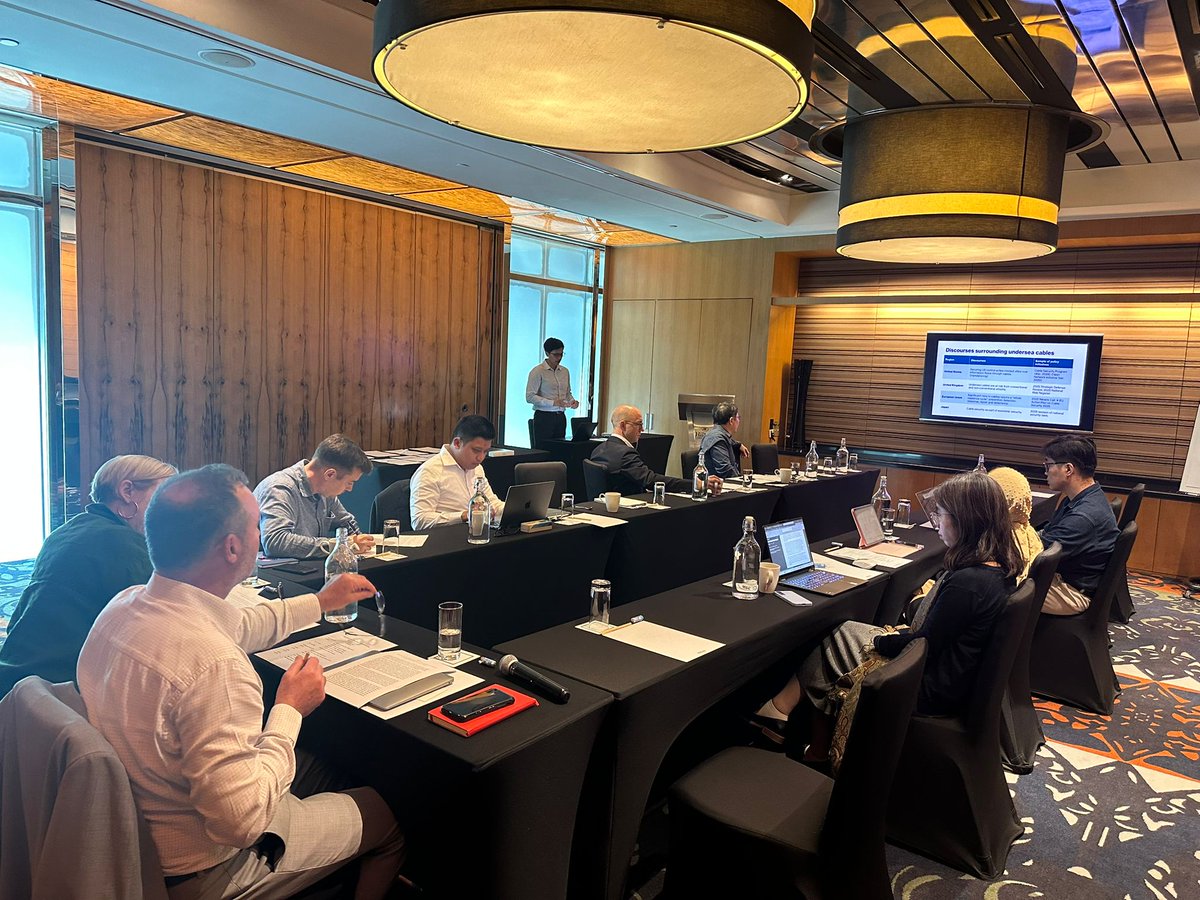
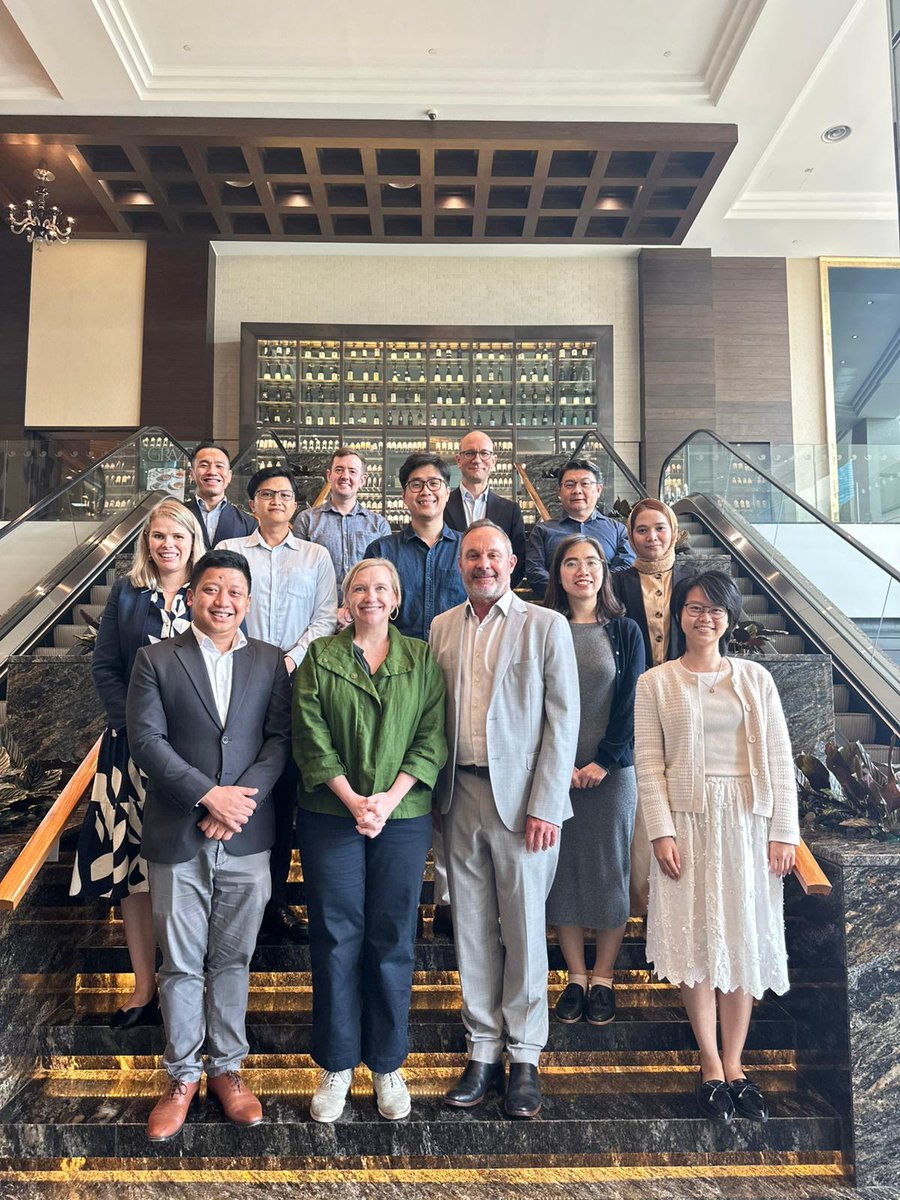
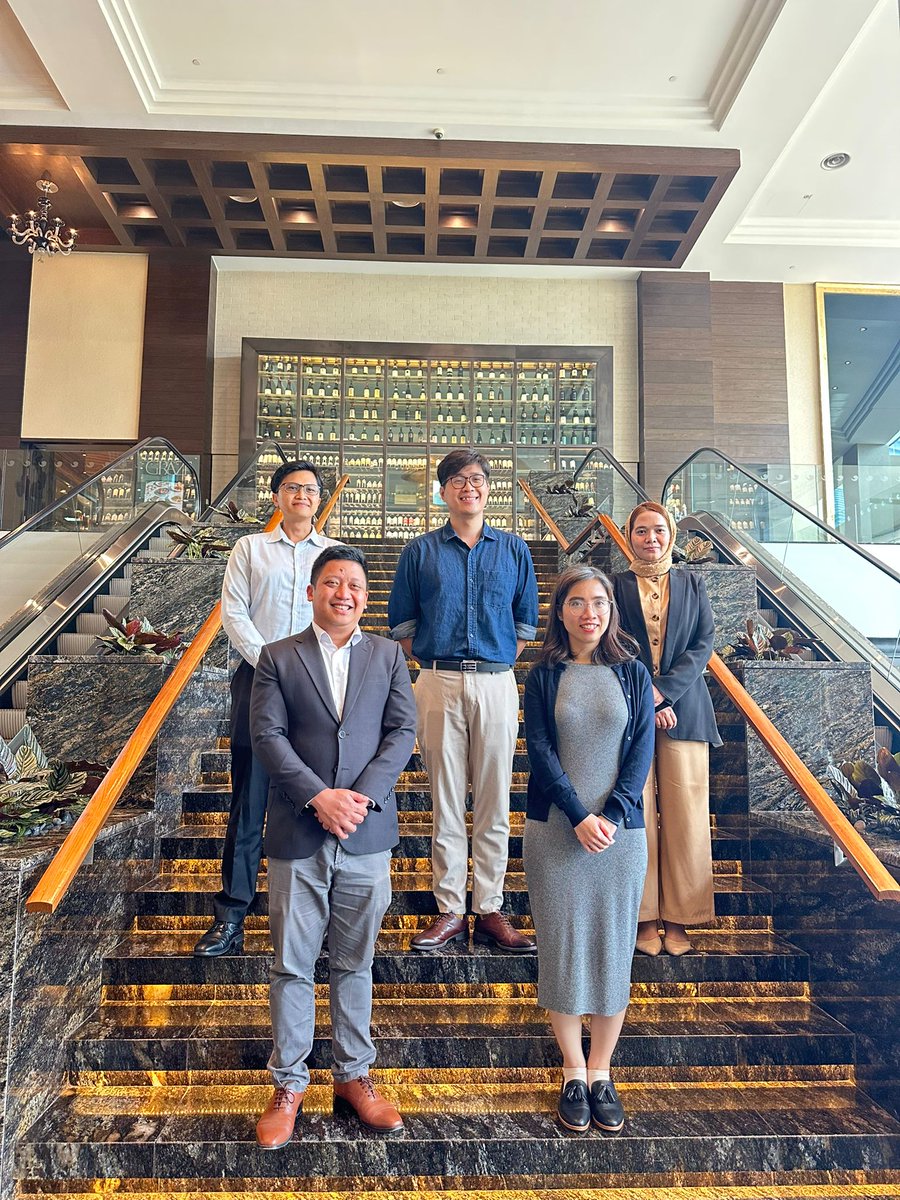
An absolute pleasure to join the @BlueSecProgram Maritime Early Career Researchers workshop and engage with the next generation of maritime thought leaders.
I spoke about the key trends reshaping the maritime domain: the erosion of the multilateral system, the growing use of military force to achieve foreign policy objectives, and rapid technological change. Together creating a far more contested maritime environment.
While non-traditional maritime security has rightly been a focus of much academic research since the end of the Cold War, I encouraged them to consider how maritime & naval power must evolve in this new contested domain, and what that means for strategy and capability.
Thank you to @BlueSecProgram & @dfat for supporting such an important initiative.
@LowyInstitute@NSC_ANU@UNSWCanberra