@JamesZlosnik They won't be... because, as you correctly pointed out, they are utterly classless. The rest of the world now despises them (except for the Israelis - and that's telling in itself).
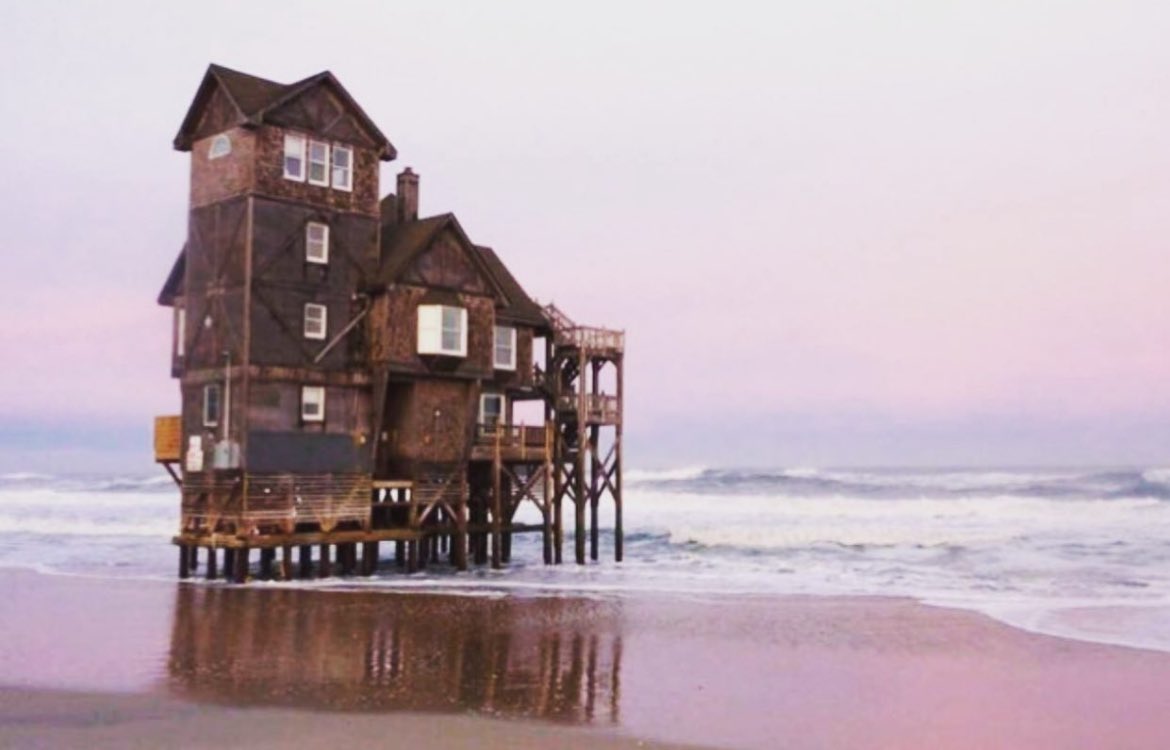
An abandoned beach house on the Outer Banks of North Carolina, known as "Serendipity," has been reclaimed by the sea after a devastating storm in 2009. Featured in the movie "Nights in Rodanthe," the house became isolated following the storm. Local residents referred to it as "Serendipity" and kept a close watch on it during subsequent storms.
Built in the 1980s, the house originally had 400 feet of beachfront. However, rising water levels consistently eroded the shoreline, threatening the structure. The owners tried to sell the property for years without success.
In a recent turn of events, a couple decided to buy the house and relocate it to a safer location. This act of preservation has given new hope to the once-abandoned beach house, allowing it to escape the fate of being swallowed by the sea.
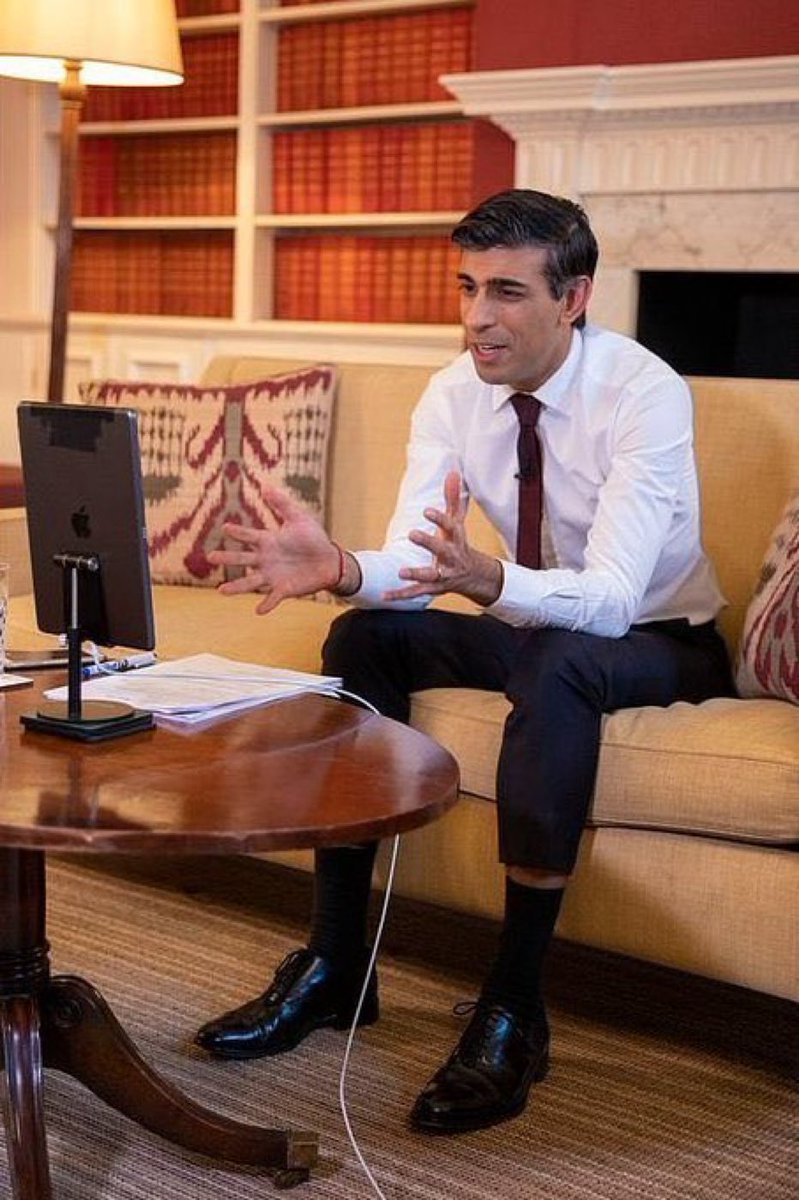
EXCL: Rishi Sunak intervened to stop officials scrapping £40 million contract that provides him with “VIP” helicopter rides
MoD planned to spend cash elsewhere
But head of RAF Squadron which runs choppers says this was “reversed at the request” of the PM https://t.co/ZkgI8ExlaC
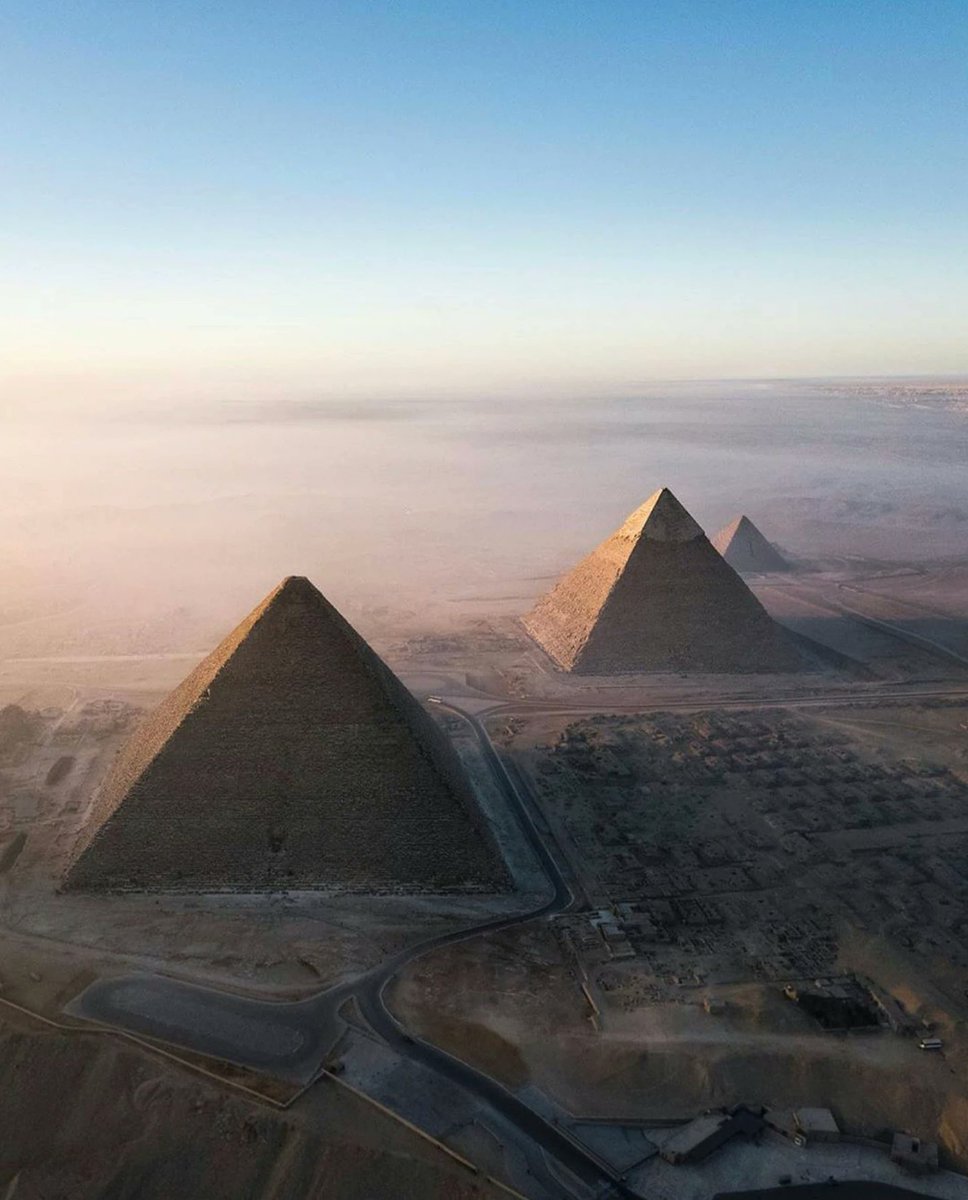
The image below is what the Pyramid of Khafre looked like right after it was completed in 2560 BCE. The original was encased in white limestone, and the peak was made of solid gold.
For thousands of years, the pyramid stood nearly unchanged. However, in 1303, a powerful earthquake struck the area, dislodging much of the limestone. This earthquake also triggered tsunamis that caused severe damage and loss of life in Crete and Alexandria.
The local inhabitants used their rudimentary tools to take apart the limestones, which were now easier to pull out due to the damage they had sustained from the earthquake.
The limestones that were stripped from the pyramid were used to build mosques and fortifications on the order of a local Sultan. The gold cap at the peak of the pyramid was also taken away, never to be seen again.
With the absence of its white limestone shell, the pyramid was no longer able to reflect the sun, making it visible from miles away.
Tory govt has covertly signed a contract targeting 20% cuts to new education plans for children with special educational needs and disabilities (SEND) to bring down costs.
With a SEND son, I know the pain this will cause to so many children & families
😡 https://t.co/38Rh1b1qcB
Hey @Ryanair, my parents who are in their 70s and 80s, had accidentally downloaded the return flight boarding card instead of the outgoing ones and you charged them £110 to print them at the airport. £110 for 2 pieces of paper which took 1 minute. Shame on you
Think it's probably time to once again to talk about WHY the overwhelming majority of refugees, asylum seekers & irregular migrants are young men, and why being a young man does not mean someone is not a genuine refugee or genuinely in need. 🧵
We're so used to seeing and hearing about the pyramids that it's easy to forget how strange and extraordinary they really are.
So, just to remind you:
When woolly mammoths went extinct the Pyramids of Giza were already more than 500 years old.
Cleopatra and Julius Caesar are closer in time to the present day — to the Burj Khalifa — than to the construction of the Pyramids of Giza.
Where are they and who built them?
There are three pyramids on the Giza Plateau, which is on the west bank of the River Nile, in northern Egypt. They aren't far from Memphis, which was the capital of Ancient Egypt when they were constructed.
The largest and oldest was built in less than thirty years around 2570 BC for the Pharaoh Khufu. The second was built for Khufu's son, Khafre, and is only a few metres shorter. The third and smallest was then built for Menkaure, Khafre's son. Three monumental tombs for three generations of the same family.
Nearby are many more tombs for various members of the royal court, the Sphinx, several more temples, and the remains of a sort of workers' town including houses, workshops, bakeries, kitchens, breweries, a hospital, and a necropolis.
Khufu's Pyramid, known as the Great Pyramid, was the tallest building in the world for over 3,800 years — that is, until the spire of Lincoln Cathedral in England was constructed in 1311.
And at more than 6 million tonnes it was the heaviest manmade structure ever built, and is still third behind only the Great Wall of China and the Three Gorges Dam.
The mortar used in constructing the Great Pyramid alone weighs over half a million tons, which is more than the total weight of the Burj Khalifa.
See, the Great Pyramid is almost entirely solid — there are only a few narrow shafts and three small chambers inside. It was largely built from huge blocks of local Giza limestone, although its exterior was once covered in polished white limestone transported there from nearby Tura, and its interior includes blocks of granite weighing up to 80 tonnes transported from Aswan, over 500 miles away.
The *precision* of the pyramids is also remarkable. On a technical level their masonry is astonishingly accurate, but even more amazing is that the four sides of the Great Pyramid are all almost exactly the same length — they have a variation of no more than 60 millimetres.
Not to forget that all three pyramids are aligned according to the points of the compass — within one tenth of a degree of perfect geographical accuracy.
And if these facts weren't impressive enough, the actual construction of the pyramids — the specifics of how the blocks were quarried, transported, and lifted into place — remains a marvel we have yet to fully understand.
But those are merely the facts of the Pyramids of Giza; perhaps more interesting is what they really mean.
After all, you can learn a lot about any society from its architecture. What we say about ourselves can rarely be trusted — but what we do and what we leave behind is always truthful. In other words, that which we build expresses our priorities, how our society works, and who has the most power.
Think of it this way: what are the biggest buildings in the modern world?
By volume it is factories (the Boeing Everett Factory is number one right now) and distribution centres.
By total floor space it is airports and malls.
By height it is mixed-used skyscrapers, though they are usually dominated by offices, especially relating to finance. The Pentagon was the world's largest office building until this year; it has been overtaken by the Surat Diamond Bourse in India.
By capacity? Well, there are sports stadiums, the biggest of which is the Narendra Modi Stadium in India, with an official capacity of 132,000. That being said, no single complex can hold a greater number of people than the Masjid al-Haram in Mecca, which has a capacity of 4 million.
So the largest buildings in the 21st century are almost all related to industry, finance, retail, transport, and leisure — with religious worship something of an outlier. This is a technologically advanced, industrial, highly consumerist society in which businesses hold a great deal of power, and in which the wants and demands of the public are very important.
For comparison, during the Middle Ages nothing came remotely close to cathedrals in size or complexity, though castles and fortresses were also far bigger than everything else. We can draw the basic conclusion that religion was of immense and central importance, that the church as an institution was very wealthy, and that power was actually spread out among the hereditary nobility rather than being entirely concentrated in the monarch alone, not to mention the political and spiritual power also held by the church.
So, what about the Pyramids?
The Ancient Greek historian Herodotus remarked that the Pyramids of Giza were proof of how tyrannical a ruler Khufu — or Cheops, as the Greeks called him — must have been. In his native Greece the largest buildings were temples for public worship; the Great Pyramid was a monument to but one man alone, and this shocked Herodotus.
The biggest buildings of the 21st century are all useful. They have a clear and immediate purpose, and usually one which benefits — in some sense — lots of people. A factory produces things we all use, a distribution centre organises our online shopping, an office is a place of work, and a stadium is where we go for entertainment. Our largest buildings are intimately and inseparably related to employment and consumption.
What about the Pyramids? They were tombs for the Pharaohs and they were supposed to last forever. In other words, they had no immediate use or purpose, at least for the living. They served only one person: the Pharaoh — plus his family and closest supporters, though they were buried nearby rather than inside — in his journey through the Afterlife.
So this is not the same as a large and lavish royal or presidential palace; such buildings are designed to be used as a seat of power and administration — by several succeeding generations or leaders.
Meanwhile, all the resources and labour that went into building the Pyramids, which were literally manmade mountains, were for the benefit of one Pharaoh alone, after his life had ended — and, to a lesser extent, those lucky enough to have been buried nearby at the time.
Does that mean Khufu and his descendants were tyrants? In some sense, yes. But there is evidence that those who built the Pyramids were not, as Herodotus thought, slaves, and were instead closer to conscripted workers and freely employed craftsmen who were fairly remunerated for their labour.
See, it wasn't just that Khufu held total political power; he was also the spiritual leader of his subjects, such that their work was fundamentally religious in nature — it might have even helped them achieve a better afterlife.
There was nobody who could refuse Khufu's desire to build the largest tomb in human history, because he was a divinely appointed intermediary between gods and humans; no regulation to stop him, because his will was the law; no limits to his expenditure, because he collected the taxes and owned all the land in the kingdom.
However powerful the world's richest and most influential people might now seem, none of it compares to the power wielded by Pharaohs like Khufu; a power that was political, financial, legal, military, and spiritual — absolute.
And so the Pyramids are a glimpse into a society fundamentally and almost irreconcilably different from that in which we now live, to the earliest epochs of human civilisation, long before democracy and the rule of law, when one man could rule as a god and have mountains built to serve as his personal, eternal monument on earth.
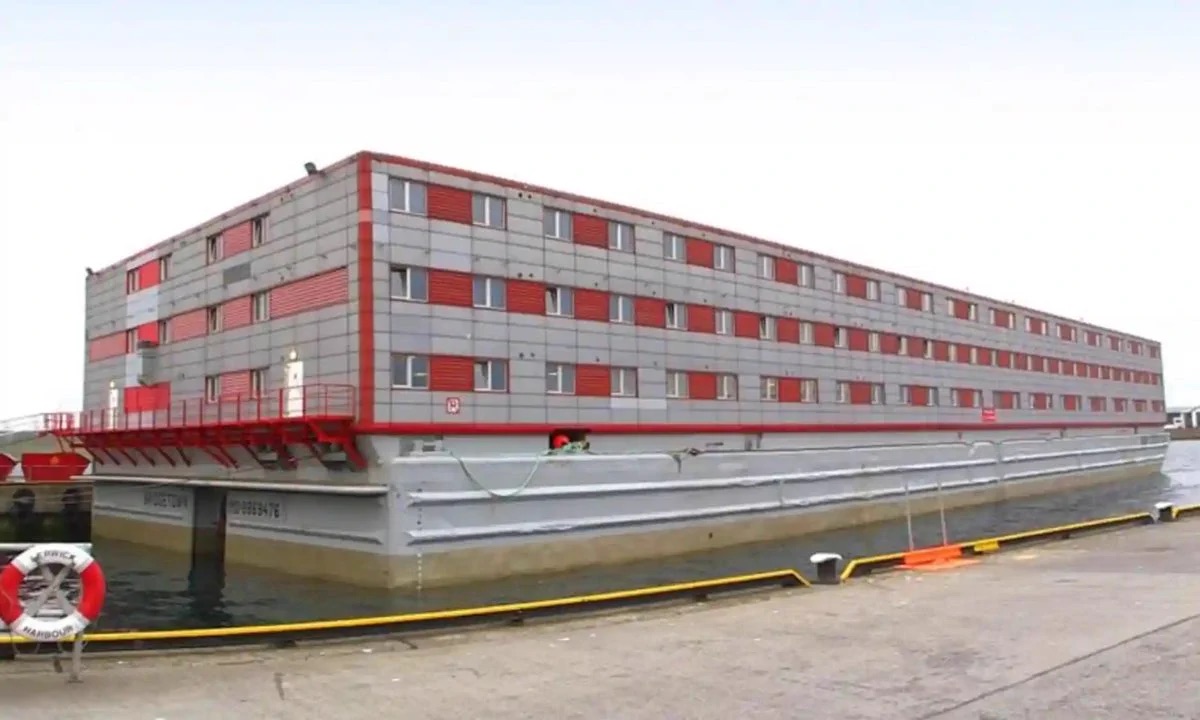
It’s still insane that we are RENTING a barge worth £50m, for £400m a year.
Oh but who is losing the money, taxpayers, and who is getting it, Conservatives.
Now it all makes sense.
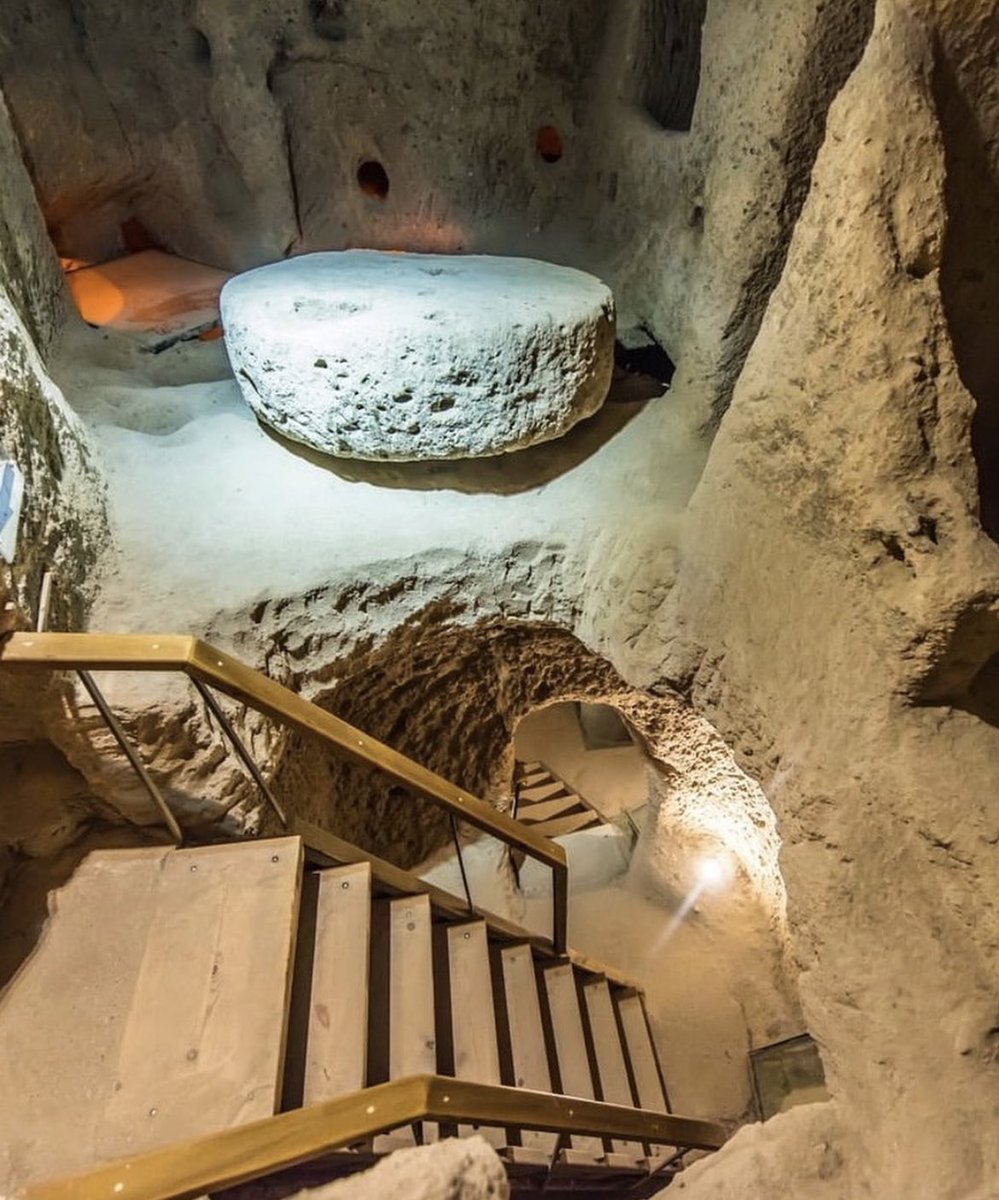
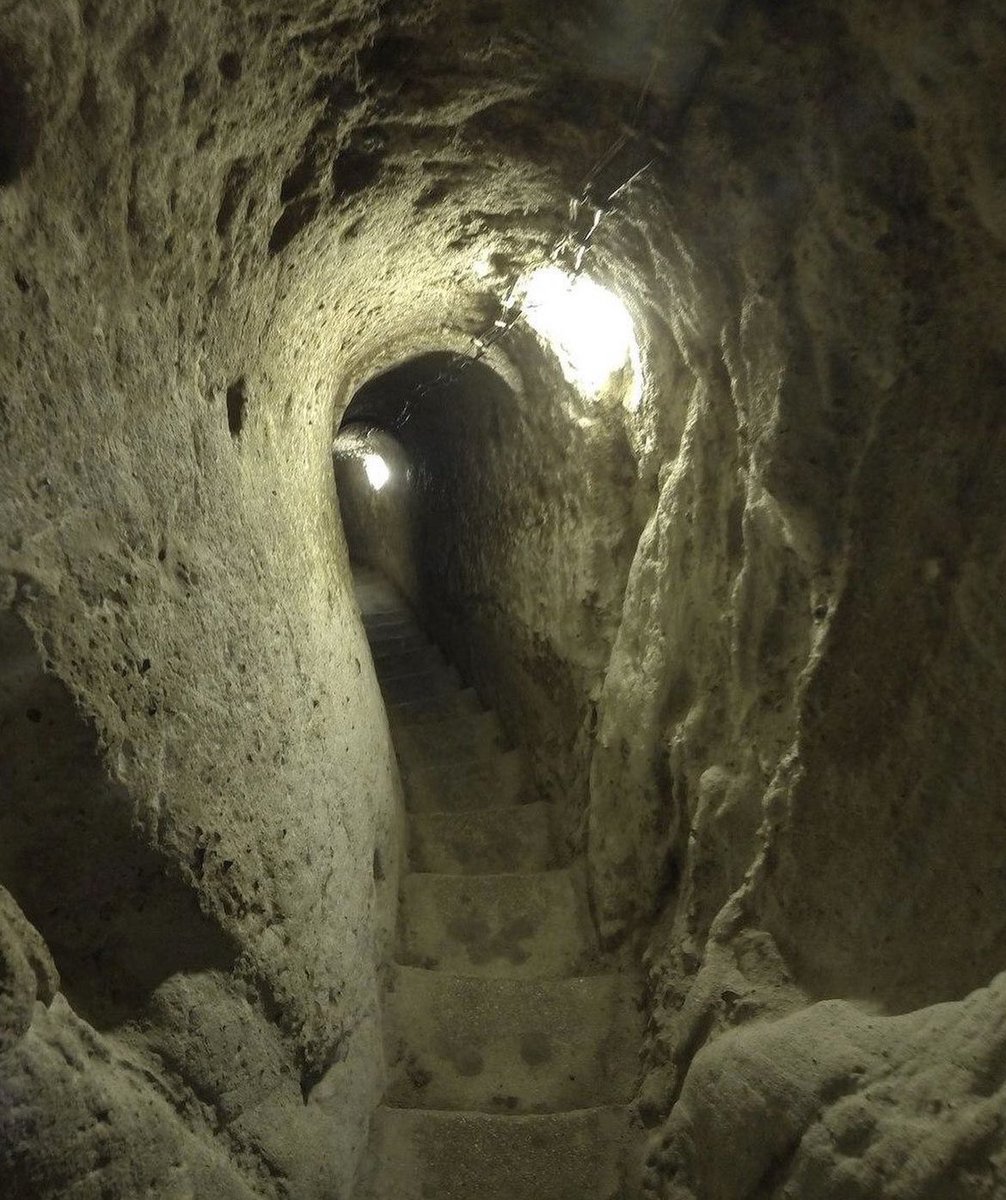
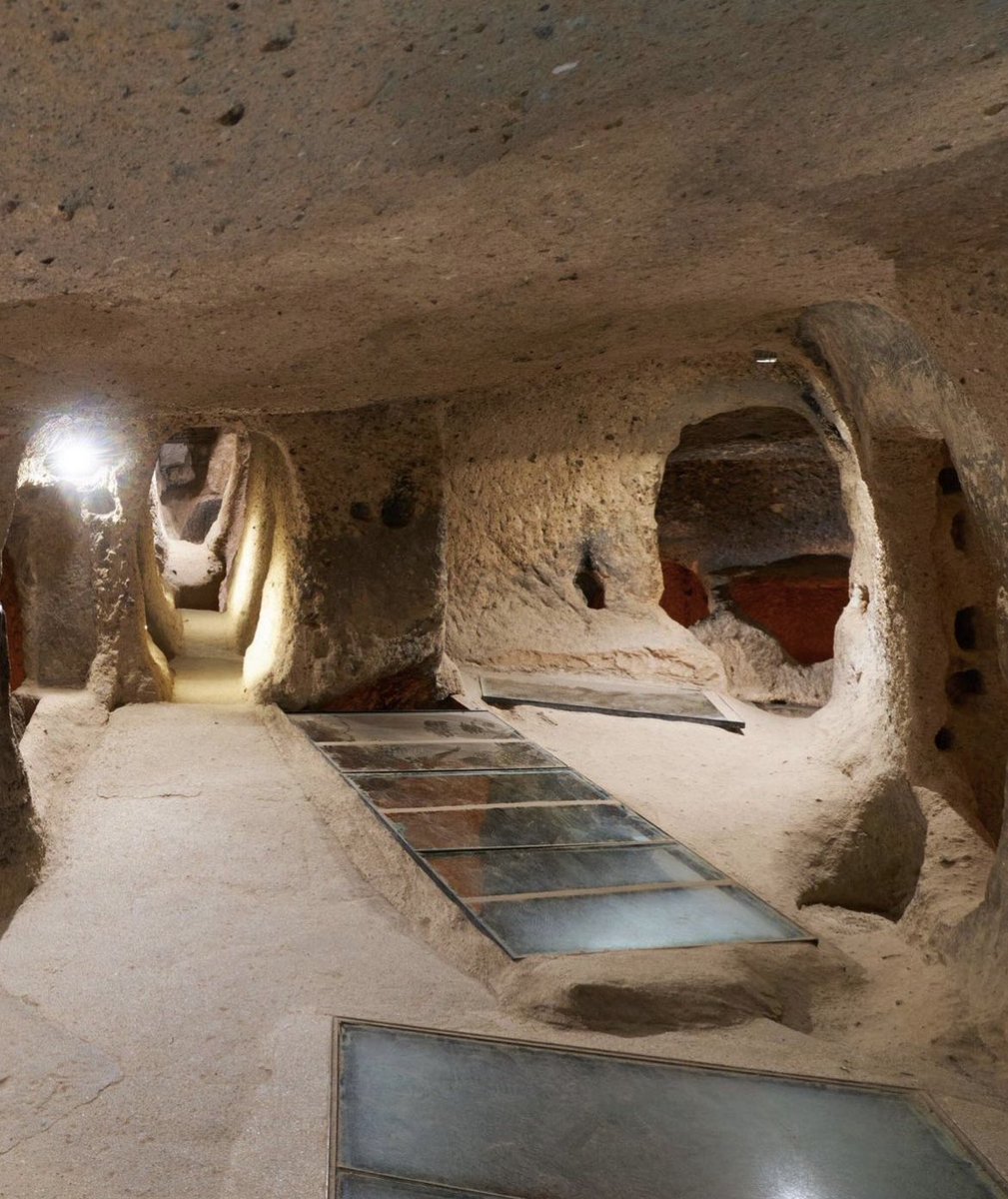
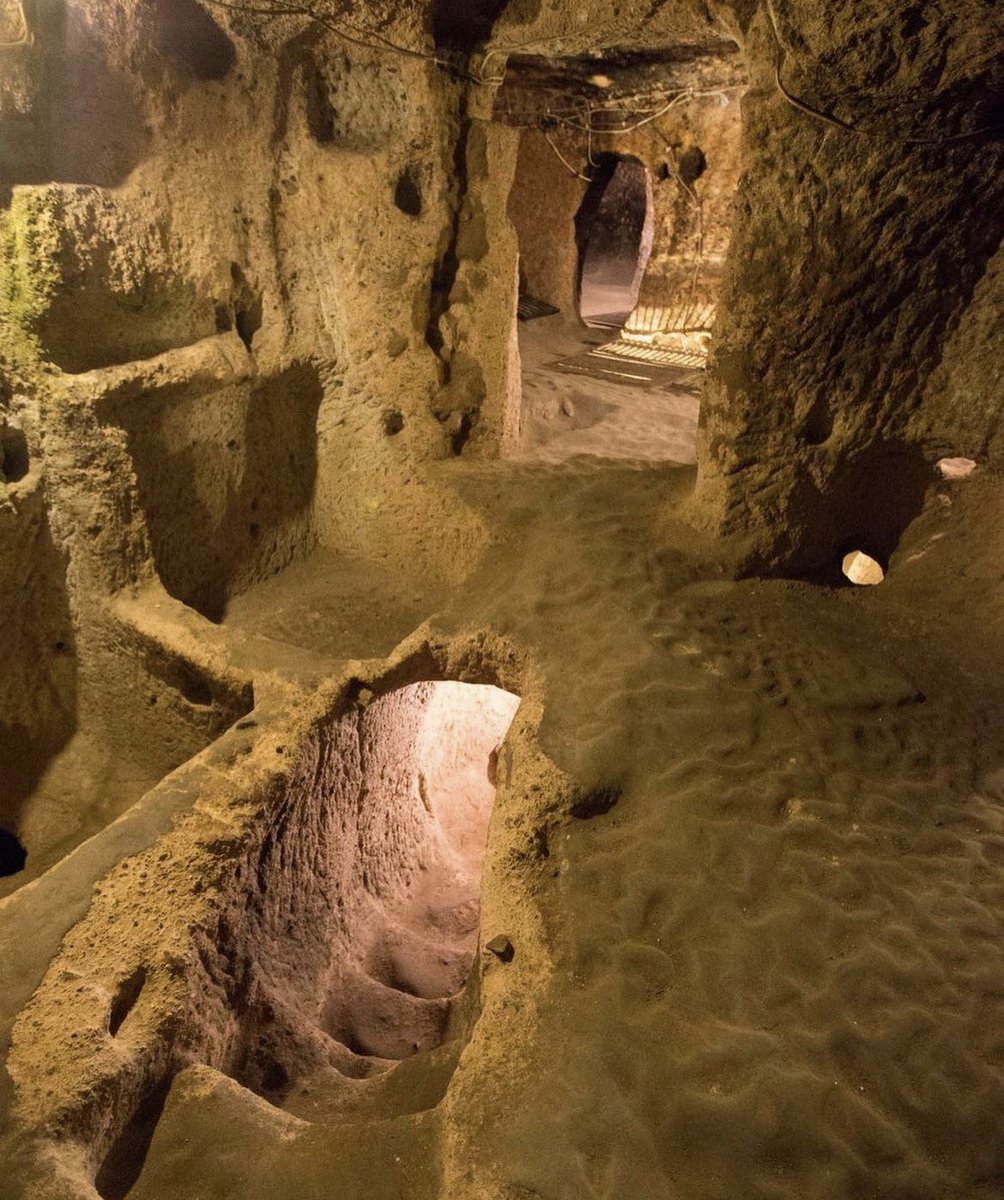
While trying to recapture his runaway chickens in the 1960s, a Turkish homeowner stumbled through the wall, revealing an abandoned underground Turkish city, now known as Derinkuyu,
Derinkuyu is the largest excavated underground city globally, burrowed more than 280 feet beneath the Central Anatolian region of Cappadocia. It is believed to connect to over 200 smaller underground cities discovered in recent decades.
Inside, researchers found 18 levels of tunnels containing various facilities like dwellings, food storage, stables, schools, wineries, and a chapel. The city also had a ventilation system to provide fresh air and water.
Its exact construction date is uncertain, but ancient writings dating back to 370 BC mention its existence. The city served as a storage place originally but later transformed into a secure bunker to escape from invaders, designed with narrow, low hallways and blocked doors with movable boulders from the inside.
While the architects remain a mystery, it is thought that the Hittites and later the Phrygians contributed to its construction. Derinkuyu reached its peak population of 20,000 during the 7th-century Islamic raids on the Christian Byzantine Empire.
After two millennia of use, the city was abandoned in 1923 by the Cappadocian Greeks, who fled to Greece after the Greco-Turkish war. Today, Derinkuyu is a UNESCO World Heritage site and welcomes curious visitors keen on experiencing life underground.
This is soo distressing.
This woman is beyond brave. What she needs now is justice!
For all those people attacking me for calling out Police Services and trying to ensure we have good policing watch this now!
https://t.co/BCU9oTlJyz
Congratulations to British Gas who made record profits of £969,000,000 in six months.
That’s almost *ten times* more than last year, while millions are struggling to pay the bills.
We must end this daylight robbery and bring energy into public hands, now.