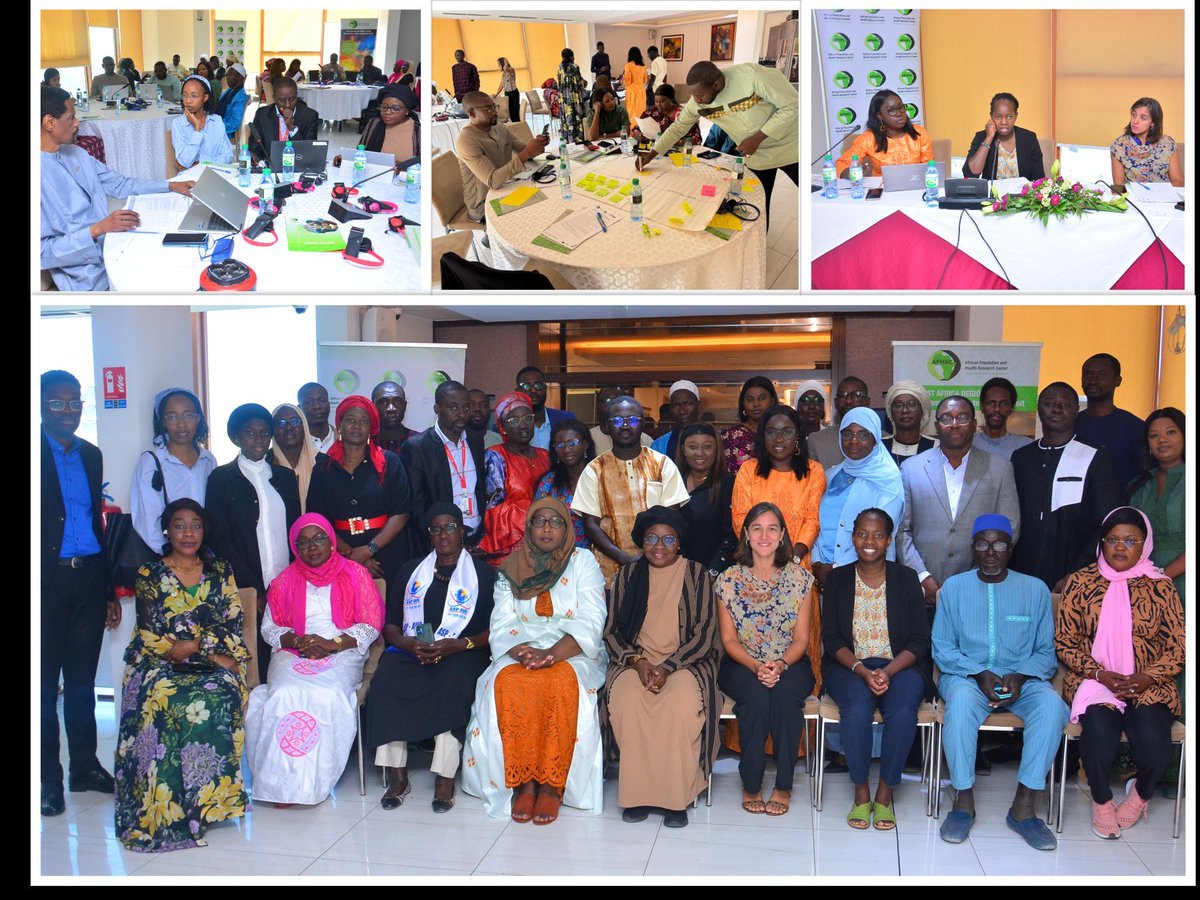
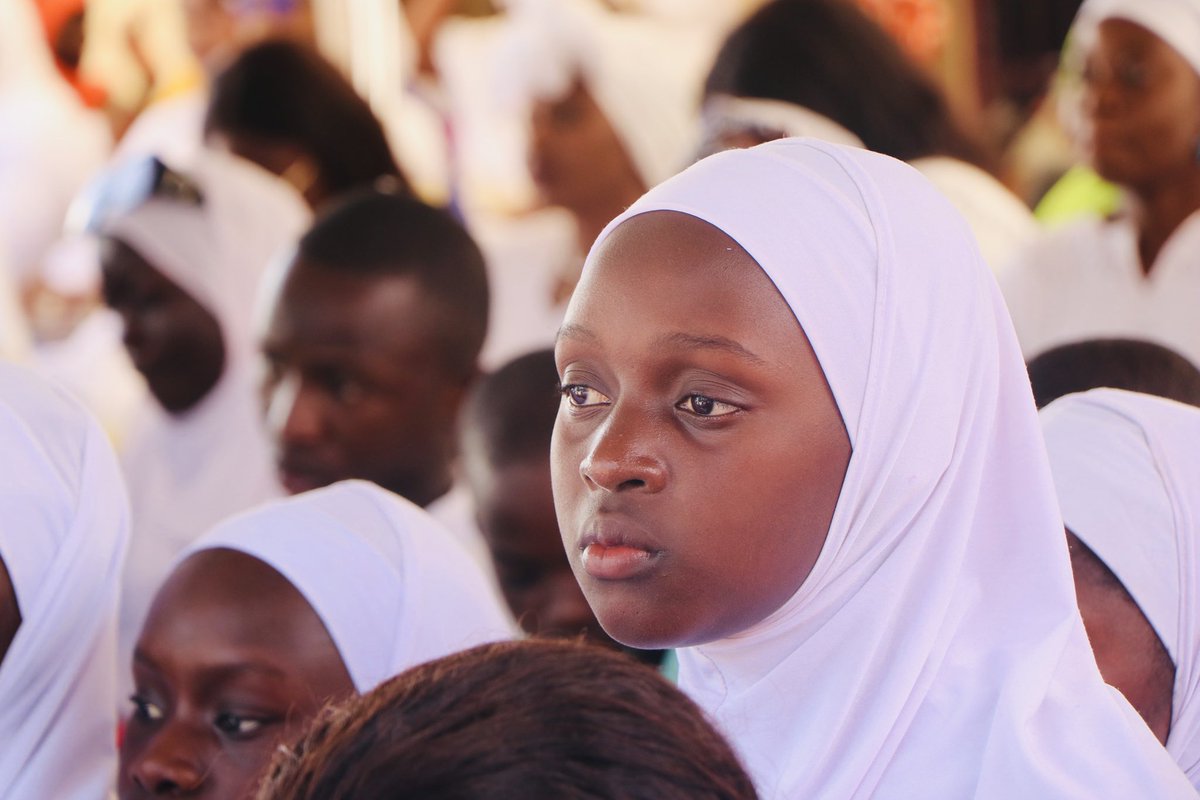
#IamAPHRC's #ClimateAction4NCDs, supported by @MedResFdn, aims to study the interactions between climate change, air quality, and the loss of urban green spaces in four cities in Senegal. In this context, #APHRCinWestAfrica, @LSHTM & @santegouv_sn convened experts to tackle climate change & noncommunicable diseases.
Discussions highlighted how rising temperatures, poor air quality, and diminishing urban green spaces threaten public health. Together, stakeholders co-developed a theory of change to drive adaptation strategies, enhance healthcare access, and strengthen cross-sector collaboration.
APHRC remains committed to deepening the understanding of the climate-health nexus and driving impactful solutions that shape policies and protect vulnerable communities.
#WeAreAfrica #APHRCResearch
@LSHTM@mrcunitgambia@BonellAna@PeninahMur42658@SokhnaT37994755@dia_diama@DMdiarafa
Join me and my friends/colleagues @lizgulaz and @zainabzy_ in the climate and gender space who have been championing actions for the past years!
We will talk about the intersection of Gender Justice and Climate Justice organised by @EarthGambia and @UNDP_TheGambia.
High levels of heat found to affect foetuses & infants up to age 2
In @bsindia@BonellAna discusses 1st analysis to show heat stress impact on development of babies after birth as #publichealth interventions needed for #climatechange. @mrcunitgambia
👇 https://t.co/yFjXrJ8HNh
A study funded by @wellcometrust published on @TheLancetPlanet shows that heat exposure may impact both the growth of foetuses during pregnancy & infants up to the age of 2⃣.
Read more👉https://t.co/nxOqLCI5RE
First evidence suggests heat stress may still affect babies once born
@BonellAna explains impact of heat stress on foetal development & newborns, supporting calls for urgent interventions to reduce impact of climate change on pregnant women & children.
https://t.co/tjWxUqiIu9
1st contribution of the #ACTUALproject@snsf_ch@ISPMBern @OeschgerCentre we show the complex relationship between heat-humidity-health using DAGs. This is crucial to defining your analytical model, which indeed is rarely considered when modelling humidity in heat-health studies!
We call on National Assembly members to protect the health and well-being of women and girls by standing firmly against the repeal of the #FGM law.
#EndFGM220#HandsOffOurLaw#DoNoHarm
“[These are] populations that have contributed almost nothing to climate change and are at [the] front lines of the #climate crisis."
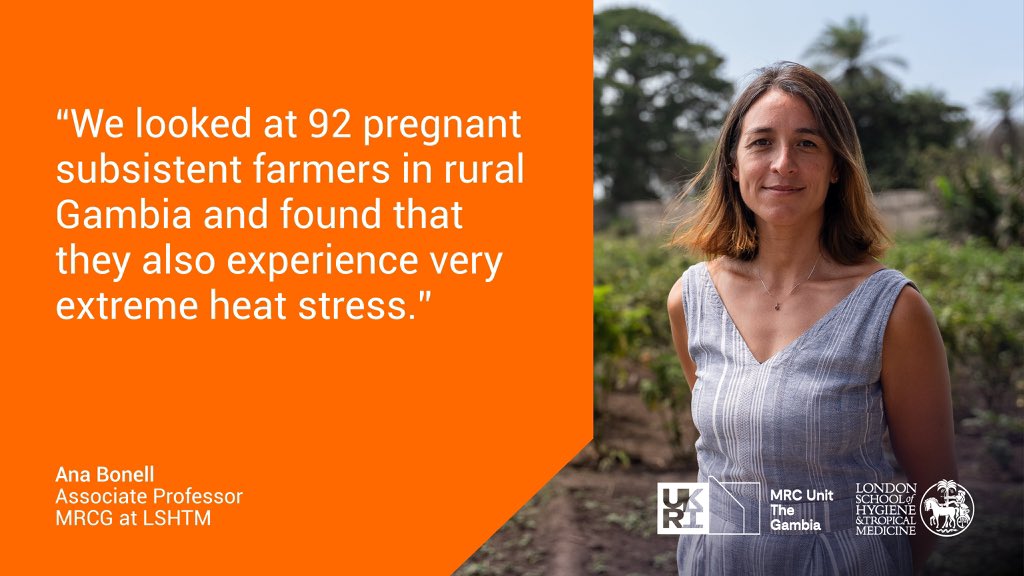
@BonellAna tells @voxdotcom about @mrcunitgambia research on impact of extreme heat on #pregnant farm workers 👇https://t.co/4NfmEGkGQj
Job opportunity @lshtm for a mathematics /engineering /computer science or highly quantitative social scientist /health economist on the REACH project.
REACH aims to Build Resilience to Floods and Heat for Maternal and Child Health in Brazil & Zambia.
https://t.co/Mwwdvtx23j
The Gender thematic working group are continuing their monthly meetings with a focus on the urgent issues surrounding #FGM/C. We're committed to raising awareness, advocating for change & supporting victims .Together, we can make a difference & end FGM. #endfgm220
Can cash transfers help pregnant women adapt to extreme heat?
This is what our recently published study sought to understand - read more about the study below 😄
As part of #PlanetaryHealthWeek, we organised a bring-and-share vegetarian breakfast competition, a fun way to promote healthy eating to protect our planet.
We also visited our on-site biogas plant, an innovative facility to advance our contribution to a healthier environment.
Fantastic showcase of plastic recycling action and future plans by Aliyu, an amazing PhD student who led the student jubilee team - thanks Aliyu! @LSHTM_Planet
The theme for this year’s #PlanetaryHealthWeek is "Action for All."
To observe the week, we organised a seminar on the impact of plastic waste and innovative recycling efforts at health research institutes. We also visited our 3D printing facility.
Impact of cash transfers on the association between prenatal exposures to high temperatures and low birthweight: retrospective analysis from the LEAP 1000 study
https://t.co/2YZecLkcyb
@SarahLaPointe0@ubsphhp
@UAlbanySPH
@ubsphhp@BonellAna@ubsphhp
Contributing to the global #MaternalHealth discourse!
Our Associate Professor @BonellAna on @BBC__newsday discusses the impact of heat stress on pregnant women in rural #Gambia☀️🤰🏾
📻https://t.co/gAZE5RvqYe
"We found that the pregnant subsistence farmers didn't have a single day where they were not exposed to some degree of heat stress"
@BonellAna, Assistant Professor in @mrcunitgambia & CCCPH member speaks to @BBC__newsday on the impacts of heat on maternal health in The Gambia👇
"There is a real push to include maternal and child groups as vulnerable group to heat exposure"
On @BBC__newsday @BonellAna discusses research into the impact of extreme heat on pregnant farmers in The Gambia.☀️🤰
@mrcunitgambia@LSHTM_Planet
👇https://t.co/55ChCLlUcm