Every morning I write about someone Iran just executed, within minutes, a message arrives a mother, a sister, a friend, begging me to write about their loved one who is on the death row. Before it's too late.
This is why I want to write before the execution of this young woman, not after. Arghavan Fallahi. 24 years old. Evin Prison. Sentenced to death.
Judge Salavati one of Iran's most notorious hanging judges, sentenced her under "Baghi," armed rebellion.
During months in solitary confinement, she was subjected to severe psychological torture and pressure to make forced confessions. But she refused. So they sentenced her to death anyway.
Fellow female prisoners who were with Arghavan inside Evin say her situation is urgent. The torture has left her with severe psychological trauma and physical illness. She is not just facing the death sentence, she is suffering right now, inside that cell. But is still alive and is still time to save her life.
Please join me and help us Iranians to say her name now and demand international community and the leader leaders of the world to put pressure on these that republic to stop them from executing her and other political prisoners.
#StopExecutionsInIran
A grammar book walks into a bar
* An Oxford comma walks into a bar, where it spends the evening watching the television, getting drunk, and smoking cigars.
* A dangling participle walks into a bar. Enjoying a cocktail and chatting with the bartender, the evening passes pleasantly.
* A bar was walked into by the passive voice.
* An oxymoron walked into a bar, and the silence was deafening.
* Two quotation marks walk into a “bar.”
* A malapropism walks into a bar, looking for all intents and purposes like a wolf in cheap clothing, muttering epitaphs and casting dispersions on his magnificent other, who takes him for granite.
* Hyperbole totally rips into this insane bar and absolutely destroys everything.
* A question mark walks into a bar?
* A non sequitur walks into a bar.
In a strong wind, even turkeys can fly.
* Papyrus and Comic Sans walk into a bar. The bartender says, "Get out -- we don't serve your type."
* A mixed metaphor walks into a bar, seeing the handwriting on the wall but hoping to nip it in the bud.
* A comma splice walks into a bar, it has a drink and then leaves.
* Three intransitive verbs walk into a bar. They sit. They converse. They depart.
* A synonym strolls into a tavern.
* At the end of the day, a cliché walks into a bar -- fresh as a daisy, cute as a button, and sharp as a tack.
* A run-on sentence walks into a bar it starts flirting. With a cute little sentence fragment.
* Falling slowly, softly falling, the chiasmus collapses to the bar floor.
* A figure of speech literally walks into a bar and ends up getting figuratively hammered.
* An allusion walks into a bar, despite the fact that alcohol is its Achilles heel.
* The subjunctive would have walked into a bar, had it only known.
* A misplaced modifier walks into a bar owned by a man with a glass eye named Ralph.
* The past, present, and future walked into a bar. It was tense.
* A dyslexic walks into a bra.
* A verb walks into a bar, sees a beautiful noun, and suggests they conjugate. The noun declines.
* A simile walks into a bar, as parched as a desert.
* A gerund and an infinitive walk into a bar, drinking to forget.
* A hyphenated word and a non-hyphenated word walk into a bar and the bartender nearly chokes on the irony .
– Jill Thomas Doyle
@v_j_freeman@BertDalziel Bodies change and babies are all different. I found bf effortlessly easy with my first two, and then agonisingly impossible with my youngest. No woman should be pressured, or made to feel any less of a good mother, over this issue.
@NoFarmsNoFoods Until the last year I was a life-long vegetarian. Now, I'm doing my utmost to feed my children in a genuinely healthy way. Butter, whole milk and decent meat rather than the "healthy" options that I mistakenly bought into before.
Dartmoor's hill ponies have grazed those commons for longer than there has been a country called England. Fewer than a thousand are left, down from six thousand a generation ago. The United Nations listed them as endangered in 2023. So, naturally, the body charged with protecting nature has decided to get rid of nine in ten of the survivors.
There is a process, obviously.
Natural England's new grazing contracts now count the ponies in the same bucket as the cattle and sheep. A commoner with a fixed quota has a choice: keep a semi-wild pony worth nothing at market, or use the slot for a lamb he can sell. Guess which one survives the spreadsheet. The rest are gathered in the autumn drifts, and with nowhere to put thousands of unhandled moorland ponies, the next stop is the abattoir.
Natural England would like it noted that it has not ordered a cull. It has merely built a machine whose only output is a cull, switched it on, and handed the bolt gun to a farmer so the fingerprints land elsewhere. Very tidy.
And now the funny part. The pony is the best tool on the entire moor for eating Molinia, the coarse purple grass strangling Dartmoor into a brown monoculture. Cattle and sheep won't touch it. The ponies hoover it down and clear the ground for the orchids, the wildflowers and the insects behind them. Remove the ponies and the moor chokes into precisely the lifeless scrubland the contract was meant to prevent.
So the conservation strategy, in full: protect the habitat by deleting the animal that maintains the habitat. A masterclass.
Better still, Natural England's own Fursdon review looked at this exact question and told them, in plain English, not to lump ponies in with cattle and not to cut pony numbers. They read it, praised it, said they fully supported it, then did the precise opposite.
Four thousand years these animals have run Dartmoor with no committee and no contract. They could be gone within one, and the people who did it will write it up as a win for nature.
The petition to stop folic acid entering our flour is on 7,337 votes after three days.
Please keep sharing with friends and family.
If we kept up the current rate we could reach the target by the end of July.
https://t.co/XzpiIGIzT7
The Somerset Farmhouse of 1 North Street, Williton were approached by a "food influencer" that wanted to charge them £2,000 for a review.
They put out a video of Sally eating a sausage roll instead 😆.
Lets make Sally and the Somerset Farmhouse famous for free.
@alexrubner She could try contacting https://t.co/9pbxz66SVQ for some support. Awful situation to be in. I wish her the very best of luck navigating what is bound to be a hellish experience.
Folic Acid has been shown by RCT to more than double the risk of prostate cancer.
The mandatory "fortification" (new speak for contamination) of our food with a synthetic drug that causes serious harm is an unethical violation of informed consent.
It must be stopped.
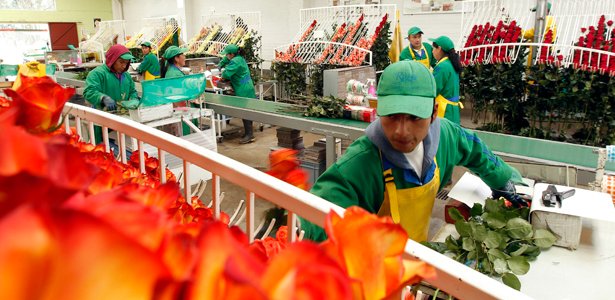
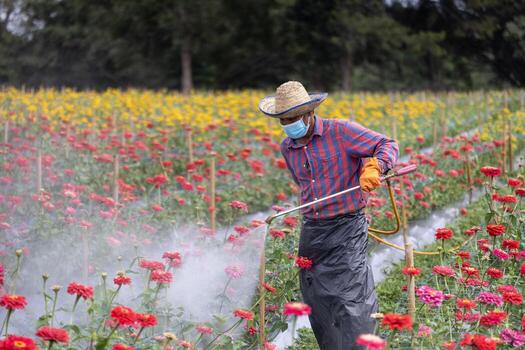
The flowers at your grocery store probably came from somewhere ugly.
About 80% of cut flowers sold in the US come from Colombia, Ecuador, or Kenya, all warm-climate countries with weak labor protections and minimal pesticide oversight.
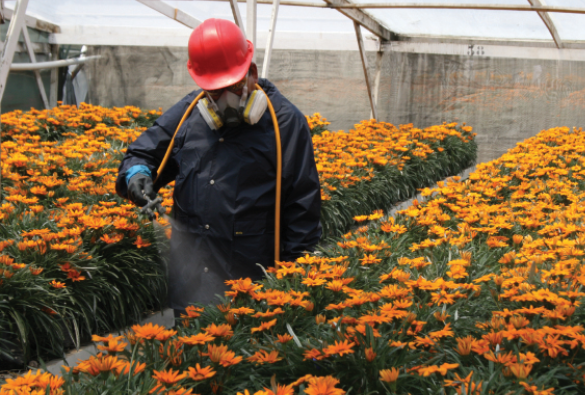
Cut flowers aren't food, so the chemicals applied to them aren't regulated the way pesticides on produce are.
A 2016 Belgian study found 107 different active pesticides on grocery-store cut flowers, some at concentrations 1,000 times higher than the legal limit for food crops.
Two-thirds of Ecuadorian flower workers report headaches, nausea, miscarriages, or neurological problems.
In Kenya, where 70% of flower workers are women, sexual harassment by male supervisors is widespread enough to be considered an industry norm.
Lake Naivasha, the heart of Kenya's flower industry, has experienced massive fish die-offs and water table contamination linked to flower farm runoff.
Your bouquet sits at the end of a supply chain that poisoned a lake, a worker, and a watershed.
Better options: locally grown flowers from a farmers market or "slow flower" farm, Veriflora or Florverde-certified imports, or skip the cut flowers and gift a potted plant that lasts longer than a week.
Where did your mother's day bouquet come from?
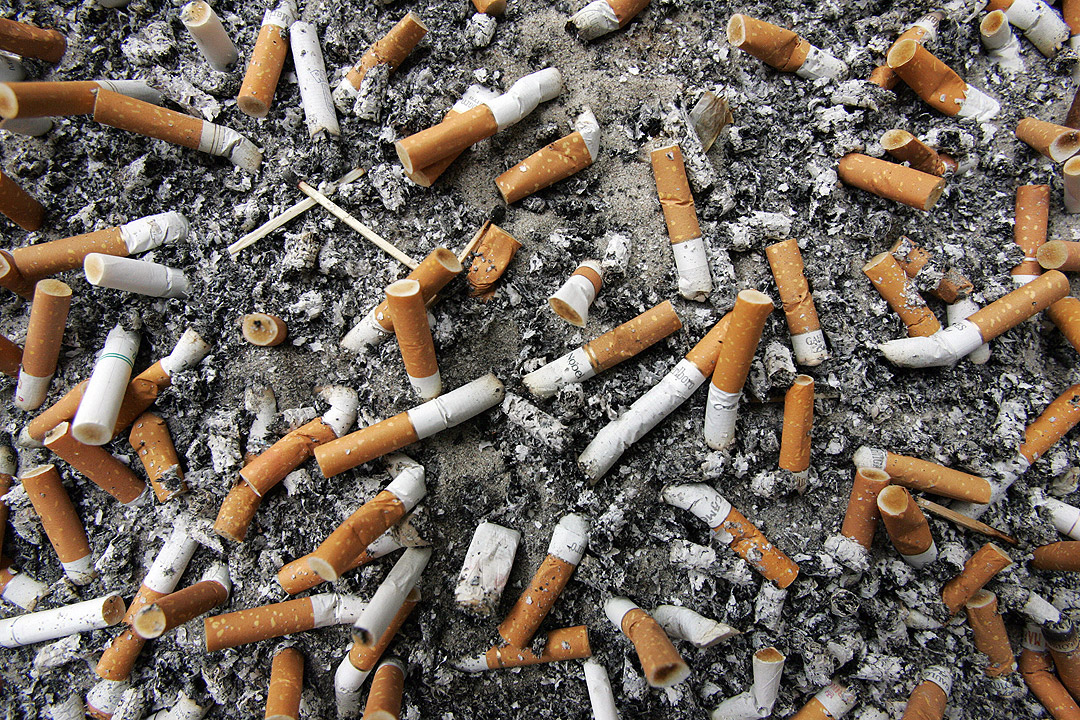
One cigarette butt can ruin up to 1,000 liters of water.
They leach nicotine, heavy metals, polycyclic aromatic hydrocarbons, and microplastics into soil and water for years after they're flicked into a gutter.
The filters are made of cellulose acetate, which is a plastic. They don't biodegrade.
About 4.5 trillion of them get littered globally every year. They're the most-littered item on Earth.
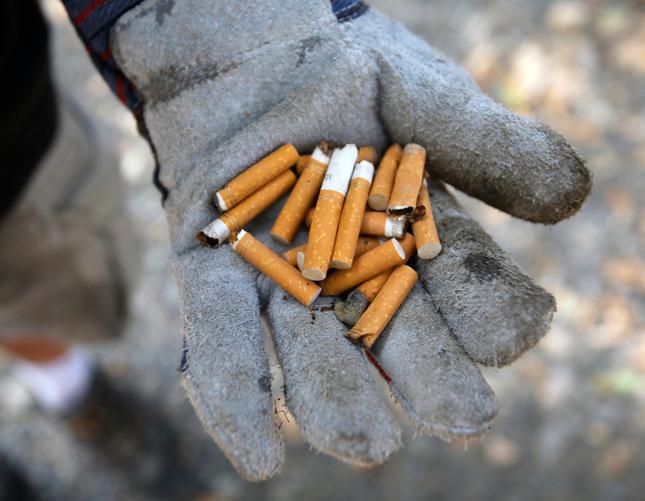
If you see one and it doesn't gross you out, picking it up takes two seconds.
A used coffee cup with a plastic lid works fine as a portable carrier on a walk; toss the contents at the next trash can.
If they do gross you out, no judgment. Some things are jobs for gloves and trash grabbers, not bare hands.
The point isn't that you have to clean up other people's messes. The point is that one butt is more harmful than it looks, and if it's already in your hand or near your foot, it's worth the gesture.
The hands that flicked it aren't coming back to get it.
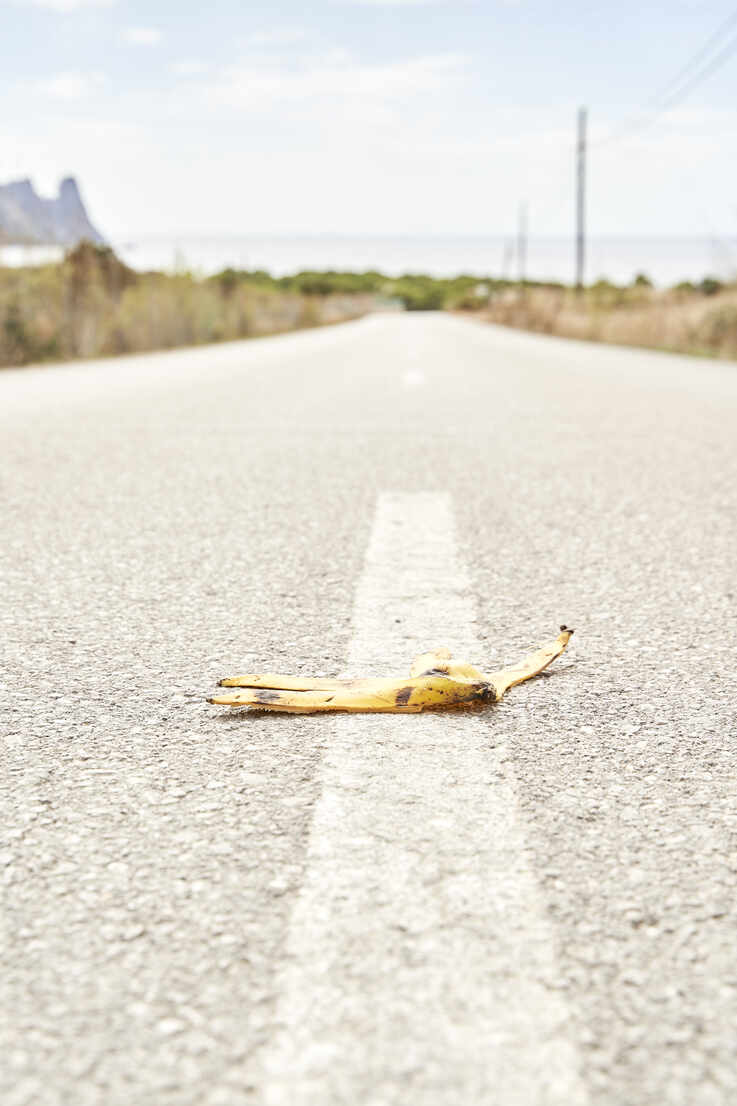
The banana peel you tossed out the car window is going to kill wildlife.
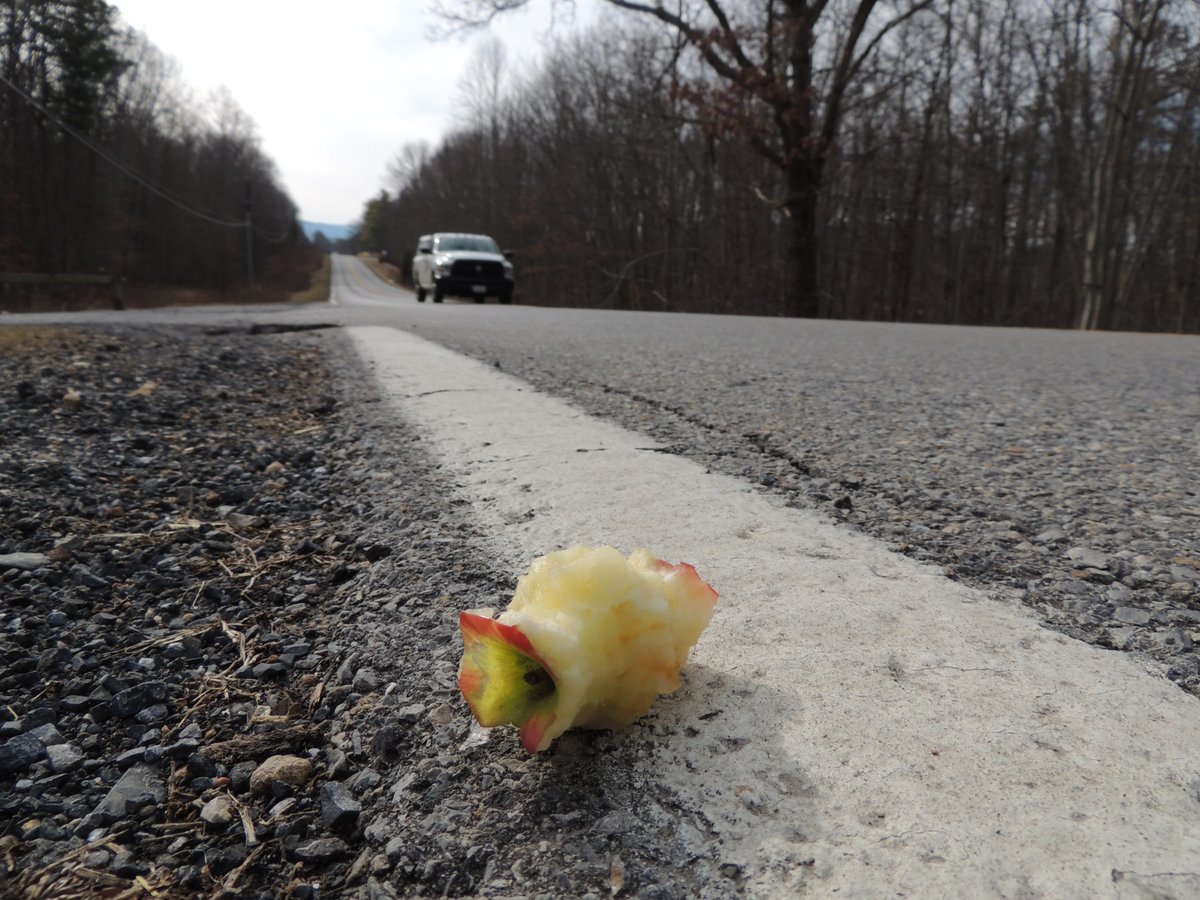
Apple cores, orange peels, French fries, pizza crusts. Every piece of food you throw onto a roadside teaches animals that roads are food sources. Squirrels, raccoons, foxes, vultures, and bears all learn the lesson fast.
Then they get hit by cars. Roadkill rates climb on stretches of highway where drivers routinely litter food.
Larger animals that learn to scavenge roadways are more likely to be shot by wildlife managers once they stop fearing humans.
Food waste on the ground isn't "biodegradable" in any meaningful sense. It's bait.
Pack out what you bring in. Apple cores and banana peels included.
You tossed a snack, but I bet you didn't mean to set a trap.
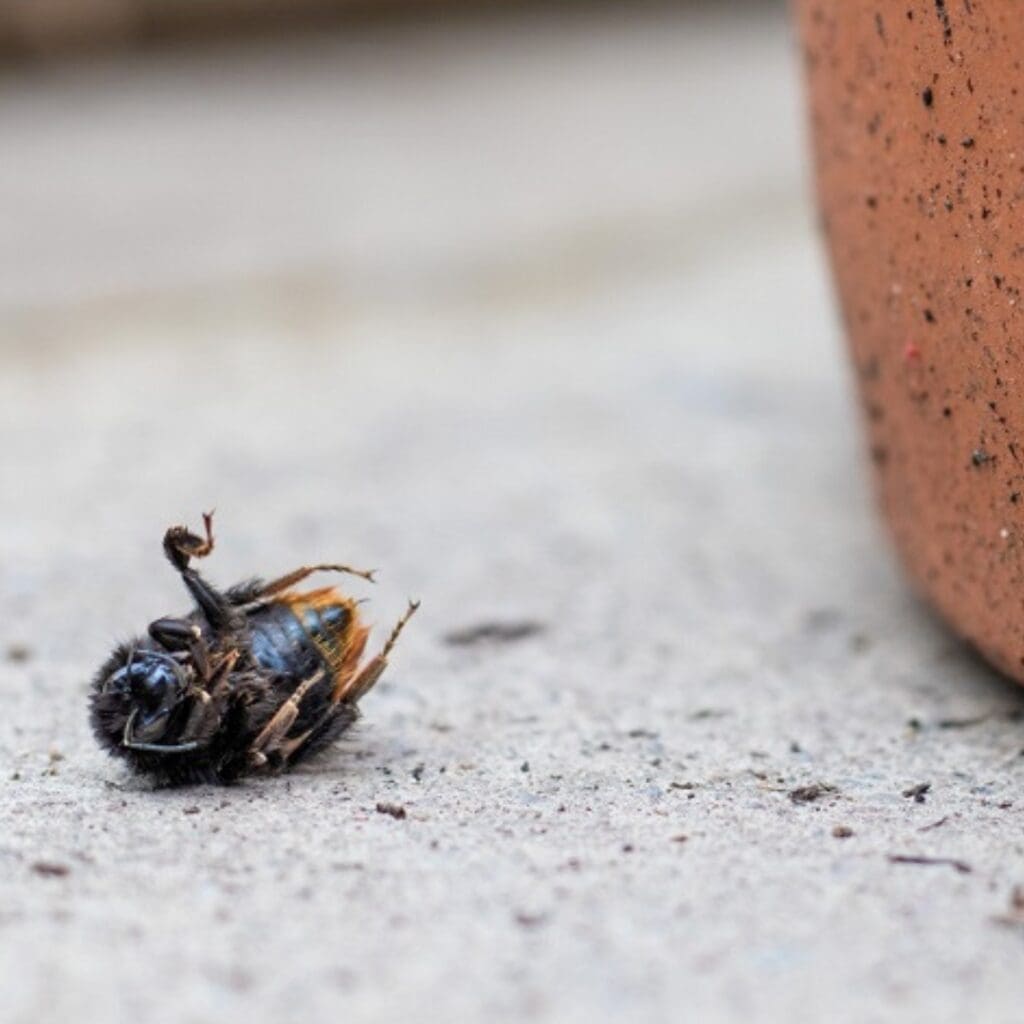
Spraying just one dandelion with roundup will kill 100+ pollinators.
The flower will take days to die, and in that time will be visited by dozens of bees and butterflies, poisoning them as well.
The exposed pollinators don't die quickly, as they would with insecticide exposure. The death is slower and more brutal.
In the case of bumblebees, they lose their ability to see colors, can't find flowers, and starve to death.
If the dandelions truly are a hell no for your yard, pull them. Don't spray them.
Cut flower farms use more pesticides per acre than almost any other crop. That bouquet you just brought home are coated in them.
Those pesticides kill the pollinators the flowers are supposed to attract.
Buy from local growers, skip the supermarket bouquet, or grow a cutting garden with native flowers. Your pollinators will notice.
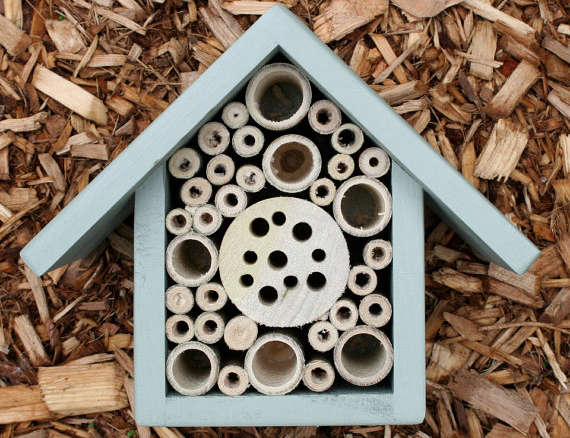
That decorative bee hotel from the garden center might actually be hurting the bees.
Scott MacIvor, a researcher at the University of Toronto, set up 200 bee hotels across Toronto and monitored them for three years.
What moved in: parasitic wasps, spiders, earwigs, ants, and in one case a mouse. Not villains, but also not bees.
Native bees did use them, but the large clustered design made it easy for disease and parasites to spread between nests in a way that would never happen in nature, where nesting sites are scattered and isolated.
Here's what most commercial bee hotels get wrong:
Plastic tubes trap moisture and grow mold. Bamboo tubes are usually too large for most native bee species.
Pine cones, bark, and moss, seen in virtually every decorative hotel, aren't used by bees and attract the wrong insects.
Holes too short produce almost exclusively male offspring, skewing the population. No maintenance plan means disease and parasites accumulate year over year with no way to clean them out.
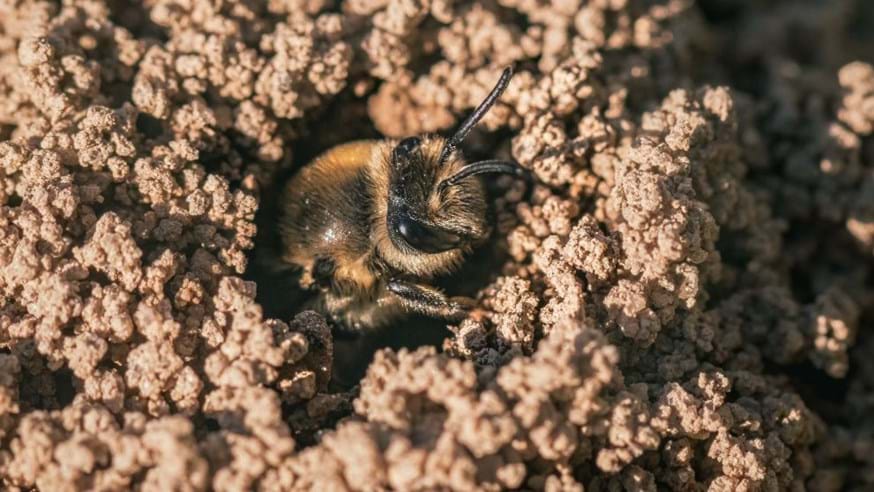
The bigger problem: 70% of North American bee species nest in the ground. A bee hotel does nothing for them.
What actually works:
🌿 Leave bare patches of undisturbed soil in a sunny spot
🪵 Leave dead wood and hollow stems standing
🌸 Plant native flowers that bloom in sequence spring through fall
🚫 Stop using pesticides
The bees don't need a hotel. They need a habitat.
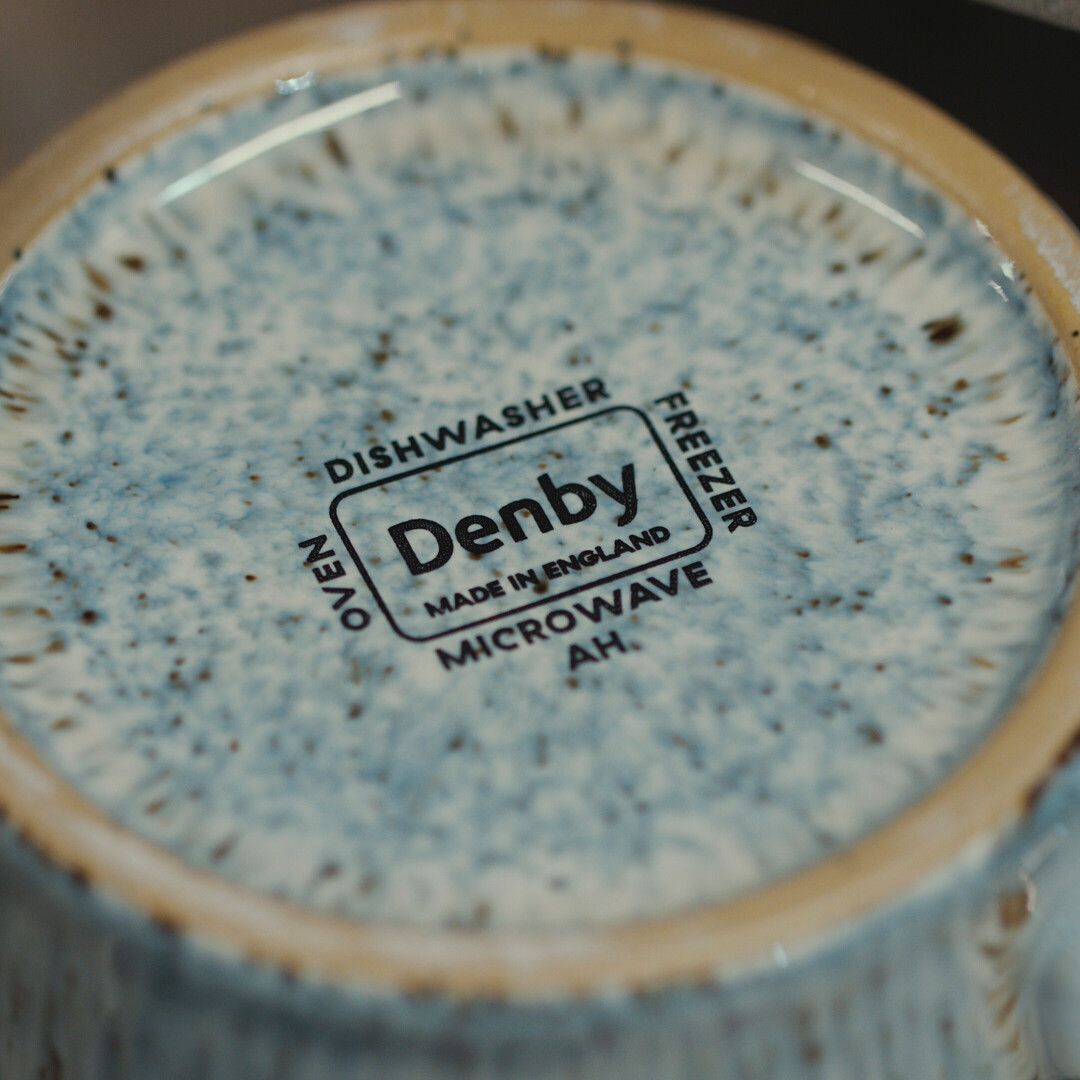
Today, Denby has formally appointed administrators. We want to reassure customers that our stores & website continue to trade. We are desperately sad for those affected & want to thank our community for the support. The search for investors continues: https://t.co/6W1D10P655