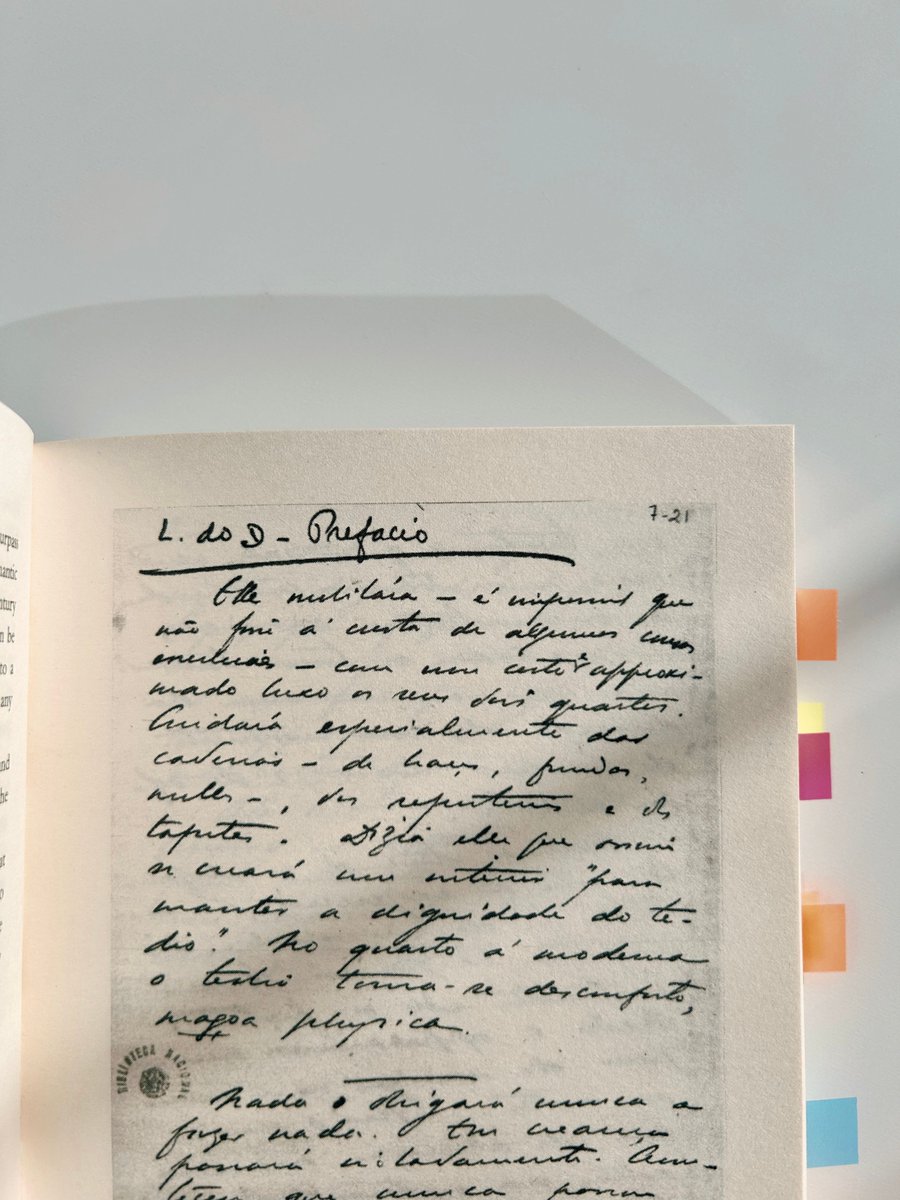
@BookTasters would like to thank their authors' and partners' in success for their feedback about the reviewing service! We would like also to encourage everyone to share their experience with us!
#ShareYourExperience#BooktastersReviewingService
Justified text formed obvious rivers through two dense chapters; early readers emailed that the prose suddenly 'flowed' differently. Typographic rivers rewired their reading rhythm without changing a single word.
Draft reveal: my protagonist's estranged sister and the hometown baker share the exact same nickname. Romance scene now includes suspiciously dedicated pastry references.
A chapter split into two audiobook files mid paragraph often reads as an intentional dramatic beat; listeners later cite the pause as authorial timing.
Your book description is not a summary. It's a sales pitch. And most authors are writing the wrong thing entirely.
How to fix it: https://t.co/KUnEHAz2Pr
Readers don’t care about being shocked.
They care about feeling satisfied.
Here’s how to write an unexpected ending that works: https://t.co/bVTWjC7WZT
A terse index entry for a throwaway prop can turn critics into motif detectives; decades later that object's name dominates scholarship and readers argue it was always central.
The legend of the lost gold lake has never been told like this.
From the California Gold Rush to the Civil War, The Gold Hunter is a story of discovery, loss, and reckoning.
A mislabeled river on a novel map turned the town's east side into a marsh in readers' minds; a cliffside chase now reads as slogging through reeds. Maps silently rewrite scenes.
Left inside a translation, a stray stage direction becomes an authorial wink; readers debate whether it was intention or error and build whole theories on a bracketed stage note.
Scanned archive reads 1818 instead of 1918 and my protagonist is suddenly older than their grandfather. Rushing to adjust dates and one glaring census line feels satisfying to fix.