Sayings of Saints & Sages | Ask for the ancient paths, where the good way is. Walk in it, and find rest for your souls. | Ad majórem Dei glóriam ❤️🔥✝️🕊☦️
The Church commemorates him on February 21, honoring his steadfastness.
So, may the story of Saint Zacharias—the captive patriarch, inspire us to endure, to hope, and to love, even when the world seems darkest. 🙏🏼
The patriarch returned to Jerusalem, his heart heavy with the memories of suffering. Yet, he bore a message of resilience and redemption. The True Cross, once a symbol of defeat, now stood as a testament to endurance and hope.
In 627 CE, the tide turned. The Byzantine Emperor Heraclius rallied his forces and marched eastward. At the Battle of Nineveh, he dealt a decisive blow to the Sasanians. The surviving captives, including Zacharias, were freed.
Zacharias, clad in the vestments of his office, was led away in chains. The Sasanian Emperor Khosrow II saw in him not just a captive patriarch but a symbol of defiance against their Zoroastrian might. Thousands of Christians were captured and suffered alongside Zacharias.
For years, the patriarch languished in captivity, his prayers echoing off cold stone walls. Yet, even in darkness, his unwavering faith remained a beacon. He ministered to fellow prisoners, offering solace and hope. His sermons, whispered in secret, sustained the faithful.
The Sasanian Empire, a formidable force from the east, coveted the holy city. In 614 CE their armies swept across the land, capturing Jerusalem. The city’s walls crumbled, its churches desecrated, and its Christian inhabitants faced unimaginable horrors. Among them was Zacharias.
The year was 609 CE, and the Byzantine Empire held sway over Jerusalem. Zacharias, a man of deep piety and scholarly wisdom, ascended to the revered position of Patriarch of Jerusalem. His tenure, however, would be anything but tranquil.
In the heart of ancient Jerusalem, amidst the shifting sands of empires and the fervent prayers of the faithful, lived a man whose unwavering faith would echo through the corridors of time.
His name was Zacharias, and would become known as Saint Zacharias the Captive Patriarch.
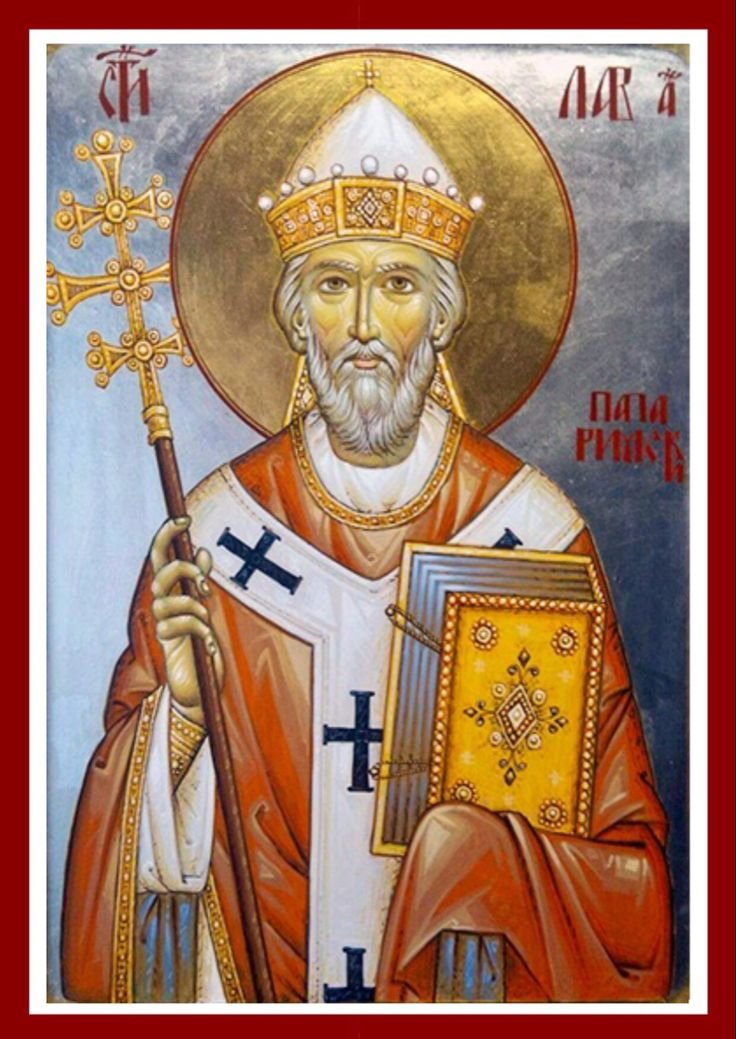
Though centuries have passed, the story of Leo the Great remains a testament to the power of faith, courage, and diplomacy, lessons that continue to illuminate our own path, urging us to bridge divides, seek dialogue, and hold onto hope even in the most turbulent times.
As the Roman Empire teetered on the brink of collapse in the 5th century AD, a quiet Roman aristocrat named Leo rose to become a beacon of hope and resilience. Little is known of his early life, but his destiny shone bright when he assumed the mantle of Pope Leo I in 440 AD.
He reminds us that leadership in crisis requires courage, clear communication, and a willingness to engage in dialogue even amidst differences. He teaches us that faith can be a guiding light in dark times, offering strength and solace in the face of adversity.
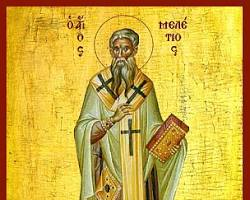
In 378, Meletius returned to Antioch, welcomed with open arms. He presided over crucial synods in 379 and 381, playing a pivotal role in reconciling Eastern and Western churches on doctrinal matters. He also helped establish the Second Ecumenical Council in Constantinople.
In the bustling streets of 4th century Antioch, amidst the echoes of theological debate, stood Meletius, a beacon of unwavering faith. Appointed Archbishop in 360, he found himself embroiled in a struggle that would define his life and leave an indelible mark on Christianity.
Yet, exile couldn't dampen his spirit. In remote Armenian mountains, he penned powerful treatises, his words echoing across the land. His influence reached far, even ordaining future luminaries like St. Basil the Great and St. John Chrysostom.