Transform your imagination into reality with custom 3D printing!🎯 Specializing in cosplay armor, props, tabletop miniatures & gaming accessories.Veteran owned
Not all miniatures survive the rigors of game night. Look for overly thin limbs, soft details, or excessive supports—these are ticking time bombs for lost definition. Spot them early, save your table pride. What minis have you seen fail? Drop your stories below.
Screen detail looks great up close, but arm's-length detail wins on the table. Your minis need to read clearly from game height—not in photos. Focus on what players see in action. What's your go-to detail trick? Drop a comment.
Orientation changes how your mini reads on the table—it's not about looks. The angle affects shadows, highlights, and detail visibility, making or breaking your game night immersion. How do you position your minis? Drop your tips below.
Want miniatures that survive every game night? Keep edges sharp by printing with thicker walls and curing under controlled heat. Use tough resin blends and handle with care during post-processing to lock in strength.
Raw 3D prints look rough—until post-processing sharpens every edge and smooths every surface. This step turns your model from a starter shape into a battlefield-ready miniature. What's your go-to finishing trick? Drop a comment!
Printed minis often nail the photo but crumble under the table's pressure. Why? Because detail doesn't equal durability. If your minis break in play, it's time to rethink your print process. What's your biggest mini fail? Drop a comment.
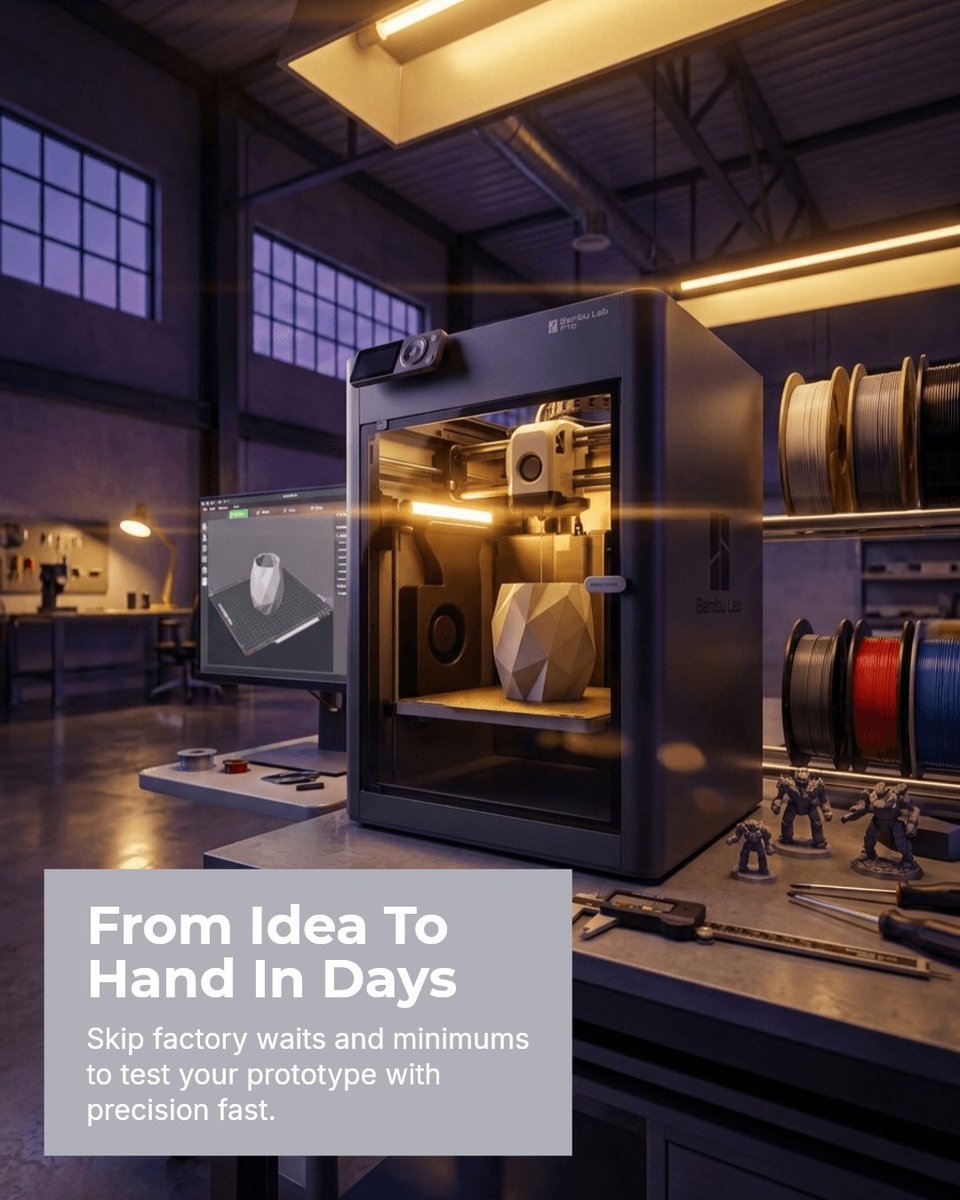
Short-run fabrication turns your concept into a physical test faster than waiting on traditional manufacturing. Small teams get to hold, tweak, and prove ideas without the usual delays or minimums. How fast could you move if your prototype was in hand tomorrow?
Short runs need first-run accuracy. No room for guesswork. Direct communication cuts errors, saves time, delivers parts that work as designed. Talk to the operator, not a form. That's how you get it right.
What's the secret to a perfect finished 3D print? Post-processing. It's the grind that turns raw prints into battle-ready minis, cosplay armor, or dependable prototypes. Nail this step, and you get parts that look and perform like pros made them.
How do you know if a custom mini will stand out next to standard 32mm figures? It's about scale, presence, and detail that commands the table. Oversized accessories or active poses help. What's your go-to tip for scale-checking minis?
Your DM just dropped custom miniatures for the boss fight. Every detail sharp, every pose ready to dominate the table. This isn't mass-market—this is mission-ready precision. Who's your go-to DM for these epic reveals?
Why do some resin minis disappear on game night?
Clean prints with sharp details and flawless support removal. A mini that reads clearly stands out, commands attention, and survives the table.
Make yours the centerpiece.
What does your DnD miniature reveal about you? Your mini's pose and gear tell your story—tactical, aggressive, or support? Choose prints that match your play style, not the game.
What makes a green print truly reliable?
When detail, strength, and finish all matter, look for tight layer adhesion, crisp edges, and smooth surfaces. Don't settle for rough prints or weak spots—your project deserves precision that lasts.
I painted this miniature in under 2 hours, and it's not magic—it's method. Layer your base fast, hit key details next, then lock in highlights with precision. No fluff, results. Want the step-by-step breakdown? Drop your questions below.
Close-up detail that holds up after primer, paint, and table battles isn't luck—it's precision. Our ultra-detail resin prints keep your minis sharp from the first brushstroke to game night. What detail do you want to see next?
What makes a miniature stand out?
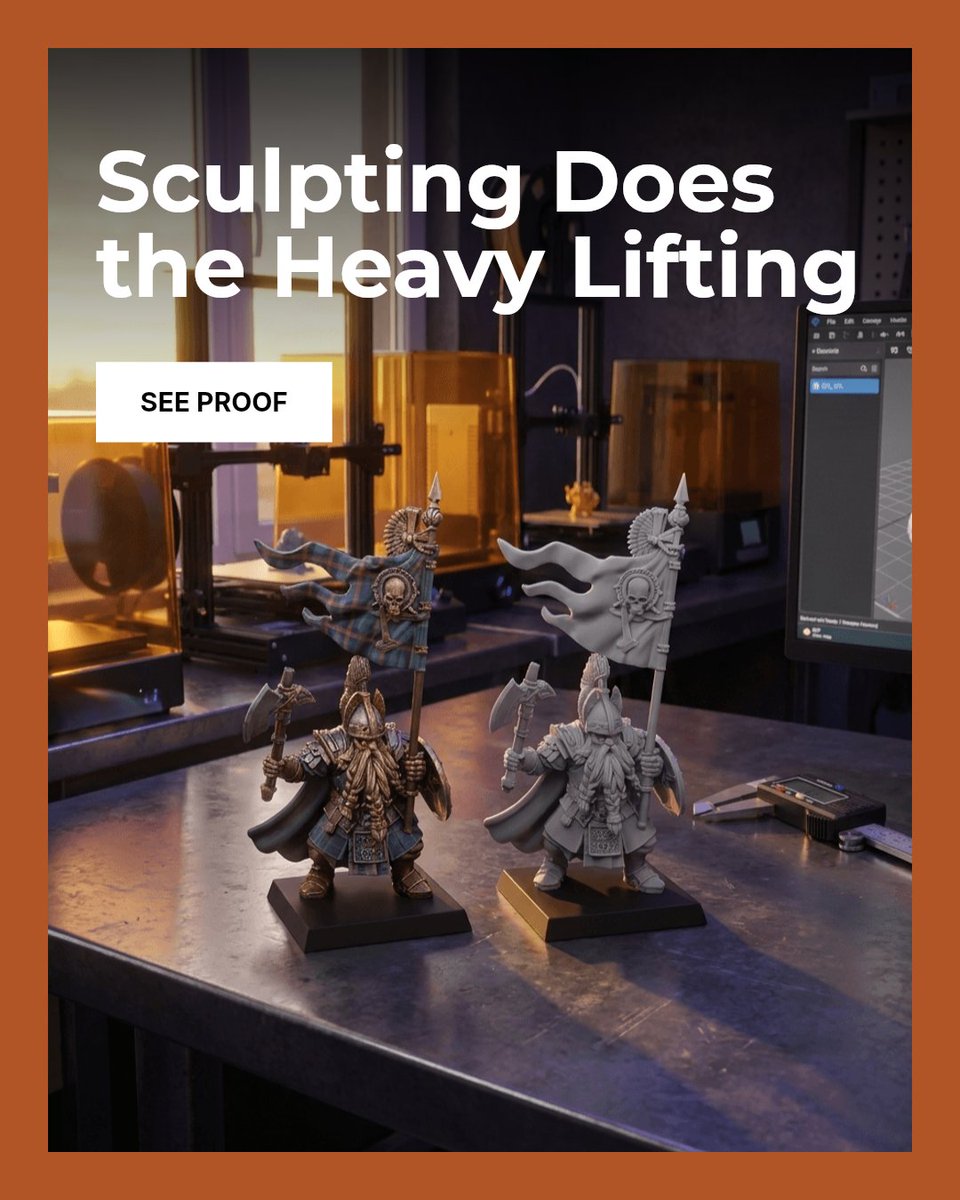
Raw sculpts show the sculptor's full skill — every fold, muscle, and texture. Painted minis mask that detail, but the reveal? That's where the sculpt carries the work. See the difference.