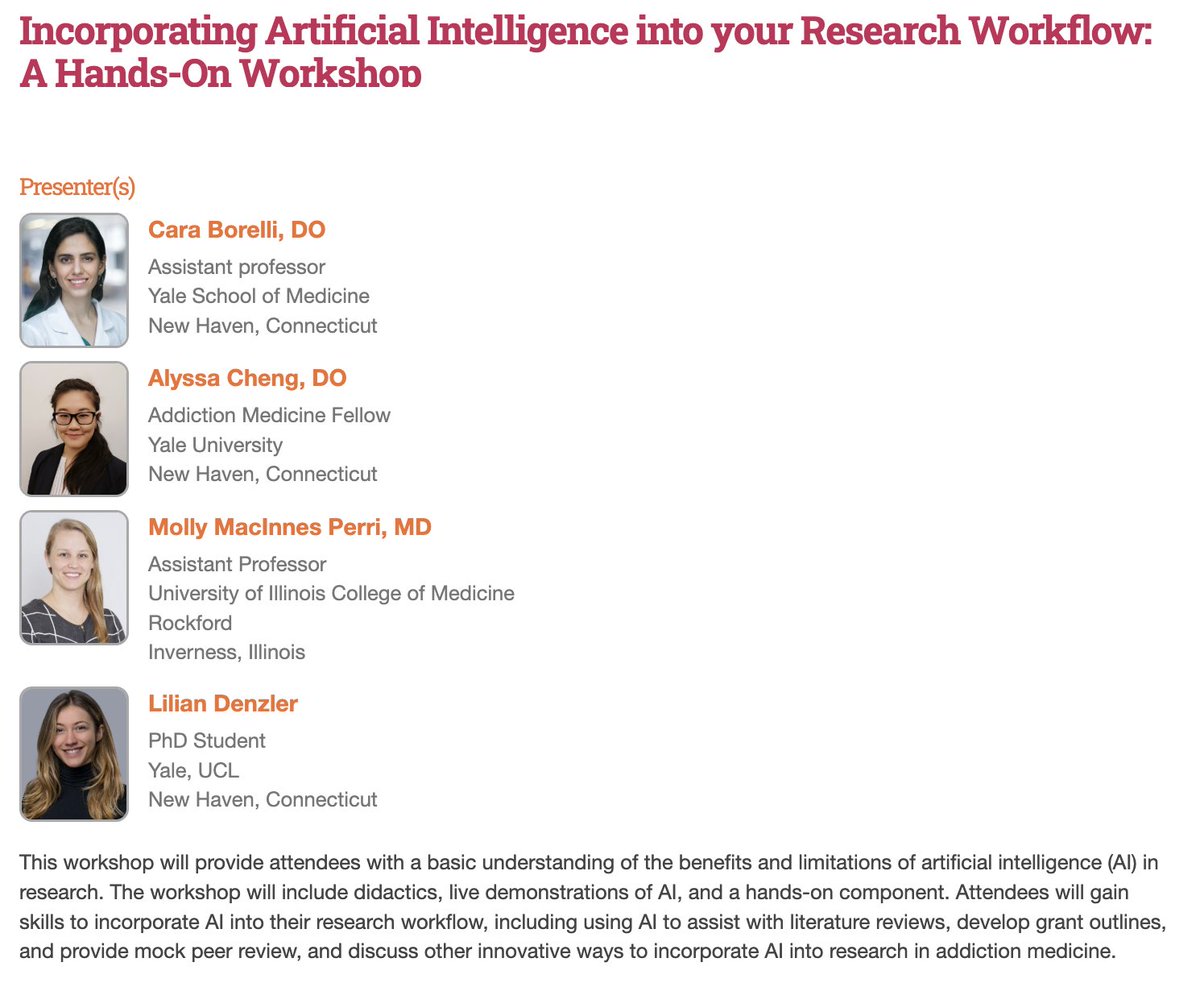
Grateful to have presented 2 workshops at ASAM's annual meeting, one on #AI in addiction medicine research and the other on pediatric addiction consult services. I learned so much from my co-presenters and by attending other sessions that I will incorporate into my teaching!
Excited to celebrate graduation the Yale Addiction Medicine Fellowship Class of 2026! I am so enthusiastic to hear about the work you will go on to do in the field!
@YaleADM
“…unintentional ingestion of the wrong drug due to a non-regulated supply, and the optimal psychedelic for the clinical scenario.
Further research and rigorous FDA approval would help with all of the above.”
As an addiction medicine physician, many of my patients are already self-treating addiction with psychedelics, with varying degrees of success.
However, my concerns include questions regarding dosing, side effects, unknown toxicity of emerging research drugs…”
My latest op-ed discusses common misconceptions about #harmreduction in addiction medicine and the science behind different harm reduction initiatives:
https://t.co/u111i2imPo
Thank you to @TheOpEdProject@fulcrum_us
SB 365: Put Buprenorphine in emergency departments https://t.co/3KjTUmnHmG
Patients requesting treatment with buprenorphine for should not be turned away from ERs
#EmergencyMedicine#OpioidUseDisorder
"Encouraging my patients to be open about the AI suggestions is a far better approach than never finding out my patient had flushed the medication I prescribed down the toilet because the model told them it was dangerous."
https://t.co/lSuhrnRfgc @TheOpEdProject
Thank you @JAMA_current for publishing our educational write-up on methamphetamine use disorder for patients and their families to learn more about treatment options, including medications and contingency management:
https://t.co/qpCv2yTY6m @YaleADM
Methamphetamine (sometimes called meth, ice, speed, or crystal) is a highly addictive stimulant.
📝 This JAMA Patient Page describes the effects of methamphetamine use and types of treatments, general medical care, and harm reduction strategies.
https://t.co/ndhVSEq9Gd
Limitations included that the AI-assisted search did not always adhere to the indexing portion of the prompt and hallucinations occurred, although at times variations on the hallucinations identified new articles.
Interested in using artificial intelligence in medical research? I co-authored this paper on a scoping review using AI versus traditional research methods. Notably, the AI-assisted search strategy & chart review decreased the research time spent by ~90%: https://t.co/tqOac5Oota
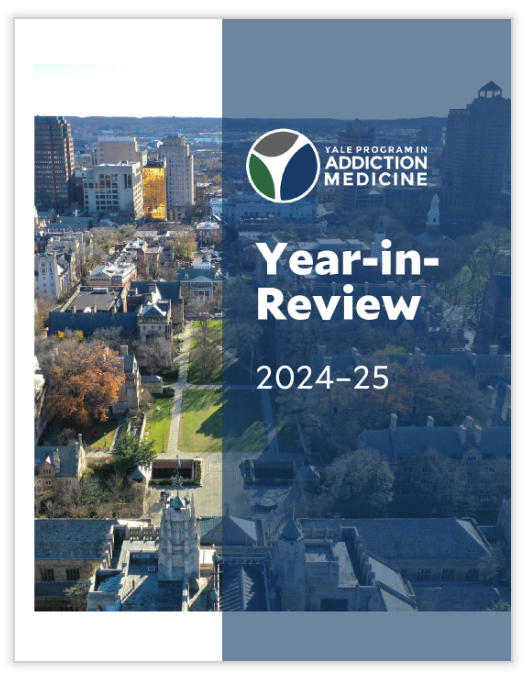
YPAM is pleased to share its inaugural Year-in-Review Report on program activities during the 2024-25 academic year spanning practice, education, research, & policy. Explore the incredible achievements + impact of faculty, staff, trainees, & partners.
🔗 https://t.co/1KDE67fRyJ
"Whether through clinical innovation, teaching the next generation of physicians, or contributing to health policy and quality improvement, my aim is to create pathways that make care more equitable and compassionate." -Dr. John Fomeche
Excited to share this interview with Dr. Fomeche, my mentee, on why he chose our fellowship program and how he sees his career in addiction medicine: "My career goals center on building a practice that is both patient-centered and systems-oriented."
John Fomeche, MD, chose Yale for his addiction medicine fellowship because he wanted to "be part of a community that is unafraid to tackle stigma, committed to equity, and dedicated to transforming how addiction is understood and treated." Read more: https://t.co/AD325fg8yH
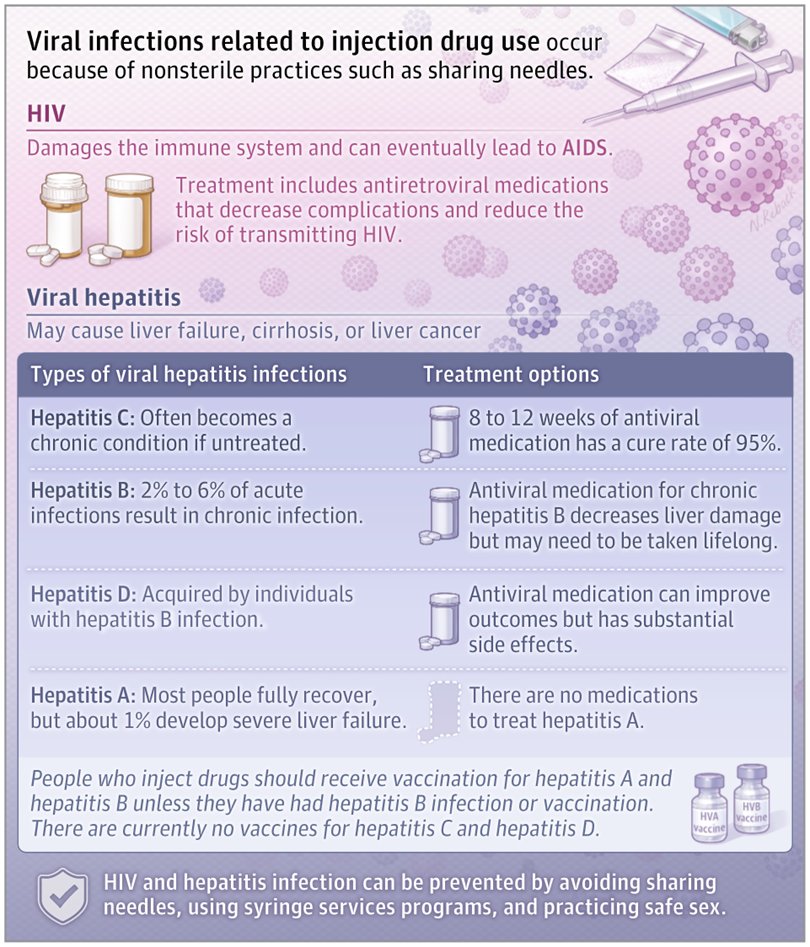
Injection drug use can cause bacterial, fungal, and viral infections.
📝 This JAMA Patient Page describes viral infections that are associated with injection drug use, screening and vaccination practices, and behaviors that reduce risk of infection.
https://t.co/SMg5vIRg0y
"Too often, when patients with opioid use disorder are required to get treatment, they are not offered medications for the disorder...Shockingly, treatment without medication is actually more dangerous than no treatment at all" @nytopinion
https://t.co/YPuuNaeMFB