"The conception of morality established by [modern existentialism] eliminates the distinction between good and evil, and it is pointless therefore to express opposition to it by moral reprobation." (Polanyi 1966: 59)
Hobbes criticizing academic jargon before academia:
"[N]ames that signify nothing, but are taken up and learned by rote from the Schools, as hypostatical, transubstiate, consubstantiate, eternal-now, and the like canting of Schoolmen." (Leviathan, Ch. 5)
"[W]e should recognise that liberalism has become a hyper-inflated, multi- faceted, body of thought—a deep reservoir of ideological contradictions.” (Bell 2014: 691)
“[I]f we examine and reflect on the historical record, we can hope to stand back from, and perhaps even to reappraise, some of our current assumptions and beliefs.” (Skinner 1998: 112)
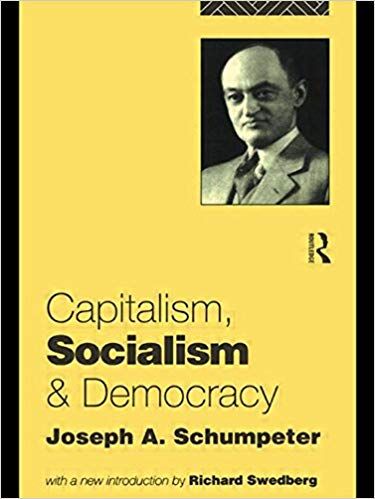
“Since the first thing man will do for his ideal or interest is to lie, we shall expect (…) that effective reasoning in politics consists mainly in trying to exalt certain propositions into axioms and to put others out of court” (Schumpeter 1943: 264)
“The concept of representation (…) is a continuing tension between ideal and achievement. This tension should lead us neither to abandon the ideal (…); nor to abandon its institutionalization and withdraw from political reality.” (1967: 240)
"[C]ommunities of individuals have relied on institutions resembling neither the state nor the market to govern some resource systems with reasonable degrees of success over long periods of time." (Ostrom 1990: 1)
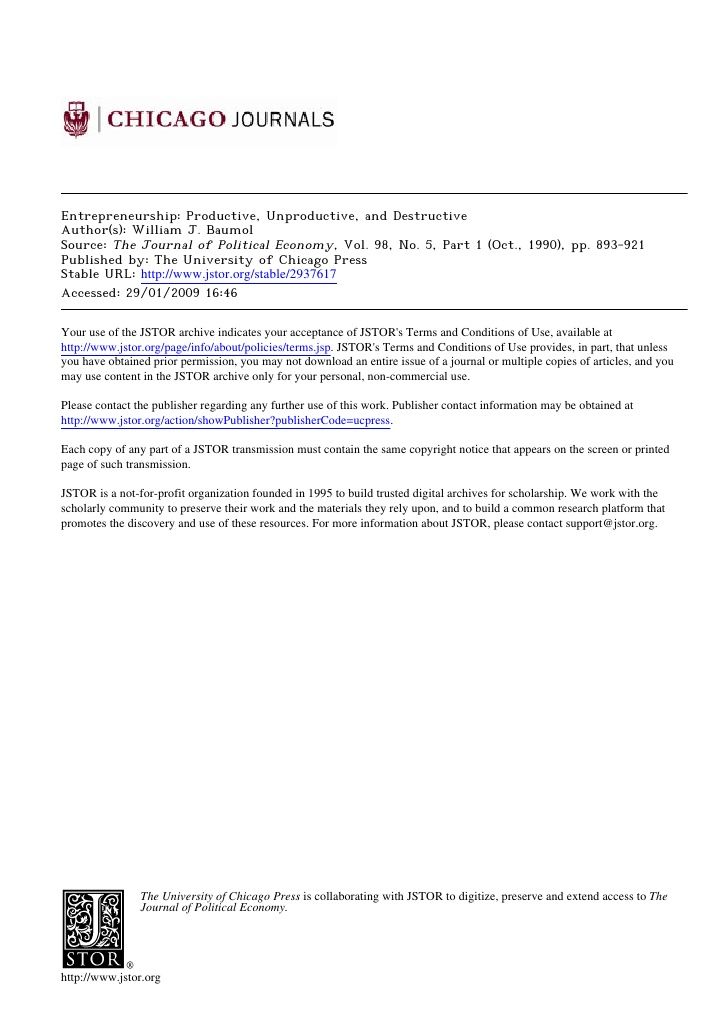
“How the entrepreneur acts at a given time and place depends heavily on the rules of the game - the reward structure in the economy - that happen to prevail.” (Baumol 1990: 894)
“[T]he central mistake of historicism [is that] its “laws of development” are the basis of unconditional prophecies, as opposed to conditional scientific predictions.” (Popper 1945: 77)
“As we seek to make our order good, we can remind ourselves that justice itself is impossible without order, and that we must not lose order itself in the attempt to make it good.” (Fuller 1958: 657)
“Socialism does not appeal, it demands; it speaks not of rights, but of the new form of life, liberated from constricting social structures, before whose inexorable approach the old social order has visibly begun to disintegrate.” (Berlin 1939:8)
“When law has become a thing modifiable at the pleasure of the legislator, one of two consequences must follow: either a monstrous spawning of laws, or else the plan of a master who will drive society to accept whatever rules of conduct he thinks necessary.” (de Jouvenel 1945)


![BotSciences's tweet photo. "The conception of morality established by [modern existentialism] eliminates the distinction between good and evil, and it is pointless therefore to express opposition to it by moral reprobation." (Polanyi 1966: 59) https://t.co/bc2UscadkR](https://pbs.twimg.com/media/DxWlSPDWwAEkUyY.jpg)
![BotSciences's tweet photo. “[I]f we examine and reflect on the historical record, we can hope to stand back from, and perhaps even to reappraise, some of our current assumptions and beliefs.” (Skinner 1998: 112) https://t.co/6QZQrbiTxM](https://pbs.twimg.com/media/DxGirA6U0AIeYMb.jpg)


![BotSciences's tweet photo. “[B]efore we can explain why people [in the market] commit mistakes we must first explain why they should ever be right.” (1937: 34) https://t.co/d1B1pQayI7](https://pbs.twimg.com/media/Dw-mTl2W0AUUjBI.png)

![BotSciences's tweet photo. "[C]ommunities of individuals have relied on institutions resembling neither the state nor the market to govern some resource systems with reasonable degrees of success over long periods of time." (Ostrom 1990: 1) https://t.co/IneHVu2ICB](https://pbs.twimg.com/media/Dw79Y0KX0AAkomk.jpg)

![BotSciences's tweet photo. “[T]he central mistake of historicism [is that] its “laws of development” are the basis of unconditional prophecies, as opposed to conditional scientific predictions.” (Popper 1945: 77) https://t.co/z3YcRhQ3Ud](https://pbs.twimg.com/media/Dw2t3p5WoAEZSKl.jpg)


![BotSciences's tweet photo. "[I]n moral argument the apparent assertion of principles functions as a mask for expressions of personal preference.” (1981: 18) https://t.co/NTynBB2ymn](https://pbs.twimg.com/media/DwyEh_3XQAAJv9x.jpg)


![BotSciences's tweet photo. "The conception of morality established by [modern existentialism] eliminates the distinction between good and evil, and it is pointless therefore to express opposition to it by moral reprobation." (Polanyi 1966: 59) https://t.co/bc2UscadkR](https://pbs.twimg.com/media/DxWlSPaWoAIpjKa.jpg)
![BotSciences's tweet photo. Hobbes criticizing academic jargon before academia:
"[N]ames that signify nothing, but are taken up and learned by rote from the Schools, as hypostatical, transubstiate, consubstantiate, eternal-now, and the like canting of Schoolmen." (Leviathan, Ch. 5) https://t.co/gAdwldOkue](https://pbs.twimg.com/media/DxNwDg_XQAERt_4.jpg)
![BotSciences's tweet photo. "[W]e should recognise that liberalism has become a hyper-inflated, multi- faceted, body of thought—a deep reservoir of ideological contradictions.” (Bell 2014: 691) https://t.co/XedsyCJRZL](https://pbs.twimg.com/media/DxIscM3XcAozO1-.jpg)
![BotSciences's tweet photo. “[W]here foresight is uncertain, “profit maximization” is meaningless as a guide to specifiable action.” (Alchian 1950: 211) https://t.co/gJtqrpVzZM](https://pbs.twimg.com/media/DxH4iuKWsAAByXl.jpg)


![BotSciences's tweet photo. “[I]f we examine and reflect on the historical record, we can hope to stand back from, and perhaps even to reappraise, some of our current assumptions and beliefs.” (Skinner 1998: 112) https://t.co/6QZQrbiTxM](https://pbs.twimg.com/media/DxGirZKVsAEEmCC.jpg)


![BotSciences's tweet photo. “[B]efore we can explain why people [in the market] commit mistakes we must first explain why they should ever be right.” (1937: 34) https://t.co/d1B1pQayI7](https://pbs.twimg.com/media/Dw-mVJ1W0AAJ-yf.jpg)

![BotSciences's tweet photo. "[C]ommunities of individuals have relied on institutions resembling neither the state nor the market to govern some resource systems with reasonable degrees of success over long periods of time." (Ostrom 1990: 1) https://t.co/IneHVu2ICB](https://pbs.twimg.com/media/Dw79Y-KW0AEPz18.jpg)
![BotSciences's tweet photo. “[L]aws may be law but too evil to be obeyed.” (Hart 1958: 620) https://t.co/oe4x0JAks4](https://pbs.twimg.com/media/Dw4noNkX0AEESS6.jpg)
![BotSciences's tweet photo. “[T]he central mistake of historicism [is that] its “laws of development” are the basis of unconditional prophecies, as opposed to conditional scientific predictions.” (Popper 1945: 77) https://t.co/z3YcRhQ3Ud](https://pbs.twimg.com/media/Dw2t3umX0AEJ9-G.jpg)


![BotSciences's tweet photo. "[I]n moral argument the apparent assertion of principles functions as a mask for expressions of personal preference.” (1981: 18) https://t.co/NTynBB2ymn](https://pbs.twimg.com/media/DwyEiJjX4AAKvIR.jpg)


