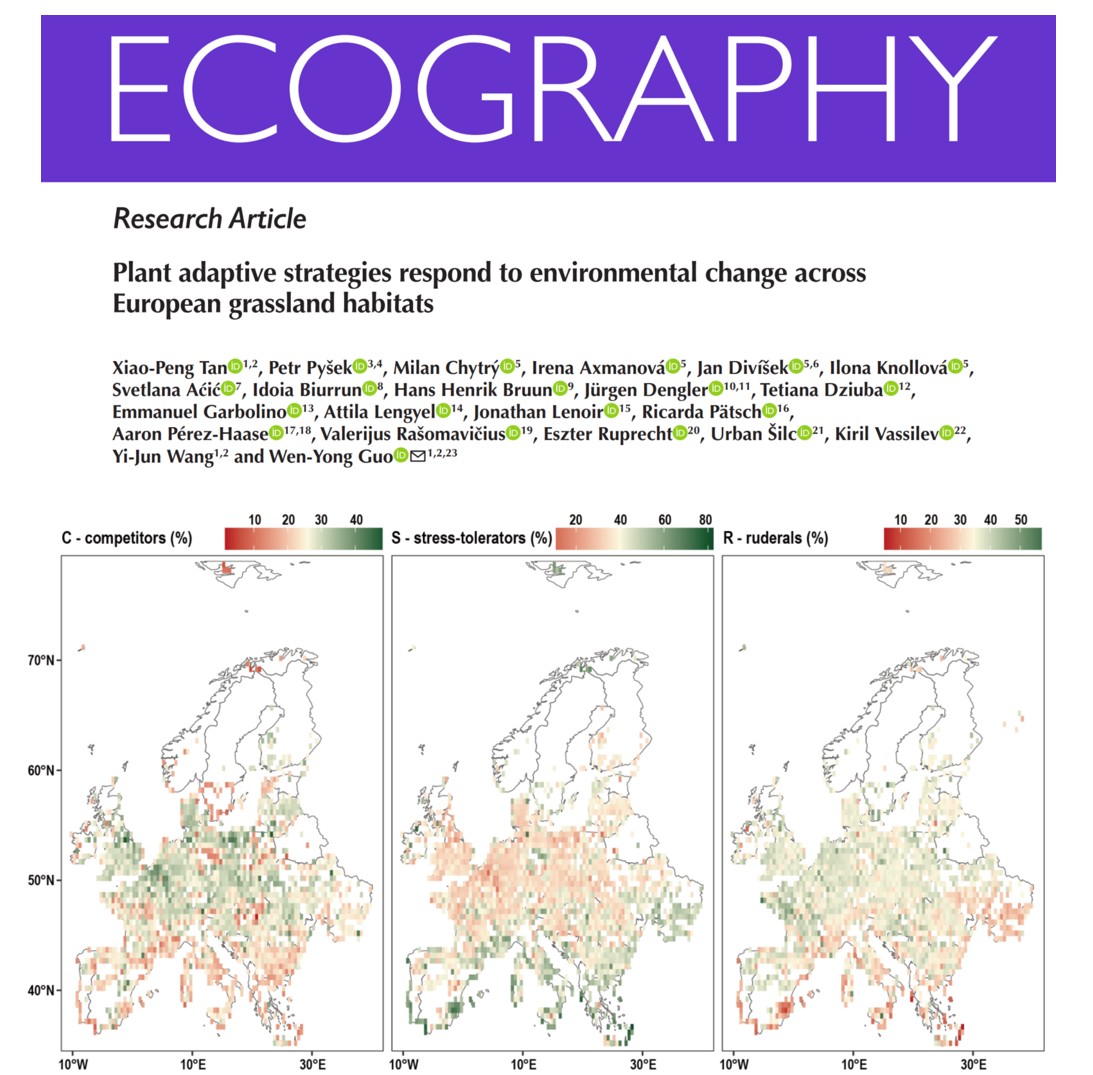
Our new study, led by Xiao-Peng Tan, maps the distribution of plant strategies across European grasslands and projects how current patterns will be affected by ongoing climate change.
Open-access article: https://t.co/9N99rf4u1u
@EcographyJourna
The first comprehensive analysis of vegetation changes across Europe, based on the ReSurveyEurope dataset, is out! In an article led by Stephan Kambach, we analyzed 57,390 time series of vegetation plots. https://t.co/LQIjuICQW0
Our new study, led by Marc Riera, compares European niches and habitat relationships of alien plant species introduced intentionally or unintentionally. https://t.co/hAcQ6OJX3d
Our new article in Science Advances, led by Gabriele Midolo, identifies the main factors driving changes in the species composition of plant communities across Europe: eutrophication, denser, more productive vegetation, and drying of wetlands. https://t.co/ZBTCKVFkFm
OSCARS (Open Science Clusters' Action for Research & Society) is funded by European Commission’s Horizon Europe Research and Innovation programme https://t.co/E1OyfnTJPb.
Check out poster https://t.co/UHGcCR3YEc and the first-year project results https://t.co/k8QyjxSqgg
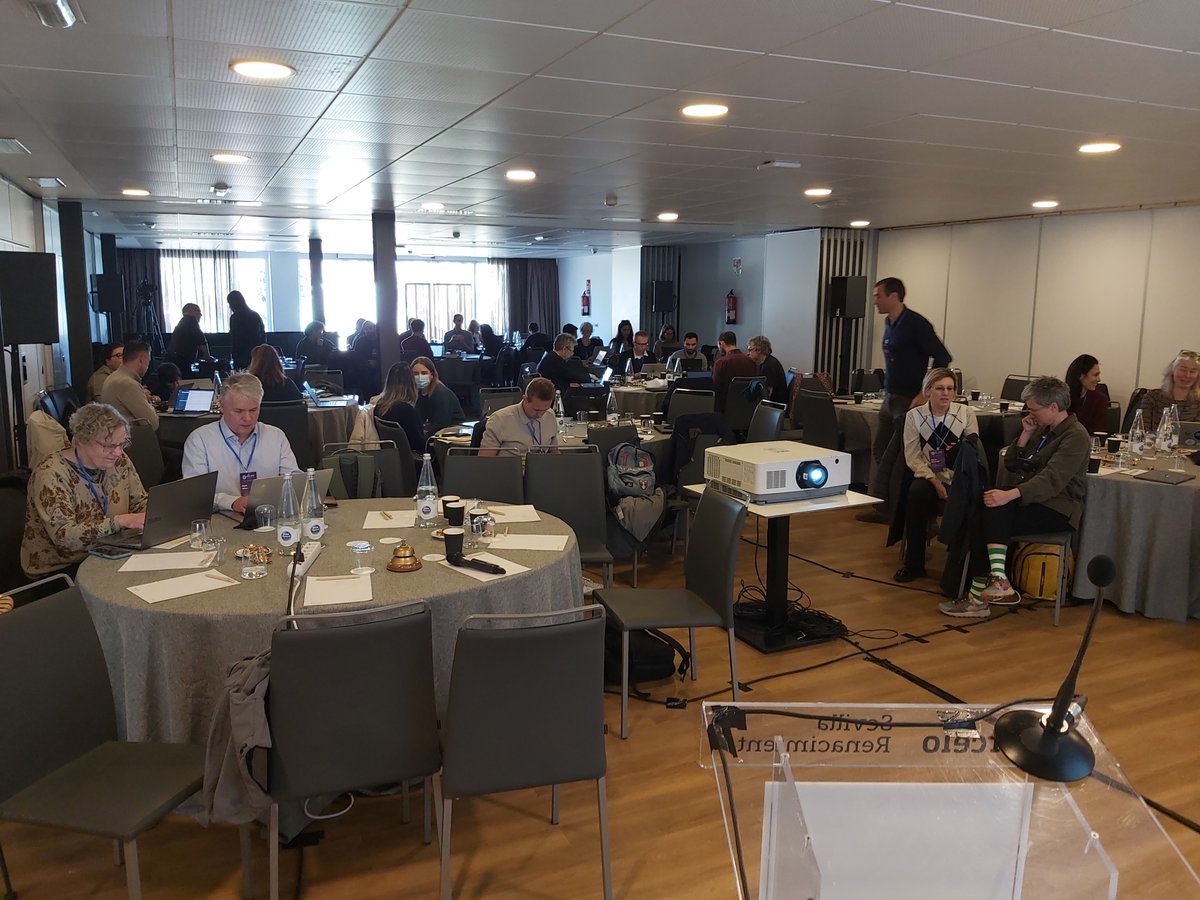
Last week Martin Večeřa participated in 2nd OSCARS Annual General Meeting in Seville. He presented interim results of project Implementing FAIR principles in European Vegetation Archive data (EVA-FAIR).
By applying FEVER index we reconstructed how Central European wetlands evolved through time:
Early periods: dominated by aquatic habitats and fens,
Middle Holocene: expansion of waterlogged forests and bogs,
Last 2,000 years: return of open fens and rise of wet grasslands.
What did Europe’s wetlands look like 15,000 years ago and how have they become what we see today?🌿
Our new study introduces a way to identify entire past habitats using plant macrofossils and large vegetation databases @VegetPaleo@Science_USB@CTS_uk_av
https://t.co/ygop4zOoFx
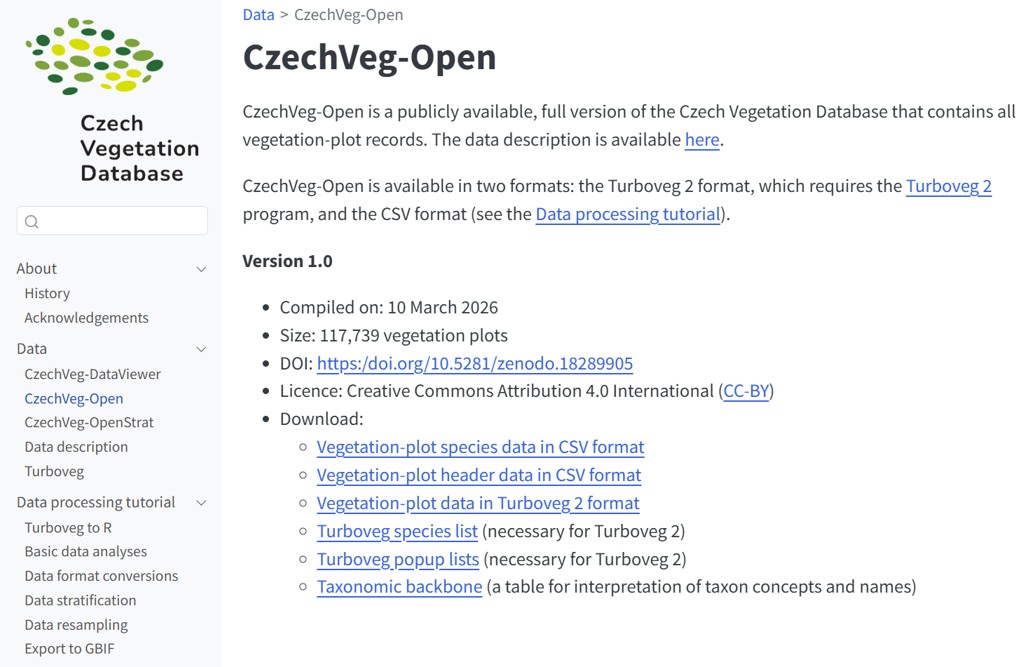
After publishing species occurrence data in GBIF, we have now also made available online 117,739 vegetation plots from the Czech Vegetation Database in CSV and Turboveg formats, complemented with a data processing tutorial.
https://t.co/jSBRMTkXbc
We have just published 2,474,166 records of plant species occurrences from the Czech Vegetation Database in GBIF: https://t.co/YnlHw5f5Iq
These records represent 74% of the plant occurrence data and 30% of all organism occurrence data in the GBIF database for the Czech Republic.
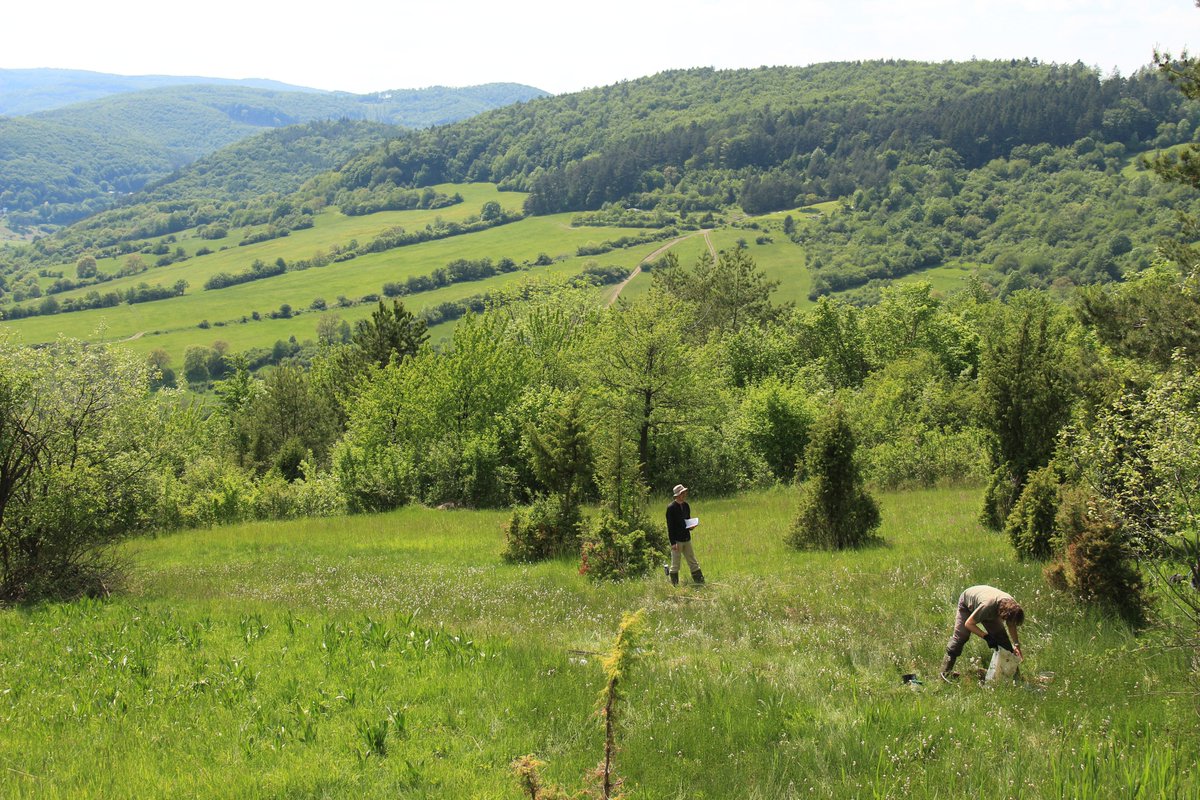
We are proud of Martin Večeřa, who received TACR project from Environment for life 2 program called Steppic grasslands of Southern Moravia – an analysis of current state, development, and resources for ecological restoration
https://t.co/7XdUbFXB4M
#botany#grassland#Moravia
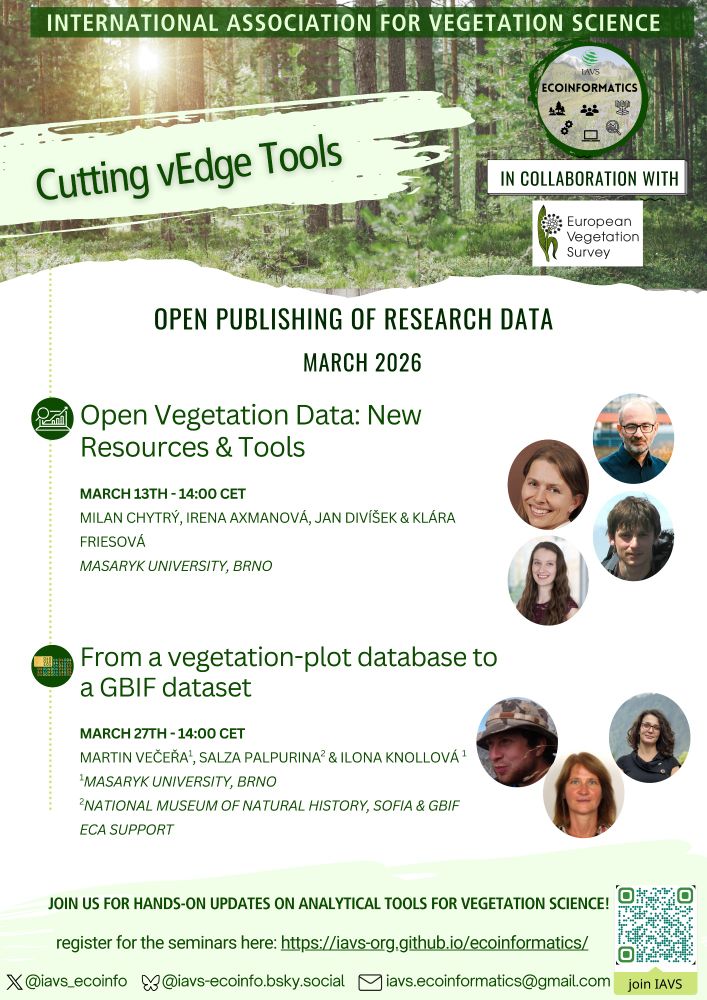
In two webinars on 13 and 27 March, we will present tools for open publishing of vegetation data, using the example of the Czech Vegetation Database (>117,000 vegetation plots), which goes fully open!
Registration for 17 March:
https://t.co/BAvwrvaNN4
A new paper led by Joshua Erkelenz has been published in the Journal of Vegetation Science! We showed how elevation, slope aspect, and tree canopy filter the understory functional composition in broadleaved forests in the Apennines.
https://t.co/TjSaIZXQ68
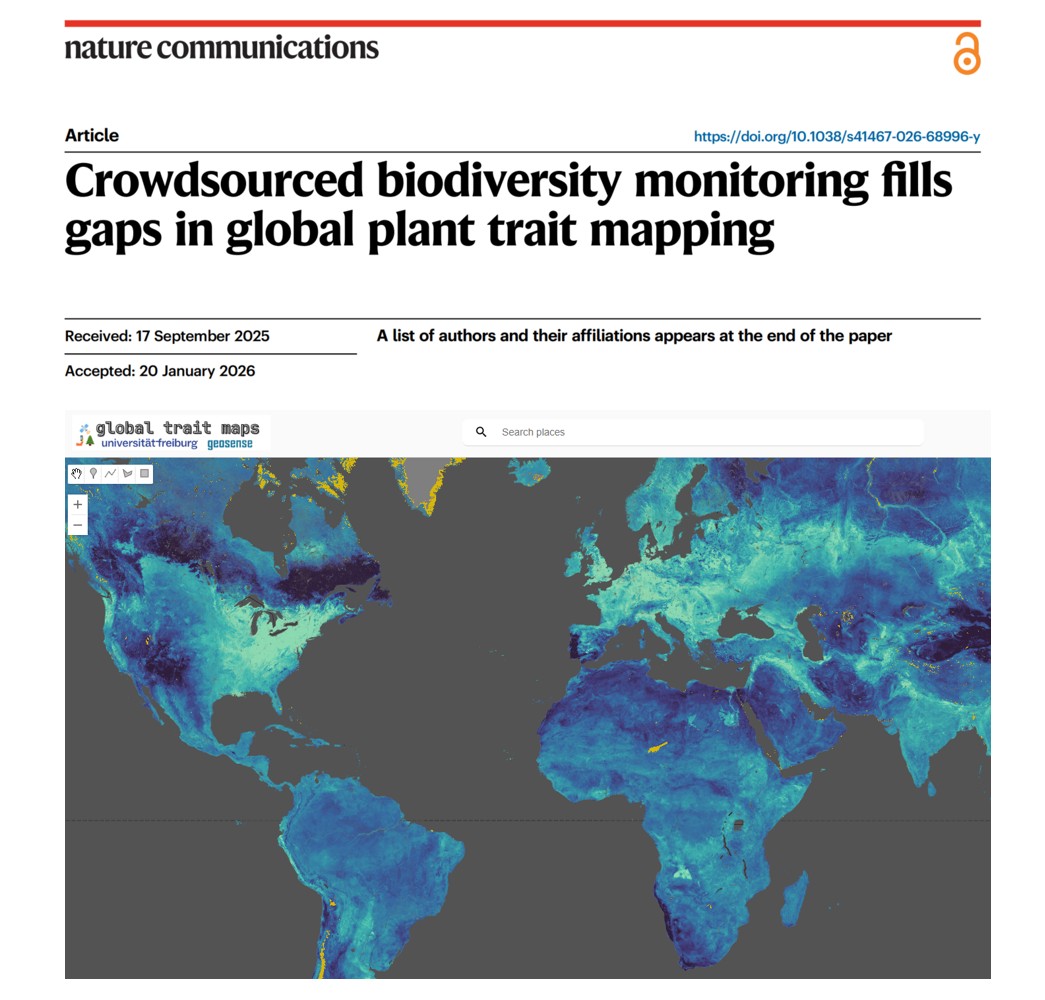
New interactive global maps of 31 plant traits were prepared by Daniel Lusk, based on plant distribution data from GBIF and sPlot, plant trait data from TRY, and various satellite-based products.
Map viewer: https://t.co/aXiu0M8fLa
Article: https://t.co/lBHaRDu0dj
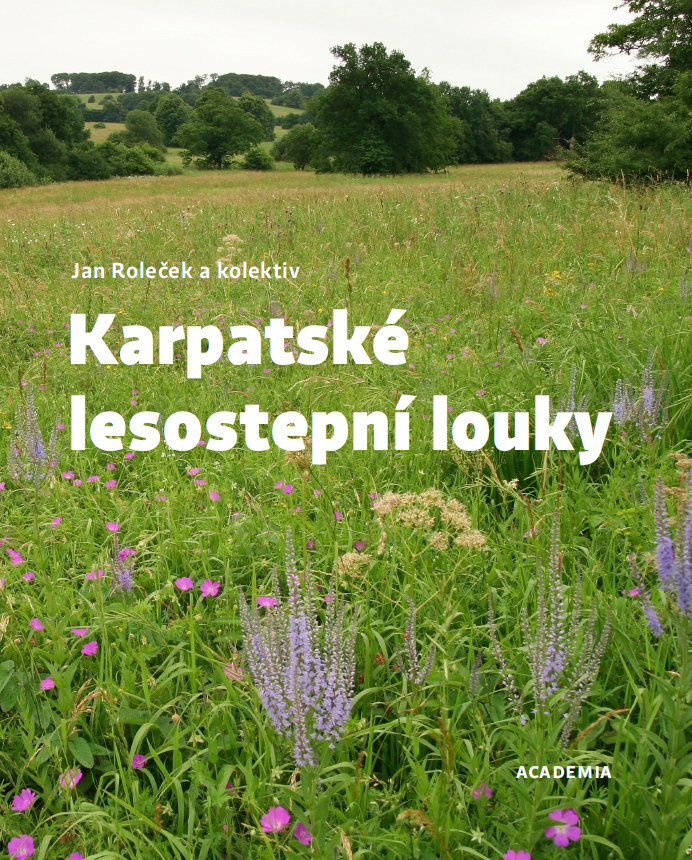
Publikace přináší ucelený pohled na vegetaci, druhovou pestrost a vývoj lesostepních luk na okraji Karpat od konce poslední doby ledové až po současnost. Opírá se o rozsáhlý terénní výzkum, dlouhodobá data i kritickou syntézu dosavadních poznatků.
https://t.co/6VRoaL8I1U
Právě vyšla monografie Karpatské lesostepní louky, která se věnuje jednomu z nejbohatších ekosystémů střední Evropy. Autorem knihy je Jan Roleček s kolektivem autorů z Botanického ústavu AV ČR, Masarykovy univerzity a dalších českých univerzit.
@NaklAcademia@IBOTCZ