The world’s largest public directories of bots, networks, data centers, ads & trackers. Utterly unmatched in depth, research, organization, and verification.
The ClickUp data leak shows that they put money over customer security for over a year.
A ($)4B company left customer emails, internal feature flags, and sensitive configuration data exposed after the issue was reportedly disclosed in January 2025.
https://t.co/o5n3kPBHJz
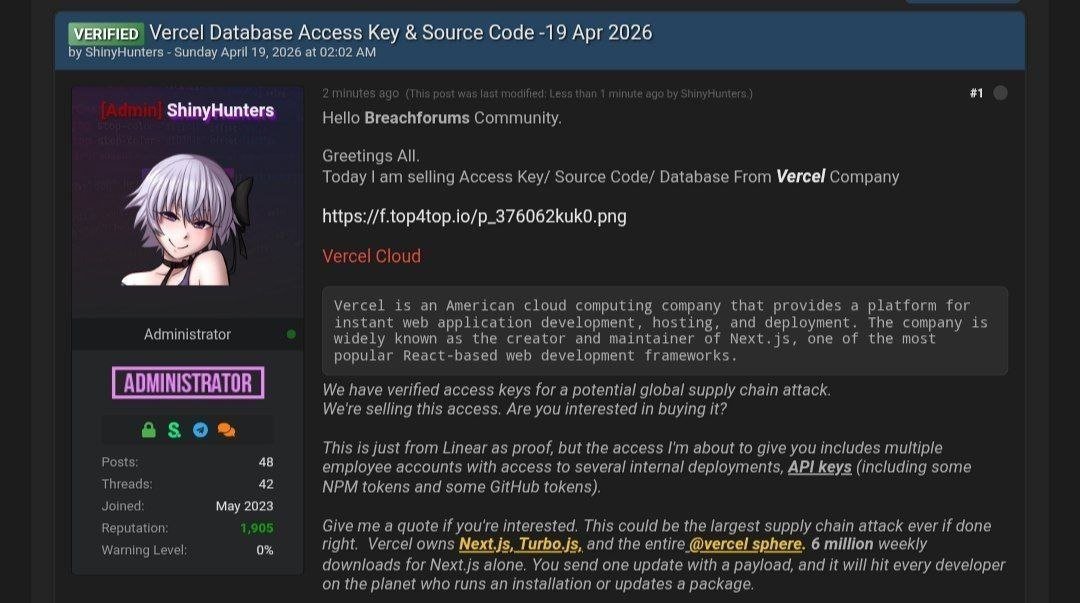
Vercel, a company backed by a publicly homophobic investor, just got breached and left customers rotating secrets after a third-party AI OAuth compromise hit internal systems. Full article: https://t.co/ZNFXEzbwgA
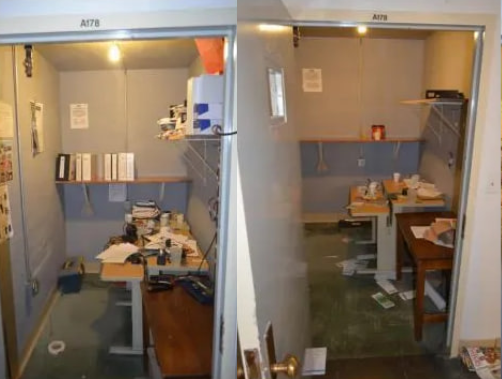
Two inmates ran a hidden cybercrime operation from inside Marion Correctional Institution for months.
According to Ohio's Inspector General, they were assigned to a prison recycling program that handled old computers.
Instead of just dismantling them, inmate Adam Johnston said he and Scott Spriggs used parts from those machines to build working PCs.
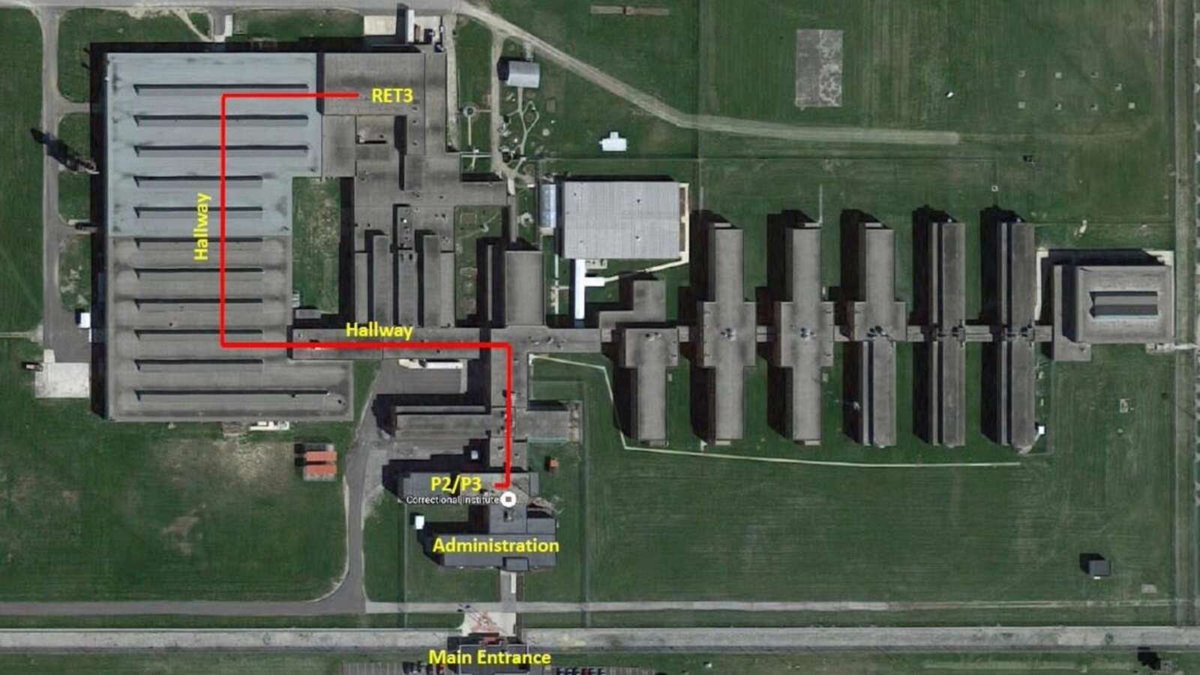
They moved the computers about 1,100 feet across the prison, past a corrections officer, through a crash gate with a metal detector, and up an elevator.
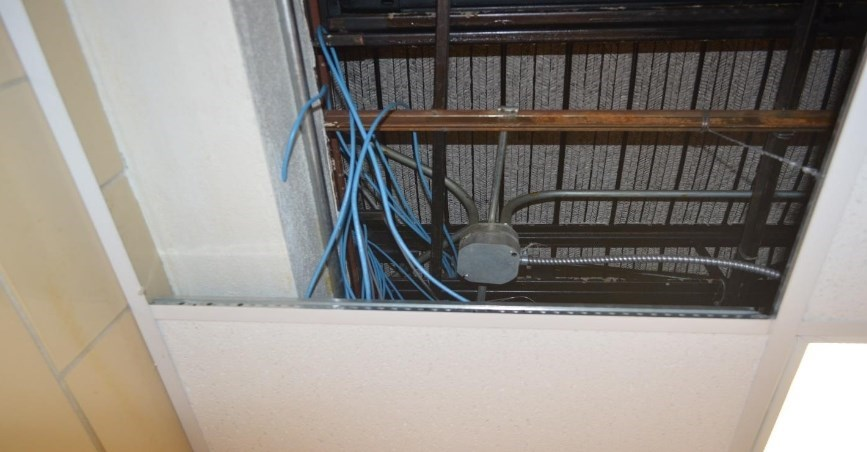
Then they hid the machines on plywood boards above a closet ceiling in a training room.
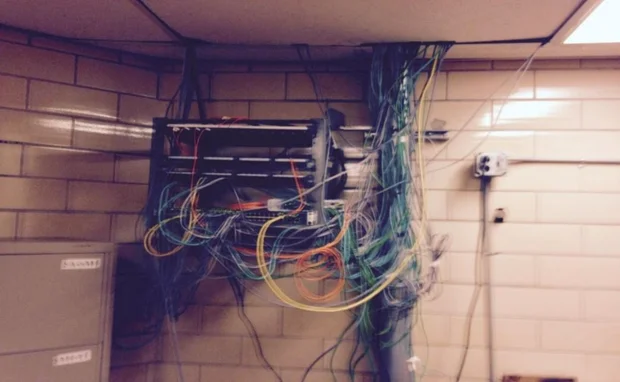
They ran cables from the ceiling into the prison's own network.
Johnston told investigators he got a staff member's password by watching him type it.
Using that access, he entered DOTS, pulled another inmate's Social Security number and date of birth, and applied for credit and debit cards in that inmate's name.
He also admitted he was planning to use the cards for fraudulent tax returns.
Investigators said the hidden computers were also used to search inmate records and create passes for access to restricted areas.
ODAS investigators found what they described as a "large hacker's toolkit" on the drives, including Wireshark, Nmap, Tor-related software, VPN tools, Zed Attack Proxy, THC Hydra, and Kali Linux.
They also found evidence pointing to bitcoin wallets, Stripe accounts, bank accounts, and credit card accounts.
The operation only came to light after one of the machines used enough bandwidth to trigger a Websense alert.
What makes the story worse is that prison staff already had warning signs before the computers were physically found.
The report says multiple people knew suspicious activity was happening under a former employee's credentials, including on days he was not even working.
Even after the machines were found, investigators said the scene was not properly secured and inmates were allowed to remove the computers from the ceiling.
This was not just a bizarre prison contraband story.
It was a prison network abuse and fraud operation built from recycled hardware, hidden above a ceiling, and kept alive by lax supervision, weak password practices, and a prison that gave inmates far too much room to operate.
Read More: https://t.co/Y0O7oiEbqW


![Botcrawl's tweet photo. The Vercel Data Breach Traces Back to a Racist Gooner Context[.]ai Employee https://t.co/7nT9wd08sI https://t.co/Fa6E6aaZ3k](https://pbs.twimg.com/media/HGZrPZdasAAJN4w.jpg)








![Botcrawl's tweet photo. The Vercel Data Breach Traces Back to a Racist Gooner Context[.]ai Employee https://t.co/7nT9wd08sI https://t.co/Fa6E6aaZ3k](https://pbs.twimg.com/media/HGZrQGPbEAAnkwJ.jpg)