The Gulf Research Center is pleased to announce that we will be holding the 16th Gulf Research Meeting (GRM) from July 21-23, 2026, in Cambridge, #UK. The Call for Workshop Proposals has now been issued, and we are keen to receive numerous high quality proposals.
Access the Call for Workshop Proposals using the following link: https://t.co/buhNU9CO3E
Click here to submit your Workshop Proposal Application: https://t.co/ZbdNrRRQwo
The deadline for the receipt of proposals is September 29, 2025.
The Gulf Research Center (GRC) seeks to invite scholars and specialists to apply to direct a workshop focusing on societies and #culture, #economies, #politics, international relations, defense and #security, #energy, sustainable development, and #environment.
A number of topics for which we specifically like to receive proposals are listed on the call poster. However, it is important to stress that the Call is open to any topic in the social sciences and is not limited to the topics listed on the poster.
#GRM2026 #GulfResearchMeeting #Cambridge #GRC
Huge, under-discussed storyline in Washington is the collapse in relations between the two greatest powers in the Western hemisphere. There's no line of communication between Trump and Lula, and the White House is sorely mistaken if they think their pressure will free Bolsonaro.
Spoke to @sgreports about why Iran’s leaders are pursuing nuclear talks even if they believe they can “resist” Trump’s maximum pressure policies.
It’s the pace of development that matters. Under sanctions, Iran is being left behind by its regional peers.
https://t.co/TDBXBumACu
The Trump administration has issued GL 25, effectively lifting sanctions on Syria in a single executive action.
This is an extraordinary move. USG has historically approached sanctions relief with complicated, incremental methods.
This one big step could make a big difference.
As USAID exits Central Asia, leaders aren’t panicking—they’re recalibrating.
@Jordanova_An explores how regional governments are finding opportunity in the shift.
https://t.co/GDTyY2Ezul
#CentralAsia#USAID#development#aidcuts
Gulf investors are scaling up solar projects across Egypt, Jordan, and Morocco—deepening their regional energy footprint.
New analysis by @AshrafAbde51259 via our blog:
https://t.co/CKQCQoaBKe
Afghanistan is pushing ahead with road and rail projects to improve regional connectivity—from Khaf-Herat to the Five Nations Transit Corridor.
Sharp new piece by Nargiza Umarova on our blog:
https://t.co/lIqK2ITtJ0
As the Taliban tries to attract foreign investment, it's pitching Afghanistan as a regional transit hub.
In this new analysis for @BourseBazaar, Nargiza Umarova looks at the wide range of road and rail projects being pursued by Afghanistan's neighbors.
https://t.co/wTyz79o9fs
How is Iraq adapting to Syria’s post-Assad transformation?
@frencio_schiavi examines Iraq’s careful recalibration of foreign and security policy in response to regional change.
https://t.co/m5IlO4dS7l
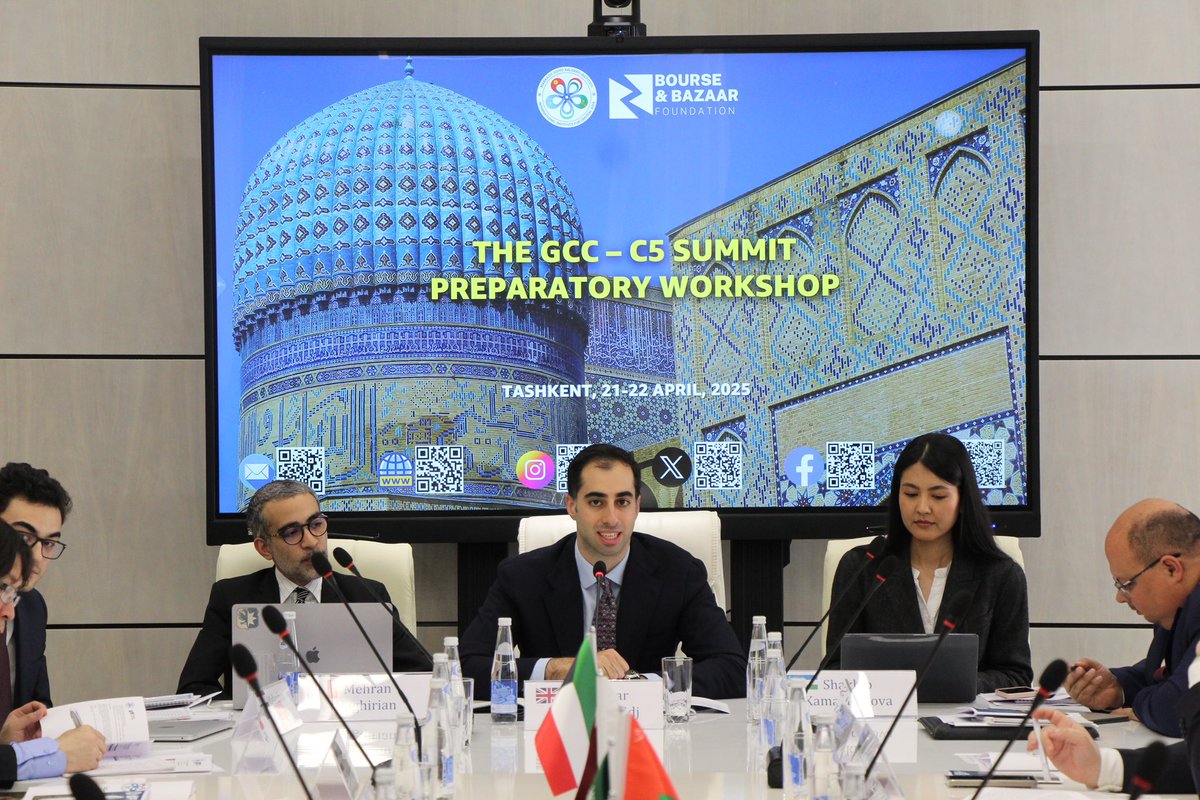
🇺🇿 Proud to have taken part in the discussions preparing for the 2nd edition of the GCC-C5 Summit -to be held next week in Uzbekistan-, and where I covered energy cooperation between the GCC and Central Asia.
Grateful for the invitation @BourseBazaar@IICAinTashkent & for new friendships across both regions.
رهبر ج.ا: «وقتی که امام حسن مجتبی صلح کردند با معاویه، یک عدهای میآمدند گله میکردند و اعتراض میکردند. حضرت میفرمودند موقت است... این تسلّط کفر و نفاق، بنا نیست دائمی باشد.»
بین سطور:
۱- طبیعتا باز «صلح امام حسن»
۲- وعده «موقت» بودن سازش
۳- اذعان به «تسلط» دشمن
ادامه: «کوتاهیهای ما، یک جا دهنلقّیمان، یک جا کمک نکردنمان، یک جا اعتراض کردن بیخودیمان، یک جا صبر نکردنمان، یک جا تحلیل غلطی که از اوضاع میکنیم، گاهی تأثیر میگذارد [بر محقق نشدن اهداف].»
بین سطور:
۱- منع مطلعین�� پشتپردهها از «دهنلقّی»
۲- منع خودیهای بلاتکلیف از «تحلیل غلط»
۳- منع نونهالانِ توجیه نشده از «اعتراض بیخودی»
... و قس علی هذا.
1. In 2022, I wrote a thread suggesting that West Asia was in a "deep crisis."
I now believe the crisis is over...
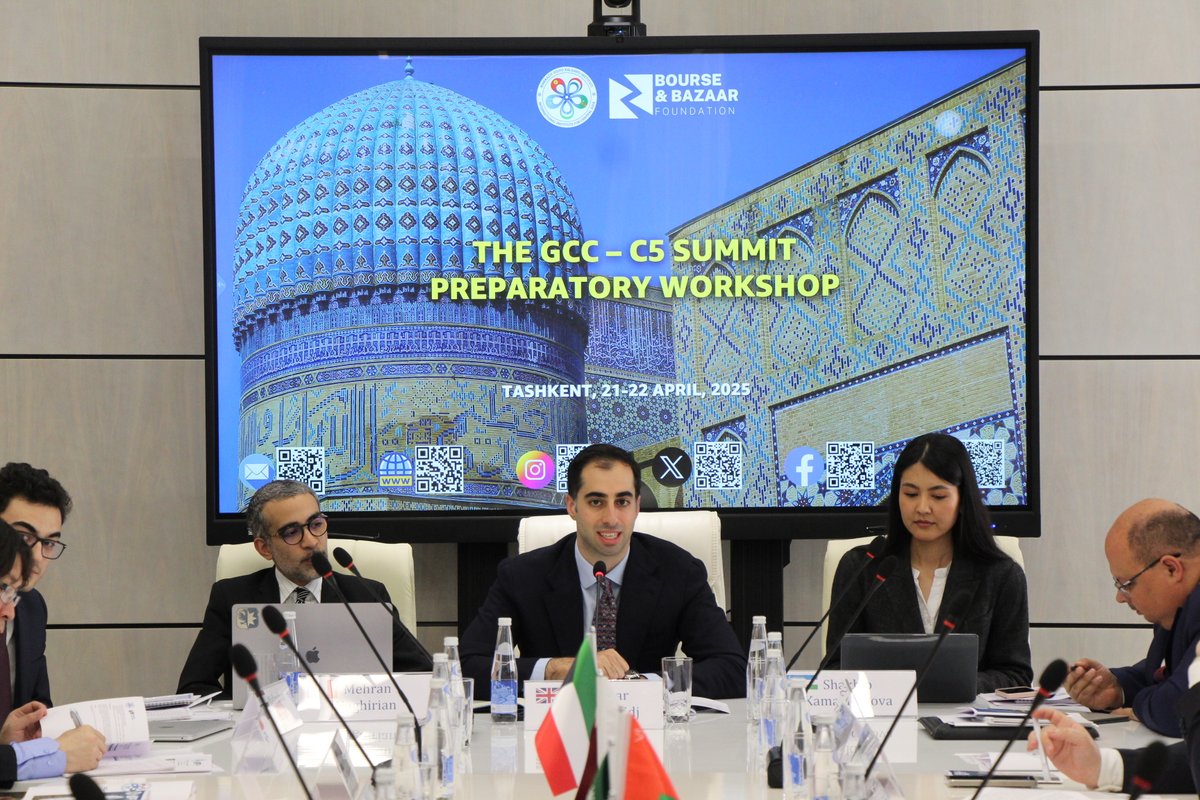
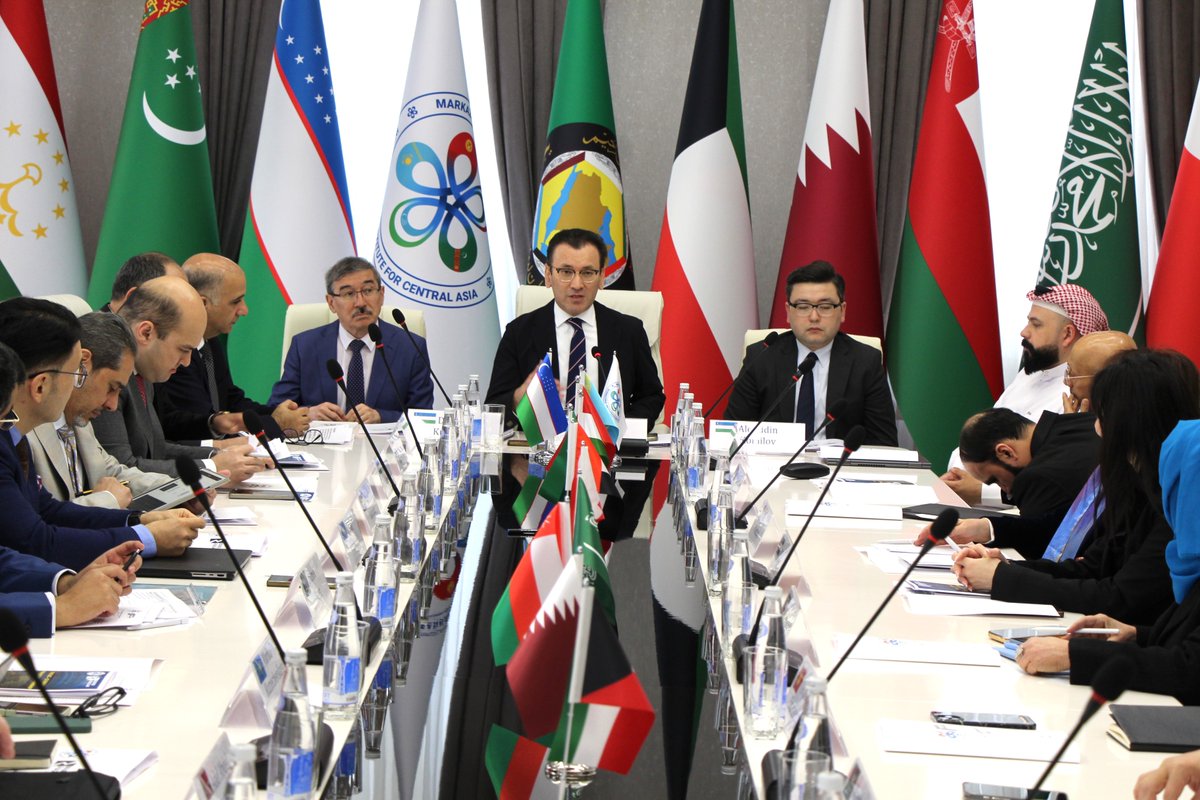
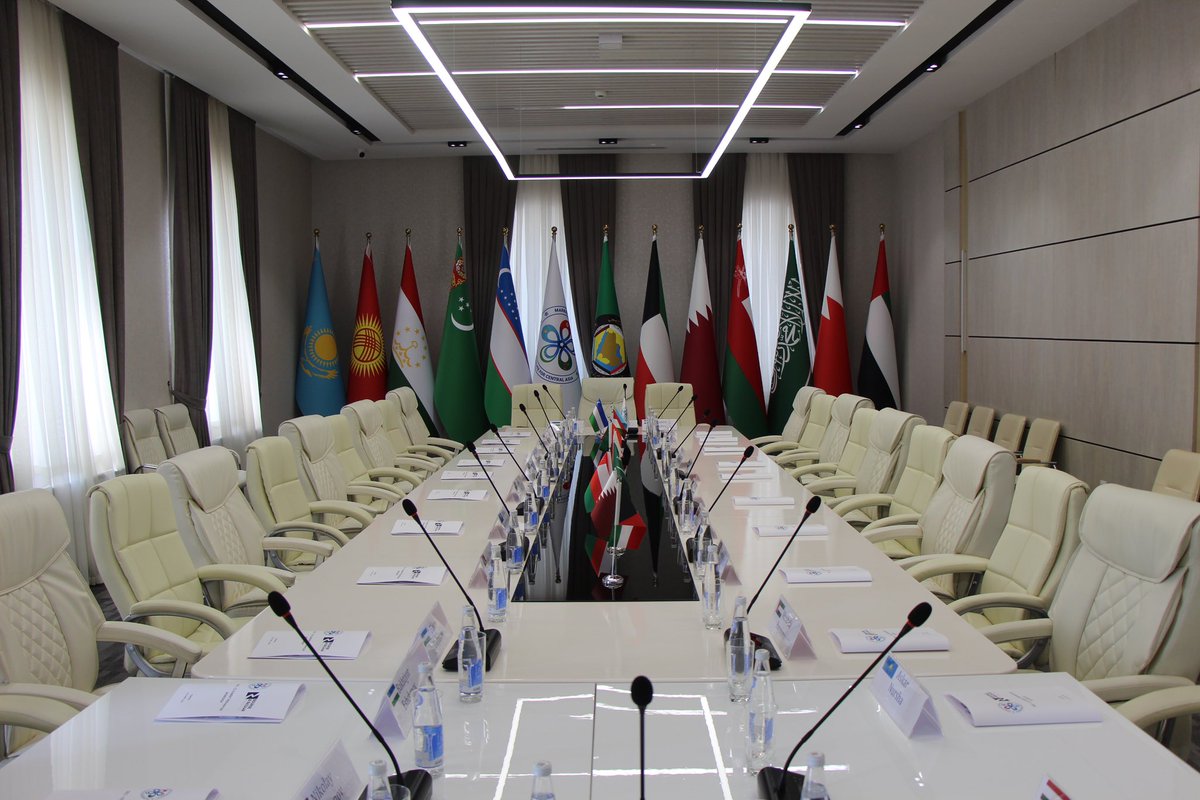
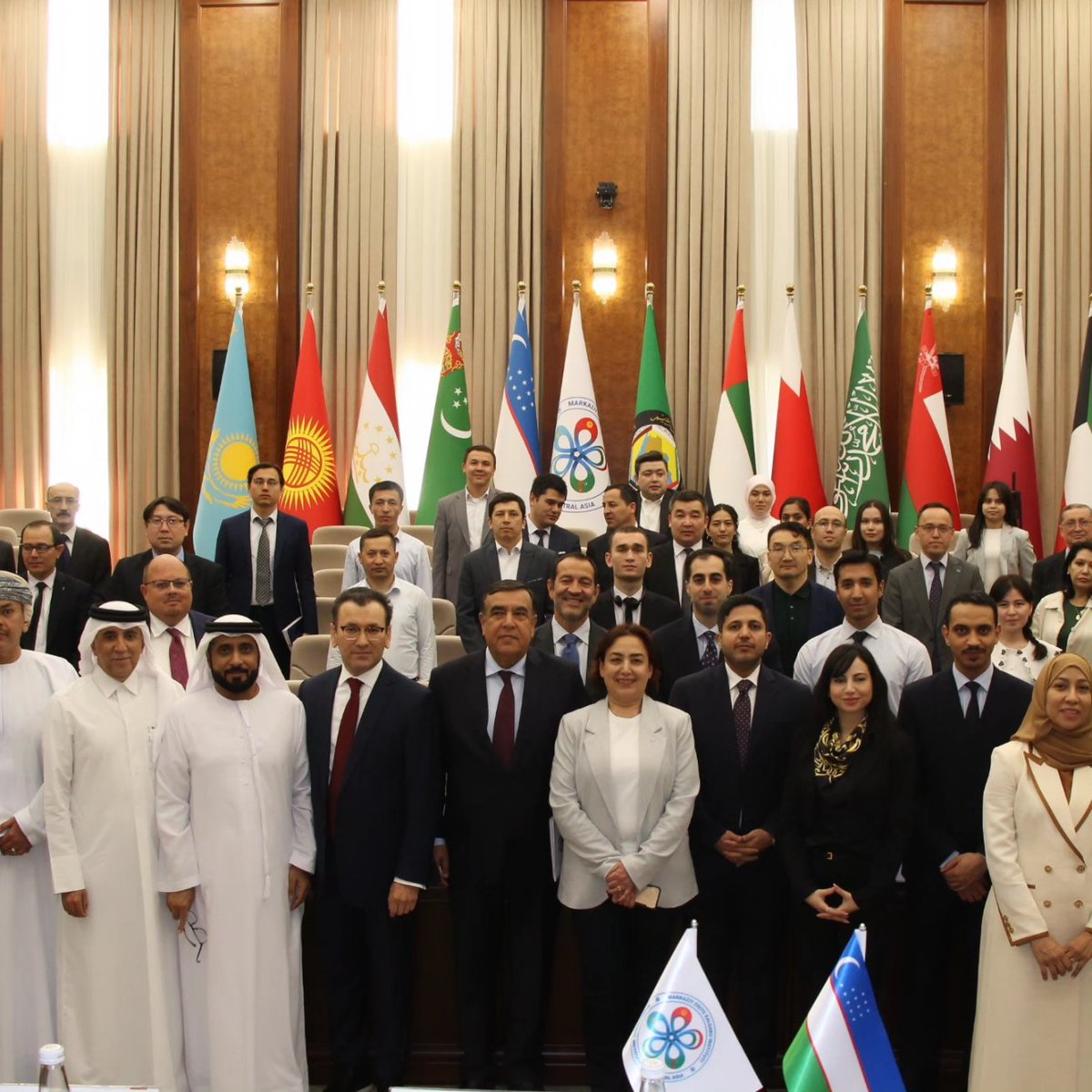
This week @BourseBazaar + @IICAinTashkent held the first-ever meeting of policy experts in the GCC-C5 format. This was an example of regional diplomacy in action.
Just wrapped up two days of intense debates and focused discussions with some of the best in the think tank community, business, academia, and all those who are tirelessly and selflessly working to build bridges between Central Asia and the Gulf.
In anticipation of the Second Central Asia–GCC (@GCC) Leaders' Summit this May in Samarkand, The International Institute for Central Asia (@IICAinTashkent), together with the London-based Bourse & Bazaar Foundation (@BourseBazaar), convened this first-ever GCC-C5 Think Tank Forum on interregional cooperation.
And what we’ve seen is encouraging: across seven sessions, over forty voices—experts, entrepreneurs, and policy thinkers - converged on a single idea: to shape a shared vision of two regions—rich in history and full of potential—coming together to build a more connected, more resilient, and more prosperous future.
We explored the possibilities of harmonizing legal frameworks, of deepening security ties, and of investing in our people through education and cultural exchange. We talked about infrastructure, about clean energy, and about creating the conditions for private enterprise to thrive. And through it all, one thing became clear: this isn’t just about strategy—it’s about shared responsibility.
This forum was about laying the foundations for something lasting. Concrete proposals were put forward—clear and actionable steps to transform regional cooperation from aspiration into reality. In that spirit, the outcomes of our discussions will be shared with our respective governments, business leaders, and academic institutions—so that what began here as dialogue becomes policy, and what began as ideas becomes tangible progress.
I thank all participants from Central Asia and the Gulf who have made the journey to join the Forum filled with engaging presentations, dynamic and lively discussions, and practical guidelines for advancing economic integration between the countries of Central Asia and the Gulf Cooperation Council.
I’m also grateful to our valued partner, the Bourse & Bazaar Foundation, particularly its founder and CEO, Esfandyar Batmanghelidj (@yarbatman), for the active and productive collaboration in organizing this timely event.
Had the pleasure of giving a guest lecture at Uzbekistan’s diplomatic academy, the University of World Economy and Diplomacy, last Friday.
I examined the indirect effects of US economic sanctions on Central Asia—a “sanctions-locked” region.
The students were really sharp!
Syria’s civil society is stuck between a rock and a hard place—failing infrastructure, vanishing aid, and sanctions that do more to freeze progress than drive reform.
My latest piece via @BourseBazaar
https://t.co/x4fvux5YBc
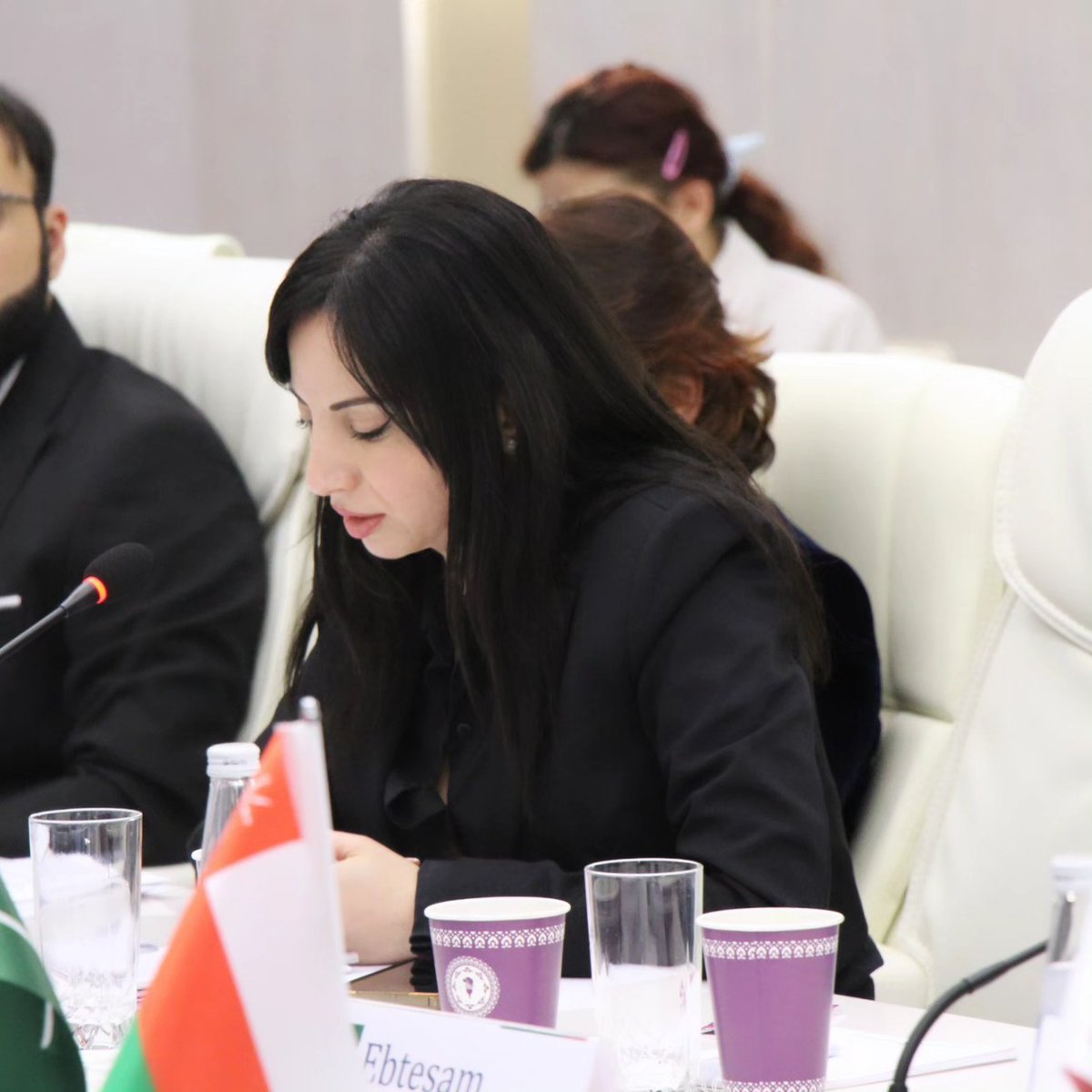
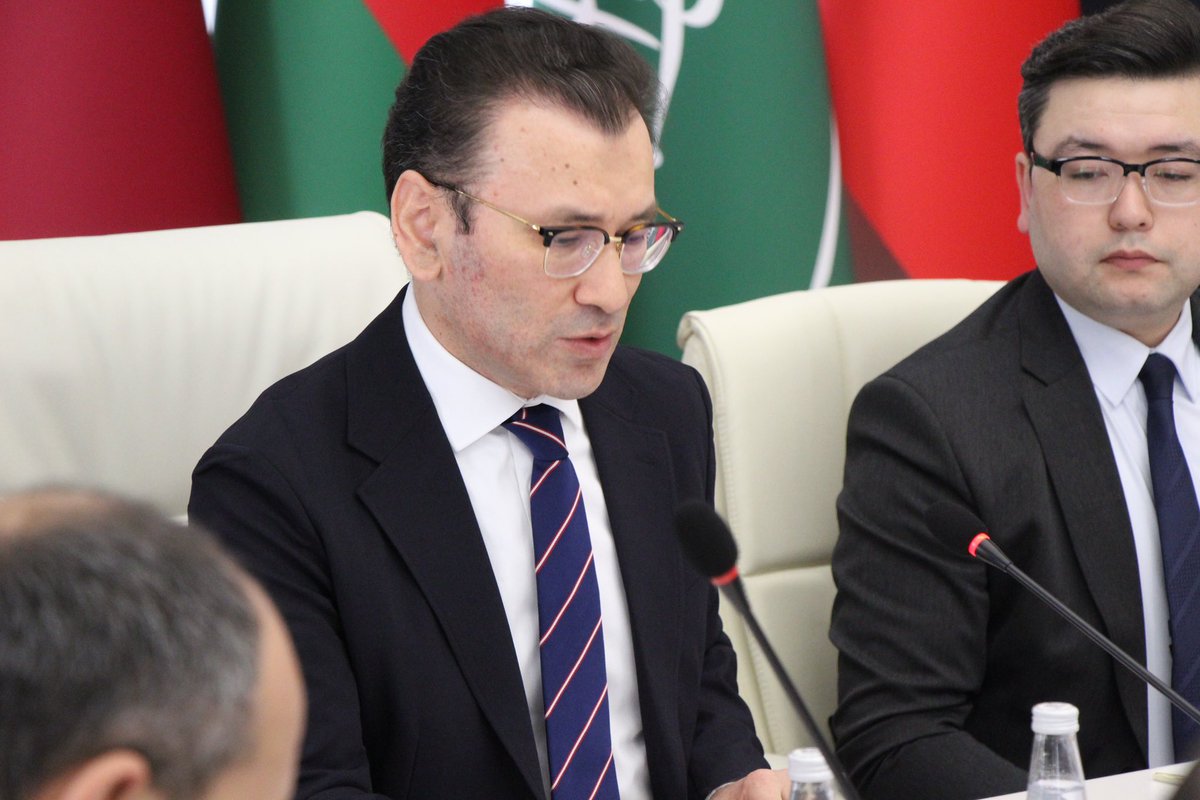
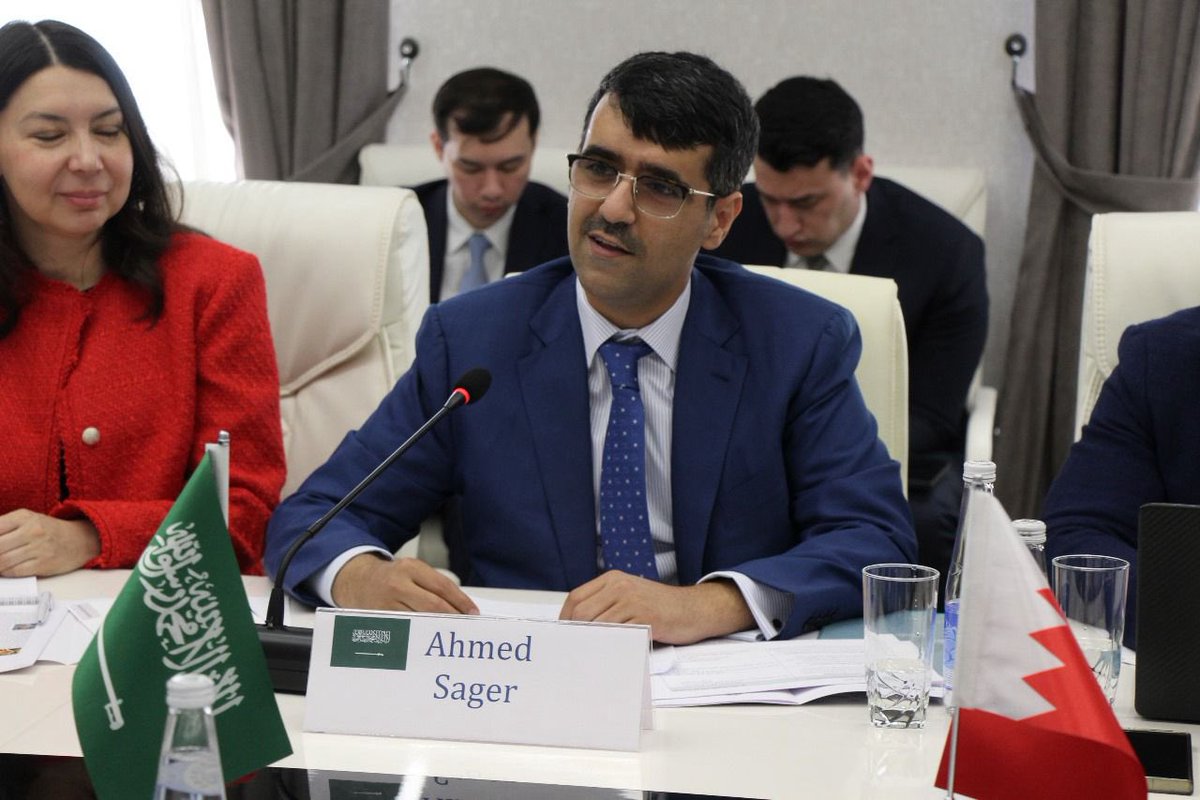
On April 21, 2025, Dr. Ahmed Sager, Vice President of the Gulf Research Center (GRC), participated in the GCC-C5 Summit Preparatory Workshop held in Tashkent. The event was jointly organized by the International Institute for Central Asia @IICAinTashkent and the Bourse & Bazaar Foundation @BourseBazaar. Dr. Sager addressed key aspects of Gulf–Central Asia relations and the opportunities to strengthen them amid rapid international transformations.
My thoughts on how the US and Iran can make deeper economic relations a cornerstone of a new nuclear deal.
Iran presents a unique opportunity for Trump. It is a major economy with which the US could run large and persistent trade surpluses.
https://t.co/Qkd0tucOQ0