BME lab is dedicated to studying the mechanisms and treatments of memory and higher human cognitive functions through technologies under development for brain.
Nowy rok akademicki na Politechnice Gdańskiej zaczeliśmy od rozmów o badaniach mózgu, technologiach przyszłości i wdrażaniu nauki w praktyce! Świetnie jest być częścią takiego postępu!
🔗 https://t.co/xnvqsv5kMG
#BrainMindLab#Neuroscience#MedicalInnovation
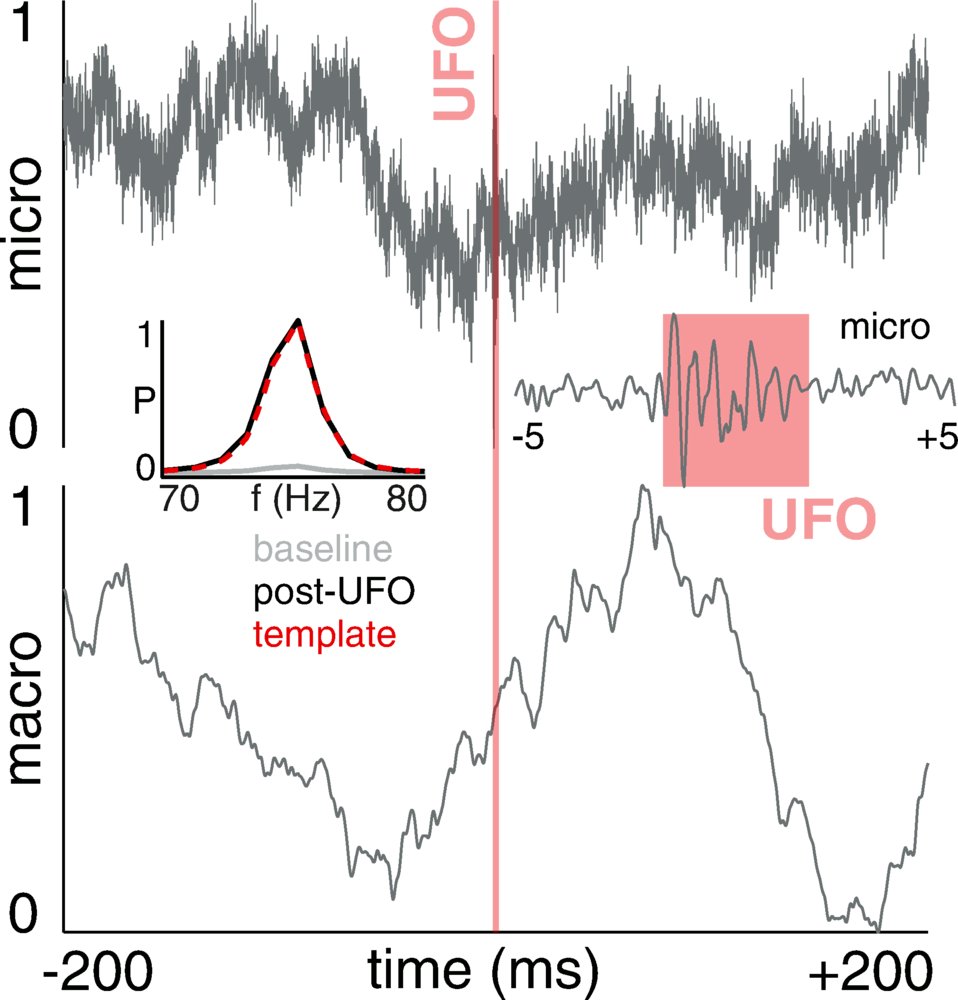
Our new paper “Cross-scale echoes of ultrafast oscillations in the human brain” is out in Physical Review E 🎉
We show how UFOs - brief 2–8 kHz “ultrafast oscillations” recorded with microelectrodes can leave faint spectral echoes in clinical macroelectrode signals.
New research position now open on the EURAXESS – Researchers in Motion portal: https://t.co/cK3oyoNJ3Y - PhD student
https://t.co/ihkxPLs1Xg - Postdoc
Check the details and apply if you’re looking to develop your research career in Europe.
#ResearchJobs#EURAXESS#BrainMindLab
Jeszcze raz serdecznie zapraszamy na spotkanie! sobota, 1.08.2026, godzina 18:00, Sala Multimedialna przy Bazylice Mariackiej. #BrainMindLabPG#gdańsk#Neuroscience https://t.co/Msb3t5JkQP
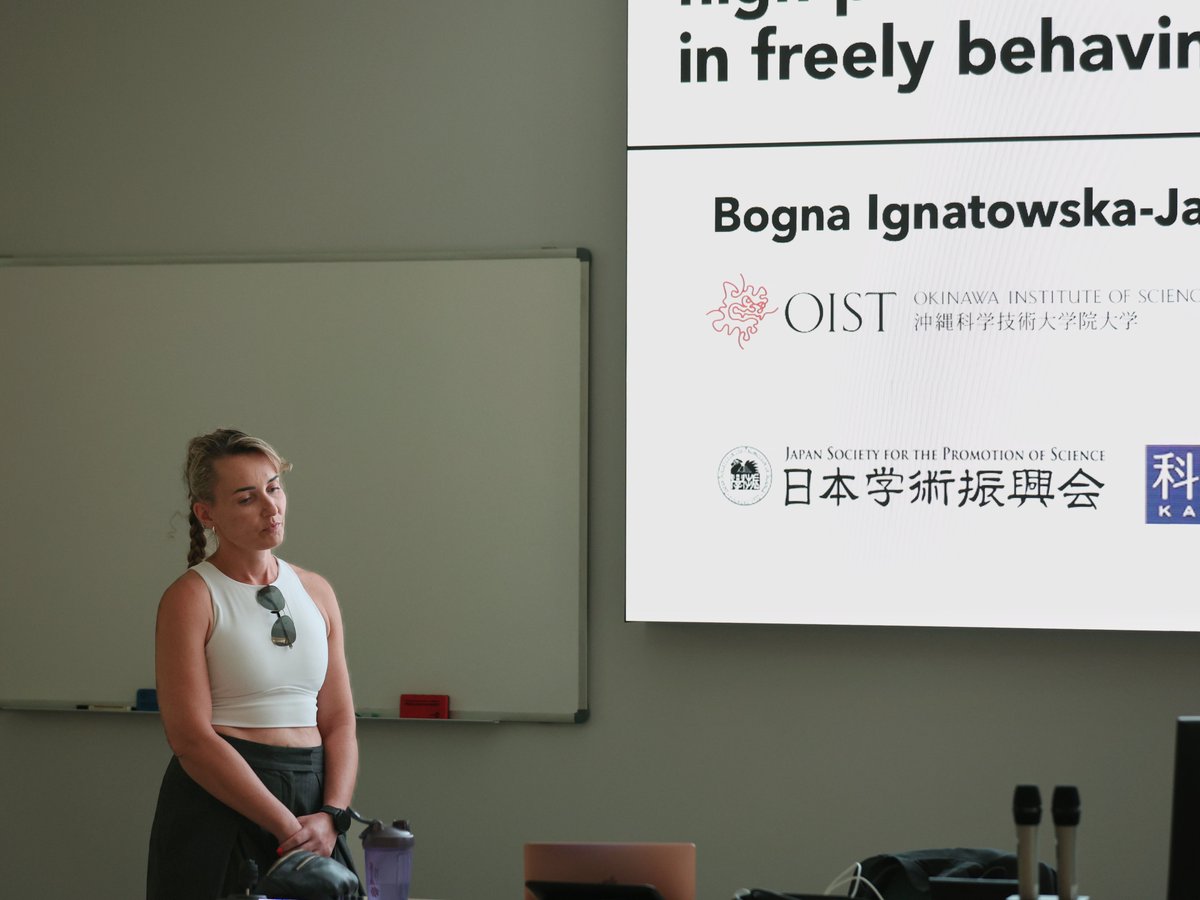
Thank you to everyone who joined our lecture on high-precision marker-based 3D motion capture in freely moving mice. Stay tuned for our next lecture after the summer break on 2 October – more details coming soon! #brainmindlab#neuroscience#neurogda#politechnikagdanska
Hello Gdańsk!
Join our lecture: Distinct kinematic phenotypes revealed by high-precision 3D motion capture of freely moving mice by Bogna Ignatowska-Jankowska, Okinawa Institute of Science and Technology.
#Neuroscience#MotionCapture#Behavior#TranslationalResearch#PGedu
Proud to share our new Frontiers in Endocrinology paper - a student group project in collaboration with the @GUMedGdansk. Great teamwork, great science, and a great example of what student-led collaboration can achieve.
https://t.co/Fe881HmK6k #BrainMindLabPG#NeuroScience#EEG
Proud to share our co-authored Epilepsia paper on the fastest oscillations ever recorded in the human brain — 2,000–8,000 Hz — linked to epilepsy. A major step for epilepsy research and human brain physiology. https://t.co/FGiTPRcsvr
#BrainMindLab#Neuroscience#Epilepsia
4/4 Our Brain & Mind Electrophysiology lab is thrilled to see where this frontier goes next! Link: https://t.co/7L6V4fY3F1 #Neuroscience#Synapse#BrainAndMind
1/4
Did you know that our brain builds a sentence before we say the first word?
A new @Nature article highlights research tracking single-neuron activity during spontaneous conversations.
3/4 Even more interestingly, both neurons and the language models compared in the article appeared to track broader sentence context, including up to five previous words.
If you are interested in language, the brain, and how meaning takes shape, this article is well worth reading
Mówi o nas Nauka w Polsce! Dziękujemy za uwagę poświęconą naszym badaniom i publikacji w Nature Communications. To ważne, że temat 300 ms przed wypowiedzeniem słowa trafia do szerszego grona odbiorców.
Prawie połowa obszarów kory mózgu uaktywnia się w ułamku sekundy przed przywołaniem #słowa – opisał prof. Michał Kucewicz z Politechniki Gdańskiej. Dodał, że dla przywołania konkretnego pojęcia łączą się rozproszone fragmenty pamięci. #mózg#pamięć
https://t.co/aAqiEdZ3xB
To dłuższa rozmowa o naszych badaniach nad tym, co dzieje się w mózgu tuż przed wypowiedzeniem słowa — i jak synchronizacja aktywności neuronalnej wspiera mowę. Zachęcamy do wysłuchania!