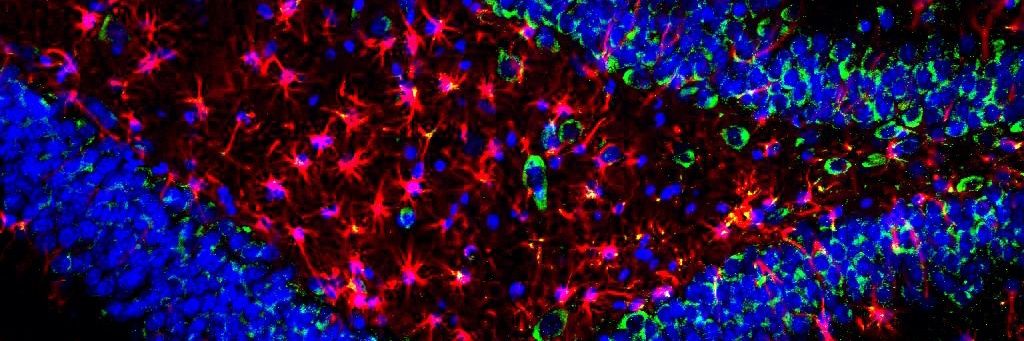
Depression may disrupt adult hippocampal neurogenesis through stress, inflammation, metabolic dysfunction, and impaired synaptic plasticity, contributing to memory deficits and revealing potential therapeutic targets.
https://t.co/tKSXpHXWCu
Women, especially younger women, experience more pain disorders. Research reveals how sex hormones, immune-neural interactions, gut microbiota, and pain-control circuits contribute to sex differences and guide targeted treatments.
https://t.co/mlqb6JeK0e
Cannabinoids dose-dependently enhance threat responses in mice by activating somatostatin neurons in the central amygdala, revealing a neural mechanism that may contribute to cannabinoid-induced anxiety.
https://t.co/XOvFrYoIGK
In Alzheimer’s mice, amyloid plaques disrupted sleep and brain networks. Microglial expansion drove sleep loss, while microglial depletion restored over 2 hours of daily sleep without reducing amyloid.
https://t.co/aAdva4pkFl
During sleep, fly blood cells clear wake-related lipids from the brain. Disrupting this process causes mitochondrial dysfunction, impaired memory, shorter lifespan, and reduced sleep.
https://t.co/uNdnuHUD9M
A speech-based aging clock distinguished healthy adults from people with cognitive impairment and dementia, correlating with tau, brain aging, and epigenetic age. It may offer a scalable, low-cost biomarker.
https://t.co/cy1w2BtnfL
Baby swimming in the first 6 months was associated with higher intelligence scores at ages 4–6 in 1,935 children, with stronger associations in boys and children from higher socioeconomic status families. https://t.co/3cVHS9wwEO
Higher consumption of ultraprocessed foods is linked to greater depression risk. This pilot study tested whether removing these foods from the diets of people with major depressive disorder is feasible.
https://t.co/SQ4vvAGhxM
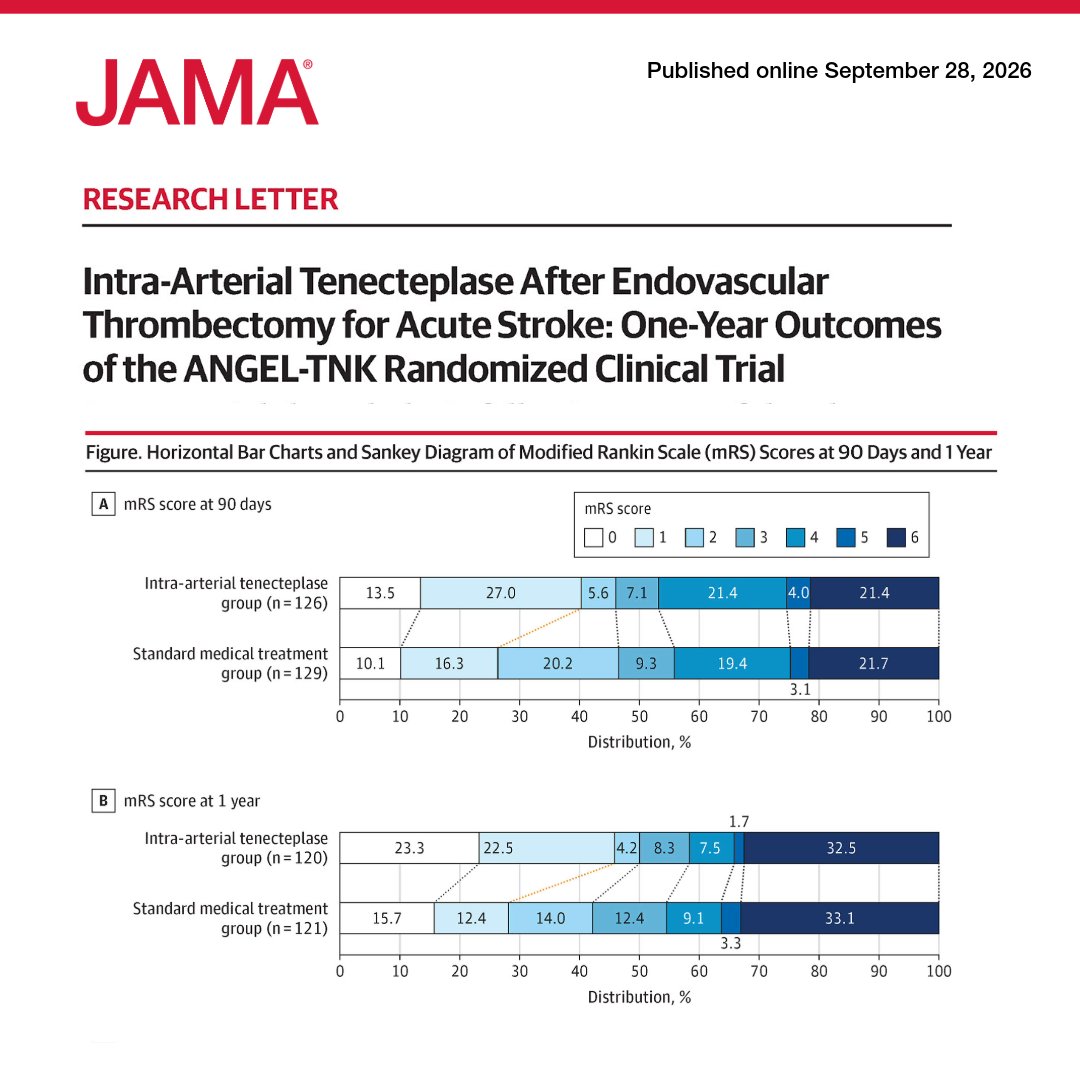
Among patients with acute ischemic #Stroke who underwent successful #EndovascularTherapy for anterior circulation large vessel occlusion, adjunctive intra-arterial tenecteplase was associated with a higher rate of excellent functional outcome at 1 year vs standard medical treatment.
Mortality at 1 year was similar between groups.
https://t.co/IK4zYAEcN5
A micrometric atlas of the mouse brain reveals lipid “lipizones” aligned with anatomy and connectivity. These lipid patterns vary by cell type and adapt during pregnancy, reshaping white matter and cortex.
https://t.co/8DH8341YmQ
Powerful social rejection activates brain regions involved in the sensory experience of physical pain, showing that emotional rejection can literally share neural representations with bodily pain.
https://t.co/VgjVdUCwTG
Menopause is linked to proteomic shifts in inflammation, metabolism, synaptic function and Alzheimer’s pathways. These signatures track brain aging, cognitive decline and dementia risk.
https://t.co/xBkTdBklkY
A single brain implant enabled people with paralysis to simultaneously decode attempted speech and gestures, controlling a virtual avatar and advancing BCIs toward more natural communication.
https://t.co/FsezpOMTs4
Low-dose lithium may slow cognitive decline by enhancing neuroprotection, plasticity, and neuronal survival. Evidence supports testing it as an accessible treatment for MCI and potentially Alzheimer disease.
https://t.co/U2hppKm83I
Human cortical organoids transplanted into neuron-depleted mouse brains grow extensively, integrate into host circuits, show organized activity, and enable behavioral studies of human neurodevelopment and disease.
https://t.co/UqWxVf1jK0